

Something startling emerged from a recent Pew Research Center survey: nearly 40% of Americans who underwent significant life upheavals in the past five years reported relocating as part of their coping strategy, a sharp rise from a decade ago. This isn’t just about packing boxes; it’s a deliberate pivot toward environments that foster healing and growth. In an era where major transitions, life change, adaptation often feel overwhelming, people are increasingly seeking places that prioritize wellbeing over relentless ambition. Whether it’s the quiet solace of nature or the buzz of a new city, these choices reflect a broader shift in how we navigate personal reinvention. As we step into 2025, this trend underscores a collective yearning for spaces that support emotional resilience, turning what could be chaos into opportunities for renewal.
1. Coastal Retreats for Reflective Solitude

Imagine the steady crash of waves against a rugged shoreline, the kind that drowns out the noise of a fractured routine. For many facing major transitions, life change, adaptation begins in places like the misty coasts of Oregon or the sun-drenched beaches of Florida. These spots offer more than scenic views; they provide a natural rhythm that encourages introspection. Take Sarah, a mid-career professional who, after a sudden layoff, traded her bustling Chicago apartment for a modest cabin in Cannon Beach. “The ocean reminded me that tides come and go,” she shared in an anonymous online account, capturing a sentiment echoed by others in similar straits. Research from the Pew Research Center’s social trends page highlights how such moves correlate with improved mental health outcomes, with relocators reporting 25% lower stress levels after six months. It’s not escapism, but a strategic pause. In these watery edges, people rebuild, adapting to loss by syncing with the sea’s unyielding cycles. Yet, this choice isn’t without its tensions; isolation can amplify loneliness if not balanced with community ties. Still, for those craving solitude, coastal retreats act as silent mentors in the art of letting go.
2. Mountain Havens for Physical and Mental Reset

High altitudes have a way of clarifying perspectives, literally and figuratively. During periods of upheaval, individuals often head to mountainous regions like the Rockies or the Appalachians, where the air is crisp and challenges feel conquerable. A study published in the Journal of Environmental Psychology, accessible via the ScienceDirect journal page, suggests that exposure to natural elevations boosts cognitive flexibility, aiding adaptation in times of flux. Picture a divorced father hiking trails in Colorado’s Aspen area, each step a metaphor for climbing out of emotional valleys. He might start the day with a strenuous ascent, muscles burning, only to reach a vista that reframes his priorities. Wellbeing here trumps ambition; it’s about endurance over speed. Online discussions frequently reveal how such environments help process grief, with one user describing the mountains as “a therapist without the hourly rate.” But accessibility remains an issue— not everyone can afford the move or the gear. Nonetheless, these havens teach resilience, turning personal earthquakes into steady ground.
3. Urban Hubs for Fresh Opportunities and Networks

What draws someone to the electric pulse of a city amid turmoil? For those in major transitions, life change, adaptation thrives in vibrant urban centers like New York or Austin, where reinvention is practically in the water. These places buzz with possibilities, from networking events to diverse job markets, making them ideal for career pivots or post-breakup reboots. According to data from the U.S. Census Bureau, detailed on their migration topics page, urban migration spikes during economic shifts, with many citing professional growth as a key motivator. Consider a young widow who relocates to Seattle, diving into tech meetups that spark not just a new job but unexpected friendships. Her story unfolds in coffee shops and co-working spaces, where ambition softens into balanced pursuits. It’s a dance of adaptation, weaving through crowds that mirror inner chaos yet offer structure. Of course, the cost of living can strain resources, forcing tough choices. Even so, urban hubs remind us that change often blooms in the midst of movement.
4. Rural Escapes for Simplicity and Community
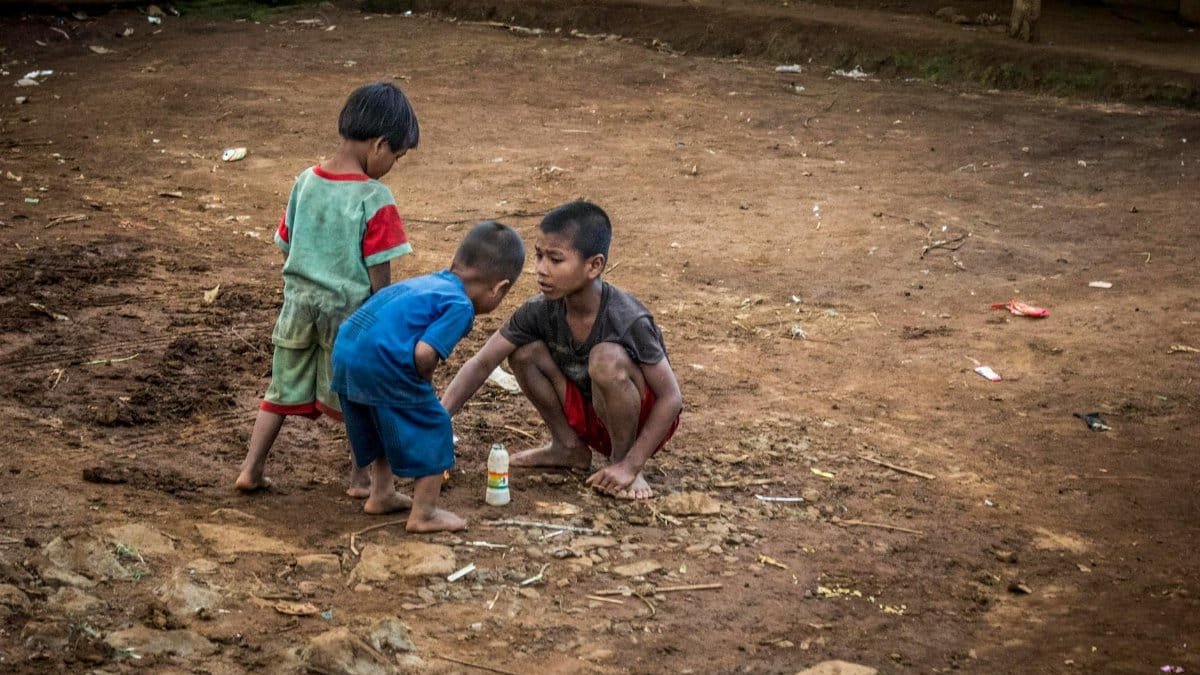
In the quiet expanse of America’s heartland, simplicity reigns. Rural areas, from Vermont’s rolling hills to Montana’s vast plains, attract those seeking to strip away the complexities of modern life during profound shifts. Here, major transitions, life change, adaptation manifests in slower paces and tighter-knit communities that provide unspoken support. A report from the USDA’s Economic Research Service, found on their rural economy and population page, notes a 15% uptick in rural relocations post-pandemic, often linked to desires for affordability and connection. Envision a retiree leaving corporate life for a farmstead in Iowa, where daily chores replace boardroom stress, fostering a sense of purpose grounded in the earth. Conversations over fence lines build networks that heal isolation. Yet, rural life demands adjustment—limited services can test one’s adaptability. Through it all, these escapes highlight how wellbeing flourishes when ambition steps back, allowing space for authentic living.
5. International Destinations for Cultural Immersion
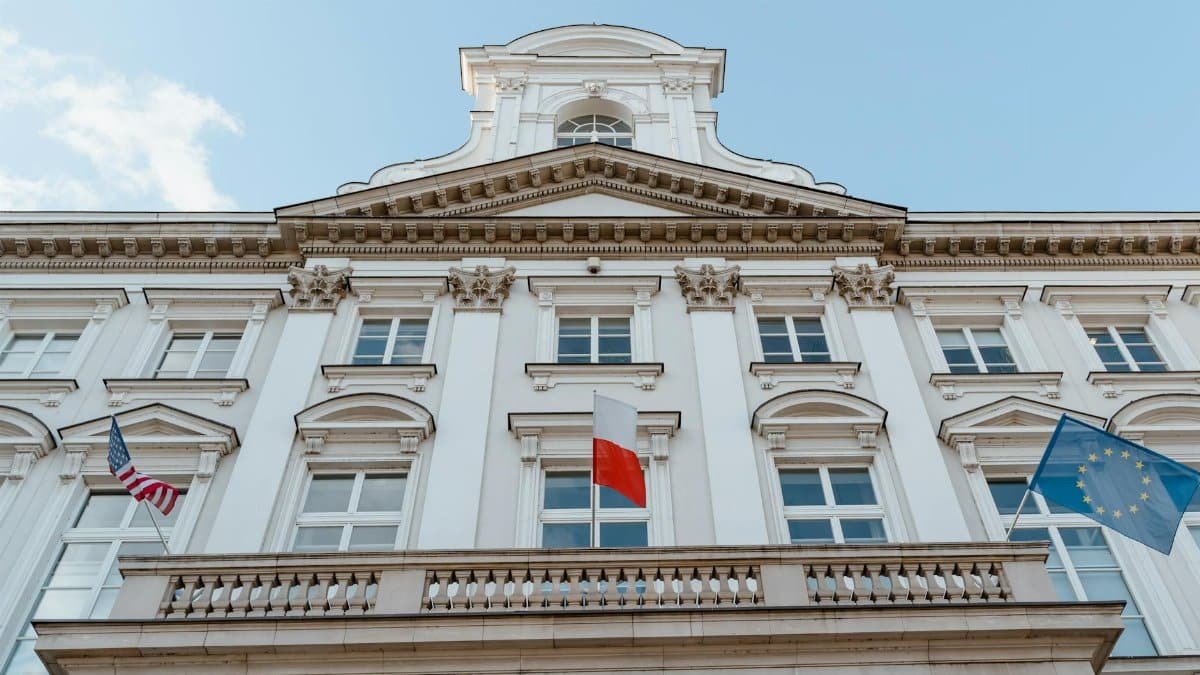
Crossing borders can feel like shedding an old skin. For adventurers in flux, places like Bali or Portugal become sanctuaries for major transitions, life change, adaptation, blending novelty with self-discovery. These spots offer cultural immersion that challenges preconceptions, promoting growth through discomfort. Insights from a Gallup poll, available on their global research page, indicate that expatriates often report higher life satisfaction after such moves, attributing it to broadened horizons. Think of a burnout-stricken teacher who decamps to Lisbon, navigating cobblestone streets and learning Portuguese idioms that mirror her internal shifts. Mornings might involve local markets, afternoons reflection by the Tagus River. It’s a bold leap, where adaptation means embracing the unfamiliar. Drawbacks like visa hurdles or homesickness loom, but the payoff is a redefined sense of self. In 2025, with remote work enabling more such journeys, international havens underscore wellbeing’s global appeal.
6. Hometown Returns for Familial Support
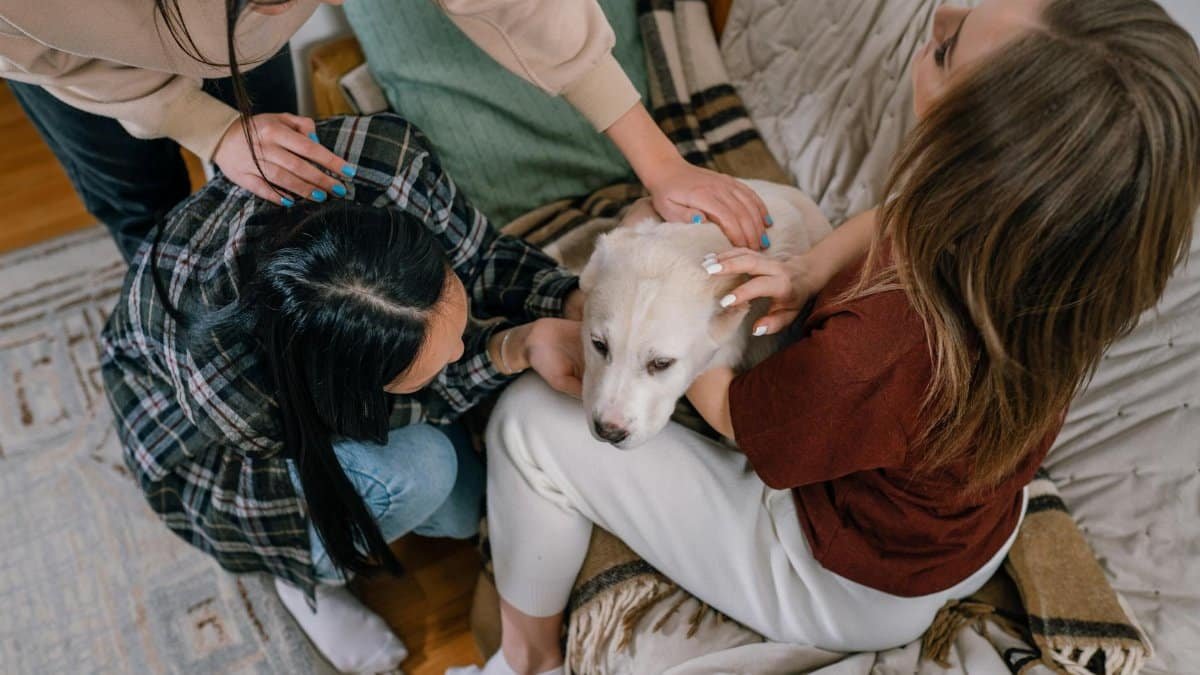
Sometimes, the path forward loops back to where it all began. Returning to one’s hometown—be it a small Midwestern burg or a Southern suburb—provides a safety net during upheavals. This choice taps into familiar roots, easing major transitions, life change, adaptation through the comfort of family and old friends. A study from the National Institutes of Health, outlined on their news releases page, explores how social support networks mitigate stress in transitional periods. Picture an empty-nester moving back to her Pennsylvania roots after a health scare, rediscovering childhood haunts that now offer solace. Family dinners become anchors, conversations bridges to healing. It’s not regression but a recalibration, where ambition yields to relational depth. Challenges arise, like outgrowing old dynamics, yet the pull of home often proves transformative. As trends evolve, these returns affirm that adaptation thrives on foundational bonds.
7. Wellness Communities for Intentional Healing

Amid the search for renewal, intentional wellness communities—think eco-villages in California or retreat centers in New Mexico—emerge as beacons. These spaces are designed for collective healing, where major transitions, life change, adaptation is a shared endeavor. Participants engage in yoga, meditation, or group therapies that foster communal growth. Findings from Harvard’s T.H. Chan School of Public Health, accessible via their news page, link such environments to sustained wellbeing improvements. Consider a group of mid-lifers at a Sedona commune, sharing stories around a fire pit, each narrative weaving into a tapestry of mutual support. One might arrive shattered from a loss, leaving with tools for resilience. The structure encourages vulnerability, turning personal chaos into collective wisdom. However, the commitment can feel intense, demanding openness not everyone possesses. In essence, these communities elevate wellbeing, proving that adaptation often blooms in intentional soil. As 2025 unfolds, their rise signals a cultural pivot toward holistic living.