

In bustling American cities like New York or Los Angeles, a quiet undercurrent has emerged among middle-aged professionals. They’re swapping high-stakes boardrooms for serene escapes, seeking relief from the relentless grind. This shift reflects a growing awareness of performance pressure, comparison fatigue, and ego awareness—concepts that highlight how constant striving and self-comparison can erode well-being. As social media amplifies every achievement, many find themselves exhausted by the need to perform. Yet, certain locations offer a respite, places where authenticity reigns and the ego’s demands fade. These spots encourage presence over perfection, allowing individuals to reconnect with themselves without the weight of external judgments. In 2025, with remote work blurring boundaries, such havens become essential for mental clarity. This article explores seven such locations, each fostering a less performative life through natural immersion or quiet reflection.
1. National Parks: Embracing Nature’s Unscripted Rhythm
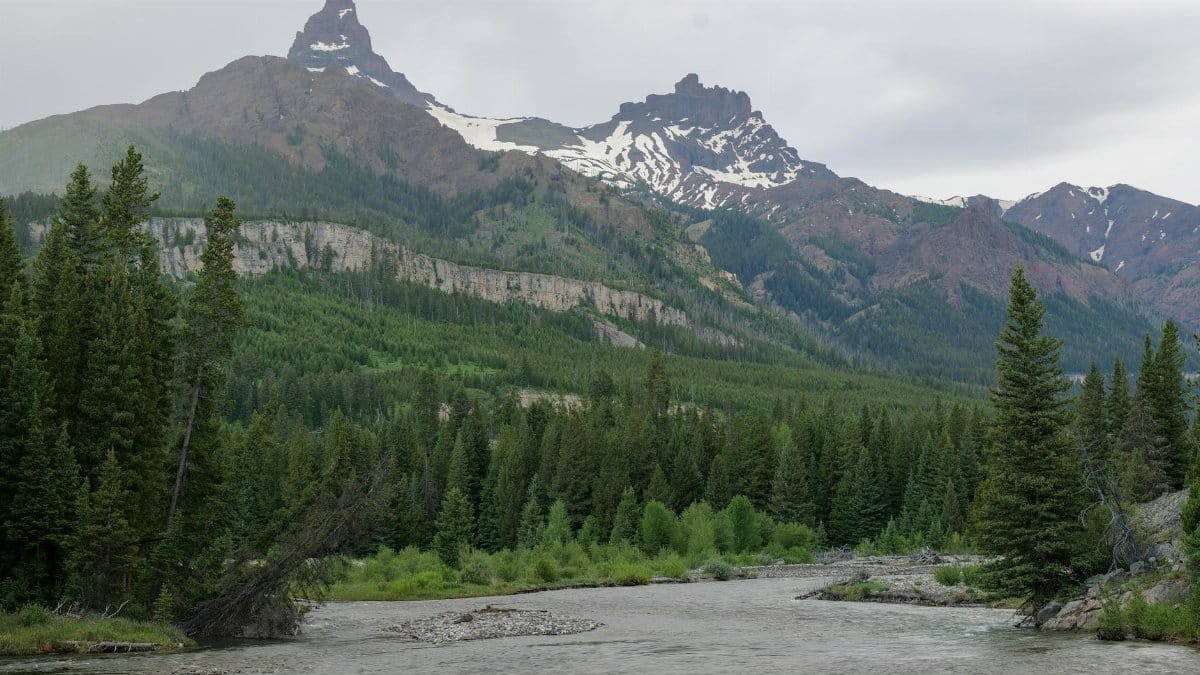
Step into Yellowstone or Yosemite, and the scripted demands of daily life dissolve. Here, amid towering pines and rushing rivers, visitors confront the raw essence of existence. No one judges your hiking pace; the trail simply unfolds. This setting directly counters performance pressure by shifting focus from achievement to mere presence. A study from the National Park Service highlights how time in nature reduces stress hormones, promoting ego awareness as people tune into their inner states without comparison.
Imagine a group of hikers pausing at a vista, not to post photos, but to breathe in the crisp air. One middle-aged visitor, reflecting on her experience, shared anonymously online that the vastness made her ego’s worries seem trivial. “It was like the mountains whispered, ‘You’re enough as you are,'” she noted. Such moments illustrate how these parks foster comparison fatigue relief, encouraging self-acceptance over competition.
Research supports this: A report from the National Park Service on Mental Health Benefits details improved mindfulness scores among visitors. In 2025, with urban burnout on the rise, these natural sanctuaries offer a vital antidote, blending solitude with subtle community.
2. Quiet Libraries: Spaces for Inner Dialogue

What if the hush of a public library could silence the inner critic? In places like the New York Public Library or smaller branches in Midwestern towns, rows of books invite introspection without applause. Ego awareness thrives here, as readers engage with ideas minus the pressure to impress. No likes or shares required—just the turn of a page.
Consider Sarah, a fictional composite based on common accounts: She arrives frazzled from a corporate job, sinks into an armchair, and loses hours to a novel. Suddenly, comparison fatigue lifts; her worth isn’t tied to metrics. Libraries, with their democratic access, remind us that knowledge pursuit is personal, not performative.
According to a Pew Research Center survey, libraries remain key for community well-being, with 53% of adults visiting for quiet reflection. Dive deeper via the Pew Research on Libraries and Learning. These spaces, enduring in 2025 amid digital distractions, nurture a grounded sense of self.
3. Coastal Beaches at Dawn: Waves Washing Away Expectations
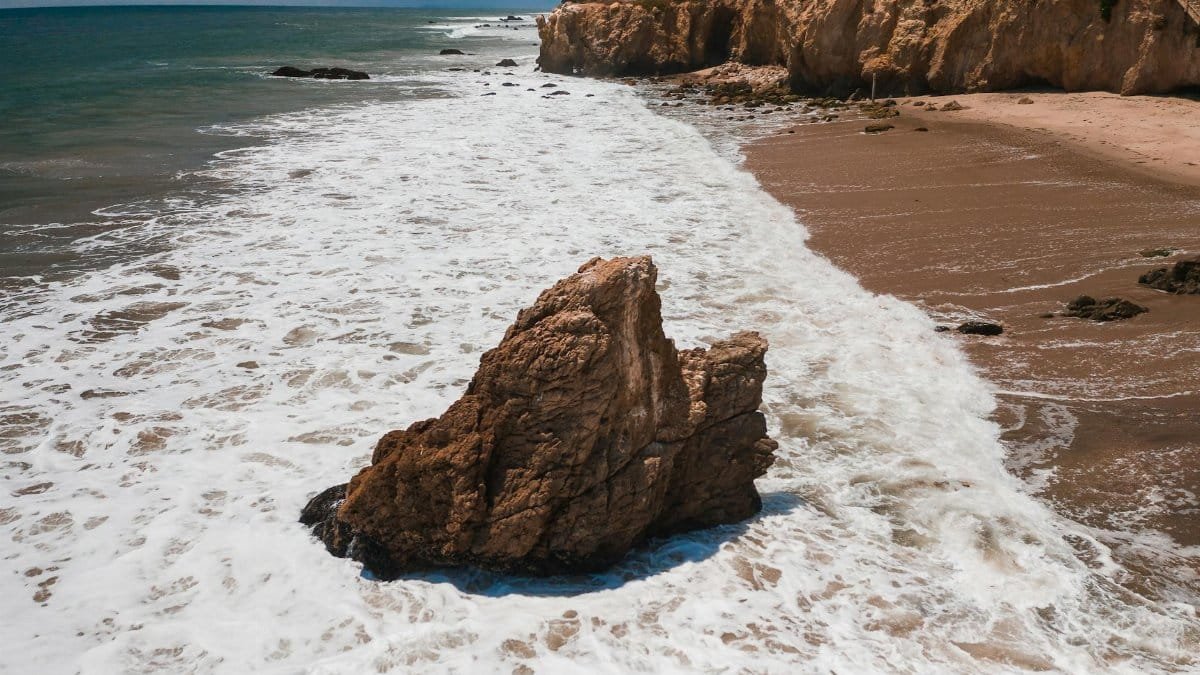
Dawn breaks over beaches like those along Cape Cod or California’s Big Sur, where the ocean’s rhythm drowns out societal noise. Early risers walk the sand, free from the gaze of crowds, confronting performance pressure head-on. The endless horizon prompts ego awareness, revealing how small our strivings truly are.
A brief anecdote: A man in his forties, escaping a high-pressure sales role, stands barefoot as waves lap his feet. No agenda, just the salt spray and seagulls. This simplicity combats comparison fatigue, replacing it with gratitude for the moment. Online forums echo this, with one user describing how beach solitude “peeled back layers of ego, leaving peace.”
Studies back the benefits; the NIH notes ocean proximity aids mental health through sensory immersion. Explore more at the NIH Study on Blue Spaces and Well-Being. As climate awareness grows in 2025, these coastal refuges also inspire mindful stewardship.
4. Small-Town Cafes: Community Without Competition

Nestled in heartland spots like those in Vermont or Iowa, local cafes buzz with unhurried chatter. Patrons sip coffee, sharing stories sans the performative flair of urban bistros. Here, ego awareness emerges through genuine connections, easing the fatigue of constant self-comparison.
Picture regulars at a counter, debating weather over pie. No one boasts resumes; it’s about presence. This counters performance pressure by valuing authenticity. A reported snippet from a public discussion: “In my small-town diner, I forget the rat race—it’s just folks being real.”
Data from the CDC underscores rural settings’ role in social health, with lower isolation rates. Check the CDC on Rural Health. In 2025, as remote workers migrate, these cafes become anchors for balanced living.
5. Meditation Retreats: Structured Stillness for Self-Reflection

Retreats at centers like those in upstate New York or Colorado provide guided paths to inner calm. Participants sit in silence, unpacking layers of ego that fuel performance pressure. The structured environment builds awareness, turning comparison fatigue into compassionate insight.
One attendee recalls the breakthrough: During a week-long session, the urge to achieve melted into acceptance. Such narratives show how retreats facilitate deep work on the self, away from daily demands.
A Harvard study links meditation to reduced anxiety, accessible via the Harvard Gazette on Mindfulness. With wellness tourism booming in 2025, these havens offer practical tools for ego awareness.
6. Home Gardens: Cultivating Personal Growth

Backyards or community plots in suburbs from Texas to Oregon turn soil into sanctuaries. Tending plants demands patience, not perfection, directly addressing performance pressure. Ego awareness blooms as gardeners witness cycles of growth, free from comparison’s sting.
Envision kneeling in dirt, weeding without a timeline. This hands-on ritual fosters mindfulness, as one anonymous sharer put it: “My garden taught me that progress isn’t linear—neither is life.”
The USDA reports gardening’s mental health perks, detailed at the USDA on Mental Health. Amid 2025’s sustainability push, these spaces nurture both earth and spirit.
7. Mountain Trails: Ascending Beyond the Ego
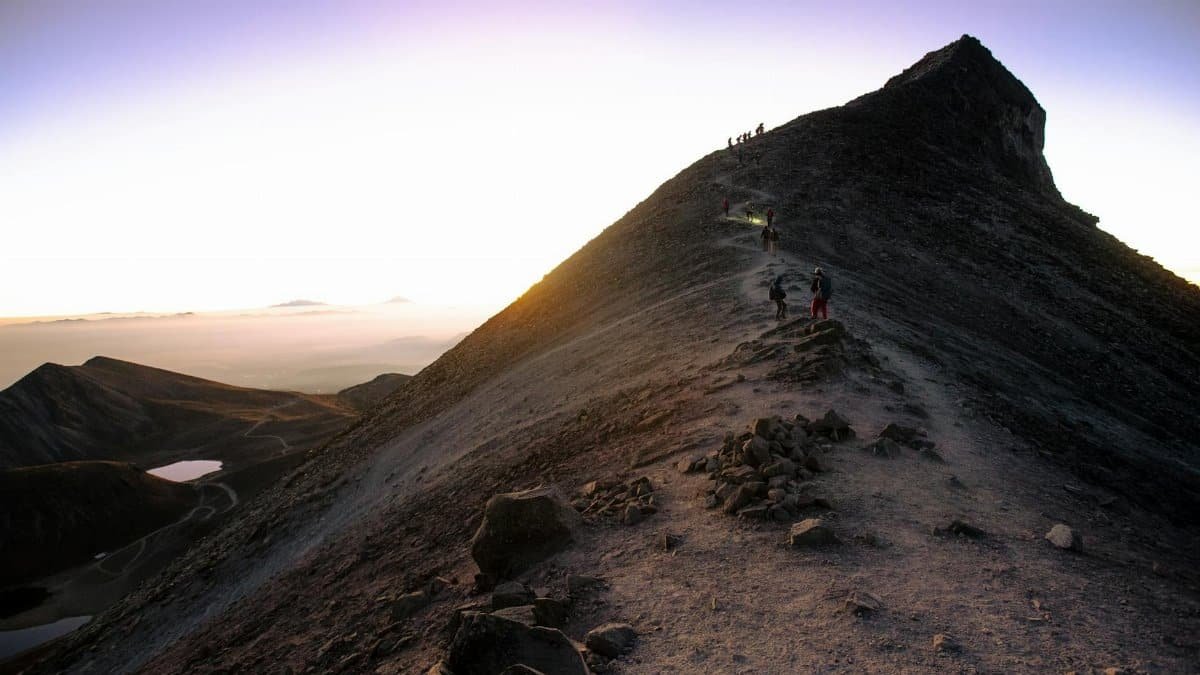
Trails in the Rockies or Appalachians challenge physically while quieting the mind. Climbers face inclines that strip away pretenses, promoting ego awareness through humility. Performance pressure fades; it’s about the step, not the summit photo.
A hiker pauses midway, heart pounding, realizing comparison is irrelevant against nature’s scale. This epiphany combats fatigue, echoing trends in adventure therapy.
Insights from the American Psychological Association affirm hiking’s role in resilience, via the APA on Outdoor Activities. In 2025, with mental health prioritized, these paths lead to profound self-discovery.
These locations, from vast parks to intimate gardens, underscore a vital truth: Life needn’t be a performance. By seeking them out, Americans can cultivate ego awareness, alleviating the burdens of pressure and comparison. As trends evolve, such spaces remain timeless refuges for authentic living.