

Recent surveys paint a telling picture of America’s workforce woes. According to a 2024 Gallup poll, a staggering 23 percent of employees reported feeling burned out at work very often or always, up from previous years amid lingering pandemic effects and economic pressures. This spike has pushed many to seek paths toward burnout recovery, life reset, emotional safety, not just as buzzwords but as essential lifelines. In bustling cities from New York to Los Angeles, professionals are stepping back, reevaluating priorities, and choosing destinations that promise more than a quick vacation. These spots offer spaces to rebuild, where emotional well-being takes center stage over relentless ambition. As one might expect in 2025, with remote work blurring boundaries, the quest for such havens is reshaping how people approach healing and renewal.
1. Coastal Retreats for Gentle Reconnection

Along the rugged shores of Maine or the sun-kissed beaches of California, many find solace after burnout. These coastal areas draw those weary from corporate grind, offering a rhythm dictated by tides rather than deadlines. Imagine a former tech executive, let’s call her Sarah, who left her Silicon Valley job after years of nonstop pressure. She rented a small cottage in Big Sur, where mornings began with ocean walks instead of email checks. The sound of waves crashing provided a backdrop for quiet reflection, helping her rebuild a sense of emotional safety. Research from the American Psychological Association highlights how natural environments like these can reduce stress hormones significantly. In one study, participants exposed to coastal settings showed lower cortisol levels after just a few days. This isn’t mere escapism; it’s a deliberate reset, allowing space to process accumulated fatigue. Sarah described it as finally breathing freely, away from the constant buzz of notifications. Such retreats emphasize simple routines: journaling by the sea, light yoga sessions at dawn. They foster a life reset by encouraging boundaries, something often eroded in high-stakes careers. As trends evolve in 2025, more retreats incorporate mindfulness programs tailored to burnout recovery, blending therapy with nature immersion. Yet, not everyone thrives here; some find the isolation amplifying inner turmoil, a reminder that recovery paths vary. Still, for many, these watery edges become the first step toward reclaiming balance.
2. Mountain Cabins for Solitary Reflection
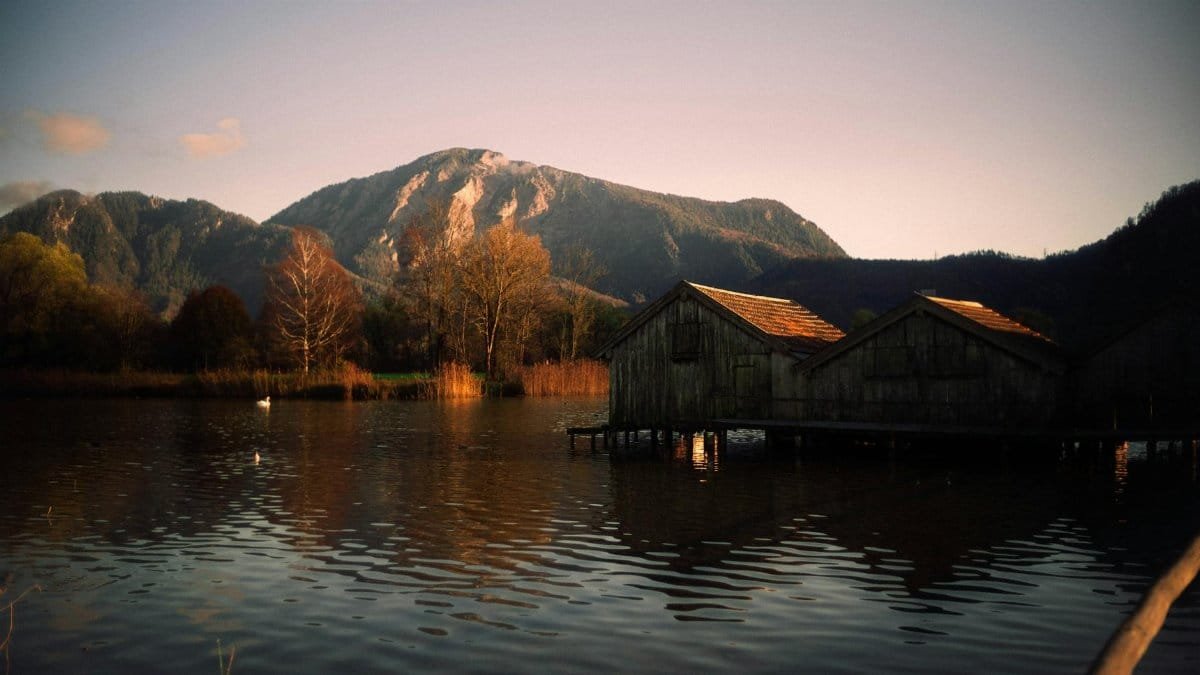
High in the Rockies or the Appalachians, secluded cabins beckon those craving introspection. Picture a marketing director from Chicago, overwhelmed by endless campaigns and team demands, who packs up for a month in Colorado’s peaks. The crisp air and towering pines create a cocoon, far from urban clamor. Here, emotional safety emerges through solitude, a chance to confront burnout without distractions. A report from the National Institutes of Health underscores the mental health benefits of forest bathing, a practice common in these settings, where immersion in nature boosts mood and cognitive function. Participants in related studies often report renewed clarity after time in wooded isolation. This man, anonymous in online shares, recounted chopping wood for the stove as his therapy, each swing releasing pent-up frustration. It’s not always easy; cabin life demands self-reliance, which can surface unresolved emotions. But that’s the point of a life reset: facing the quiet to rebuild resilience. In 2025, outfitters are adding guided hikes with therapists, merging adventure with emotional work. These places aren’t about luxury; they’re raw, grounding experiences that prioritize healing over hustle. One might start with small rituals, like brewing coffee over a fire, gradually weaving in journaling or meditation. The mountains teach patience, a counter to the instant gratification of professional life. For some, this becomes a turning point, shifting careers toward more fulfilling paths. Others return refreshed, armed with tools for ongoing burnout recovery.
3. Urban Sanctuaries Amid City Vibes
Not everyone flees to remote wilderness; some rediscover peace in the heart of cities. Think wellness hubs in Brooklyn or wellness coops in Seattle, where communal spaces offer emotional safety without total isolation. A graphic designer from Atlanta, burnt out from freelance deadlines, found refuge in a shared art studio in New York. Surrounded by like-minded creators, she engaged in low-pressure workshops, rebuilding confidence step by step. The Pew Research Center notes that urban dwellers increasingly seek community-based recovery, with 40 percent of millennials reporting higher well-being in supportive group settings. This aligns with burnout recovery trends, where connection combats the loneliness of overwork. Her story, echoed in anonymous forum posts, involved group discussions on work-life boundaries, turning vulnerability into strength. Urban sanctuaries provide structure: yoga classes, communal meals, even coworking with a twist of therapy. They facilitate a life reset by blending familiarity with novelty, easing the transition back to daily routines. In bustling environments, emotional safety comes from curated calm, like quiet corners in vibrant neighborhoods. Challenges arise, such as noise or crowds, but many adapt by setting personal limits. As 2025 unfolds, these spots evolve with apps for virtual check-ins, extending support beyond physical walls. It’s a reminder that recovery doesn’t require escape; sometimes, it’s about reimagining the spaces we already know.
4. International Escapes for Cultural Immersion
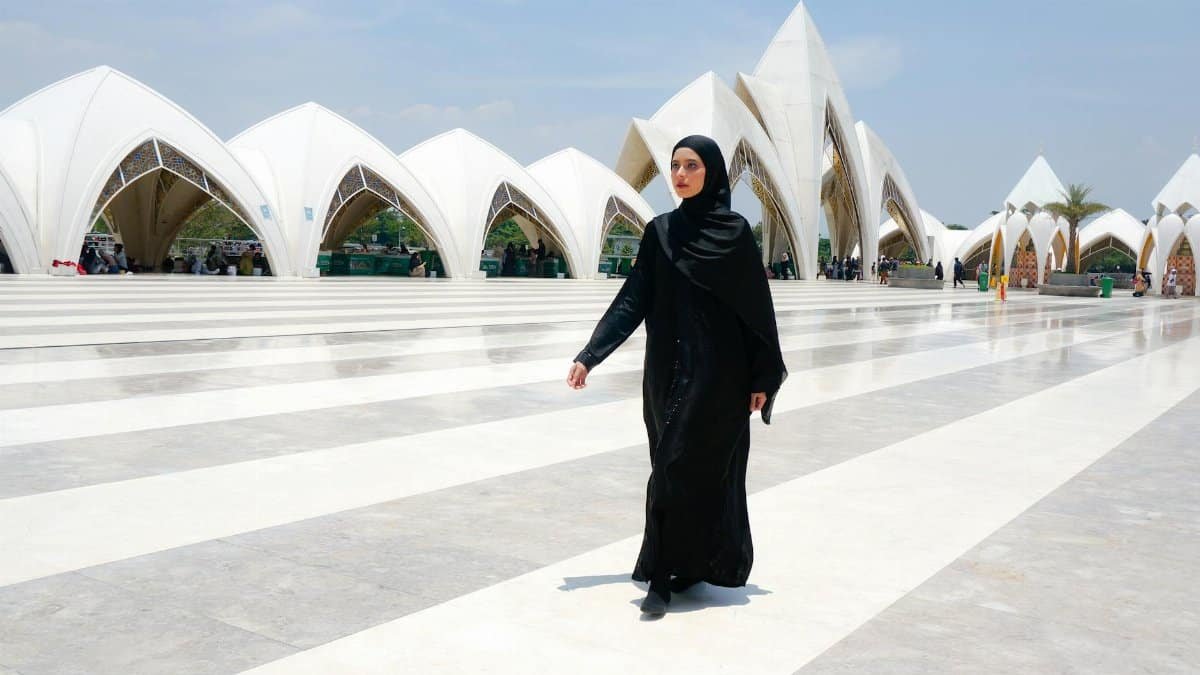
Venturing abroad, to places like Bali’s serene villages or Tuscany’s rolling hills, offers a profound shift for burnout sufferers. A teacher from Texas, drained by classroom chaos, chose a month in Italy, immersing in slow-paced village life. Olive groves and homemade pasta meals replaced lesson plans, fostering a deep life reset. Studies from Harvard Medical School link cultural immersion to enhanced emotional resilience, as new perspectives challenge ingrained habits. In her case, learning local crafts provided purpose without pressure, rebuilding emotional safety through curiosity. Online accounts often highlight similar transformations, one describing the freedom of wandering markets without a schedule. These escapes encourage detachment from familiar stressors, allowing space for burnout recovery. Yet, culture shock can intensify feelings of disconnection, requiring adaptability. Programs in 2025 increasingly include wellness retreats with bilingual counselors, addressing this. The appeal lies in the contrast: from high-speed American life to traditions emphasizing rest. Simple acts, like sipping tea in a foreign cafe, become meditative. For many, this leads to lasting changes, such as incorporating siestas into routines back home. It’s not just tourism; it’s a deliberate pursuit of balance, where global insights inform personal healing. As borders reopen fully, these destinations see rising demand from those prioritizing mental health over material success.
5. Home Transformations for Everyday Sanctuary

Sometimes, the best place is right at home, reimagined as a haven. A software engineer from Seattle, hit hard by burnout, converted his spare room into a meditation nook, complete with plants and soft lighting. This internal shift emphasized emotional safety in familiar surroundings, avoiding the upheaval of travel. The Centers for Disease Control and Prevention reports that home-based interventions can effectively reduce stress, with routines like designated “unwind zones” proving beneficial. He started small: evening rituals of reading without screens, gradually expanding to weekend digital detoxes. An anonymized story shared publicly online mirrored this, detailing how decluttering a living space lifted mental fog. Home transformations facilitate burnout recovery by making reset accessible, no passport required. In 2025, smart home tech aids this, with apps for mood lighting or guided breathing. Challenges include maintaining boundaries when work invades personal space, but setting rules helps. It’s about reclaiming control, turning the ordinary into restorative. For some, this evolves into community: hosting small gatherings for shared reflections. Others incorporate nature elements, like indoor gardens, bridging indoor comfort with outdoor peace. Ultimately, it underscores that life reset often begins within, fostering long-term emotional safety through sustainable habits. This approach democratizes recovery, proving it’s not reserved for exotic locales but available in everyday life.
As these stories illustrate, the journey after burnout varies, yet a common thread weaves through: the pursuit of spaces where emotional safety trumps achievement. In exploring burnout recovery, life reset, emotional safety, people are rewriting their narratives, one chosen place at a time. Whether by sea, summit, city street, foreign soil, or home hearth, the emphasis shifts to healing. Trends in 2025 suggest this movement will grow, with more resources emerging to support it. It’s a quiet revolution, reminding us that true progress often lies in stepping back.
By Chris F. Weber Gallup Poll on Employee Burnout American Psychological Association on Nature and Stress National Institutes of Health on Forest Bathing Pew Research Center on Community Well-Being Harvard Medical School Publications Centers for Disease Control and Prevention on Stress Reduction