

In a world buzzing with constant notifications and demands, a surprising number of Americans are seeking solace in unexpected spots. According to a 2023 survey by the American Psychological Association, nearly 40% of adults reported higher stress levels than the previous year, prompting many to prioritize emotional clarity, mental space, and restoration. This shift isn’t just anecdotal. Research from Gallup in 2024 showed that people who regularly disconnect in calming environments experience a 25% drop in anxiety symptoms. It’s no wonder, then, that places offering quiet respite are gaining traction. From serene natural havens to urban retreats, these locations provide more than escape. They foster a reset, allowing thoughts to untangle and energy to recharge. As we navigate 2025’s fast pace, exploring such spots could be key to maintaining balance.
1. National Parks: Nature’s Quiet Embrace
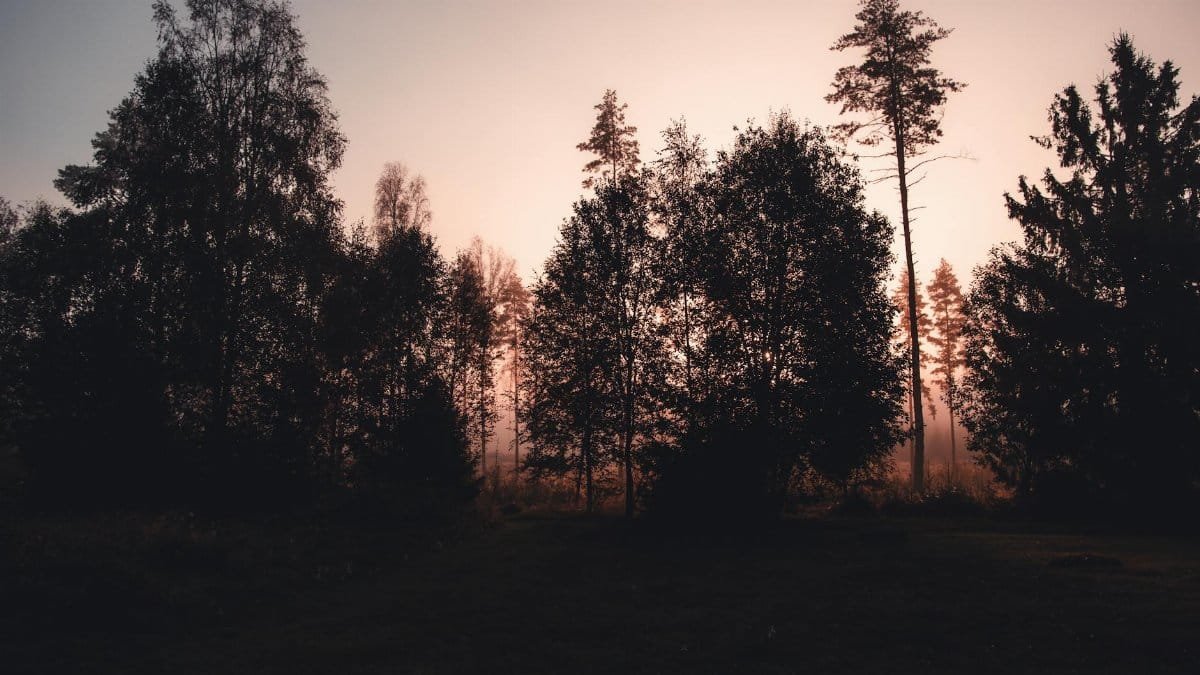
Step into Yosemite National Park, and the world shrinks to the rustle of leaves and distant bird calls. For many, these vast landscapes serve as a direct path to emotional clarity. Visitors often describe how the sheer scale of granite cliffs and ancient sequoias dwarfs everyday worries, creating room for reflection.
Take Sarah, a teacher from Chicago who visited last summer. She arrived frazzled from a year of remote teaching chaos. “I sat by a stream for hours,” she recalled, “and suddenly, my jumbled thoughts started sorting themselves out.” It’s not just personal stories; science backs this up. A study published in the journal Frontiers in Psychology found that time in nature boosts cognitive function and emotional regulation. Researchers noted participants felt restored after just 20 minutes amid greenery.
Yet, it’s not always straightforward. Crowds can intrude, turning a peaceful hike into a parade. Still, off-season visits or lesser-known trails offer solitude. In 2025, with park attendance steady, planning ahead ensures that mental space. The restoration comes from immersion, where worries fade against the backdrop of timeless wilderness.
National parks aren’t merely vacations. They remind us of our place in a larger ecosystem, easing the pressure of self-centered stress. One hiker shared online how gazing at stars in Yellowstone cleared his mind like nothing else. Such moments underline why these places endure as havens for clarity.
2. Public Libraries: Sanctuaries of Silence

What if the key to mental restoration lies in stacks of books? Public libraries across the U.S., like the New York Public Library’s iconic reading room, provide hushed environments where focus reigns. Here, emotional clarity emerges not from isolation but from shared quietude.
Imagine settling into a worn armchair, surrounded by volumes that whisper possibilities. For urban dwellers overwhelmed by city noise, libraries offer a free refuge. A report from the Pew Research Center highlights how 76% of Americans view libraries as essential community hubs, with many using them for personal downtime.
This isn’t about reading alone. It’s the atmosphere that restores. One patron described flipping through pages as a way to “sift through my own mental clutter.” Challenges arise, though, like limited hours or digital distractions creeping in. But in 2025, with libraries expanding wellness programs, they adapt to modern needs.
Transitions to clarity happen gradually. Start with a corner nook, let thoughts wander. Over time, the space fosters restoration, turning chaos into calm. Libraries prove that emotional space doesn’t require grandeur; sometimes, it’s found in the familiar glow of a reading lamp.
3. Coastal Beaches: Waves of Renewal

The ocean’s rhythm has a way of syncing with our inner tempo. Places like California’s Big Sur coastline draw seekers of emotional clarity, where crashing waves wash away mental fog. It’s a sensory reset, with salt air and endless horizons inviting introspection.
Consider a foggy morning walk along the shore. Footprints vanish in the sand, mirroring how burdens can dissolve. Research from the National Institutes of Health links blue spaces, like beaches, to improved mental health, reducing depression risk by up to 22% for frequent visitors.
Not everyone finds peace immediately. Rough weather or tourist crowds can disrupt the vibe. Yet, early risers or off-peak seasons reveal the true magic. In one anonymous online account, someone shared how watching sunsets at Cape Cod untangled years of grief, restoring a sense of possibility.
Beaches encourage presence. Feel the tide pull, let it mirror emotional ebbs and flows. This restoration builds resilience, preparing us for life’s storms. As 2025 brings more emphasis on coastal conservation, these spots remain vital for mental space.
4. Home Sanctuaries: Personal Retreats

Sometimes, restoration starts at your doorstep. Creating a home sanctuary, perhaps a cozy corner with plants and soft lighting, offers accessible emotional clarity without travel. Americans are increasingly turning inward, redesigning spaces for mental respite.
Picture transforming a spare room into a haven. Add elements like a comfortable chair and ambient sounds. A 2024 study by the American Psychological Association emphasizes how personalized environments enhance well-being, with participants reporting clearer thinking after daily use.
Of course, distractions lurk, from family interruptions to digital pings. Overcoming them requires boundaries, like designated quiet hours. One individual reflected on how their balcony nook became a daily ritual, fostering mental space amid work-from-home blur.
These setups evolve. Experiment with scents or journals to deepen restoration. In a year like 2025, with hybrid lifestyles persisting, home spots bridge the gap between chaos and calm, proving clarity is often handmade.
5. Meditation Retreats: Guided Inner Journeys

For structured paths to emotional clarity, meditation retreats like those at California’s Esalen Institute stand out. These immersive experiences guide participants through practices that carve out mental space, often in scenic settings.
Begin with a group session at dawn, breaths syncing in unison. Attendees emerge transformed, as evidenced by findings from Harvard Medical School’s research, showing meditation reduces stress hormones significantly. A specific study in the Harvard Health Publishing details how such retreats foster long-term emotional regulation.
Intensity can overwhelm newcomers, with silence vows testing limits. But facilitators ease the process, turning challenges into growth. One retreat-goer anonymously shared feeling “reborn” after a week, with restored perspective on life’s priorities.
Retreats vary, from weekend escapes to longer stays. They teach tools for everyday use, ensuring restoration lingers. As mindfulness trends grow in 2025, these places democratize inner peace, making mental clarity achievable for more.
Exploring these five places reveals a common thread: intentional environments nurture emotional clarity, mental space, and restoration. Whether in nature’s vastness or a home corner, the pursuit invites us to pause, reflect, and renew.