

In a world where social media feeds bombard us with highlight reels and workplace demands push for constant achievement, a surprising number of Americans are seeking refuge from performance pressure, comparison fatigue, and ego awareness. According to a 2023 survey by the American Psychological Association, nearly 60% of adults report feeling overwhelmed by societal expectations to perform and compare, a figure that’s risen 15% since 2019. This growing discontent has sparked interest in spaces that foster authenticity over artifice. As we navigate 2025, with remote work blurring boundaries and digital comparisons intensifying, many are turning to physical locations that encourage simply being, rather than doing. These spots aren’t escapes from reality but invitations to reconnect with a quieter self, where the ego’s relentless chatter fades into the background.
1. National Parks: Nature’s Quiet Reset
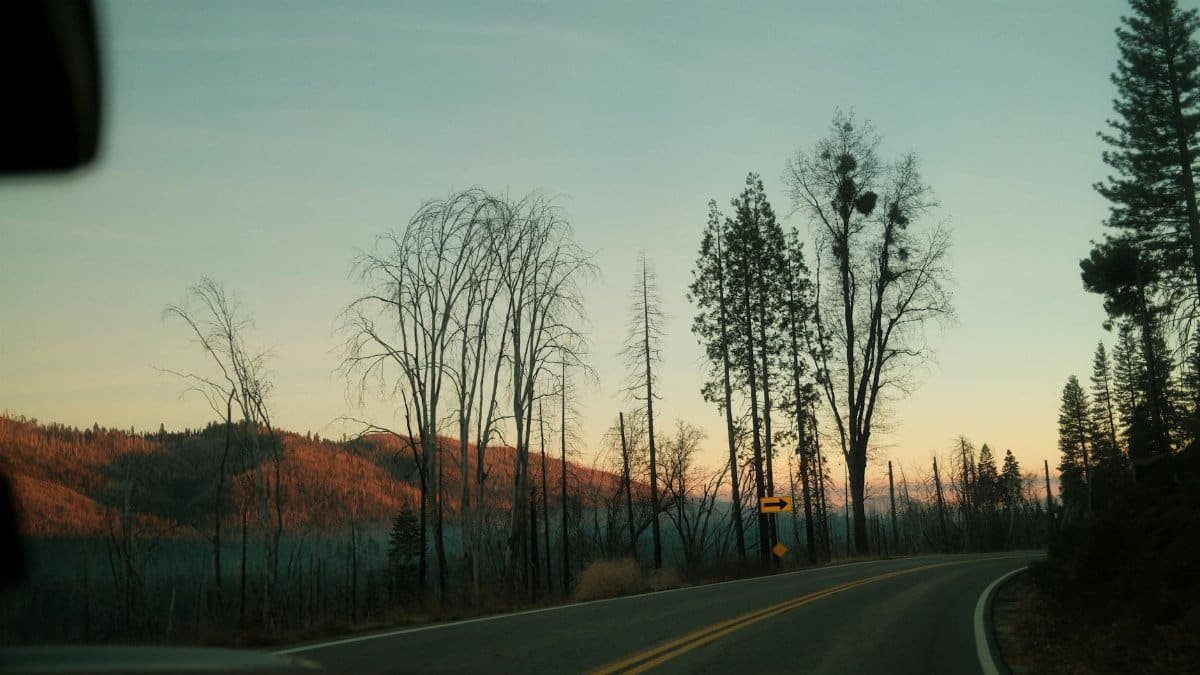
Step into the vast expanses of places like Yellowstone or the Grand Canyon, and the weight of daily performances starts to lift. Here, amid towering pines and sweeping vistas, there’s no audience to impress, no metrics to chase. Visitors often describe a profound shift: the ego’s grip loosens as the scale of nature dwarfs personal ambitions. A hiker once shared in an anonymous online reflection how trudging along a trail in Yosemite melted away her comparison fatigue—she stopped measuring her life against curated Instagram lives and just breathed in the pine-scented air.
This isn’t mere escapism; research supports it. A study from the University of California, Berkeley, found that time in natural settings reduces rumination and enhances emotional well-being. Participants exposed to awe-inspiring landscapes reported lower levels of stress hormones, making these parks ideal for combating performance pressure. In 2025, with urban burnout on the rise, national parks see record attendance, offering trails where one can wander without the need for validation. It’s a place where ego awareness emerges not as a burden but as a gentle reminder to observe thoughts without judgment.
Of course, not every visit is transformative. Crowds can sometimes intrude, turning serene spots into photo ops. Yet, venturing off the beaten path—say, a dawn hike—restores the solitude. Think of it as nature’s therapy session, free of charge.
2. Small Coastal Towns: Waves of Simplicity

Picture a foggy morning in a place like Cannon Beach, Oregon, where the ocean’s rhythm drowns out the noise of ambition. These understated locales, dotted along the U.S. coasts, embody a life less performative. Locals move at their own pace, unhurried by the hustle that defines bigger cities. One resident, in a public forum post, described ditching her corporate job for a quieter existence here, noting how the constant tide washed away her ego-driven comparisons to colleagues’ promotions.
Studies echo this sentiment. Research from the American Psychological Association highlights how proximity to water promotes mindfulness, reducing the mental fatigue from social benchmarking. In these towns, community interactions feel genuine—conversations at a local diner revolve around shared experiences, not status symbols. As 2025 brings more remote workers to such havens, the appeal grows; it’s a space where performance pressure evaporates, replaced by the simple joy of watching seabirds skim the waves.
Challenges exist, like seasonal tourism swells, but the off-season reveals the true magic: empty beaches inviting unscripted walks. Here, ego awareness becomes a tool for self-compassion, not self-critique.
3. Public Libraries: Shelves of Solitude

Amid the hushed stacks of a neighborhood library, the clamor of external judgments fades. These community anchors, from New York’s grand branches to modest Midwestern outposts, provide a sanctuary where reading or reflecting requires no applause. It’s a realm where one can lose hours to a novel without the fatigue of comparing chapters of one’s life to others’ successes.
Anecdotes abound: a middle-aged professional recounted slipping into a quiet corner of the Chicago Public Library during lunch breaks, finding respite from office politics. This aligns with findings from a Pew Research Center report on libraries as hubs for personal growth, with 76% of users citing them as places for quiet contemplation. In an era of digital overload, these spaces counteract comparison fatigue by fostering focused, ego-free immersion.
The beauty lies in their accessibility—no membership fees, just open doors. Yet, evolving roles mean some libraries now host events, blending solitude with connection. Still, the core remains: a book-lined refuge where performance pressure feels worlds away, encouraging a deeper ego awareness through introspection.
Sometimes, the real discovery is internal, sparked by a forgotten volume on a dusty shelf.
4. Meditation Retreats: Inner Silence Sanctuaries

What draws people to retreats like those in California’s Spirit Rock or New York’s Omega Institute? It’s the deliberate pause from life’s performative script. Participants arrive burdened by comparison fatigue, only to find structured silence that heightens ego awareness in transformative ways. One attendee whispered during a break how the absence of mirrors—literal and metaphorical—allowed her to confront her pressures without distraction.
Evidence from the National Institutes of Health underscores meditation’s benefits, showing reduced activity in brain regions linked to self-referential thinking. In 2025, with wellness tourism booming, these retreats offer programs tailored to midlife seekers, emphasizing presence over productivity.
Not all experiences are serene; discomfort arises as egos surface. But that’s the point—navigating it builds resilience. Retreats vary, from weekend getaways to intensive weeks, each peeling back layers of fatigue. They remind us that true relief comes from within, not external validation.
5. Home Gardens: Grounded Growth
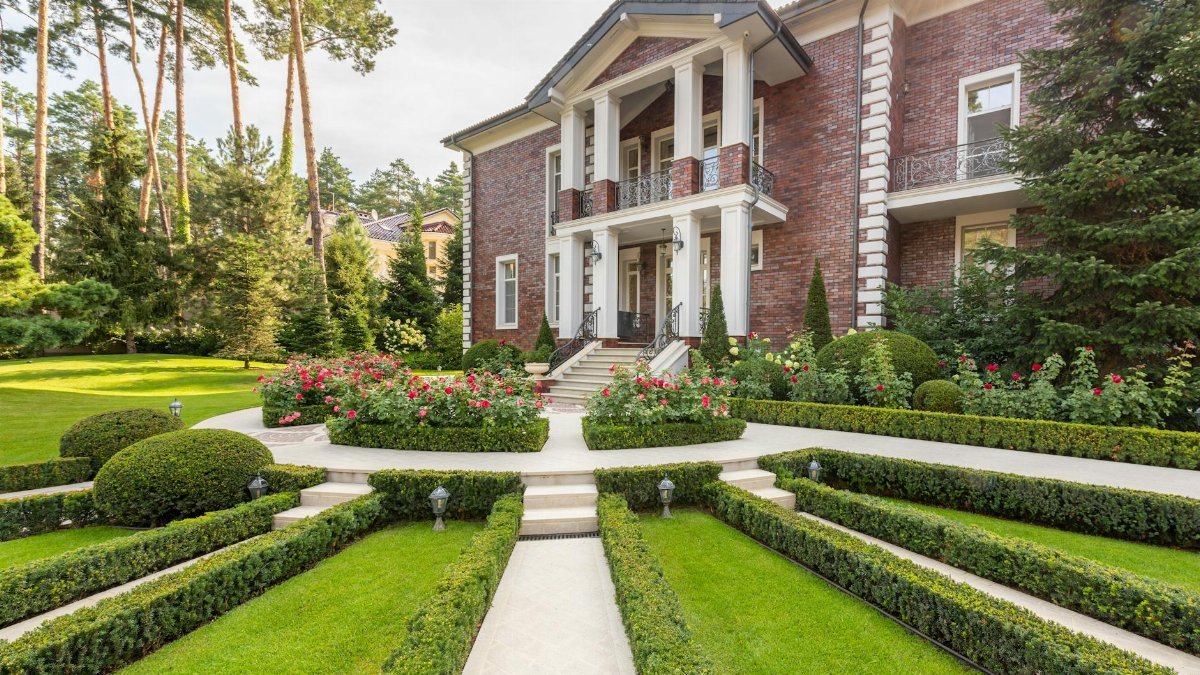
Turn to the backyard or a community plot, and suddenly, tending soil becomes a balm for the soul. In urban oases like Brooklyn’s community gardens or rural patches across the Midwest, planting seeds counters the ego’s demands. Here, growth is patient, not performative—tomatoes ripen on their timeline, indifferent to social metrics.
A gardener shared anonymously online how her plot helped alleviate performance pressure at work; watching weeds give way to blooms shifted her focus from comparisons to cultivation. This mirrors insights from a CDC overview on gardening’s mental health perks, including stress reduction and enhanced well-being.
As 2025 sees a surge in home sustainability, these spaces democratize healing. They’re intimate, allowing ego awareness to flourish through hands-in-dirt mindfulness. Pests and poor harvests teach humility, turning potential failures into lessons. It’s a living metaphor for letting go.
Even apartment dwellers adapt with windowsill herbs, proving scale doesn’t matter—intention does.
6. Art Studios: Creative Freedom Zones
Enter a communal art space in cities like Austin or Seattle, and the air hums with unjudged expression. Brushes stroke canvases without the shadow of comparison fatigue; it’s about process, not perfection. Artists here often speak of shedding ego layers, focusing on creation’s joy rather than acclaim.
Supporting this, a study in the Journal of Positive Psychology links creative activities to lower stress and greater self-awareness. One participant in a group session described how splattering paint freed her from workplace performance pressures, echoing broader trends in therapeutic arts.
In 2025, with hybrid work enabling more hobbies, these studios thrive as non-competitive havens. They foster community without rivalry, where ego awareness leads to authentic output. Imperfect pieces are celebrated, reminding us that art, like life, defies rigid measures.
Occasional critiques add depth, but the core is liberation through making.
7. Mountain Cabins: Elevated Detachment
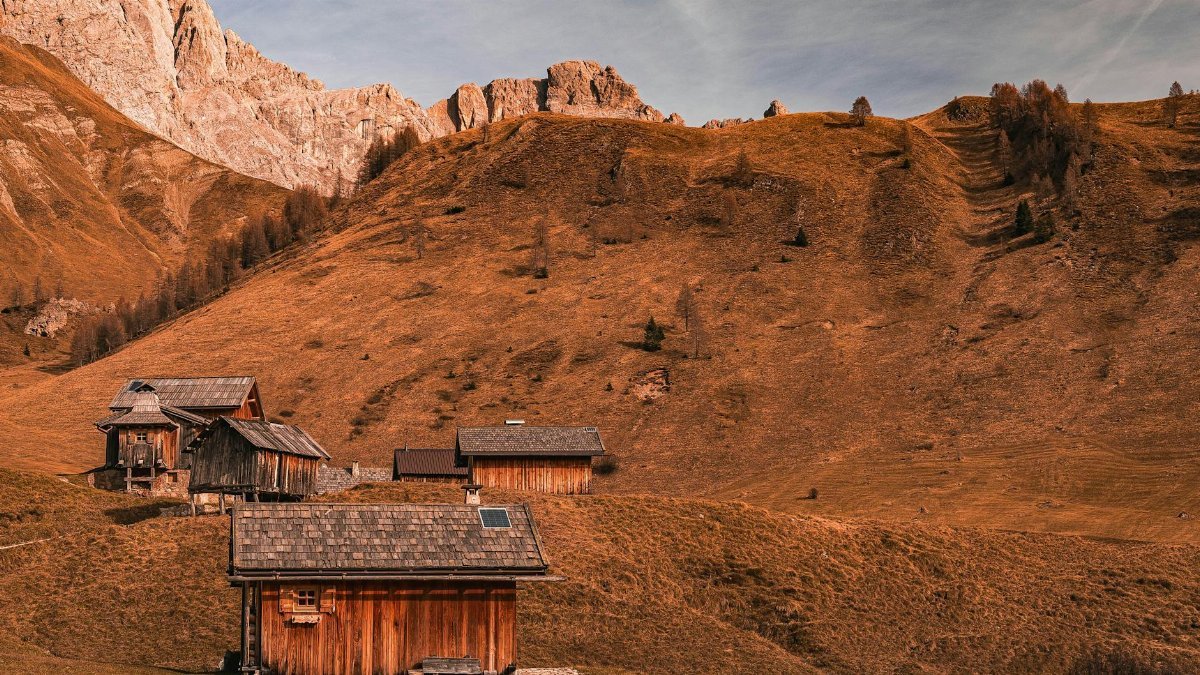
Perched in the Rockies or Appalachians, a simple cabin offers detachment from the performative grind. Isolation breeds clarity, where ego awareness sharpens amid crisp air and starlit skies. Renters frequently note how the lack of cell service silences comparison’s pull, allowing unfiltered reflection.
Research from the University of Utah confirms that high-altitude solitude boosts cognitive restoration, combating fatigue. As remote getaways gain popularity in 2025, these cabins serve as resets, blending nature with introspection.
Weather can challenge, yet it underscores impermanence. One visitor recalled a stormy night that mirrored her inner turmoil, leading to breakthroughs. It’s a space where performance pressure dissolves, replaced by the mountain’s timeless wisdom.
Ultimately, these locations aren’t just places—they’re portals to a less burdened existence, inviting us to embrace authenticity in a comparison-weary world.