
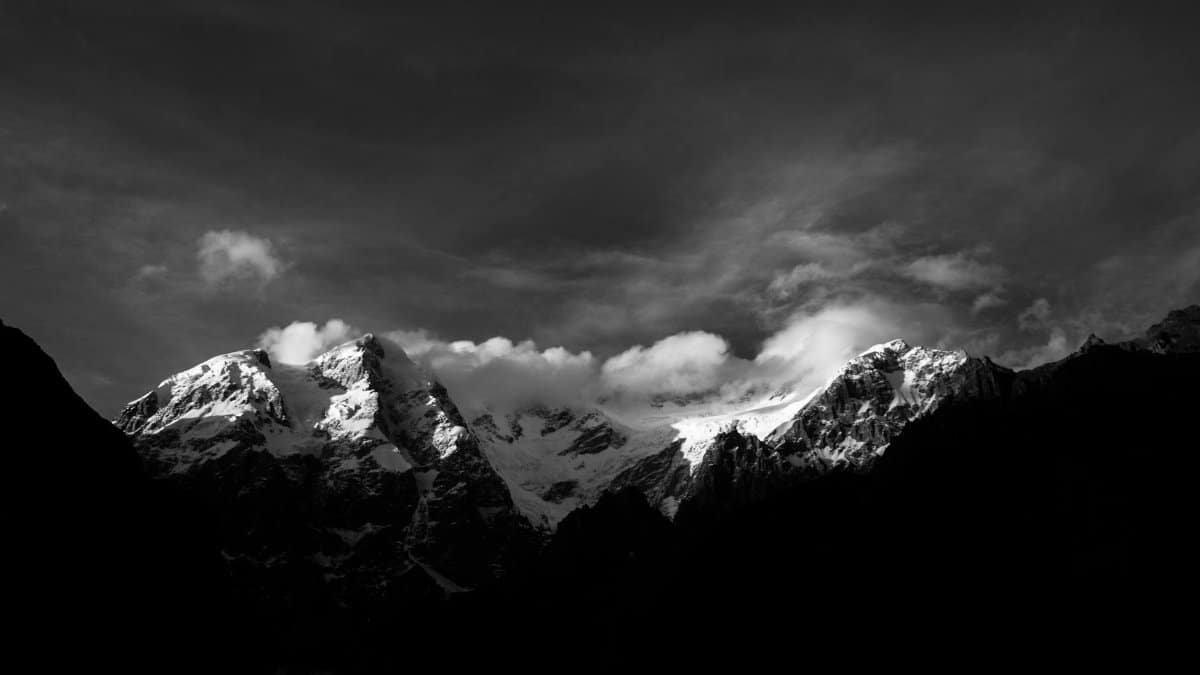
A recent study from the American Psychological Association revealed that 77% of workers experienced burnout symptoms in the past year, a figure that’s climbed steadily since the pandemic’s peak. This surge has prompted a quiet revolution in how Americans approach their lives. No longer content with the grind, many are seeking spaces that prioritize burnout recovery, life reset, and emotional safety over relentless ambition. From coastal hideaways to rural escapes, these destinations aren’t just vacations; they’re deliberate choices for healing. As emotional safety begins to matter more than achievement, people are redefining success on their own terms. This shift reflects broader trends in 2025, where mental well-being takes center stage amid ongoing economic pressures and digital overload.
1. Coastal Retreats for Gentle Reconnection

Imagine the steady crash of waves against a rocky shore, pulling away the layers of exhaustion built up over years in high-pressure jobs. Coastal areas like those along the Oregon coast draw burnout survivors seeking solace in the rhythm of the sea. Here, the focus shifts from deadlines to daily walks on the beach, where the salt air seems to cleanse more than just the lungs. One anonymous account shared publicly described arriving at a seaside cottage feeling utterly depleted, only to find that simple routines—watching sunsets, journaling by the water—rebuilt a sense of inner peace. This isn’t about luxury resorts; it’s modest rentals or even tent sites that allow for unhurried days. Research from the American Psychological Association highlights how nature immersion aids emotional recovery, reducing stress hormones by up to 20% after just a few days. For many, these spots become the starting point for a life reset, where emotional safety means listening to one’s own needs without apology.
Yet, not everyone finds immediate relief. Some arrive with lingering doubts, wondering if the change is too drastic. The key lies in small integrations: perhaps starting a meditation practice amid the dunes, gradually letting go of old habits. This approach fosters a deeper understanding of personal boundaries, turning the coast into a metaphor for fluid, adaptable living.
2. Mountain Cabins for Solitary Reflection
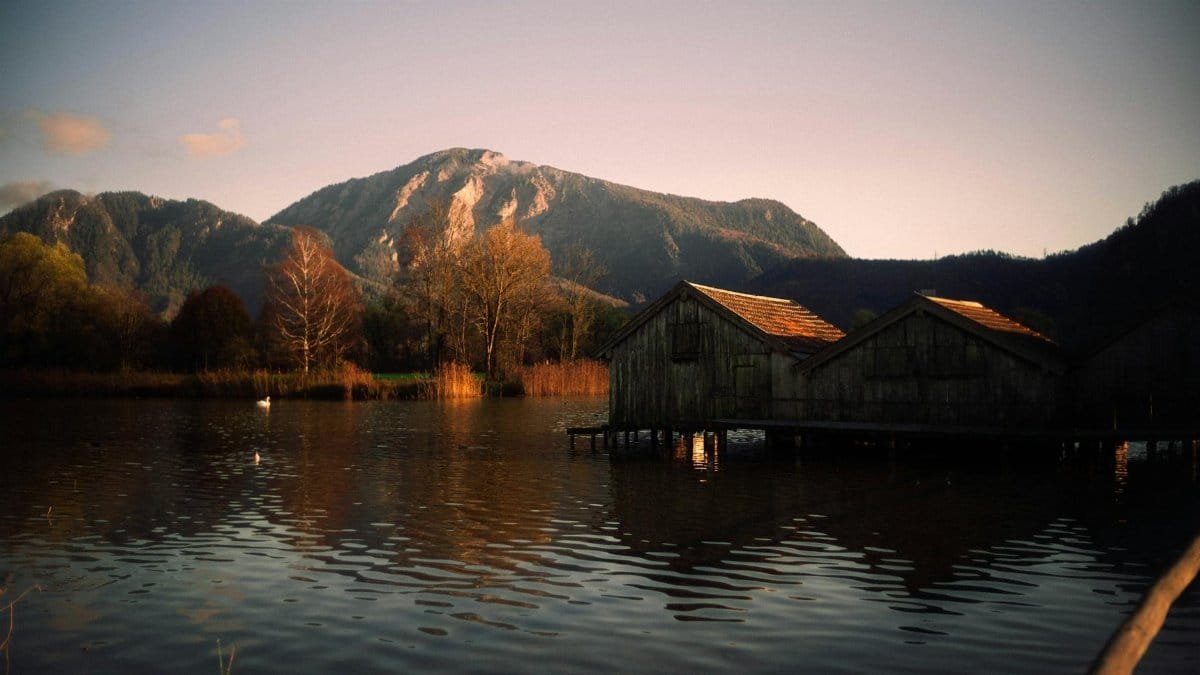
High in the Rockies, isolated cabins offer a stark contrast to the buzz of city life. People flock here after burnout, craving the silence that mountains provide. It’s not uncommon to hear stories of former executives trading boardrooms for log homes, where chopping wood becomes a meditative task. A brief snapshot: a woman in her forties, once chained to her laptop, now spends mornings hiking trails, feeling the crisp air sharpen her thoughts. This solitude isn’t lonely; it’s intentional, building emotional safety through self-reliance. According to a report by the U.S. Forest Service, time in forested mountains can lower anxiety levels significantly, promoting mental clarity essential for life resets.
Challenges arise, though, like the initial discomfort of disconnection from technology. Over time, this evolves into strength, as individuals confront unresolved emotions without distractions. The mountains teach resilience, showing that recovery often involves embracing discomfort before finding true rest.
3. Rural Towns for Community Integration
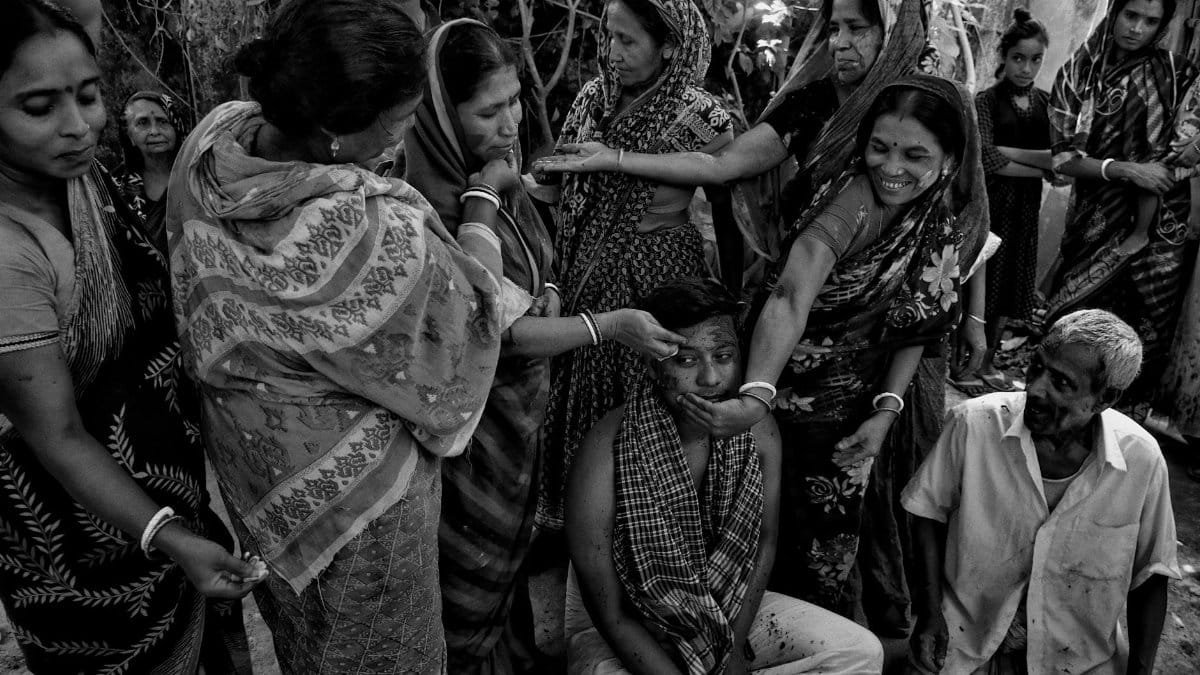
What draws someone to a small Midwestern town after years in a bustling metropolis? Often, it’s the promise of genuine connections that urban isolation erodes. In places like those dotting Iowa’s countryside, newcomers find neighbors who wave from porches and share homegrown produce. This sense of belonging is crucial for burnout recovery, life reset, and emotional safety, as it rebuilds trust in social bonds. Picture a retired teacher who, after a career of overload, moves to such a town and joins a local book club—suddenly, conversations flow without agendas. Data from Pew Research Center indicates that rural relocations have spiked 15% since 2020, driven by desires for simpler, safer lifestyles.
Integration isn’t always seamless; cultural adjustments can test patience. But through volunteer work or farmers’ markets, these towns weave newcomers into their fabric, offering a stable base for emotional healing.
4. Wellness Retreats for Structured Healing

Structured programs in places like California’s Esalen Institute provide a guided path out of burnout. Participants engage in yoga, therapy sessions, and group discussions, all designed to foster emotional safety. It’s less about escape and more about tools for a life reset—learning to set boundaries or practice mindfulness. One compelling quote from an attendee: “I came broken, but left with a blueprint for joy.” Studies from the National Institutes of Health support this, showing wellness retreats can decrease burnout symptoms by 30% through holistic interventions.
Critics argue these spots cater to the privileged, yet affordable options exist, like community-based centers. The real value lies in the community formed, where shared vulnerabilities create lasting support networks.
5. Urban Oases for Balanced Reentry
Not everyone flees the city; some rediscover pockets of calm within it. Think rooftop gardens in New York or quiet cafes in Chicago, where burnout recoverers craft micro-resets amid the chaos. These urban oases allow for a gradual life reset, maintaining career ties while prioritizing emotional safety through daily rituals like park bench reading. An observed moment: a young professional pauses her jog to breathe deeply by a fountain, symbolizing intentional pauses in a hurried world.
This choice highlights accessibility— no need for relocation. However, it demands discipline to avoid slipping back into old patterns. Success comes from redefining urban life, turning it into a space of renewal rather than drain.
6. International Escapes for Cultural Immersion
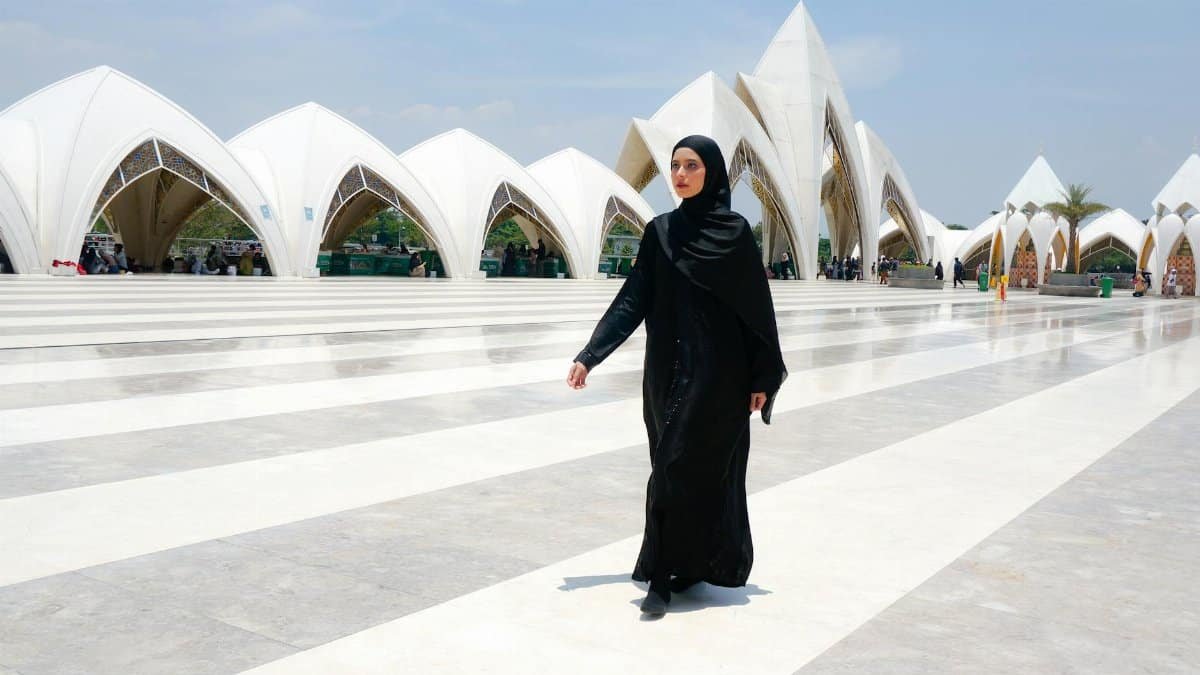
Bali’s rice terraces or Portugal’s coastal villages beckon those ready for a profound shift. After burnout, immersing in a new culture can jolt perspectives, emphasizing emotional safety through unfamiliar yet welcoming environments. Travelers often describe how local customs—slow meals, communal gatherings—teach presence over productivity. A snippet from an online discussion: someone shared how moving abroad post-burnout felt like shedding a heavy coat, revealing lighter ways of being.
Visa hurdles and culture shock pose risks, but they also build adaptability. In 2025, with remote work normalized, these escapes increasingly serve as semi-permanent resets, blending adventure with healing.
7. Home Redesigns for Personal Sanctuaries

Sometimes, the best place is right at home, transformed into a haven. People after burnout revamp living spaces—adding cozy nooks or decluttering—to cultivate emotional safety without leaving familiar grounds. This internal life reset might involve creating a meditation corner or planting a garden, turning the ordinary into restorative. Research underscores this: a study linked home environments to mental health, with personalized spaces reducing stress.
The process can unearth emotional baggage, like sorting through mementos. Yet, it empowers, proving recovery starts with small, personal changes.
8. Communal Living for Shared Support
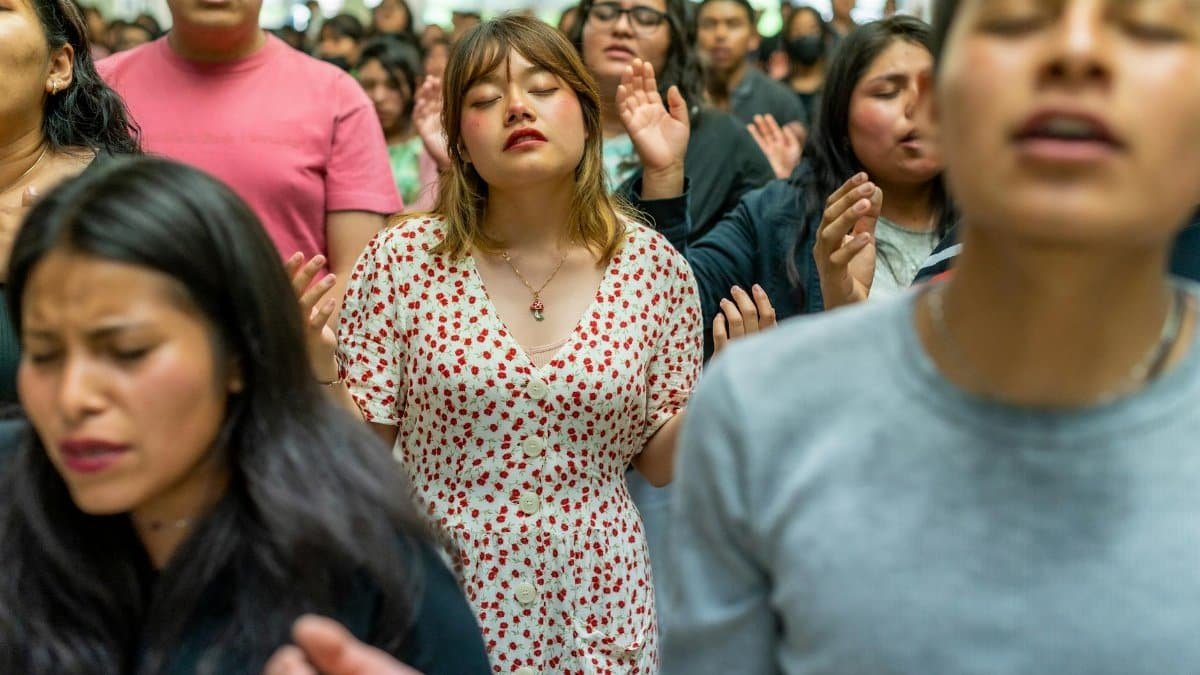
Co-housing communities in places like Vermont offer shared responsibilities and mutual aid, ideal for those rebuilding after burnout. Here, emotional safety thrives in collective care—group meals, shared chores—fostering a sense of belonging. Imagine neighbors checking in during tough days, turning isolation into connection.
Conflicts inevitably arise in close quarters, requiring communication skills. But for many, this setup provides the stability needed for a true reset, emphasizing interdependence over individualism.
9. Digital Nomad Hubs for Flexible Freedom

Spots like Chiang Mai or Medellín attract those blending work with wanderlust post-burnout. These hubs allow flexible schedules, prioritizing emotional safety through autonomy. Nomads report how location independence aids recovery, with cafes doubling as workspaces and beaches as breaks.
The lifestyle demands self-motivation to avoid new forms of burnout. In essence, it’s a modern reset, where freedom becomes the ultimate healer.