

A recent study from the American Psychological Association revealed that nearly 60% of U.S. adults reported experiencing symptoms of emotional exhaustion in the past year, up from 45% just five years ago. This surge highlights a growing need for intentional recovery spaces amid the relentless pace of modern life. As people navigate the healing phase, emotional exhaustion, recovery becomes not just a personal journey but a societal one, prompting many to seek out environments that foster restoration. In cities like Seattle and Austin, wellness trends are shifting toward accessible havens that promise solace without the hype. These spots aren’t always grand retreats; sometimes, they’re quiet corners that allow the mind to unwind. What stands out is how such places can transform burnout into renewal, offering practical paths forward in 2025’s demanding world.
1. Forest Trails and National Parks
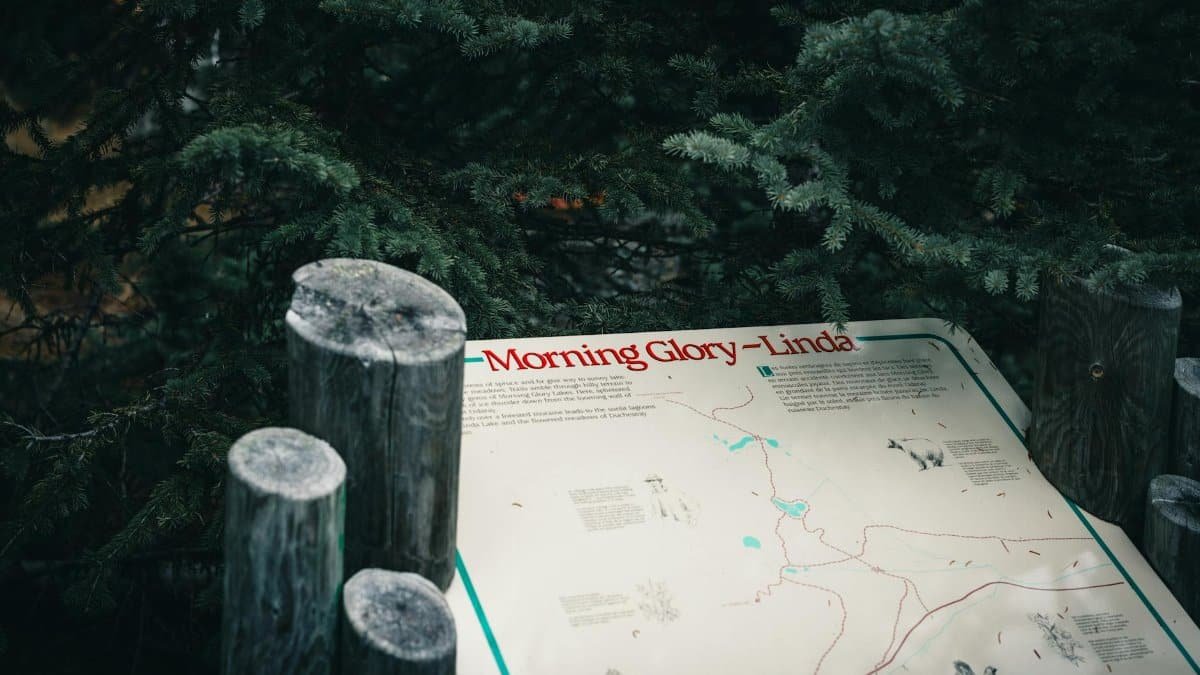
Stepping onto a shaded path in Yellowstone National Park, the crunch of leaves underfoot can feel like the first real breath after months of holding it in. For those deep in the healing phase, emotional exhaustion often leaves one craving silence, and forests deliver that in abundance. Research from the National Institutes of Health shows that time in nature reduces cortisol levels, the stress hormone that fuels burnout. One anonymous account shared online described wandering through redwood groves as “like shedding an old skin,” capturing how these trails invite introspection without pressure.
It’s not just about escaping; it’s about reconnecting. Active exploration here—hiking a moderate trail—engages the body gently, promoting endorphin release that aids recovery. In 2025, with urban sprawl intensifying, parks like these remain vital sanctuaries. Visitors often report clearer thoughts emerging amid the trees, turning a simple walk into a profound reset. Yet, accessibility varies; not everyone can reach remote spots, which underscores the need for local green spaces to mimic this effect.
Consider the layered benefits: birdsong interrupts rumination, fresh air invigorates sluggish energy. A study linked forest bathing to improved mood, supporting why these places top lists for exhaustion relief.NIH Study on Nature and Mental Health.
2. Coastal Beaches at Dawn
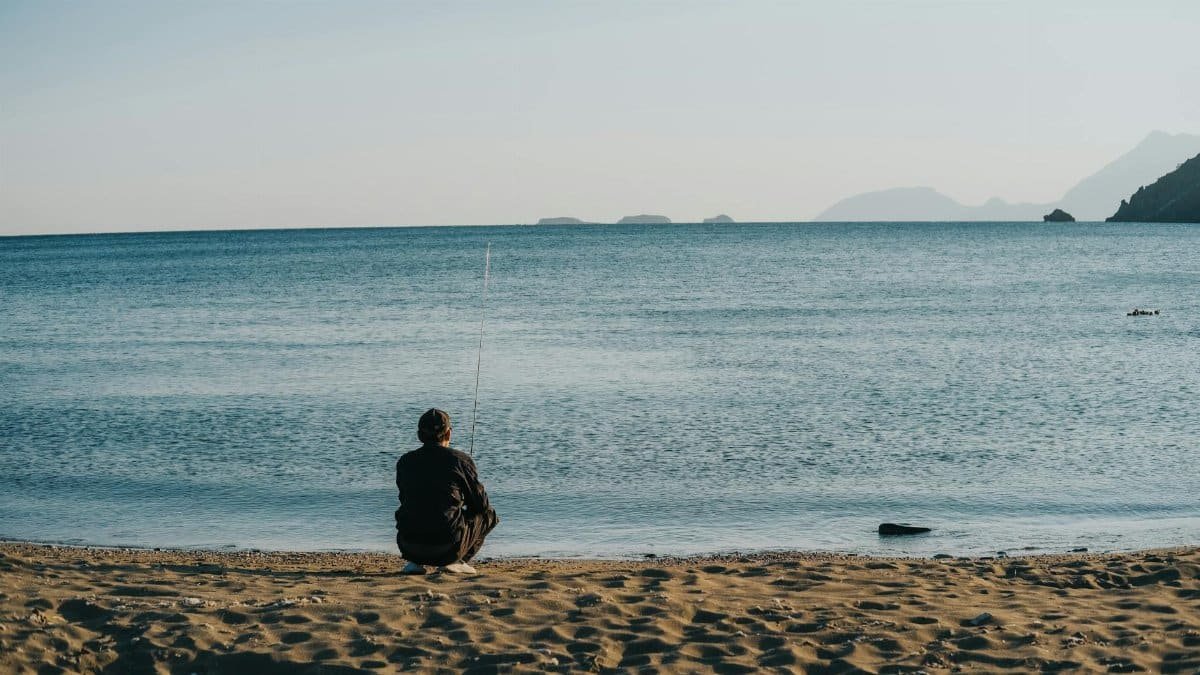
Imagine the ocean’s rhythm pulling away the weight of accumulated fatigue. Beaches, especially during early morning hours, offer a serene backdrop for those entering recovery from emotional drain. The vast horizon mirrors the expansive mindset needed to move past exhaustion, where waves symbolize the ebb and flow of healing phases.
In places like California’s Big Sur, the salt air and gentle surf create a natural therapy session. People arrive solo, journaling as the sun rises, finding solace in the impermanence of tides. This isn’t passive lounging; it’s an active surrender, where walking barefoot grounds scattered emotions. A Pew Research survey noted that coastal visits correlate with higher life satisfaction among stressed adults, pointing to tangible mental boosts.
One might spot a jogger pausing to breathe deeply, embodying the shift from depletion to replenishment. Challenges arise with crowds later in the day, but dawn’s quietude preserves the magic. In 2025, as climate concerns grow, preserving these shores becomes crucial for collective well-being.Pew Research on Americans and Nature.
3. Quiet Libraries and Reading Nooks

Amid shelves lined with stories, emotional exhaustion finds a subtle antidote in the hush of a public library. These spaces invite curling up with a book, allowing the mind to wander without demands, a key step in the recovery process.
Take the New York Public Library’s reading rooms, where soft lighting and whispered pages foster focus and calm. Readers often describe it as a mental palate cleanser, washing away the residue of overwork. Integrating this into daily routines—perhaps an hour of fiction—builds resilience, as supported by findings from Harvard’s health studies on reading’s stress-reducing effects.
Yet, not all libraries are equal; urban ones buzz with activity, while rural branches offer deeper seclusion. A brief anecdote: someone flipping through poetry volumes, tears welling as words resonate with their fatigue. This emotional release propels healing. In an era of digital overload, these analog havens stand out.Harvard Health on Reading for Stress Relief.
4. Wellness Spas and Retreat Centers

Steam rises from a herbal bath, enveloping the senses in a cocoon of care. Spas dedicated to holistic recovery provide structured environments for tackling the healing phase, emotional exhaustion head-on, with treatments like massages that release pent-up tension.
Centers in Sedona, Arizona, blend ancient practices with modern amenities, drawing those burned out from corporate life. Participants engage in guided meditations, emerging refreshed. The CDC reports that such self-care practices lower anxiety rates, validating their role in recovery.
It’s a mix of indulgence and necessity; one visitor might recount how a sound bath session unlocked buried grief, paving the way for renewal. Costs can barrier access, yet community spas offer affordable alternatives. As 2025 sees rising wellness tourism, these spots evolve to meet diverse needs.CDC on Stress Coping Strategies.
5. Community Gardens and Urban Farms
Hands in soil, planting seeds that mirror personal growth—this is the draw of community gardens for those recovering from emotional weariness. These plots turn idle energy into productive calm, fostering a sense of accomplishment amid the healing phase.
In Detroit’s urban farms, volunteers weed and harvest, building connections that combat isolation. The act of nurturing plants parallels self-nurturing, with studies from the USDA showing gardening’s mental health perks, like reduced depression symptoms.
A gardener pauses, wiping sweat, and shares how tending crops healed their burnout. It’s tactile therapy, grounding abstract exhaustion in real dirt. Urban expansion threatens these spaces, but initiatives preserve them. In 2025, they’re hubs for sustainable recovery.
6. Yoga Studios and Meditation Halls

Breath synchronizes with movement in a dimly lit studio, where yoga poses unravel the knots of exhaustion. These halls emphasize mindfulness, essential for navigating recovery’s ups and downs.
Studios in San Francisco host classes tailored for stress relief, helping participants rebuild emotional stamina. NIH research links yoga to better sleep and mood, crucial for healing.
One practitioner describes child’s pose as a “reset button,” highlighting vulnerability’s power. Accessibility improves with online options, though in-person energy amplifies benefits. Tensions exist between commercialization and authenticity, yet the core remains restorative.
7. Home Sanctuaries and Personal Altars

Transforming a corner of one’s living room into a personal retreat underscores that healing often starts at home. Amid emotional exhaustion, creating a dedicated space for reflection aids consistent recovery.
In suburban homes across the Midwest, people arrange cushions and candles, carving out zones for journaling or quiet tea. This DIY approach empowers, as per psychological insights from APA on environmental influences on well-being.
It’s intimate: lighting incense, sinking into pillows, letting thoughts flow. Online forums echo this, with one account noting how a home altar “anchored my scattered mind.” In 2025’s remote work era, these become indispensable.
8. Mountain Cabins and Remote Getaways
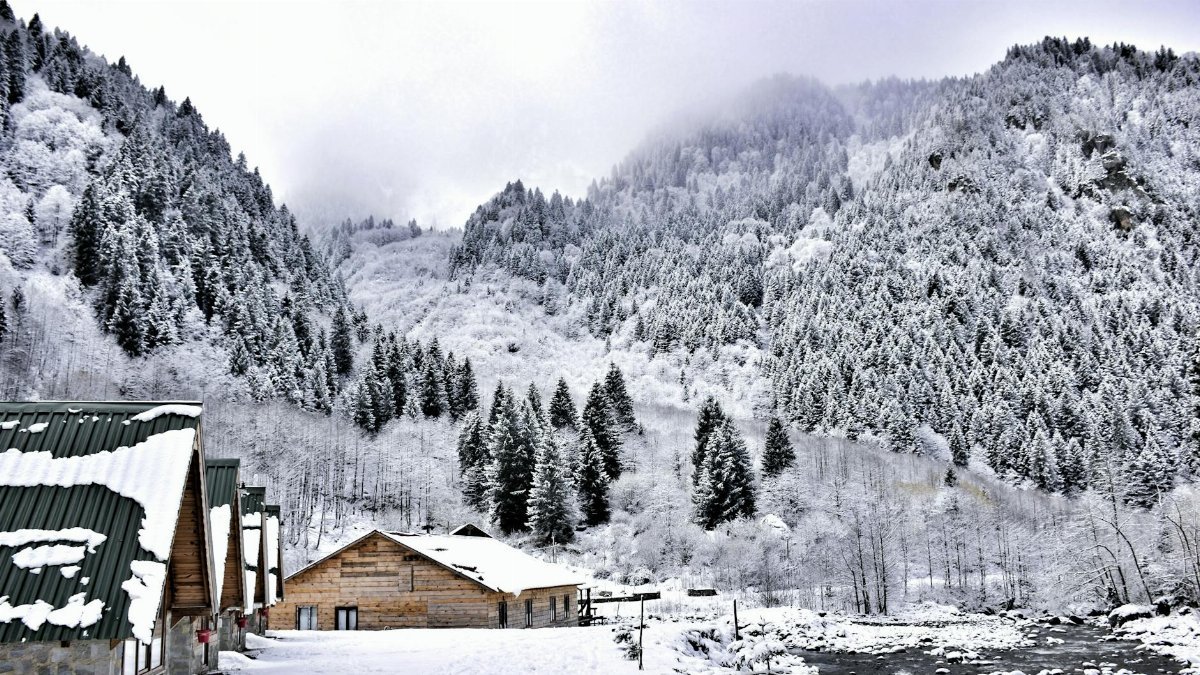
Elevation brings perspective, literally and figuratively, in secluded mountain cabins where solitude accelerates the healing phase. Away from signals, one confronts exhaustion without distractions.
Colorado’s Rockies host such escapes, where hiking or stargazing reignites inner spark. Forest Service data supports solitude’s role in mental recharge.
A renter might hike at dusk, feeling burdens lift with each step. Challenges include isolation’s double edge, but for many, it’s transformative. As travel rebounds, these spots gain popularity for recovery.
9. Art Studios and Creative Workshops

Brushstrokes on canvas channel pent-up emotions, turning exhaustion into expression in art studios. These workshops encourage creative flow, a vital outlet during recovery.
In Brooklyn collectives, classes in painting or pottery draw the weary, fostering community and catharsis. Studies from Johns Hopkins link arts to emotional resilience.
One participant molds clay, describing it as “shaping my chaos into something beautiful.” It’s active healing, blending fun with depth. In 2025, accessible programs expand, making creativity a cornerstone of renewal.Johns Hopkins on the Healing Power of Art.