

In a nation where hustle culture has long reigned supreme, a quiet revolution is underway. A recent study from the American Psychological Association revealed that over 77% of U.S. workers reported experiencing burnout in the past year, a sharp rise from pre-pandemic levels. This surge has prompted many to seek paths toward burnout recovery, life reset, and emotional safety. No longer content with grinding through exhaustion, people are turning to new environments that promise healing and renewal. These aren’t just vacations; they’re deliberate choices to rebuild inner peace. As we step into 2025, this shift reflects a broader cultural pivot, where emotional well-being trumps relentless achievement. But where exactly are these weary souls heading? From serene natural havens to unexpected urban oases, the destinations reveal a deep yearning for spaces that nurture the spirit.
1. Coastal Retreats for Gentle Reconnection

Imagine the rhythmic crash of waves pulling you from the fog of overwork. For many Americans grappling with burnout, coastal areas like the rugged shores of Maine or the sun-kissed beaches of California become sanctuaries. These places offer more than scenic views; they provide a canvas for burnout recovery, life reset, and emotional safety. One anonymous account shared publicly online described arriving at a seaside cottage after years in a high-stress corporate job, feeling the salt air dissolve layers of tension almost instantly. “It was like the ocean washed away the noise,” the person reflected, highlighting a common theme in such stories.
Research backs this up. A study published in the Journal of Environmental Psychology found that proximity to water can significantly reduce stress hormones. People flock here to walk barefoot on sand, journal by the tide pools, or simply sit and breathe. It’s not about escaping problems entirely but creating space to process them. In these retreats, routines slow down. Mornings might involve yoga at dawn, afternoons dedicated to reading forgotten novels. The key lies in the environment’s inherent calm, fostering a sense of security that urban life often erodes. Yet, not everyone finds immediate peace; some wrestle with the silence at first, confronting emotions long suppressed. This tension underscores the recovery process, turning a simple getaway into a profound life reset.
Transitions to such spots aren’t always smooth. Financial barriers can loom large, but community programs in places like Oregon’s coast offer affordable retreats focused on mindfulness. As trends evolve in 2025, more resorts are incorporating therapy sessions, blending leisure with structured healing. It’s a reminder that emotional safety isn’t a luxury; it’s essential for rebuilding.
2. Mountain Havens for Solitary Reflection
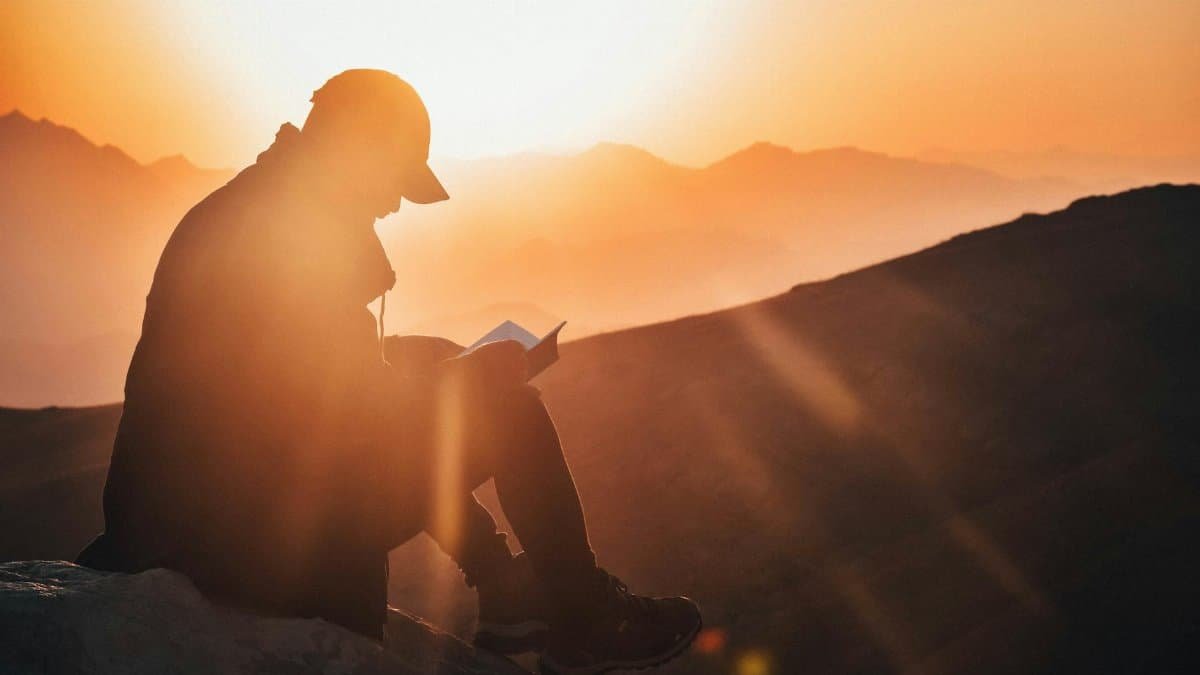
What draws the burnout-weary to elevations where the air thins and perspectives widen? Mountains, from the Rockies in Colorado to the Appalachians in North Carolina, serve as magnets for those seeking solitude. Here, the isolation isn’t lonely; it’s liberating. A hiker once recounted to a group of friends how summiting a peak after a career meltdown felt like shedding an old skin, a vivid metaphor for the life reset many crave.
Studies support the restorative power of high-altitude escapes. According to research from the University of Utah, time in natural mountainous settings can enhance cognitive function and emotional resilience. Participants in one program reported lower anxiety levels after just a week of guided treks. These havens encourage activities like forest bathing or silent meditation, where the only sounds are wind through pines or distant bird calls. It’s a far cry from the constant pings of office life.
But mountains demand respect. Weather can turn quickly, mirroring the unpredictability of inner turmoil. One middle-aged professional, anonymized in shared tales, described getting caught in a sudden storm as a turning point, forcing her to confront vulnerabilities head-on. This blend of challenge and tranquility builds emotional safety over time. In 2025, eco-lodges are popping up, offering sustainable stays that align with a growing eco-conscious mindset. The appeal lies in the scale: problems shrink against vast landscapes, inviting a reevaluation of priorities.
Shifting gears, some opt for group retreats in these areas, finding community amid the peaks. It’s a delicate balance, weaving connection into solitude for comprehensive burnout recovery.
3. Rural Farms for Grounded Renewal
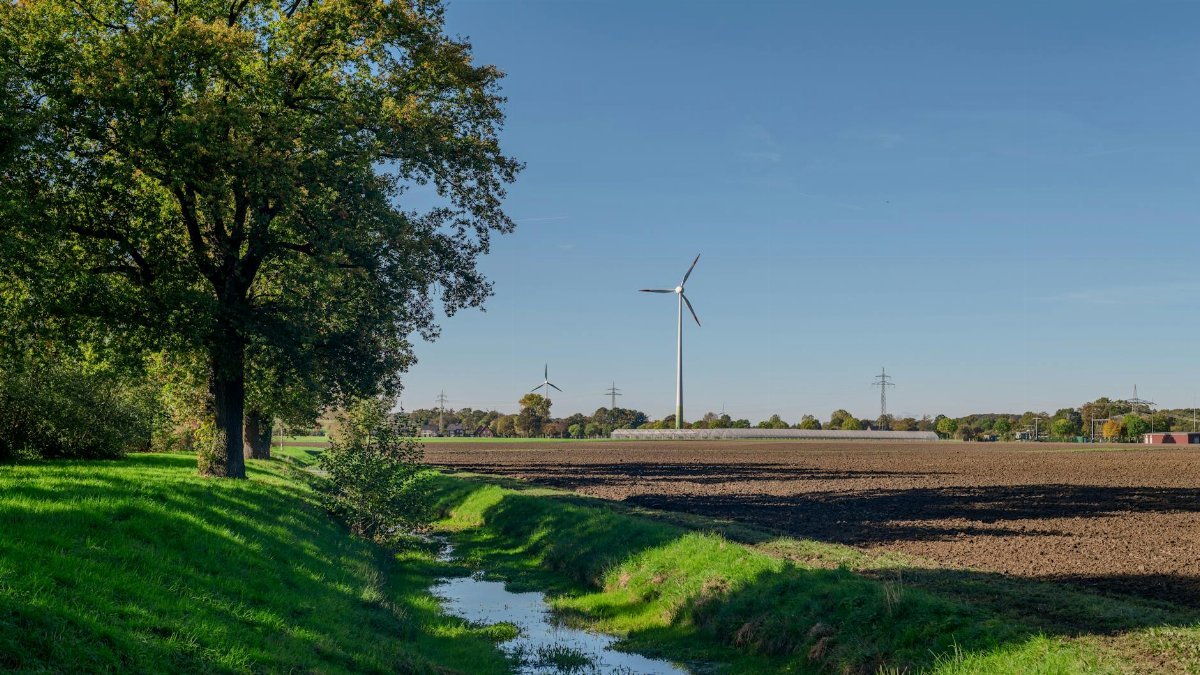
Dirt under fingernails, the scent of fresh earth, a rooster’s crow at sunrise. Rural farms across the Midwest and South are emerging as unlikely refuges for those burned out by city demands. Think of Wisconsin dairy operations or Virginia homesteads where people trade spreadsheets for soil. This isn’t romanticized escapism; it’s hands-on therapy, rooted in burnout recovery, life reset, and emotional safety.
A report from the USDA highlights how agritourism has boomed, with farm stays increasing by 20% in recent years as people seek authentic, slower-paced experiences. Guests participate in chores, harvest vegetables, or tend animals, activities that ground them in the present. One illustrative snippet comes from a public forum where someone detailed their month on a family farm: “Feeding chickens became my meditation; it pulled me out of my head and into my body.” Such narratives reveal how physical labor fosters a sense of accomplishment without the corporate pressure.
Of course, farm life brings its own rigors. Blisters and early mornings test resolve, but that’s part of the appeal, building resilience. Experts from the American Psychological Association note that engaging with nature in this way can rewire stress responses. In these settings, emotional safety emerges from routine and community bonds, like shared meals from the garden. As 2025 unfolds, more farms are partnering with wellness experts, offering programs tailored to mental health recovery.
Interestingly, not all arrivals are permanent. Many use these stints as trial runs, testing if a full life reset suits them before committing.
4. Urban Sanctuaries for Balanced Integration
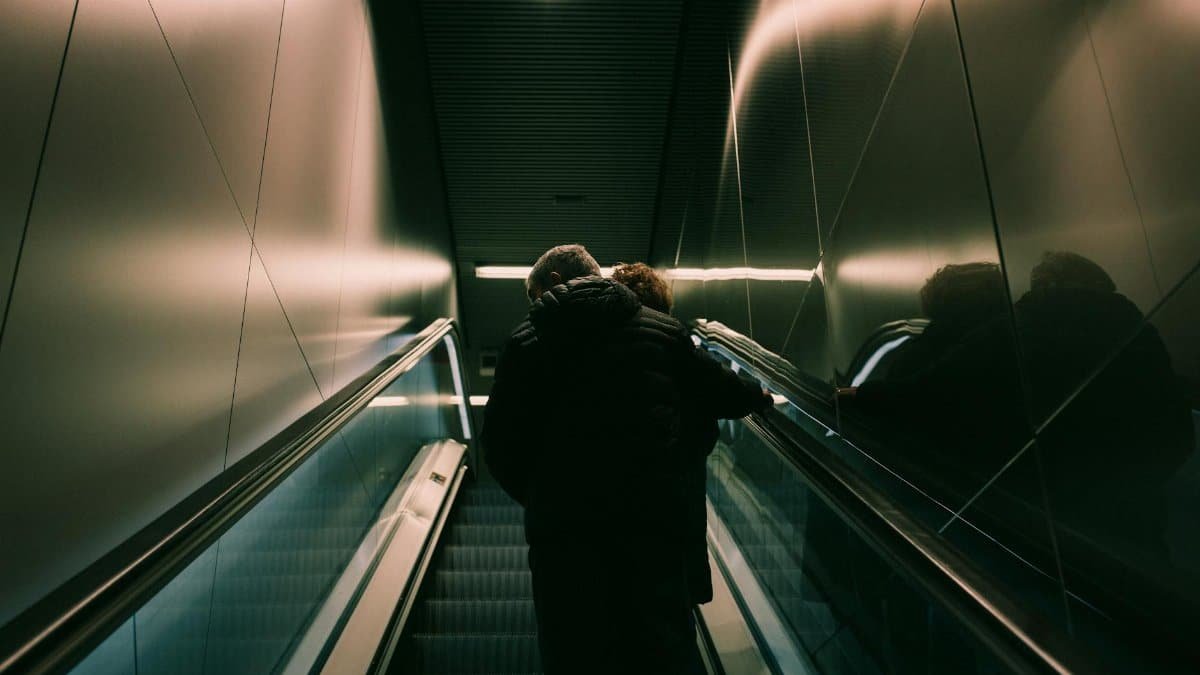
Who says recovery requires fleeing the city? Urban sanctuaries, from New York City’s hidden gardens to Seattle’s community centers, prove that healing can happen amid the buzz. These spots redefine burnout recovery by blending familiarity with intentional calm, allowing a life reset without total upheaval.
Start with a specific observation: in Chicago’s Millennium Park, groups gather for free tai chi sessions, their movements a quiet rebellion against the surrounding skyscrapers. Data from the Centers for Disease Control and Prevention shows urban green spaces correlate with reduced burnout symptoms. People choose co-working spaces turned wellness hubs or rooftop yoga classes, integrating recovery into daily life.
Variety defines these choices. Some dive into art therapy workshops, others join book clubs focused on self-care. A brief anecdote: a former executive described discovering a quiet library nook as her “emotional anchor,” a place where vulnerability felt safe. This contrasts with rural escapes, highlighting urban recovery’s accessibility. Yet, noise and crowds can intrude, creating hurdles that demand adaptive strategies like noise-cancelling routines.
Looking at 2025 trends, cities are investing in more such spaces, per reports from Pew Research Center. It’s about crafting pockets of peace, ensuring emotional safety in the heart of chaos.
5. International Escapes for Cultural Rebirth

Beyond U.S. borders, international destinations beckon with promises of profound shifts. Places like Bali’s spiritual retreats or New Zealand’s vast wilderness draw those ready for a deeper dive into burnout recovery, life reset, and emotional safety. Why venture so far? Distance amplifies perspective, as one traveler put it, “Crossing oceans mirrored crossing internal barriers.”
Evidence from a global wellness study by the National Institutes of Health indicates that cultural immersion can accelerate emotional healing. In Thailand’s mindfulness temples or Costa Rica’s eco-villages, participants engage in practices like meditation retreats or volunteer work, fostering renewal.
Challenges abound, from culture shock to logistics, but these forge growth. An anonymized story shared online recounted a burnout survivor finding solace in a Japanese onsen, where hot springs symbolized letting go. Such experiences build emotional safety through novel connections and self-discovery.
As we navigate 2025, affordable travel options are making these escapes more attainable, per tourism data. They represent not just a place, but a mindset shift, where recovery transcends geography.
These five places illustrate a common thread: the pursuit of environments that honor inner needs. In a world that often prioritizes output over well-being, choosing such spots is an act of quiet defiance, paving the way for sustainable healing.