

In a surprising twist, a recent survey by the Pew Research Center found that 42% of Americans who underwent significant life upheavals in the past five years relocated to prioritize mental health over career advancement, up from just 28% a decade ago. This shift underscores a growing recognition that major transitions, life change, and adaptation often demand spaces conducive to healing rather than hustle. As economic pressures mount and personal crises like job loss or divorce reshape lives, more individuals are seeking environments that foster reflection and renewal. These choices reflect a broader cultural pivot toward wellbeing, where the allure of ambitious urban centers gives way to quieter havens that promise stability and self-discovery. What draws people to these specific spots during turbulent times? The answers reveal patterns of human resilience.
1. Coastal Retreats for Solace

People navigating divorce or bereavement often gravitate toward coastal towns, where the rhythmic crash of waves offers a natural balm. Take Sarah, a former executive who left Chicago after her marriage ended. She settled in a small Maine village, trading boardroom stress for daily walks along rocky shores. This move isn’t just about scenery; it’s a deliberate step in adaptation, allowing space to process emotions without the city’s relentless pace. Research from the National Institutes of Health highlights how proximity to water can reduce anxiety levels, supporting mental recovery during upheaval.National Institute of Mental Health on Anxiety. In these settings, individuals rebuild routines around simple joys, like collecting seashells or joining local book clubs, emphasizing healing over haste.
Yet, not every coastal choice is serene. Some face logistical hurdles, such as higher living costs in popular spots. Still, the draw persists, rooted in the ocean’s metaphorical power to wash away old pains.
2. Mountain Cabins for Reflection
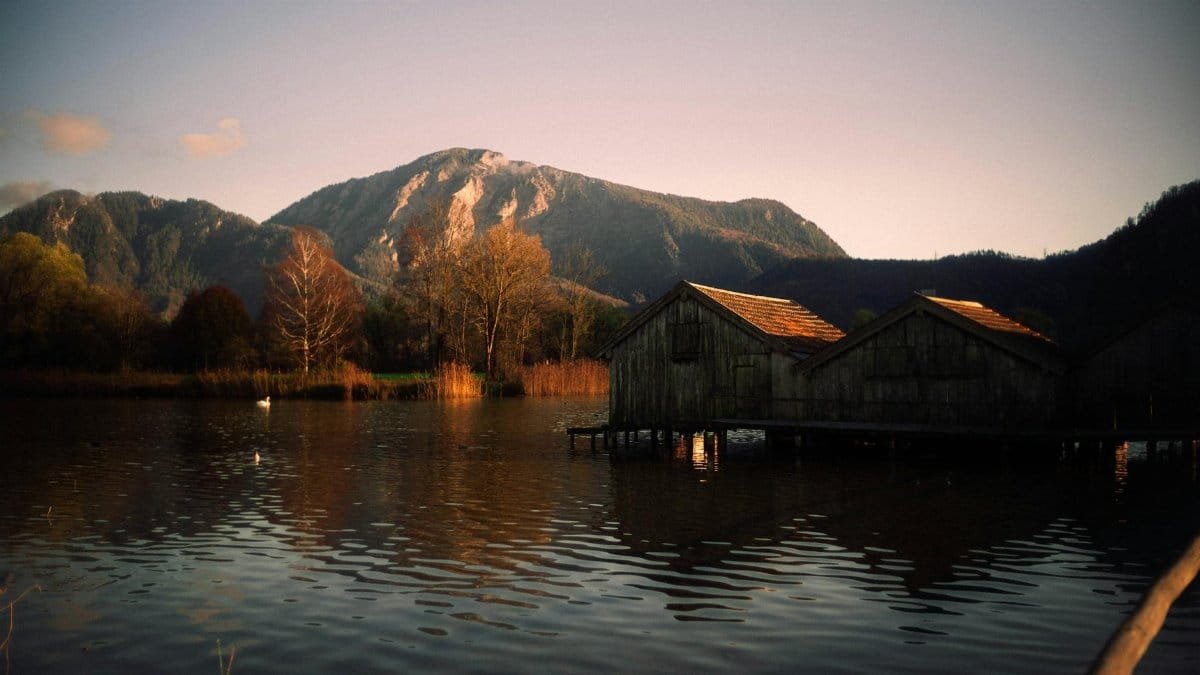
High in the Rockies or Appalachians, cabins become sanctuaries for those burned out from corporate climbs. Imagine a software engineer, mid forties, who quits after a health scare and heads to Colorado’s peaks. There, amid pine scented air and hiking trails, he confronts what truly matters. Such relocations tie directly to major transitions, life change, adaptation by providing isolation that encourages introspection. A study from the University of Utah shows nature immersion boosts cognitive function and emotional resilience.University of Utah on Nature and Mental Health.
The quiet forces a reckoning, but it also builds community through shared outdoor pursuits. One anonymous online account described the shift as “trading notifications for sunrises,” capturing the profound reset these elevations offer.
Challenges arise, like harsh winters, yet the payoff in personal growth often outweighs them.
3. Rural Farms for Grounding
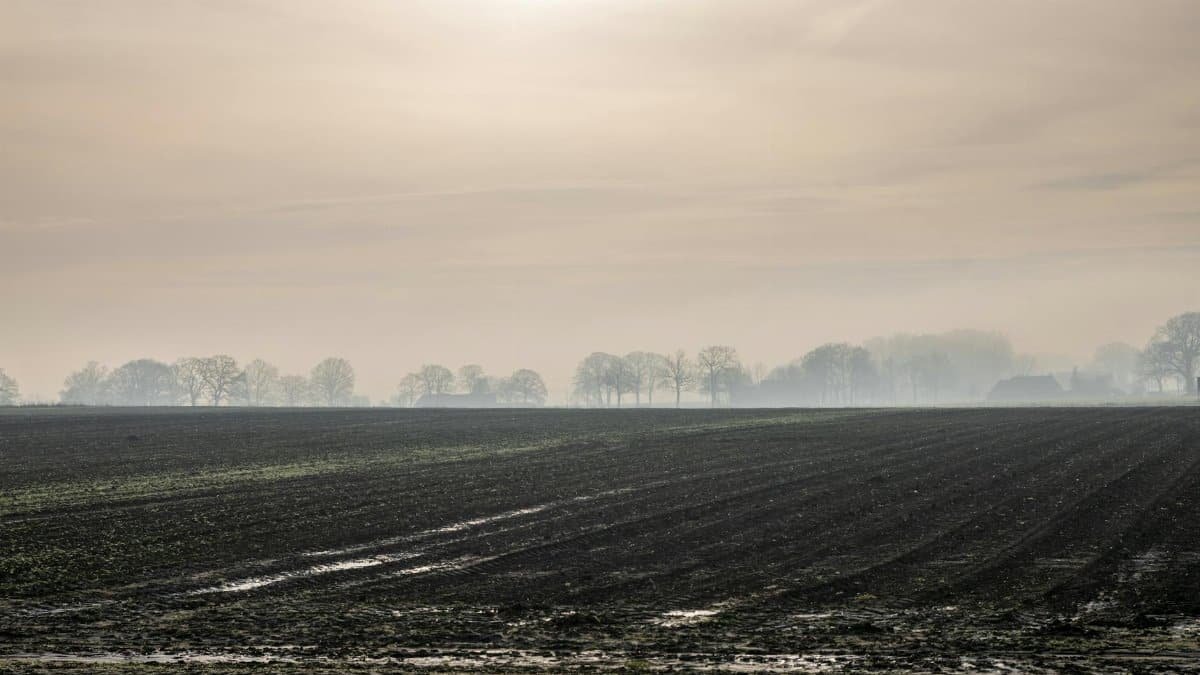
Amid fields and barns, many rediscover purpose after urban disillusionment. A teacher from New York, reeling from pandemic induced burnout, buys a modest farm in Vermont. Mornings now involve tending chickens, a far cry from crowded subways. This embodies adaptation by reconnecting with hands on labor, fostering a sense of control during chaos. The CDC reports that rural living correlates with lower stress indicators, aiding recovery.CDC on Rural Health.
Conversations with neighbors over fresh produce weave new social fabrics, replacing lost networks. It’s not always idyllic; isolation can sting, but the rhythm of seasons teaches patience and renewal.
4. Urban Downsizes for Simplicity
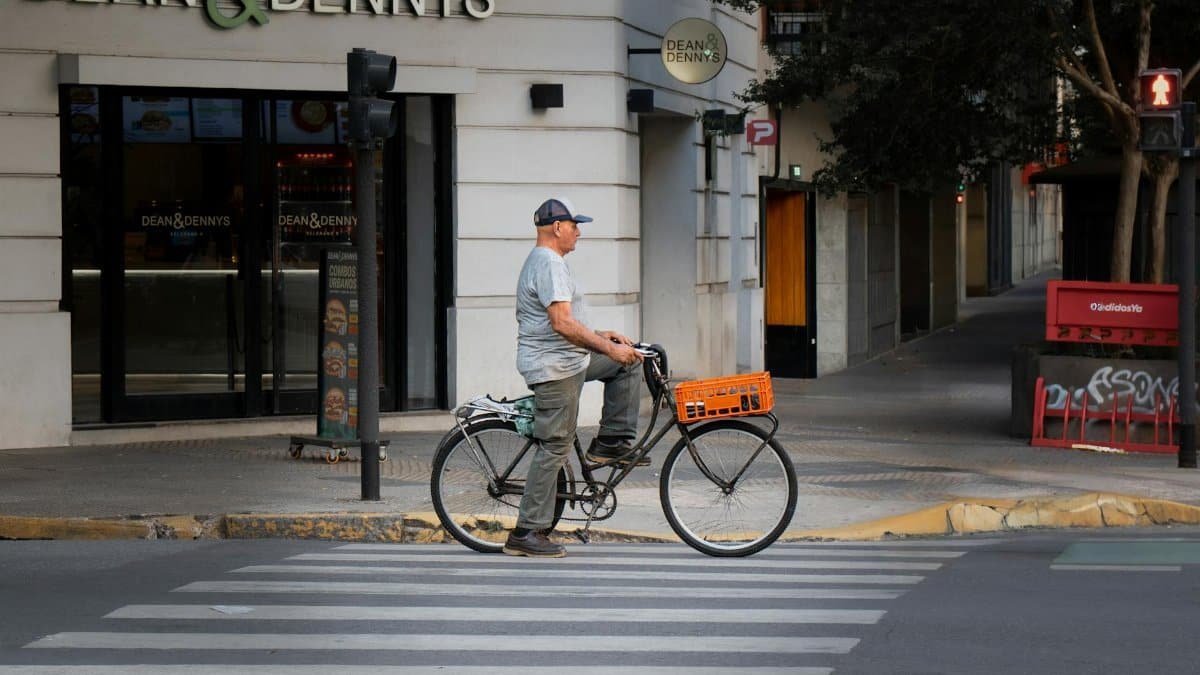
Surprisingly, some opt for smaller city apartments to streamline life post transition. After a layoff, a marketing professional swaps a sprawling house for a compact Brooklyn studio, shedding possessions that no longer serve. This choice highlights major transitions, life change, adaptation through intentional minimalism, focusing energy on inner growth rather than maintenance. Urban Institute data suggests such moves enhance financial flexibility and wellbeing.Urban Institute on Housing and Wellbeing.
The buzz of city life provides distractions when needed, yet the pared down space encourages mindfulness practices. One might start journaling in a cozy nook, turning solitude into strength.
Of course, noise and cost remain factors, but the empowerment from reclaiming control is undeniable.
5. Expat Havens Abroad for Reinvention

Venturing overseas, like to Portugal’s Algarve or Mexico’s Yucatan, appeals to those seeking total reinvention after retirement or loss. A widow in her fifties relocates to Lisbon, immersing in vibrant markets and language classes. This bold step facilitates adaptation by breaking old patterns, embracing cultural novelty. Pew Research notes a surge in American expats prioritizing quality of life.Pew Research on Americans Abroad.
New friendships form over shared meals, easing the ache of change. Yet, bureaucracy and homesickness test resolve, making the journey a true test of resilience.
6. Family Homelands for Roots
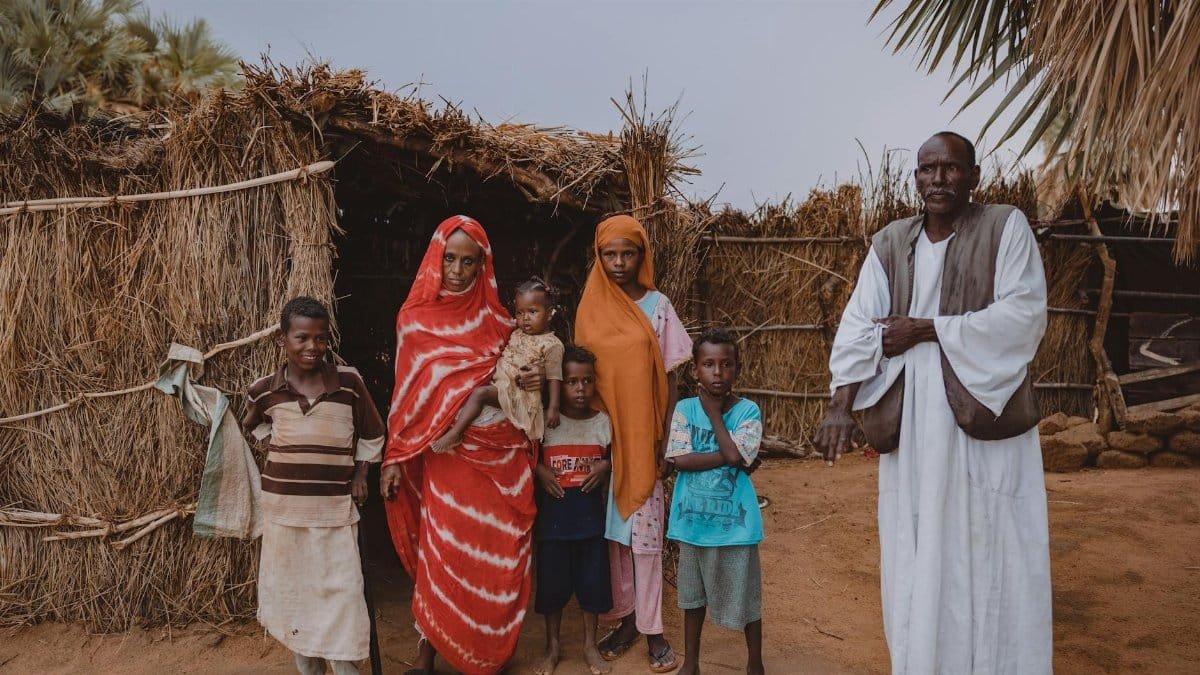
Returning to childhood towns offers comfort during upheaval. A veteran, post deployment, moves back to his Iowa roots, surrounded by familiar faces and landmarks. This anchors major transitions, life change, adaptation in heritage, providing stability amid flux. Studies from Harvard indicate strong family ties buffer against depression.Harvard on Family Ties and Mental Health.
Old porches host heartfelt talks, rebuilding bonds. The slower pace allows for healing, though small town limitations can frustrate ambitions.
Still, the sense of belonging proves invaluable.
7. Eco-Communities for Sustainability

In intentional villages like those in Oregon, people flock after environmental awakenings or career shifts. A climate activist leaves tech for a solar powered commune, planting gardens and attending group meditations. This aligns with adaptation by harmonizing personal change with planetary care. Research from Yale underscores community living’s mental health benefits.Yale on Community Living.
Shared responsibilities foster connection, but ideological clashes arise. The commitment to eco principles, however, sustains long term wellbeing.
8. Spiritual Centers for Inner Peace

Ashrams or retreats in places like Sedona draw those in spiritual crises. Following a profound loss, someone attends a yoga ashram, delving into meditation and philosophy. This venue supports major transitions, life change, adaptation through structured introspection. NIH studies link mindfulness practices to reduced trauma symptoms.NIH on Meditation.
Group sessions spark revelations, though the intensity can overwhelm. Ultimately, it equips individuals with tools for ongoing harmony.
9. College Towns for Learning
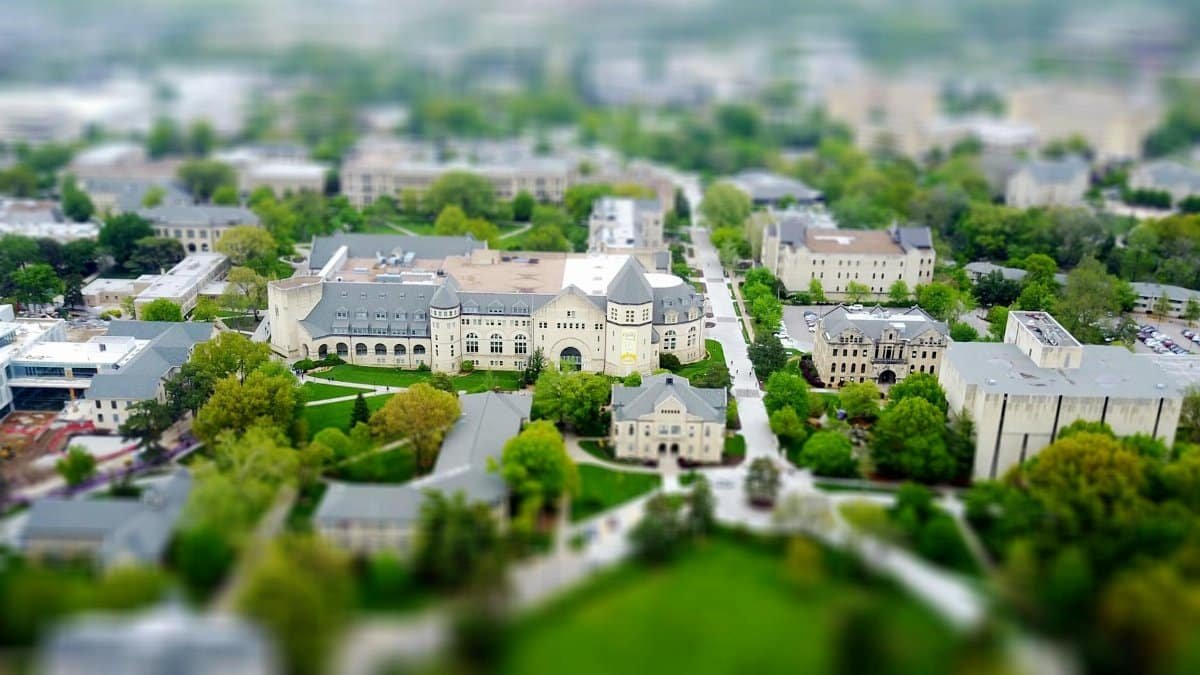
Vibrant hubs like Ann Arbor attract mid lifers pursuing education after pivots. A former nurse enrolls in classes, surrounded by youthful energy. This choice invigorates adaptation by stimulating intellectual growth. Data from the Department of Education shows adult learners report higher life satisfaction.National Center for Education Statistics on Adult Learners.
Cafes buzz with debates, inspiring fresh perspectives. Financial strains exist, but the pursuit of knowledge reignites passion.
10. Beachside Communities for Relaxation

From Florida’s keys to California’s shores, these spots lure empty nesters or recoverees. A couple post retirement settles in a Gulf Coast bungalow, prioritizing sunsets over schedules. It embodies healing through leisure, aiding emotional recalibration. CDC findings affirm coastal living’s role in stress reduction.CDC on Coastal Health.
Community events build networks, countering isolation. Storms pose risks, yet the tranquility fosters deep adaptation.
11. Remote Islands for Isolation

Islands like Hawaii’s outer atolls or Alaska’s chains appeal to those craving utter escape. An artist, after a creative block, isolates on a Pacific isle, sketching in solitude. This extreme choice tests and strengthens major transitions, life change, adaptation by enforcing self reliance. Psychological research from APA links solitude to enhanced creativity and resilience.APA on Solitude.
Occasional visitors provide balance, but the primary gift is unfiltered self discovery. Accessibility issues loom, but for many, it’s the ultimate path to renewal.
As these locations illustrate, the quest for wellbeing during life’s pivots reshapes priorities in 2025, emphasizing adaptation over ambition.