

A recent study from the American Psychological Association revealed that nearly 70% of adults report experiencing decision fatigue on a weekly basis, a figure that’s climbed steadily over the past decade amid our always-on digital lives. This surge highlights a growing struggle with mental overload, decision fatigue, clarity—those moments when the brain’s bandwidth feels maxed out, choices paralyze, and clear thinking seems elusive. Yet, in 2025, as more Americans prioritize emotional safety over relentless achievement, certain locations emerge as unexpected sanctuaries. These spots aren’t about escaping reality but recalibrating it, offering spaces where the mind can unwind without the pressure of productivity. From quiet natural retreats to everyday urban havens, they foster a sense of awakening, reminding us that clarity often arrives not through force but gentle immersion. What follows are 11 such places, each with its unique way of easing the mental burden.
1. Forest Trails
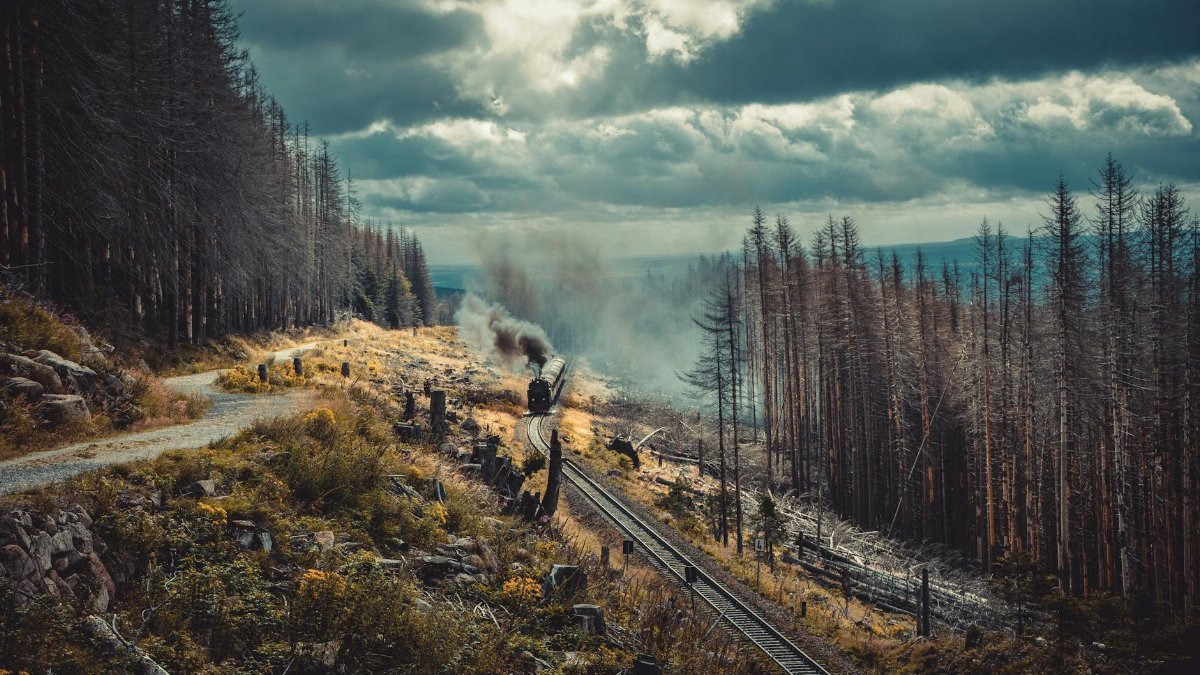
Deep in the woods, the chaos of daily decisions fades. Sunlight filters through leaves, birds call sporadically, and the path ahead demands little more than one foot in front of the other. Researchers at Stanford University have found that walking in nature significantly reduces rumination, that endless loop of overthinking that fuels mental overload. One hiker, sharing anonymously in an online discussion, described it as “the first time in months my mind didn’t race ahead to the next task.” It’s not magic; it’s biology. The forest’s sensory simplicity strips away the barrage of choices—from email pings to menu options—allowing clarity to surface naturally. In places like California’s Redwood National Park, visitors report a profound shift, where emotional safety blooms amid the ancient trees. This isn’t about achievement; it’s about being present, letting the trail guide you toward mental respite.
2. Secluded Beaches

Imagine the rhythmic crash of waves, sand shifting underfoot, no agenda beyond watching the horizon. Beaches like those along Oregon’s coast offer a vast emptiness that counters decision fatigue. A study published in the Journal of Environmental Psychology notes how coastal environments lower cortisol levels, easing the stress of constant choices. Picture a middle-aged professional, briefcase left behind, simply sitting as the tide ebbs. “It was like my brain finally powered down,” one such individual reflected in a public account. Here, the ocean’s indifference to human hustle provides emotional safety, a space where clarity emerges from the sound of water meeting shore. No need for productivity; the beach invites surrender, turning overload into open possibility.
3. Quiet Libraries

Rows of books, hushed whispers, the faint scent of aged paper—libraries serve as intellectual oases amid mental turmoil. In bustling cities like New York, spots such as the New York Public Library become refuges where decision fatigue dissolves among the stacks. According to a report from the Pew Research Center, libraries foster focused thinking by minimizing distractions. One patron might wander in overwhelmed, only to find solace flipping through pages without pressure. It’s a subtle awakening: clarity arises not from forcing answers but from the quiet permission to explore. Emotional safety here means no judgments, just the freedom to let thoughts settle like dust on forgotten shelves.
4. Home Gardens

Tending to plants in your backyard, soil between fingers, offers a grounded escape from overload. Gardens, whether a small urban plot or a sprawling suburban one, encourage mindful repetition that combats decision fatigue. The National Institutes of Health highlights how gardening reduces anxiety, promoting mental clarity through tactile engagement. Consider a retiree who, after years of corporate grind, finds peace pruning roses: “Decisions feel smaller here,” she might say. This location awakens a sense of control without overwhelm, prioritizing emotional safety over output. Weeds pulled, seeds planted—the cycle reminds us that growth happens organically, easing the mind’s relentless churn.
5. Mountain Overlooks
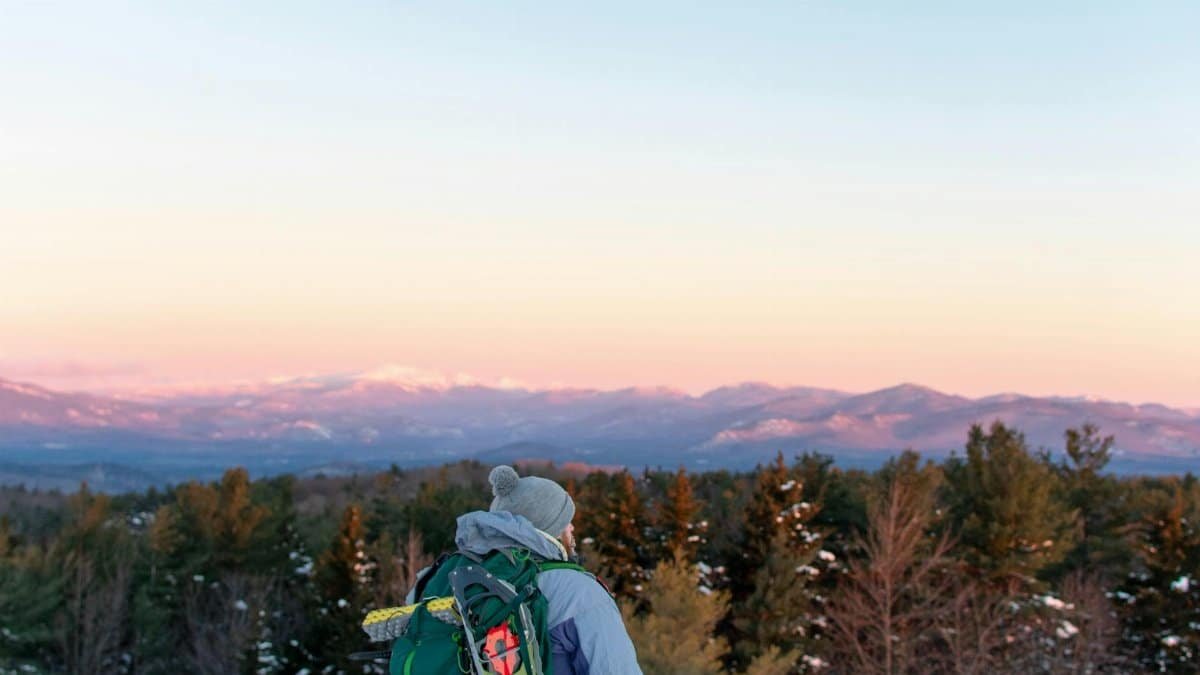
Atop a peak, the world spreads out below, vast and indifferent, melting away the weight of choices. Places like Colorado’s Rocky Mountains provide perspectives that dwarf daily stressors, as noted in research from the U.S. Forest Service on nature’s restorative effects. A climber pauses, breath steadying, and suddenly clarity cuts through the fog of mental overload. It’s not about conquering the summit but absorbing its scale, where emotional safety lies in feeling small yet connected. One anonymous online share captured it: “Up there, my worries seemed trivial.” In 2025, these overlooks beckon those seeking awakening without the noise of achievement.
6. Cozy Coffee Shops

A corner table, steam rising from a mug, ambient chatter blending into white noise—coffee shops like those in Seattle’s neighborhoods tame decision fatigue with their familiar rituals. A study from the National Library of Medicine suggests moderate caffeine and social ambiance can enhance cognitive clarity. Someone sips, notebook open, ideas flowing without force. Here, emotional safety comes from the low-stakes environment, a buffer against overload. It’s an awakening to simpler joys, where the barista’s nod feels like permission to just be.
7. Art Museums

Wandering galleries, eyes lingering on canvases, museums invite contemplation that eases mental burdens. Institutions such as the Smithsonian in Washington, D.C., offer spaces where overload recedes amid creative expressions. Research from the American Alliance of Museums indicates that art viewing promotes emotional regulation, fostering clarity. A visitor stands before a abstract piece, mind quieting as interpretations unfold naturally. “It pulled me out of my head,” one might whisper. This isn’t pursuit of achievement; it’s an embrace of ambiguity, awakening deeper insights in safe, inspiring surrounds.
8. Urban Parks

Benches under trees, joggers passing by, city parks like Central Park provide green pockets amid concrete frenzy. They counter decision fatigue by blending nature with accessibility, as per findings from the Centers for Disease Control and Prevention. A lunch-break stroller finds respite, thoughts clarifying on a shaded path. Emotional safety here means pausing without isolation, an awakening to communal calm that soothes overload.
9. Lakeside Docks

Sitting on a wooden pier, water lapping gently, lakesides offer stillness that dissolves mental clutter. In regions like Minnesota’s lake country, these spots reduce fatigue through serene reflection. Studies show aquatic environments aid mindfulness, leading to greater clarity. Picture a fisherman casting lines not for catch but calm: decisions fade with each ripple. It’s a quiet awakening, prioritizing safety over success.
10. Yoga Studios

Mats unrolled, breath syncing with movement, yoga studios create havens for releasing overload. Classes in places like Los Angeles emphasize presence, backed by NIH research on yoga’s stress-reduction benefits. A practitioner flows through poses, clarity emerging as fatigue lifts. “My mind cleared like fog burning off,” an anonymous account noted. Here, emotional safety trumps achievement, fostering true awakening.
11. Personal Libraries at Home

A favorite chair, shelves of books, home libraries nurture introspection away from external demands. This intimate space combats decision fatigue by curating comfort, with studies affirming reading’s role in mental restoration. One curls up with a novel, world narrowing to pages, clarity blooming in solitude. It’s the ultimate nod to emotional safety, an awakening that honors inner peace over outward hustle. In these corners, mental overload eases, revealing paths to sustained well-being.