

A recent study from the American Psychological Association revealed that nearly 60% of U.S. adults report experiencing decision fatigue on a weekly basis, a figure that’s climbed steadily since the pandemic’s height. This mental overload, where the sheer volume of choices and information bombards our brains, leaves many craving moments of genuine clarity. It’s no wonder, then, that people are seeking out specific spots to unplug and recharge. These locations aren’t just escapes; they act as natural antidotes, fostering presence and easing the cognitive strain that defines modern life. From bustling cities to serene hideaways, they remind us how environment shapes our inner world. In a world of endless notifications and to-do lists, finding these havens can transform overwhelm into focus. As we navigate 2025’s accelerating pace, understanding where mental overload eases becomes essential for emotional safety over relentless achievement.
1. Forest Trails

Deep in the woods, the air carries a crisp scent of pine and earth, pulling you away from the digital hum. Researchers have long noted how forest bathing, a practice originating in Japan but gaining traction in the U.S., lowers cortisol levels and sharpens mental clarity. One hiker in the Pacific Northwest described it simply: the rustle of leaves drowns out the mental chatter, making decisions feel less burdensome. It’s not about hiking miles; even a short stroll amid towering trees can reset your overloaded mind. Studies show this immersion in nature reduces symptoms of decision fatigue by promoting mindfulness. For instance, a report from the U.S. Forest Service highlights how green spaces enhance cognitive function. In these trails, choices narrow to the path ahead, offering a break from life’s constant forks.
Picture a family weaving through Appalachian trails last summer. The parents, usually buried in work emails, found themselves debating nothing more than which berry to pick. That simplicity bred clarity, turning potential arguments into shared laughs. Such experiences underscore why forests top lists for easing mental overload. They invite a slower rhythm, where the brain’s executive functions recharge without the pressure of productivity.
2. Seaside Shores

Waves crash rhythmically, a sound that seems to wash away accumulated stress. Beaches provide a vast horizon that visually expands the mind, countering the constriction of decision fatigue. Experts point to the “blue mind” theory, where proximity to water induces calm and clarity. One anonymous account shared publicly online captured it: standing ankle-deep in the Atlantic, the weight of daily choices lifted, replaced by the tide’s predictable pull. This isn’t mere relaxation; it’s a neurological shift. The National Institutes of Health has documented how coastal environments boost emotional well-being, reducing overload through sensory immersion.
Consider the solo traveler who visited California’s Big Sur coastline. Amid the fog and surf, she jotted notes not of tasks, but of fleeting thoughts, gaining insight into her priorities. These shores encourage letting go, where the ocean’s expanse mirrors an uncluttered psyche. In 2025, with urban sprawl intensifying, such spots remain vital refuges.
3. Mountain Peaks

Atop a summit, the world below shrinks, putting personal worries into perspective. Mountains demand physical effort, which paradoxically eases mental strain by focusing energy outward. Climbers often report a surge in clarity post-ascent, as if the altitude filters out noise. A group of friends tackling Colorado’s Rockies found their usual decision paralysis fading with each step; debates over gear gave way to instinctive moves. This aligns with findings from environmental psychology, showing high-altitude settings enhance problem-solving by alleviating fatigue.
It’s the solitude that amplifies the effect. One might sit on a ledge, breathing thin air, and suddenly see through the fog of overload. The Pew Research Center notes a growing number of Americans turning to nature for stress relief, underscoring mountains’ role in fostering presence over achievement.
4. Quiet Libraries

Surrounded by shelves of bound knowledge, the hush invites introspection. Libraries serve as urban oases, where the absence of demands allows mental overload to dissipate. Patrons flip pages without the ping of notifications, rediscovering clarity in focused reading. A student in a Chicago branch recalled how the stillness helped her sort through career choices, turning confusion into a clear plan. This environment minimizes distractions, combating decision fatigue through structured quietude.
Beyond books, it’s the communal yet solitary vibe that heals. People come and go, each in their bubble, modeling mindful presence. Recent analyses from library associations highlight increased visits for mental respite, linking these spaces to improved cognitive health.
5. Urban Parks

In the heart of the city, green patches offer unexpected relief. Benches under oaks become spots for pausing amid chaos, where mental overload eases through people-watching and fresh air. A New Yorker described sitting in Central Park, decisions about work melting as birdsong took over. Parks democratize access to nature, reducing fatigue by blending community with solitude.
Events like picnics or casual strolls amplify this. Families gather, conversations flowing without agendas, building clarity through connection. The Centers for Disease Control and Prevention emphasizes parks’ role in mental health promotion, especially in densely populated areas.
6. Home Gardens

Tending soil in your backyard shifts focus from screens to growth. Gardens demand simple, repetitive tasks that counter decision fatigue, yielding literal and figurative fruits of clarity. One homeowner in Texas shared how pruning roses cleared her mind of work stress, decisions emerging naturally from the calm. This hands-on engagement grounds the senses, easing overload.
It’s intimate: watching seeds sprout mirrors personal progress. In 2025, with home wellness trends rising, gardens stand out as accessible havens for mindfulness.
7. Yoga Studios

Mats unrolled, breaths synchronized, these spaces channel energy inward. Yoga combats mental overload by linking movement to breath, dissolving fatigue through flow. A practitioner in San Francisco noted how a session turned her scattered thoughts into focused intent. Instructors guide without overwhelming choices, fostering clarity.
Classes build community, yet emphasize personal pace. Research supports yoga’s benefits for cognitive resilience, making studios key for presence.
8. Cozy Cafes
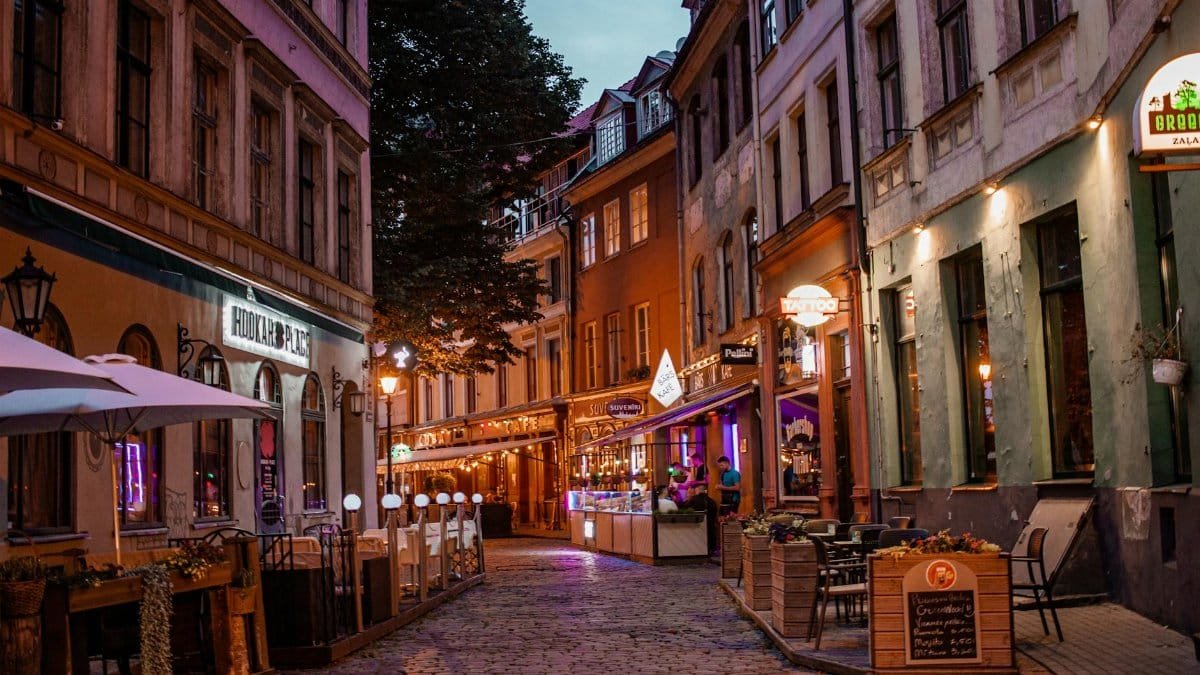
Steam rises from mugs, conversations murmur softly. Cafes provide a gentle buzz that soothes rather than overwhelms, easing decision fatigue with limited menus and ambient comfort. A writer in Seattle found clarity drafting ideas over coffee, the setting filtering out distractions.
These spots blend solitude and society, where one can linger without pressure. They remind us how small rituals restore mental balance.
9. Art Museums

Paintings stare back, inviting silent dialogue. Museums slow the pace, allowing overload to fade as visitors absorb details at will. A visitor in Washington, D.C., described how gazing at a Monet brought unexpected insights into her life’s chaos.
Exhibits provoke thought without demanding action, nurturing clarity through contemplation. Cultural institutions highlight art’s therapeutic power.
10. Botanical Gardens

Exotic blooms and winding paths create a living tapestry. These gardens immerse senses in beauty, reducing mental strain by encouraging wonder over worry. Families explore, decisions simplified to which flower to admire next.
In such settings, clarity blooms alongside flora, as nature’s diversity mirrors human resilience.
11. Meditation Retreats

Secluded centers offer structured silence, where mental overload, decision fatigue, clarity converge in profound ways. Participants sit, observing thoughts without judgment, emerging with renewed focus. One attendee recounted days of quiet leading to breakthroughs in personal goals.
These retreats, increasingly popular in the U.S., provide tools for ongoing presence, emphasizing emotional safety in a demanding world. As trends evolve in 2025, they stand as beacons for sustainable well-being.