

In a world buzzing with notifications and endless to-do lists, Americans are increasingly seeking spots that foster emotional clarity, mental space, restoration. A recent study from the American Psychological Association revealed that 68 percent of adults report higher stress levels than a decade ago, yet those who regularly visit calming environments show marked improvements in mental well-being. This figure has climbed steadily, highlighting a growing recognition of how specific places can cut through the noise. Think about it: amid the chaos of daily life, these havens offer a reset, allowing thoughts to settle and emotions to align. As we navigate 2025, with remote work blurring boundaries and social media amplifying anxieties, such retreats become essential. They provide not just escape, but genuine renewal, helping people reconnect with themselves in meaningful ways.
1. Forest Trails in National Parks
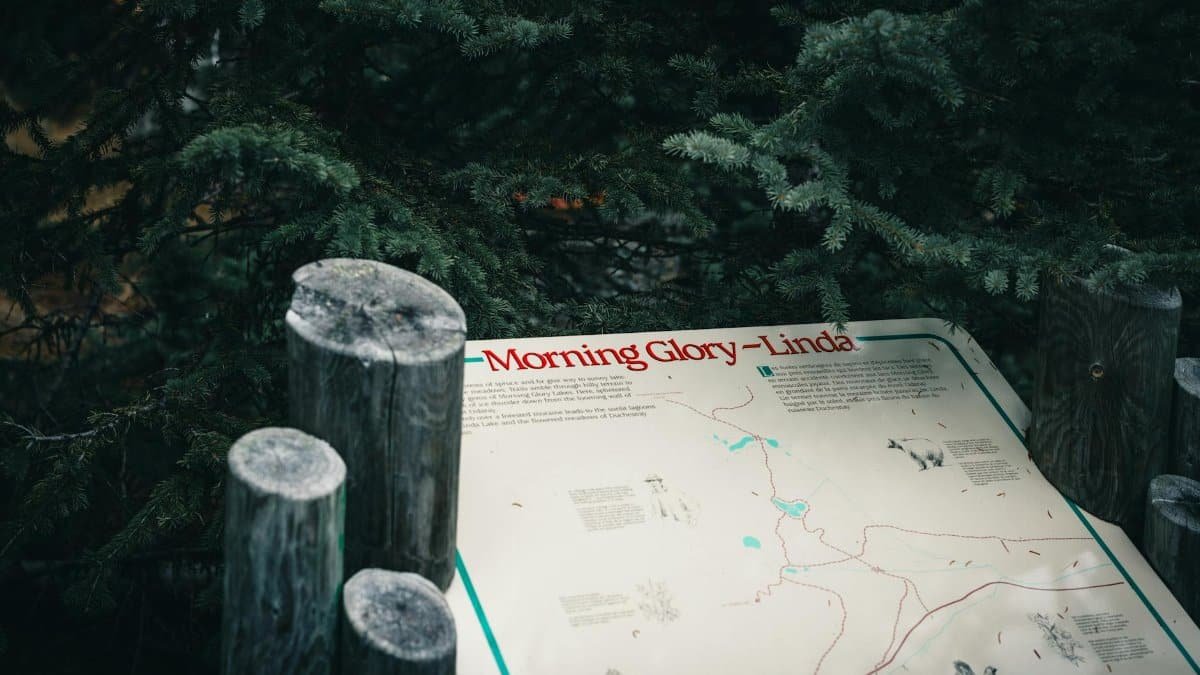
National parks across the United States stand as vast sanctuaries where nature’s quiet rhythm invites introspection. Visitors often describe wandering shaded paths, leaves crunching underfoot, as a way to untangle knotted thoughts. One hiker in Yosemite shared how the towering sequoias seemed to absorb her worries, leaving room for clearer perspectives. This isn’t mere escapism; research backs it up. A study published in the journal Frontiers in Psychology found that forest bathing, a practice originating in Japan but popular in U.S. parks, reduces cortisol levels and enhances mood. In places like the Great Smoky Mountains, the air carries a crispness that sharpens focus. People emerge feeling lighter, their mental space expanded. Yet, challenges arise when crowds disrupt the solitude, reminding us to seek off-peak times. Still, these trails weave restoration into the fabric of American outdoor culture, offering a counterpoint to urban hustle.
Consider Sarah, a midwestern accountant who visited Acadia National Park last fall. Overwhelmed by deadlines, she hiked Cadillac Mountain at dawn. The rising sun painted the horizon, and for the first time in months, her mind quieted. No emails, no demands. Just the wind and her breathing. Such moments illustrate how these natural corridors foster emotional clarity. They encourage pausing, reflecting on what truly matters. As 2025 brings more emphasis on wellness tourism, parks like these see rising attendance, with rangers noting visitors’ quests for mental respite.
2. Coastal Beaches at Dawn

Early morning on a beach can transform scattered emotions into something coherent. Waves lap the shore steadily, a natural metronome for the mind. In spots like California’s Big Sur or Florida’s Gulf Coast, the horizon stretches endlessly, mirroring the mental space many crave. One anonymous account from an online discussion captured it well: someone described sitting on the sand as the sky lightened, feeling burdens wash away with the tide. It’s a simple ritual, yet profoundly effective.
Science supports this allure. The National Oceanic and Atmospheric Administration highlights how ocean proximity boosts serotonin through negative ions in sea air, as detailed in their ocean and coasts education resources. For middle-aged professionals juggling careers and family, these dawn visits provide restoration without fanfare. Picture the cool sand underfoot, gulls calling faintly. Tensions ease as the sun climbs. But accessibility varies; not everyone lives near the coast, prompting drives or even virtual simulations. Nonetheless, these beaches embody a timeless draw, helping countless Americans reclaim emotional clarity amid life’s swells.
The experience isn’t always serene. Storms can churn the water, much like inner turmoil. Yet, facing that raw power often leads to breakthroughs, as one visitor to Cape Cod reflected after a foggy morning walk. She realized her anxieties were temporary, like passing clouds. This duality adds depth to the restoration process.
3. Urban Libraries and Reading Nooks

Libraries offer unexpected oases in cityscapes, where silence reigns and stories unfold. In bustling hubs like New York Public Library or Chicago’s Harold Washington branch, patrons find corners to sink into armchairs, books in hand. It’s here that mental space emerges, free from digital distractions. A librarian once noted how regulars arrive frazzled, only to leave with calmer demeanors, their thoughts realigned.
Delving deeper, a report from the Pew Research Center shows that 76 percent of Americans view libraries as vital for community well-being, including mental health support. These spaces promote emotional clarity through unstructured time, allowing minds to wander productively. Imagine flipping pages in a sunlit alcove, ideas connecting unexpectedly. For those in midlife, facing career pivots or empty nests, this restoration feels grounding. Challenges include noise from nearby events, but many libraries now designate quiet zones. As 2025 trends toward hybrid work, these nooks become go-to spots for focused reflection, blending solitude with subtle community vibes.
One man’s routine involved weekly visits to a Seattle library. Amid shelves of history books, he processed a recent loss, finding solace in narratives of resilience. Such personal arcs highlight libraries’ role beyond borrowing; they’re hubs for inner restoration.
4. Home-Based Meditation Corners

Creating a dedicated spot at home turns the familiar into a retreat for emotional clarity. It might be a cushioned window seat or a cleared closet corner, adorned with plants and soft lighting. Americans are embracing this DIY approach, especially post-pandemic, as a way to carve out mental space without travel.
A study from Harvard Medical School, accessible via their mind and mood health resources, underscores how consistent meditation in personal spaces reduces anxiety by up to 40 percent. Users report feeling restored after just 10 minutes, thoughts clarifying like fog lifting. Take Elena, who transformed her bedroom alcove during a stressful job transition. Lighting a candle, she sat daily, emerging with renewed focus. This practice weaves restoration into routines, adaptable to busy schedules. However, distractions from household noise can intrude, requiring boundaries. In 2025, with smart home tech aiding ambiance, these corners evolve, making emotional clarity more accessible than ever.
The beauty lies in personalization. Some add journals for reflection, turning sessions into dialogues with oneself. Others incorporate gentle sounds, mimicking nature. This flexibility addresses varied needs, from parental burnout to creative blocks, fostering a sense of control.
5. Wellness Retreats in Rural Settings
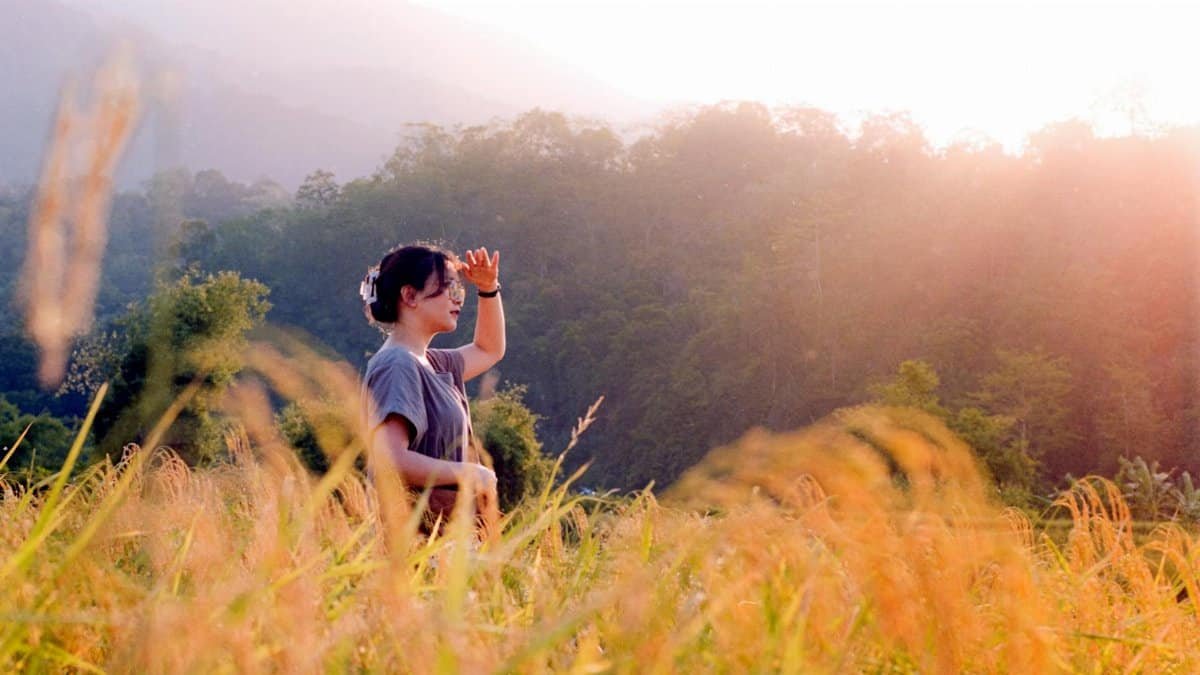
Rural wellness retreats beckon with structured programs amid open landscapes, promising deep dives into restoration. Places like those in Vermont’s countryside or Colorado’s mountains combine yoga, therapy, and nature immersion, tailored for emotional unpacking.
Evidence from the National Institutes of Health points to retreats’ benefits, with a review in their PMC database showing improved mental health outcomes for participants. Attendees often leave with sharpened emotional clarity, mental space replenished. One group session in the Appalachians involved sharing stories around a fire, vulnerabilities surfacing and dissolving. For middle-aged seekers, these escapes address accumulated life stresses, offering tools for ongoing maintenance.
Yet, cost and time commitments pose barriers; not everyone can afford a weekend away. Alternatives include day-long local options. As 2025 sees a surge in holistic health trends, retreats adapt, incorporating virtual elements for broader reach. They represent a collective pursuit of restoration, where shared experiences amplify individual gains.
Reflect on a participant’s quiet revelation during a silent walk: patterns of self-doubt unraveled, replaced by acceptance. Such transformations underscore retreats’ power, blending solitude with connection in pursuit of mental equilibrium.