

A recent study from the American Psychological Association revealed that nearly 77% of U.S. workers experienced burnout symptoms in the past year, a sharp rise from pre-pandemic levels. This surge has prompted many to seek profound changes, prioritizing burnout recovery, life reset, and emotional safety over relentless ambition. In bustling cities like New York or Los Angeles, professionals are trading high-stakes careers for quieter havens where healing takes precedence. Emotional safety, that sense of being shielded from constant stress, begins to matter more than achievement. It’s a shift that’s reshaping lives across the country. As one expert notes, this isn’t just about escaping; it’s about rebuilding from the ground up. In 2025, with remote work enabling flexibility, more Americans are exploring destinations that foster renewal. These places offer not just scenery, but spaces for introspection and growth.
1. Coastal Retreats in Maine
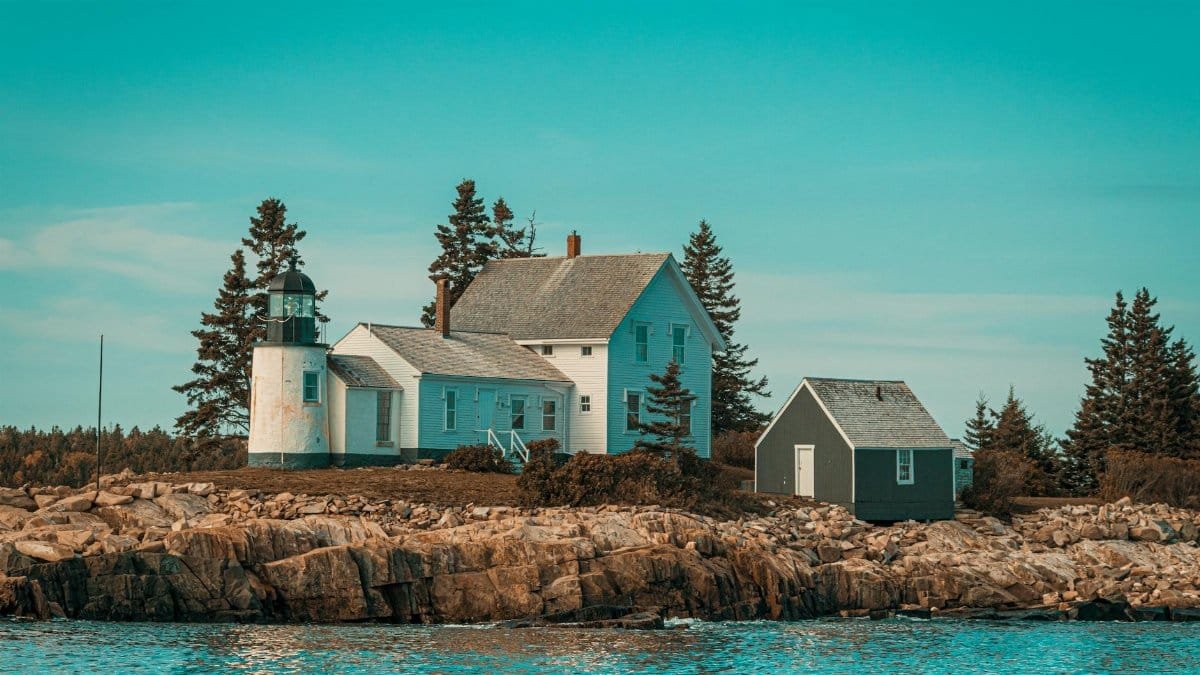
Along the rugged shores of Maine, where lobster boats dot the horizon and fog rolls in like a gentle blanket, many find solace after years of corporate grind. Take Sarah, a former marketing executive from Chicago, who described her move as “waking up from a long, exhausting dream.” She settled in a small town near Acadia National Park, drawn by the predictable rhythm of tides that mirrored her need for stability. Here, burnout recovery often involves simple routines: morning walks on pebble beaches, community potlucks that build quiet connections. A report from the American Psychological Association highlights how natural environments like these reduce stress hormones, promoting emotional safety. In these coastal enclaves, people reset by embracing slower paces, far from urban demands. The air smells of salt and pine, a sensory reminder that life can be gentle. Yet, challenges arise—harsh winters test resolve, forcing deeper self-reflection. Still, for many, it’s where achievement fades, and healing begins.
2. Mountain Cabins in Colorado
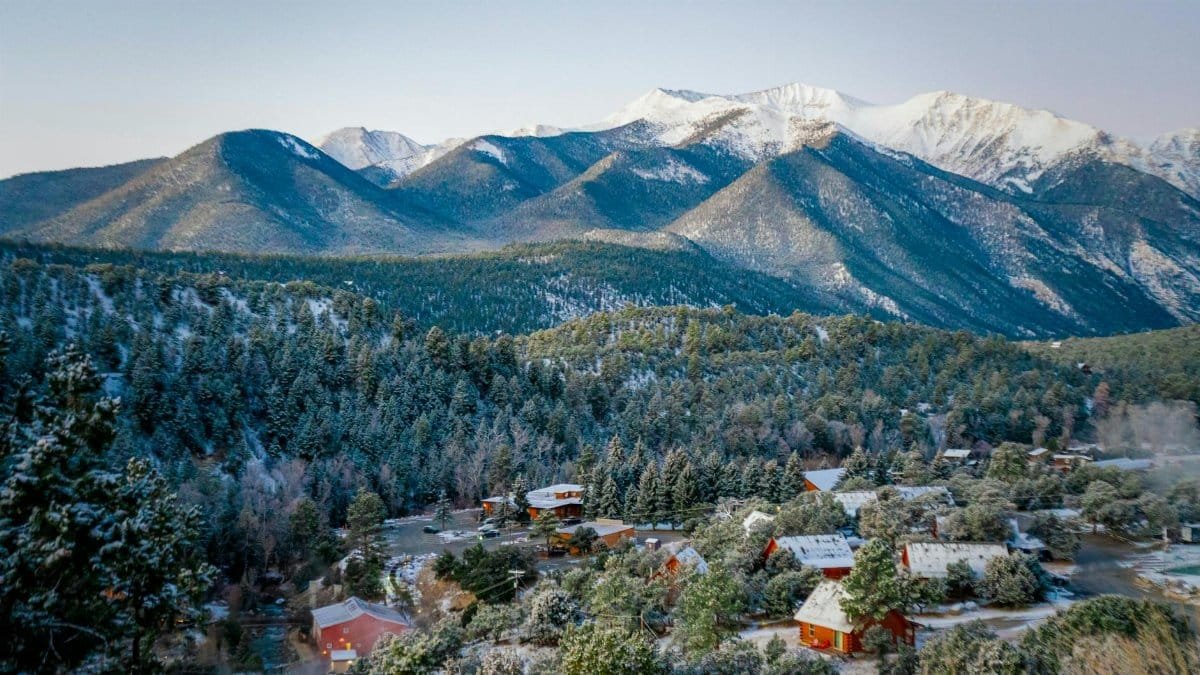
Imagine stepping out onto a wooden porch at dawn, the Rocky Mountains stretching endlessly, their peaks capped with snow even in summer. This is the draw for those fleeing burnout, seeking a life reset amid Colorado’s high altitudes. One anonymous account shared online captured it vividly: feeling “crushed by deadlines until the mountains lifted that weight.” Places like Aspen or Boulder attract professionals who trade boardrooms for hiking trails, where emotional safety comes from isolation and fresh air. According to a study by the U.S. Forest Service, time in such wilderness areas boosts mental resilience, aiding recovery. Activities here vary—some ski, others meditate by streams. The community feels tight-knit, with locals sharing stories around fire pits. But it’s not all idyllic; altitude sickness can mirror the disorientation of burnout itself. Through it, individuals learn to prioritize well-being, forging paths that value peace over productivity.
3. Rural Farms in Vermont

What draws a tech entrepreneur from Silicon Valley to a Vermont farm? Often, it’s the promise of hands-in-the-dirt renewal. These rolling green hills, dotted with red barns and grazing cows, offer a tangible way to reclaim control after burnout. One person recounted trading algorithms for apple orchards, finding emotional safety in the cycle of seasons. Farms here emphasize sustainable living, with programs like community-supported agriculture fostering belonging. Research from the Centers for Disease Control and Prevention shows that rural settings lower anxiety levels, supporting a life reset. Mornings might start with milking goats, afternoons with quiet reading. Tensions emerge, though—rural isolation can amplify loneliness if not balanced with outreach. Yet, this hands-on existence rebuilds confidence, shifting focus from metrics to meaningful growth. In 2025, as urban fatigue peaks, more are discovering that soil under fingernails can ground a wandering spirit.
4. Desert Oases in Arizona
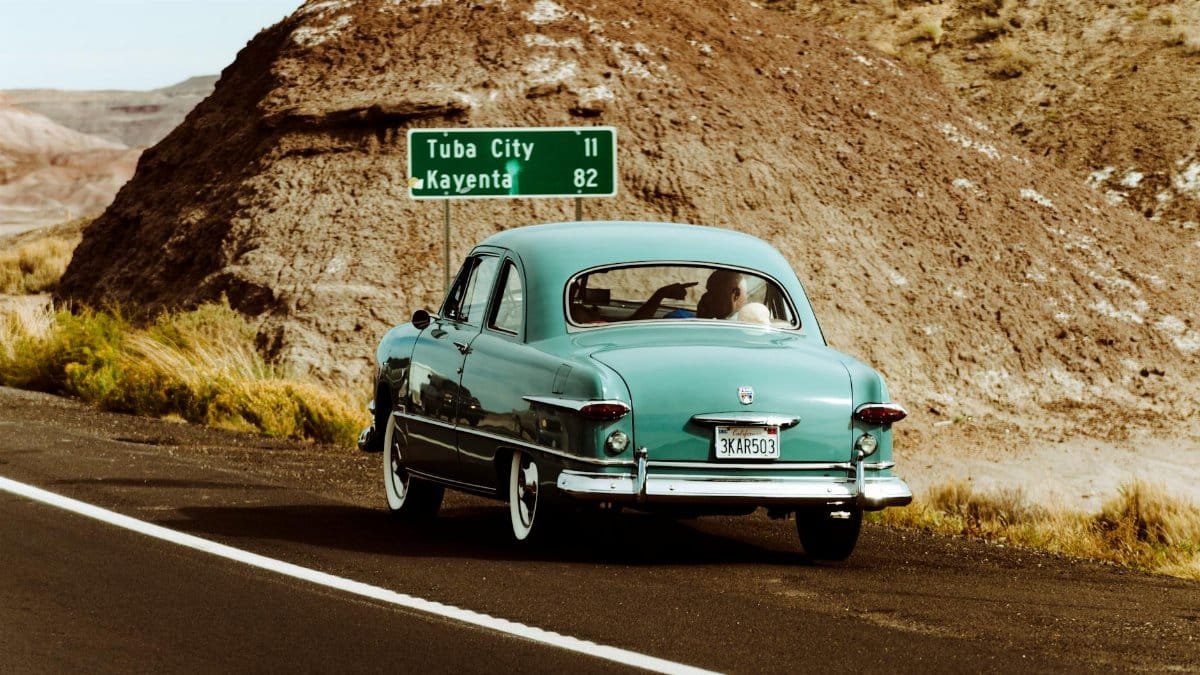
The vast, sun-baked expanses of Arizona’s deserts provide a stark contrast to the chaos of city life, pulling in those desperate for burnout recovery. Picture Sedona’s red rocks glowing at sunset, a backdrop for yoga retreats and spiritual hikes. A former lawyer from Boston moved here, whispering to friends about the “vast silence that healed my frayed nerves.” Emotional safety blooms in these arid landscapes through practices like mindfulness amid cacti. A Pew Research Center analysis notes a growing trend, with Pew Research data indicating shifts toward wellness-focused relocations, though not directly on deserts—still, it underscores broader moves for mental health. Communities host art workshops, blending creativity with solitude. Dry heat can be unforgiving, mirroring internal struggles, but it teaches adaptation. For many, this reset means embracing minimalism, where life’s essentials eclipse former ambitions.
5. Island Havens in Washington State
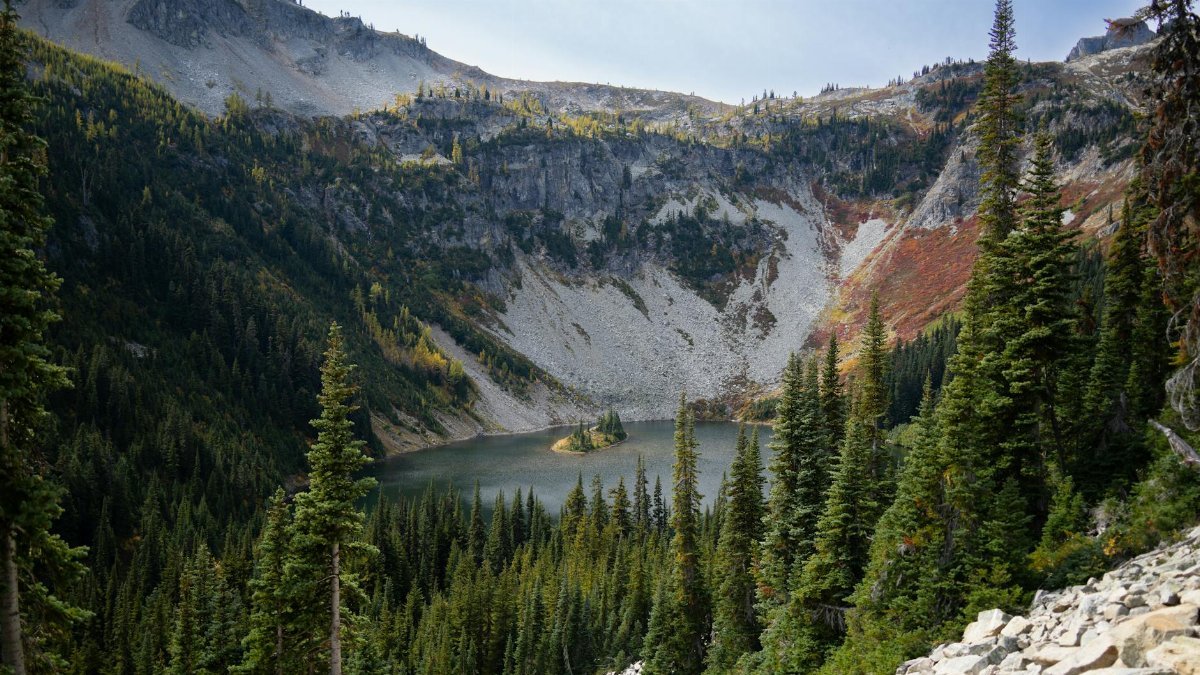
Ferry rides to Washington’s San Juan Islands carry more than tourists; they transport seekers of a profound life reset. Surrounded by emerald waters and ancient forests, these spots whisper promises of emotional safety. Consider Mark, who left a finance job in Seattle for Orcas Island, where he now tends a small vineyard. “The isolation isn’t lonely—it’s liberating,” he said. Islands foster tight communities, with farmers’ markets and beach bonfires building bonds. The National Institutes of Health links such natural immersion to lower cortisol, aiding burnout recovery. Days unfold with kayaking or foraging, evenings with stargazing. Yet, ferry dependence can frustrate, echoing past work pressures. Through it, people learn resilience, prioritizing harmony over hustle. In this Pacific Northwest escape, renewal feels as steady as the waves.
6. Historic Towns in Virginia
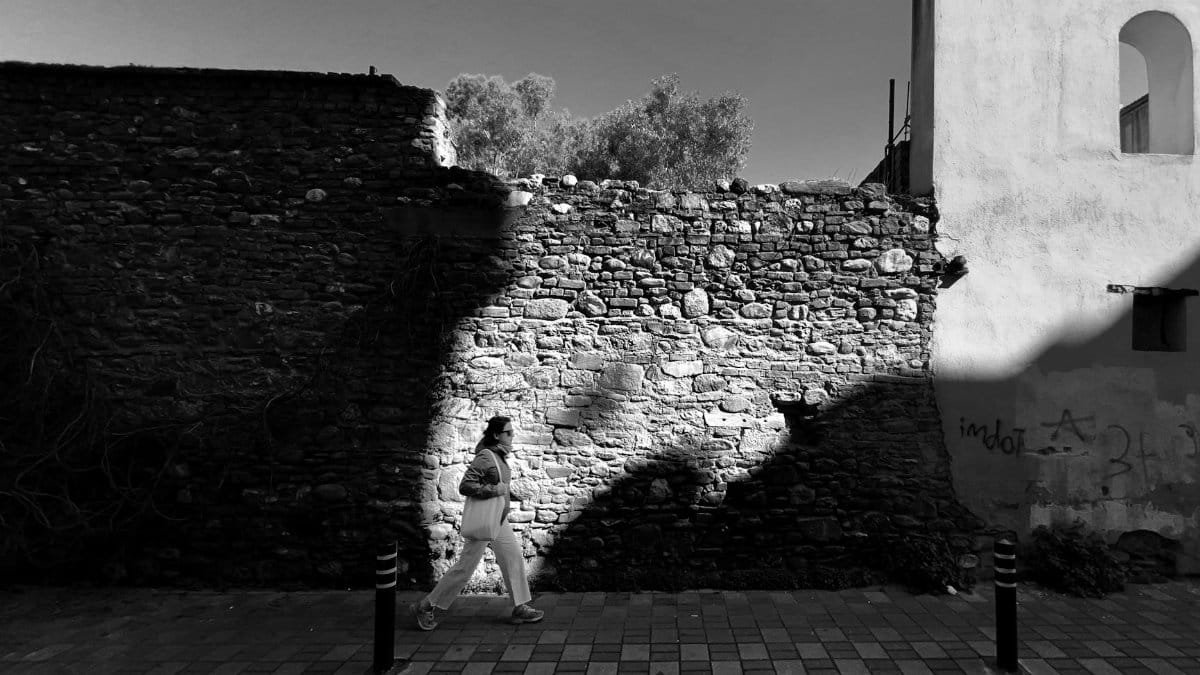
Virginia’s historic towns, like Charlottesville or Williamsburg, blend colonial charm with modern introspection, attracting those post-burnout. Streets lined with brick buildings and blooming dogwoods invite a slower narrative. One educator relocated from D.C., finding solace in local history tours that paralleled her own story of reinvention. Emotional safety here stems from preserved heritage, offering a sense of continuity amid change. A study from the University of Virginia explores how cultural immersion aids mental health, accessible via their research page. Cafes buzz with intellectual chats, libraries provide quiet refuge. Seasons bring festivals, weaving community threads. However, tourist crowds can disrupt peace, demanding boundaries. This balance teaches that recovery involves honoring the past while forging ahead, making these towns ideal for a thoughtful reset.
7. Lakeside Communities in Minnesota
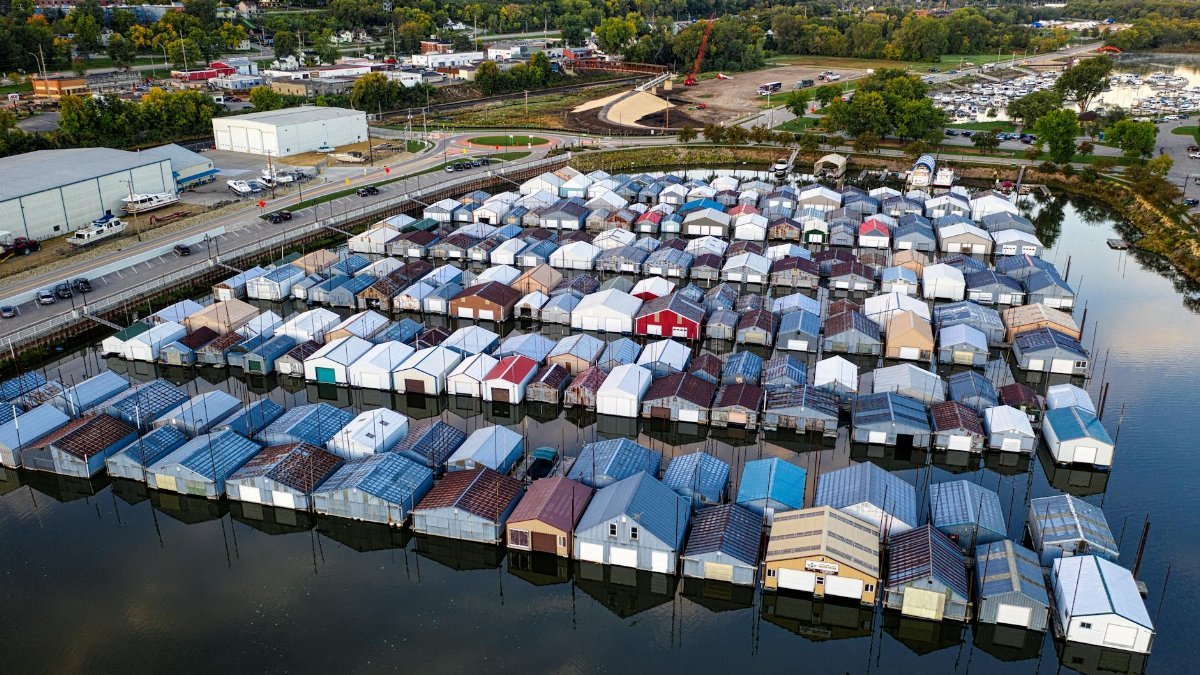
Minnesota’s thousands of lakes offer glassy reflections perfect for mirroring inner calm after burnout. Places like the Boundary Waters draw those craving wilderness therapy. A graphic designer from Minneapolis shared how paddling across still waters “washed away years of exhaustion.” Life reset happens through fishing, camping, and communal saunas that warm both body and spirit. Emotional safety builds in these watery expanses, supported by findings from the Mayo Clinic on nature’s role in stress relief. Summers hum with boat outings, winters with ice fishing. Isolation in off-seasons tests endurance, but it fosters self-reliance. For many in 2025, these lakes represent a return to simplicity, where emotional well-being trumps professional accolades.
8. Wine Country in California
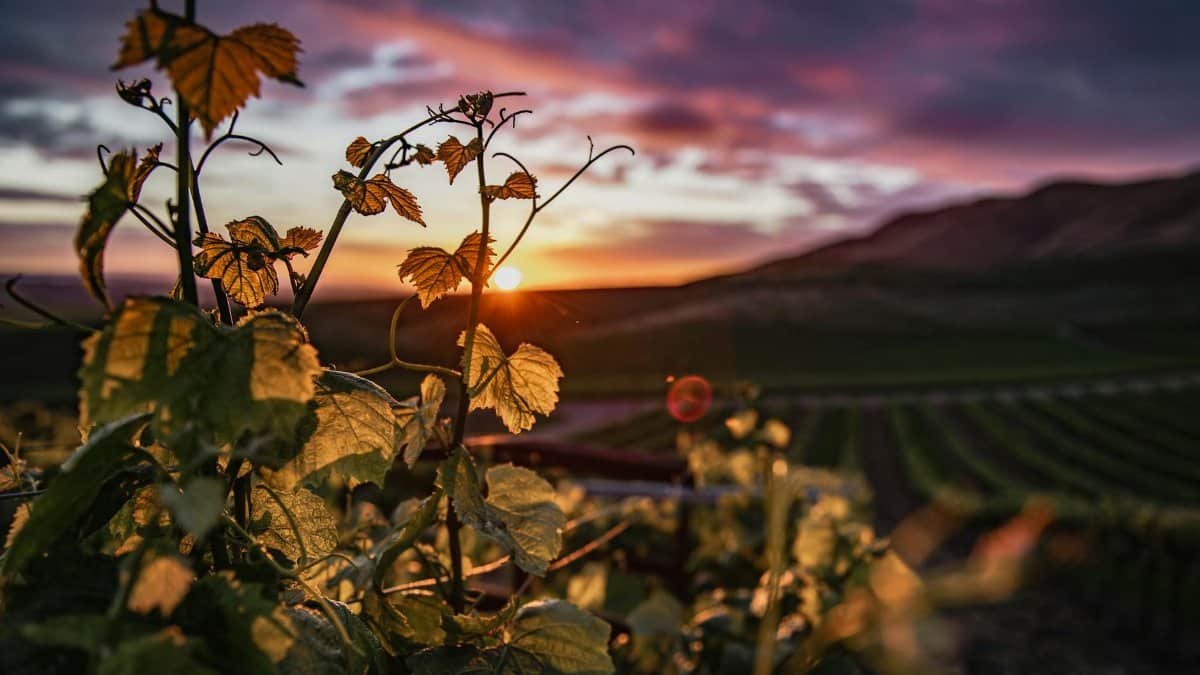
California’s Napa Valley, with its vine-covered hills and tasting rooms, serves as a sophisticated haven for burnout recovery. Beyond the wine, it’s the rolling landscapes that soothe. Think of Elena, a burned-out consultant who now harvests grapes, describing the work as “therapeutic rhythm.” Communities here emphasize wellness retreats, blending viticulture with yoga. A report from UC Davis details how agrarian lifestyles support mental health, found on their research hub. Evenings unfold with sunset dinners, fostering connections. Yet, high costs can strain newcomers, echoing financial stresses of old. This irony pushes creative adaptations, turning recovery into an art. In wine country, life reset means savoring moments, letting emotional safety ferment slowly.
9. Forest Enclaves in Oregon

Oregon’s dense forests, from the Willamette Valley to the Cascades, envelop visitors in a green embrace, ideal for those seeking emotional safety post-burnout. Trails wind through towering firs, where one might encounter a former teacher now guiding eco-tours, her story a testament to renewal. “The trees listened when no one else could,” she reflected. Burnout recovery thrives in these woods via hiking and forest bathing, practices backed by Japanese studies but echoed in U.S. research from the U.S. Forest Service. Cabins dot the landscape, offering seclusion with occasional group hikes. Rainy weather can dampen spirits, yet it mirrors emotional ebbs, teaching acceptance. As trends evolve in 2025, these enclaves highlight how nature’s quiet power facilitates a profound life reset, prioritizing inner peace over external success.