

In a world that’s increasingly noisy and demanding, a surprising number of Americans are seeking ways to reclaim their inner calm. According to a 2023 survey by the American Psychological Association, nearly 40% of adults reported heightened stress levels compared to the previous year, with many citing a lack of mental downtime as a key factor. This statistic underscores a growing hunger for emotional clarity, mental space, restoration—those elusive moments that allow us to sort through our thoughts and recharge. It’s not just about escaping the chaos; it’s about finding spots where presence can truly replace pressure. As we navigate 2025, with its blend of digital overload and post-pandemic recovery, these havens are becoming essential. They offer a chance to pause, reflect, and emerge stronger.
1. National Parks: Nature’s Vast Canvas for Reflection

Step into a national park, and the world shrinks to something manageable. Towering trees in Yosemite or the sweeping vistas of the Grand Canyon pull you out of your head. Here, emotional clarity often arrives unbidden. The air feels crisper. Thoughts untangle as you hike a trail. One visitor, recalling a solo trip to Yellowstone, shared how the geothermal wonders mirrored her inner turmoil—bubbling up, then settling into steam. It’s no coincidence that visits to U.S. national parks surged by 15% in 2024, per data from the National Park Service. These spaces foster mental space by dwarfing daily worries. They remind us that restoration comes from immersion in something larger.
But it’s not always serene. Crowds can intrude, turning a peaceful walk into a jostle. Yet, that’s part of the lesson: navigating external noise to find internal quiet. Experts suggest early morning visits. A study from the University of Utah highlights how time in nature reduces cortisol levels, aiding emotional processing. Imagine sitting by a lake at dawn. Birds call softly. Your mind clears, piece by piece. This isn’t escapism; it’s recalibration. For middle-aged folks juggling careers and family, these outings provide a reset button, blending physical activity with soulful pause.
2. Local Libraries: Quiet Corners Amid the Stacks

“I found my peace between the pages,” one anonymous online account described, recounting how a rainy afternoon in a community library dissolved weeks of accumulated stress. Libraries aren’t just repositories of books; they’re sanctuaries for the mind. In bustling cities like Chicago or smaller towns in the Midwest, these public spaces offer free access to emotional clarity. Soft lighting. Hushed whispers. Rows of shelves that invite wandering without purpose. It’s a place where mental space emerges naturally, away from screens and notifications.
Research backs this up. A report from the Pew Research Center notes that 78% of Americans view libraries as vital for personal growth, including mental well-being. In 2025, with remote work blurring home boundaries, libraries serve as neutral ground. Picture settling into an armchair with a novel. Distractions fade. Restoration happens as you lose yourself in a story, emerging with fresh perspectives. Challenges arise, though—limited hours or noisy events—but carving out time here builds discipline. It’s a democratic haven, accessible to all, fostering clarity through simplicity.
Variety keeps it engaging. Some libraries host meditation nooks or quiet reading rooms. Others integrate tech-free zones. This evolution reflects broader trends in public spaces adapting to mental health needs.
3. Meditation Retreats: Structured Paths to Inner Stillness
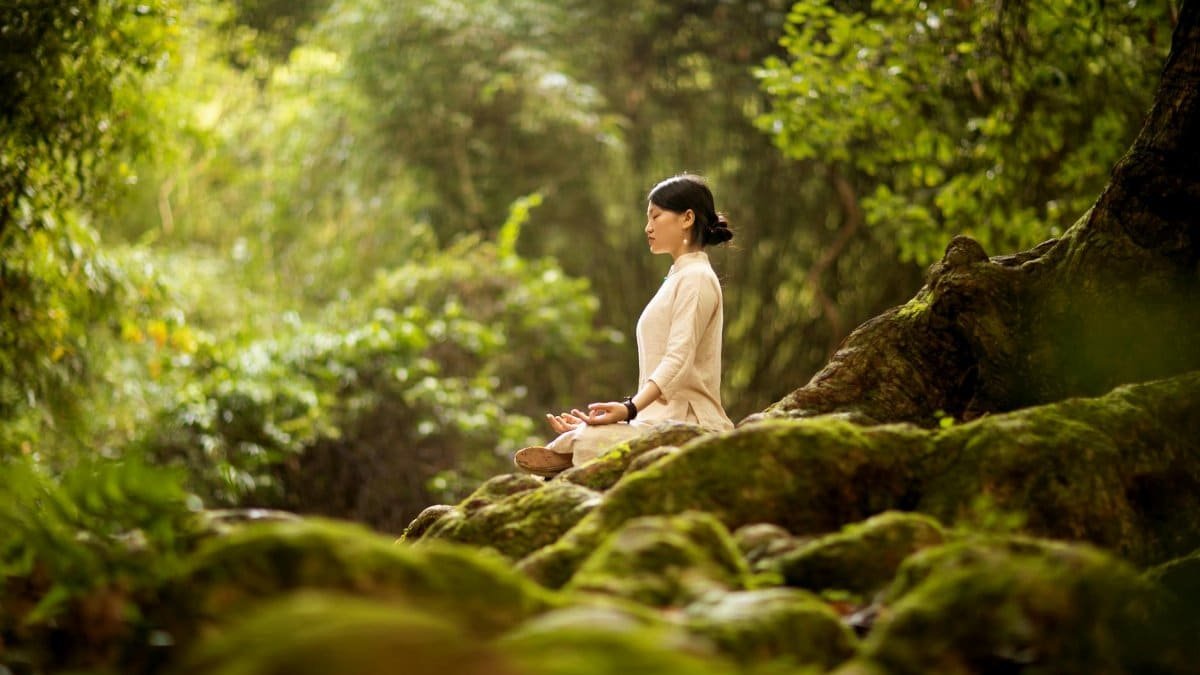
What draws people to meditation retreats? Often, it’s the promise of uninterrupted focus. Places like the Insight Meditation Society in Massachusetts or Spirit Rock in California strip away the extraneous. Days unfold with guided sessions, silent walks, and communal meals. Emotional clarity builds gradually, as participants confront swirling thoughts in a supportive environment. One retreat-goer remembered the breakthrough: “It was like fog lifting from a mirror.” These centers emphasize restoration through mindfulness, addressing the mental clutter that plagues modern life.
A 2022 study published in the JAMA Psychiatry found that mindfulness programs significantly reduce anxiety, supporting the retreats’ efficacy. In 2025, with wellness tourism on the rise, these spots are more popular than ever. They’re not without hurdles—intense silence can unsettle newcomers—but that’s where growth happens. Retreats teach tools for creating mental space back home. Think of it as investing in your emotional toolkit. For those in midlife, facing transitions like empty nests or career shifts, this structured approach offers profound renewal.
Integration matters. Post-retreat, many apply techniques daily, turning fleeting visits into lasting habits.
4. Home Sanctuaries: Personal Havens in Familiar Surroundings

Sometimes, the best place for restoration is right under your roof. Transforming a corner of your home into a sanctuary—a cozy chair by a window, perhaps with plants and soft lighting—can yield surprising emotional clarity. It’s about claiming space amid the familiar chaos. A middle-aged parent described converting a spare room into a “no-disturb” zone: “Finally, a spot where my thoughts could breathe.” This DIY approach democratizes mental space, requiring minimal investment beyond intention.
Evidence from the American Psychological Association suggests that personalized environments enhance psychological well-being. In an era of hybrid work in 2025, blurring lines between professional and personal, these havens become crucial. Start small: declutter, add elements that soothe. But beware the trap of perfectionism; it’s the consistency that counts. Restoration flows from routine, like morning journaling or evening wind-downs. This place evolves with you, adapting to life’s phases, offering a grounded anchor.
Contrast it with external escapes. Home sanctuaries build resilience, teaching self-reliance in pursuing clarity.
5. Urban Oases: Unexpected Pockets in Cityscapes

Cities pulse with energy, yet hidden oases abound. Botanical gardens in New York or rooftop terraces in San Francisco provide respite from the grind. These spots weave emotional clarity into urban fabric, proving restoration isn’t confined to wilderness. Observe a bench in Central Park: office workers pause, eyes closing briefly, exhaling the day’s weight. It’s a micro-dose of mental space, vital in fast-paced environments.
A study by the National Institutes of Health links urban green spaces to improved mood and cognitive function. As 2025 sees more Americans in metropolitan areas, these oases gain importance. Challenges include accessibility— not every neighborhood has them—but apps and community initiatives bridge gaps. One city dweller shared: “That quiet garden became my weekly ritual, clearing the mental fog.” It’s about discovery, turning commutes into opportunities for pause.
Ultimately, these places highlight adaptability. They show how restoration integrates into daily life, fostering sustained clarity amid the bustle.
Exploring these five places reveals a common thread: emotional clarity, mental space, restoration thrive where intention meets environment. Whether in nature’s embrace or a home nook, the key is showing up. In 2025, as stressors evolve, these havens remind us that reclaiming our inner world is both possible and necessary. They invite us to replace overwhelm with presence, one breath at a time.