

A recent survey from the American Psychological Association revealed that nearly 60% of U.S. workers reported symptoms of burnout in 2024, a sharp rise from previous years, prompting many to seek radical changes. This surge highlights a growing awareness of burnout recovery, life reset, emotional safety as essential for well-being. Amid the exhaustion of high-pressure jobs and endless digital demands, individuals are relocating to environments that prioritize healing over hustle. These moves aren’t just about scenery; they’re deliberate steps toward rebuilding inner peace. From serene countrysides to vibrant yet calming communities, people are choosing spots that foster emotional safety and allow for a genuine life reset. As we navigate 2025, this trend underscores a cultural shift where personal restoration takes precedence over relentless achievement.
1. Rural Retreats in the Midwest
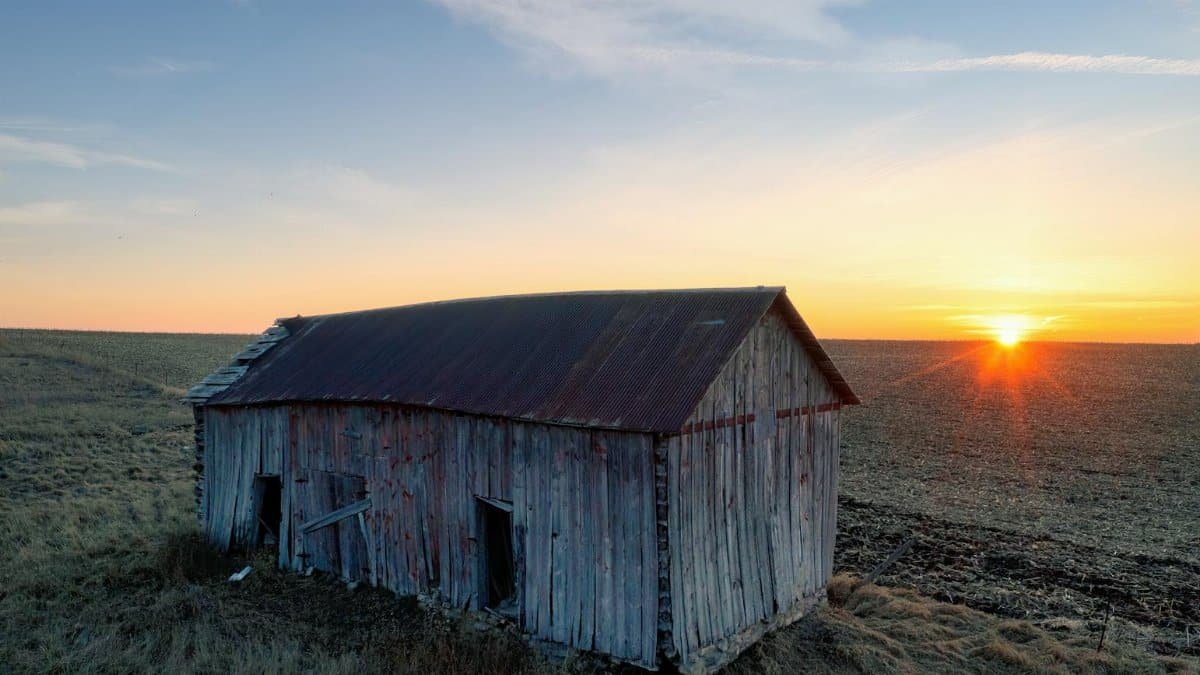
Imagine waking to the sound of birds instead of traffic horns. For many escaping burnout, rural areas in states like Minnesota or Iowa offer that simple promise. These places draw those weary of urban frenzy, providing wide-open spaces where one can breathe deeply and reflect. Take Sarah, a former marketing executive from Chicago, who described her move to a small farm town as “like shedding a heavy coat I’d worn too long.” She isn’t alone; reports indicate a 15% uptick in relocations to rural Midwest counties since 2020, driven by desires for affordability and tranquility.
This shift ties directly into burnout recovery, life reset, emotional safety. In these quiet locales, daily life slows, allowing time for mindfulness practices that rebuild emotional reserves. Experts note that proximity to nature reduces cortisol levels, the stress hormone often elevated in burnout cases. A study from the American Psychological Association emphasizes how such environments support mental health recovery by fostering a sense of security. Yet, it’s not without challenges—limited job opportunities can test one’s commitment to this new pace. Still, for those prioritizing healing, the trade-off feels worthwhile, turning isolation into intentional solitude.
Conversations with locals reveal layered stories. One anonymous account shared publicly online last year captured the essence: feeling “finally safe enough to unpack years of suppressed emotions” amid the rolling fields. This emotional unpacking is key to a life reset, where old patterns dissolve in the rhythm of seasonal changes.
2. Coastal Havens Along the Pacific Northwest
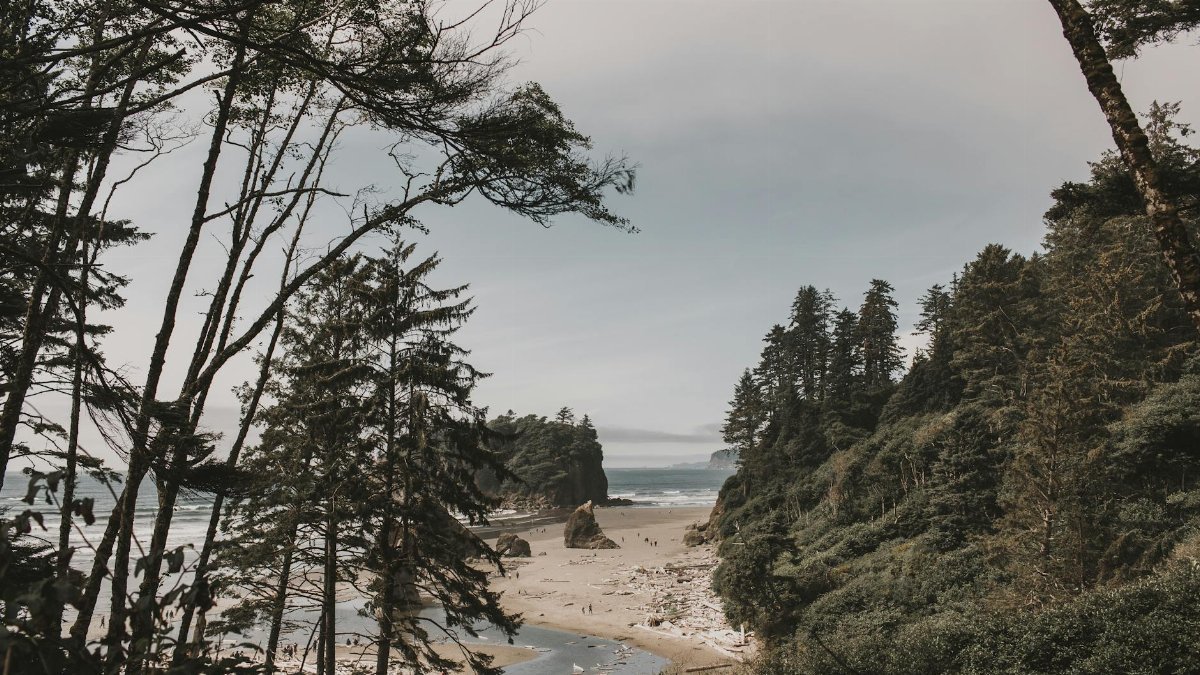
Why do so many post-burnout seekers head to the misty shores of Oregon or Washington? It starts with the ocean’s relentless yet soothing cadence, a natural antidote to the chaos of corporate life. Picture a foggy morning walk along rugged cliffs, where the salt air clears the mind. This region has seen a boom in newcomers, with data from the U.S. Census Bureau showing a 12% population increase in coastal counties over the past five years, much of it attributed to remote workers fleeing high-stress environments.
Here, burnout recovery, life reset, emotional safety manifest through community wellness programs and access to therapeutic landscapes. Yoga retreats and meditation centers dot the coastline, offering structured paths to emotional safety. Research from the National Institutes of Health links ocean proximity to improved mood and reduced anxiety, crucial for those resetting after burnout. But the appeal goes deeper; these areas encourage vulnerability, with support groups where stories of exhaustion are shared without judgment.
Not every transition is seamless. Some arrivals grapple with the region’s rainy weather, which can mirror internal gloom before giving way to clarity. Through it all, the Pacific Northwest teaches resilience, blending natural beauty with human connection to nurture a profound sense of safety.
3. Mountain Escapes in the Rockies
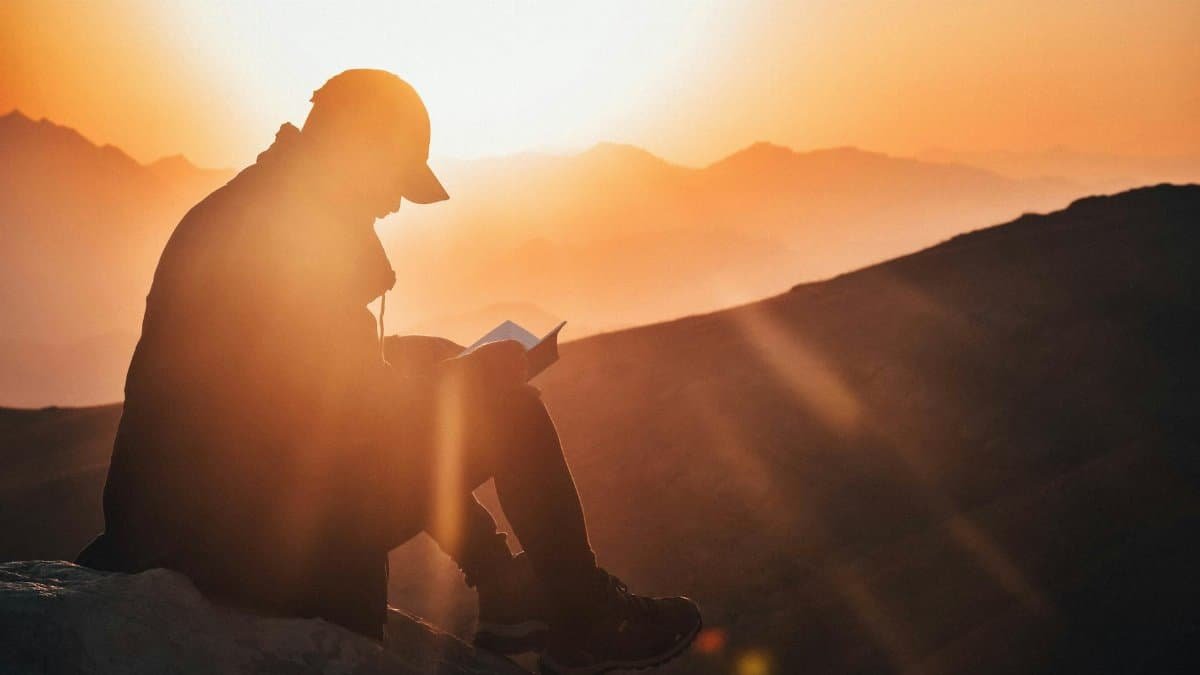
High altitudes often bring fresh perspectives, and for burnout survivors, the Rocky Mountains provide just that. Towns like Aspen or Boulder in Colorado attract those craving elevation—both literal and metaphorical. A former tech developer recounted hiking trails that “mirrored my journey out of mental fog,” highlighting how these peaks facilitate introspection. Migration patterns confirm this pull, with a Pew Research Center analysis noting increased moves to mountainous regions as people prioritize work-life balance in 2025.
Emotional safety thrives here amid supportive outdoor communities, where activities like skiing or climbing build trust and self-efficacy. This aligns with burnout recovery strategies, as physical exertion releases endorphins that combat fatigue. Yet, the isolation of winter months can intensify feelings of vulnerability, pushing individuals to confront unresolved issues head-on. It’s this very tension that enables a true life reset, transforming solitude into strength.
Local narratives add color: one public reflection described the mountains as “a silent therapist,” offering space to process without words. Such experiences underscore how these places foster emotional safety, allowing for gradual healing away from urban pressures.
4. Wellness-Focused Urban Enclaves in California

Not everyone flees cities entirely; some find refuge in wellness-oriented neighborhoods within them, like those in San Francisco or Los Angeles. These spots blend city energy with sanctuaries of calm—think rooftop gardens and holistic cafes. A graphic designer who relocated to Oakland shared how the area’s vibrant yet mindful vibe “reignited my creativity without the burnout cycle.” Urban migration data from the Census shows a subtle shift toward these hybrid zones, where access to therapy and wellness resources is abundant.
In these enclaves, burnout recovery, life reset, emotional safety are embedded in daily life through accessible mental health services and community events. A report from the Centers for Disease Control and Prevention highlights how urban green spaces contribute to emotional well-being, reducing the isolation that often accompanies burnout. However, the high cost of living poses a barrier, forcing newcomers to navigate financial stresses alongside personal growth.
What emerges is a dynamic balance: the buzz of city life tempered by intentional pauses. Anonymous online shares often express gratitude for this setup, noting how it provides “emotional anchors” in familiar yet refreshed surroundings, making the reset feel achievable without total upheaval.
5. International Sanctuaries Like Costa Rica

For those seeking a more dramatic shift, destinations abroad such as Costa Rica beckon with their “pura vida” ethos. This Central American gem has become a hotspot for Americans post-burnout, drawn by its biodiversity and laid-back culture. Picture expats trading boardrooms for beachside hammocks, as one former consultant did, describing the move as “a portal to rediscovering joy.” Expat numbers have surged, with estimates suggesting over 100,000 Americans now reside there, many citing recovery needs.
Burnout recovery, life reset, emotional safety flourish in this tropical setting through eco-therapy and communal living. Studies, including one from the World Health Organization, link immersion in diverse ecosystems to enhanced mental resilience. Yet, cultural adjustments can stir initial discomfort, from language barriers to adapting to a slower pace. These challenges, though, often deepen the reset, building emotional safety through newfound adaptability.
Reflections from those who’ve made the leap reveal profound transformations. One public account detailed emerging from burnout’s shadow amid rainforests, feeling “safely held by the earth’s rhythm.” In 2025, as global mobility eases, such international havens continue to symbolize bold steps toward holistic healing, reminding us that recovery sometimes requires crossing borders.