

A recent study from the American Psychological Association revealed that nearly 77% of Americans report experiencing stress that impacts their physical health, a figure that’s climbed steadily over the past decade. This surge highlights a growing need for emotional relief amid the relentless pace of modern life. Enter the concept of daily stress, emotional relief, slower living, which encourages seeking out environments that foster calm without artificial aids. In bustling cities and quiet suburbs alike, people are turning to natural spots to unwind. These places offer more than scenery; they provide a reset for the mind, allowing breaths to deepen and worries to fade. As we navigate 2025’s demands, from work pressures to digital overload, such havens become essential. This article explores five U.S. locations where nature inherently eases tension, drawing on research and real experiences to show how they promote a gentler rhythm.
1. National Forests: Immersing in Ancient Canopies
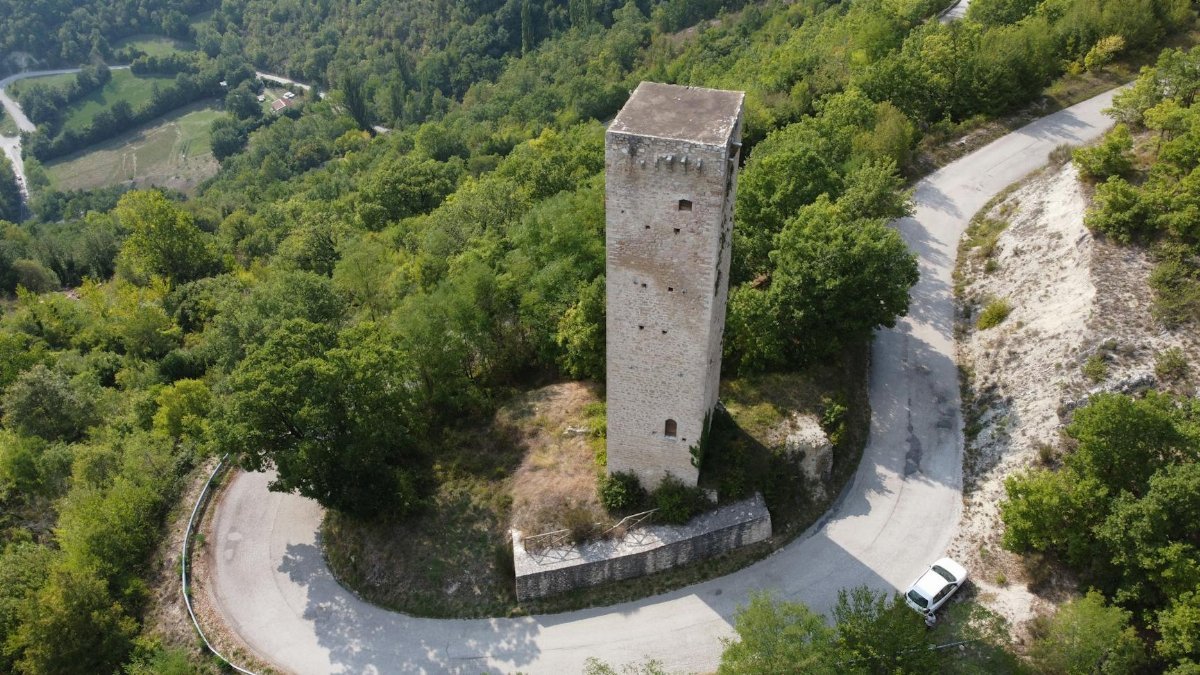
Deep within America’s national forests, like the sprawling Pisgah National Forest in North Carolina, visitors often describe a profound shift. The air thickens with the scent of pine and earth, muffling the outside world’s clamor. Studies suggest that spending time in forested areas can lower cortisol levels, the hormone tied to stress. One report from the U.S. Forest Service details how forest bathing, a practice borrowed from Japan but gaining traction here, enhances mood and reduces anxiety.
Imagine a middle-aged hiker pausing on a trail, the rustle of leaves overhead syncing with her slowing heartbeat. She isn’t rushing; there’s no deadline. This slower living counters the daily grind. Online, one anonymous account shared feeling “reborn” after a weekend in the woods, shedding emotional baggage like old bark. It’s not just escapism. Researchers note physiological benefits, including improved immune function. In 2025, with urban sprawl intensifying, these forests stand as sanctuaries, inviting us to reconnect with nature’s unhurried pace. Yet, accessibility remains a challenge; not everyone lives near one, prompting calls for more community green spaces. Still, even a short visit can recalibrate the soul, proving that relief often lies in simplicity.
Transitions between forest depths reveal varied terrains, from misty streams to sun-dappled clearings. Each step encourages mindfulness, a key to emotional relief. Experts from the American Psychological Association emphasize how such immersion combats burnout, prevalent among professionals juggling careers and family. A father recounted to friends how a family outing here dissolved his work worries, replaced by shared laughter over a picnic. These stories illustrate the forests’ power, blending solitude with subtle social bonds.
2. Coastal Beaches: The Rhythm of Waves and Tides

Along the shores of places like Cape Cod in Massachusetts, the ocean’s endless ebb and flow mirrors a life less hurried. Waves crash methodically, pulling stress out to sea with each retreat. This isn’t mere poetry; science backs it. A study published in the journal Health & Place found that proximity to blue spaces correlates with better mental health outcomes. The National Institutes of Health echoes this, noting reduced depression rates in coastal dwellers.
Picture a couple strolling barefoot at dawn, the cool sand grounding their thoughts. No emails ping; only gulls cry overhead. This embodies daily stress, emotional relief, slower living, where time stretches like the horizon. Challenges arise, though, with erosion and crowds in peak seasons, yet off-peak visits offer solitude. One public forum post described a solo trip here as “therapeutic,” washing away grief from a lost job. It’s a reminder that nature’s constancy provides stability amid personal chaos.
Diving deeper, the sensory overload of salt air and horizon views stimulates endorphins. Experts advise incorporating beach walks into routines for sustained benefits. In 2025, as remote work blurs boundaries, these escapes gain urgency. A retiree shared how regular visits helped manage chronic tension, turning potential isolation into peaceful reflection. The beach doesn’t solve everything, but it offers a canvas for processing emotions, fostering resilience through its timeless dance.
3. Mountain Retreats: Elevating Perspectives Above the Fray
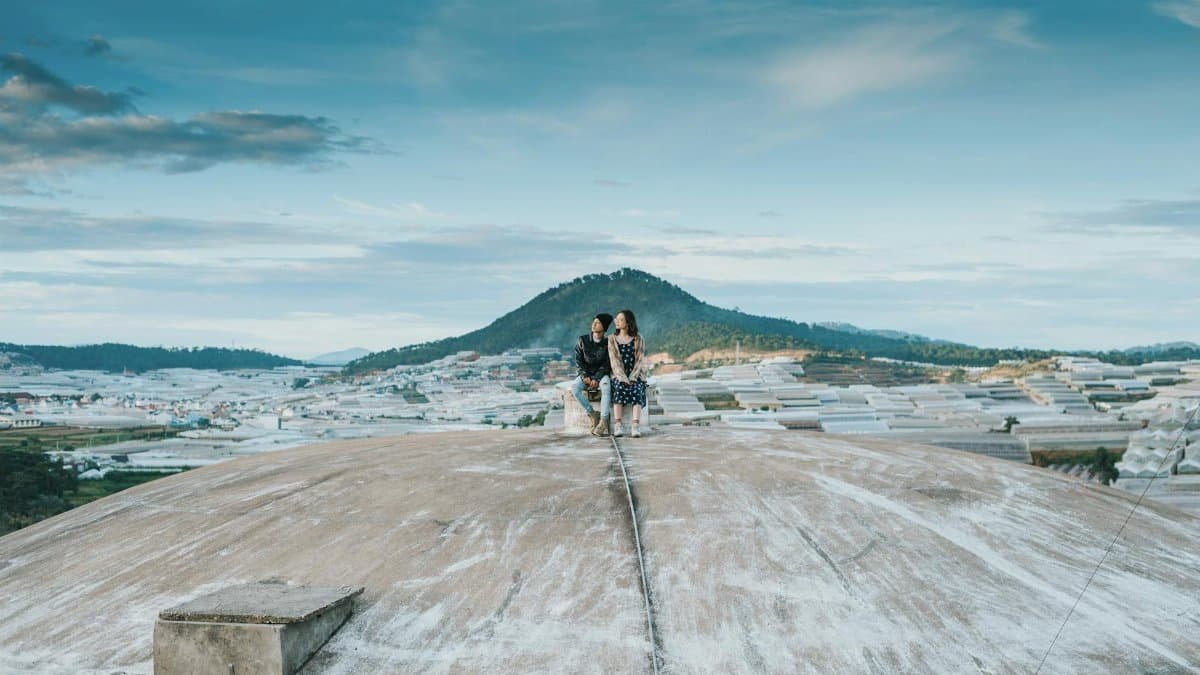
High in the Rockies, such as Rocky Mountain National Park in Colorado, elevation brings clarity. Trails wind upward, each vista peeling away layers of worry. Air thins, breaths deepen, aligning with slower living’s ethos. Research from the Pew Research Center indicates that outdoor activities in natural settings significantly alleviate stress for many Americans, especially post-pandemic.
A group of friends gathers at a lookout, silence broken only by wind. One reflects on career burnout, finding solace in the peaks’ indifference to human hustle. This isn’t about conquest; it’s surrender to scale. Yet, weather unpredictability and physical demands pose barriers. An online anecdote highlighted overcoming initial fatigue to reach a summit, emerging with renewed emotional strength. It’s a metaphor for life’s climbs, teaching patience.
Beyond hikes, simple picnics or cabin stays amplify relief. Studies link altitude to improved sleep, crucial for emotional balance. In today’s fast-paced world, these mountains urge a pause, reframing daily stress as surmountable. A teacher described how a weekend here rekindled her passion, dissolving resentment from endless grading. Tensions exist, like overtourism straining resources, but mindful visitation sustains these gems. Ultimately, mountains remind us that perspective shifts can transform inner landscapes.
4. Botanical Gardens: Cultivating Calm Amid Blooms

Urban oases like the New York Botanical Garden in the Bronx transform concrete jungles into breathing spaces. Pathways meander through vibrant flora, inviting lingering. The act of observing growth cycles promotes mindfulness, key to daily stress, emotional relief, slower living. A report from the Centers for Disease Control and Prevention underscores how green spaces in cities boost well-being, reducing urban isolation.
Visitors often sit on benches, watching petals unfurl, time losing its grip. A mother escapes family chaos here, finding her pulse steadying among orchids. Challenges include seasonal closures or entry fees, but free days democratize access. One shared experience online spoke of healing heartbreak amid roses, nature’s quiet empathy providing balm.
Engaging senses, from floral scents to textured leaves, grounds the mind. Horticultural therapy programs, increasingly popular in 2025, formalize this. Experts note lowered blood pressure after garden visits. A businessman recounted ditching his phone for an afternoon, emerging refreshed for board meetings. It’s not always serene; pollen or crowds can intrude, yet the overall effect nurtures patience. Gardens teach that growth, like relief, unfolds gradually, countering instant-gratification culture.
5. Lakeside Shores: Still Waters for Reflective Pauses

By the tranquil edges of Lake Tahoe straddling California and Nevada, stillness reigns. Water laps gently, mirroring skies and inviting introspection. This setting exemplifies slower living, where ripples replace rushes. Findings from environmental psychology, as detailed in a U.S. Forest Service publication, show lakeside environments fostering relaxation through visual and auditory calm.
A solo traveler dips toes in, thoughts drifting like autumn leaves. No agenda; just presence. Accessibility varies with seasons, winter snows closing paths, but year-round appeal persists. An anonymous online reflection described lakeside journaling as pivotal in overcoming anxiety, the water’s constancy anchoring turbulent emotions.
Activities like fishing or boating enhance engagement, yet mere sitting suffices. In 2025, with mental health awareness peaking, these spots gain followers. Research links water views to creativity spikes, aiding emotional processing. A couple shared how evenings here mended communication strains, fostering deeper bonds. Conflicts arise from pollution threats, urging conservation. Still, lakes embody resilience, their depths holding space for human vulnerabilities, turning stress into manageable waves.