

In the relentless hum of daily life, mental overload often feels like an overloaded circuit board, flickering under the weight of endless choices and distractions. Decision fatigue sets in, clouding judgment and sapping energy until clarity seems like a distant memory. Yet, certain places act as natural resets, quieting the noise and restoring focus. A recent study from the American Psychological Association highlights how environments influence cognitive load, showing that time in restorative settings can reduce mental fatigue by up to 20 percent. As we navigate 2025’s accelerating pace, with remote work blurring boundaries and digital demands ever-present, finding these havens becomes essential. This piece explores seven such locations where mental overload eases, drawing on research and real-world insights to reveal how they foster decision-making relief and sharper clarity. Each spot offers a unique way to step back, breathe, and reclaim mental space.
1. Forest Trails Amid Towering Trees
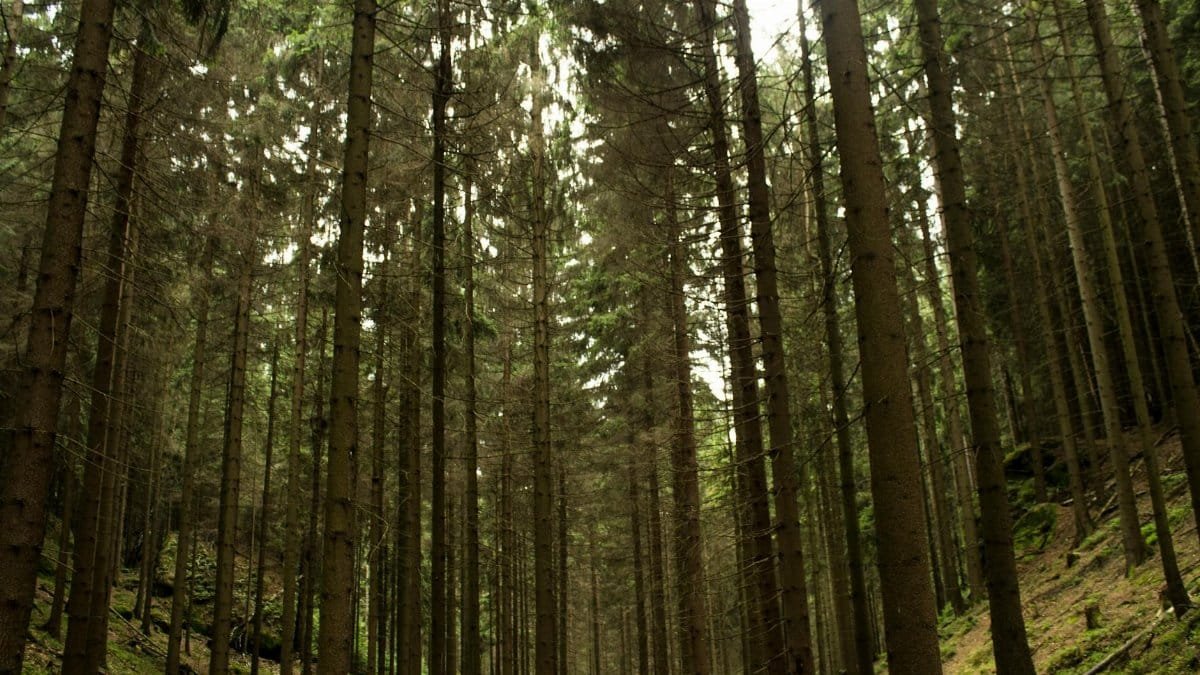
Stepping onto a shaded forest path, the world simplifies. Leaves rustle softly, birds call in the distance, and the air carries a fresh, earthy scent that grounds scattered thoughts. Researchers at Stanford University have found that walking in nature lowers activity in the brain’s subgenual prefrontal cortex, a region linked to rumination and overload. In one study, participants who strolled through wooded areas reported sharper focus and reduced decision fatigue afterward. Imagine a middle-aged hiker pausing by a stream, the constant pull of emails fading as choices narrow to just the next step forward. This isn’t mere escapism; it’s a deliberate reset. Online discussions often reveal similar relief, with one anonymous account describing how a weekly forest walk transformed overwhelming work stress into manageable clarity, emphasizing the healing power of immersion in green spaces. Forests don’t demand decisions; they invite presence, easing the mental churn that plagues so many.
Yet, not all trails are equal. Urban dwellers might seek out local preserves, where even a short loop can mimic wilderness benefits. The key lies in disconnection—leaving devices behind to let the mind wander freely. As trends in 2025 lean toward wellness retreats, forests stand out for their accessibility, requiring no fancy gear or fees. They remind us that clarity emerges not from forcing solutions but from allowing the brain to idle, recharging for better choices ahead.
2. Secluded Beaches at Dawn

Picture the ocean’s edge just as the sun crests the horizon, waves lapping rhythmically against the sand. No crowds, no clamor—just the vast expanse inviting quiet reflection. This setting combats mental overload by engaging the senses in a soothing loop, as noted in a report from the National Institutes of Health, which links coastal environments to lowered cortisol levels and improved cognitive function. One visitor might stand barefoot, feeling the cool grains shift underfoot, decisions about the day ahead dissolving into the tide’s pull. It’s a space where decision fatigue melts away, replaced by instinctive clarity born from simplicity.
Contrast this with busier shores; dawn offers solitude, amplifying the restorative effect. Studies suggest that blue spaces like beaches enhance mood and reduce fatigue more effectively than urban parks. For someone juggling family and career, this early-morning ritual becomes a sanctuary, a brief interlude where priorities realign without effort. In healing terms, it’s about emotional safety over achievement, letting the horizon’s infinity mirror an unburdened mind.
3. Quiet Libraries with Dusty Shelves

Amid rows of books, silence reigns, broken only by the occasional page turn. Libraries serve as intellectual oases, where mental overload dissipates through focused exploration or aimless browsing. A Pew Research Center analysis shows that public libraries remain vital for community well-being, with many users citing them as places for mental respite. Consider a reader settling into a worn armchair, the weight of daily decisions lifting as they lose themselves in a novel—clarity emerging from narratives that mirror life’s complexities without demanding action.
This isn’t about productivity; it’s a pause that fosters decision-making recovery. In 2025, with digital overload rampant, libraries offer analog relief, their hushed atmospheres encouraging deep thought. One anonymized story from public shares recalls a professional overwhelmed by choices finding solace in random shelf picks, leading to unexpected insights. Such spots underscore how structured quiet can rebuild mental reserves, turning fatigue into renewed perspective.
4. Home Sanctuaries in Cozy Corners

Within one’s own walls, a dedicated nook—perhaps a sunlit window seat piled with cushions—becomes a personal haven. Here, mental overload eases through familiarity and control, allowing customization for ultimate calm. The Mayo Clinic emphasizes creating home environments that promote relaxation, noting that personalized spaces can significantly alleviate decision fatigue by minimizing external stimuli. A parent might retreat here after a hectic day, sipping tea as thoughts untangle, clarity surfacing in the comfort of routine.
Unlike public venues, home spots evolve with needs, from meditation altars to reading retreats. Research indicates that consistent use of such areas builds resilience against overload. In an era of hybrid work, these corners gain importance, offering quick resets without travel. They highlight a shift toward prioritizing emotional safety, where achievement takes a backseat to self-care, fostering decisions grounded in true clarity rather than haste.
5. Mountain Overlooks with Sweeping Views

Perched on a rocky outcrop, the world sprawls below in panoramic splendor. Mountains provide elevation not just physically but mentally, lifting one above the fray of overload. A study published in the Journal of Environmental Psychology, accessible via ScienceDirect’s Journal of Environmental Psychology page, demonstrates how high-altitude vistas enhance awe, which in turn reduces cognitive fatigue and boosts clarity. Hikers often describe a moment of epiphany, where petty decisions fade against nature’s scale.
This awe factor differentiates mountains from flatter terrains, promoting a broader perspective. For midlife adventurers, it’s a metaphor for rising above life’s clutter. As 2025 sees more emphasis on outdoor therapy, these overlooks become prescribed escapes, weaving healing into everyday pursuits.
6. Urban Parks in the Heart of the City

Even in bustling metropolises, a park bench under leafy canopies offers respite. These green pockets disrupt urban chaos, easing mental overload through accessible nature. The Centers for Disease Control and Prevention reports that urban green spaces correlate with lower stress levels, as detailed on their Healthy Living: Parks and Recreation page. A city dweller might pause here during lunch, watching squirrels dart about, decision fatigue dissolving amid the greenery.
Parks bridge convenience and calm, ideal for those short on time. Unlike remote spots, they’re integrated into daily life, making clarity routine. One shared experience online notes how regular park visits turned overwhelming commutes into opportunities for mental recharge, emphasizing their role in urban healing.
7. Serene Gardens with Blooming Paths

Wandering through cultivated gardens, flowers nod in the breeze, colors vivid and scents intoxicating. These spaces cultivate inner peace, countering overload with deliberate beauty. Harvard Medical School’s health publications, found on their Harvard Health Publishing site, discuss how gardening and garden exposure improve mental clarity by engaging mindfulness. A visitor might trace petal patterns, thoughts clarifying as they align with nature’s cycles.
Gardens differ by their intentional design, fostering contemplation over wild exploration. In 2025’s wellness landscape, community gardens surge, providing communal yet personal relief from decision fatigue. They embody healing through growth, where emotional safety blooms, guiding toward sustained clarity without the pressure of achievement.
Reflecting on these locations, it’s evident that easing mental overload isn’t about grand escapes but intentional pauses. Each spot, from forests to gardens, invites a step back, nurturing the clarity we all seek in a demanding world.