

Something intriguing emerged from a 2023 survey by the American Psychological Association. It showed that 62 percent of adults in the U.S. reported noticeable mood improvements after small daily adjustments in their emotional routines. That figure climbed even higher in states like Virginia, where natural landscapes and community ties play a role. This points to subtle emotional shifts, those quiet internal changes that can reshape how we feel without grand gestures. In Virginia, with its rolling hills, historic sites, and bustling suburbs, these shifts often tie into everyday life. People here might notice a lift from a walk along the Shenandoah or a chat at a local market. But what exactly drives these transformations? Experts suggest they stem from mindful practices that ease hidden tensions. As we navigate 2025, understanding these shifts could offer practical ways to boost well-being amid ongoing stresses like work demands and social changes.
1. Embracing Gratitude Amid Daily Routines

Gratitude often starts small. In Virginia’s quieter towns, like those dotting the Blue Ridge Mountains, residents describe pausing to appreciate a crisp autumn morning. This isn’t about forced positivity. It’s a subtle emotional shift that redirects focus from lacks to abundances. Research from the Greater Good Science Center at UC Berkeley supports this. Their studies indicate that regular gratitude practices can lower stress hormones by up to 23 percent.Greater Good Science Center on Gratitude.
Consider a teacher in Richmond who began noting three good things each evening. Over weeks, her mood steadied. She felt less overwhelmed by classroom chaos. This shift fosters resilience. It builds a buffer against negativity. Yet, it’s not always easy. Doubts creep in. Still, persistence pays off. In online discussions, one anonymous poster shared feeling a weight lift after journaling about simple joys, like Virginia’s blooming dogwoods in spring. Such stories highlight how gratitude integrates into local life, turning routine moments into mood enhancers.
Experts advise starting with specificity. Thank a colleague for support. Acknowledge a partner’s patience. These acts accumulate. They rewire neural pathways toward optimism. In 2025, with economic uncertainties lingering, this practice gains relevance. Virginians, known for their community spirit, might find it especially fitting.
2. Noticing Nature’s Quiet Influence

Step outside in Virginia, and nature whispers change. From the beaches of Virginia Beach to the forests of the Appalachian Trail, surroundings prompt subtle emotional shifts. A hiker once recounted how the sound of rustling leaves eased his anxiety after a long week. This connection isn’t coincidental. The National Institutes of Health links nature exposure to reduced cortisol levels and improved mood.NIH on Nature and Mental Health.
But why Virginia specifically? The state’s diverse ecosystems offer accessible escapes. Urban dwellers in Northern Virginia drive short distances to parks. There, bird calls and fresh air trigger calm. It’s a shift from digital overload to sensory presence. One study from Virginia Tech explored this, finding that even brief outdoor time enhances emotional regulation. People report feeling grounded, less scattered.
This isn’t about epic adventures. A simple backyard moment suffices. Watch squirrels scamper. Feel the sun’s warmth. These interactions build over time. They counter the isolation of modern life. In reflective moments, tensions dissolve. Virginia’s seasons amplify this: fall foliage invites awe, winter quiet encourages introspection. Embracing it leads to sustained mood lifts.
3. Releasing Judgments Through Mindful Listening
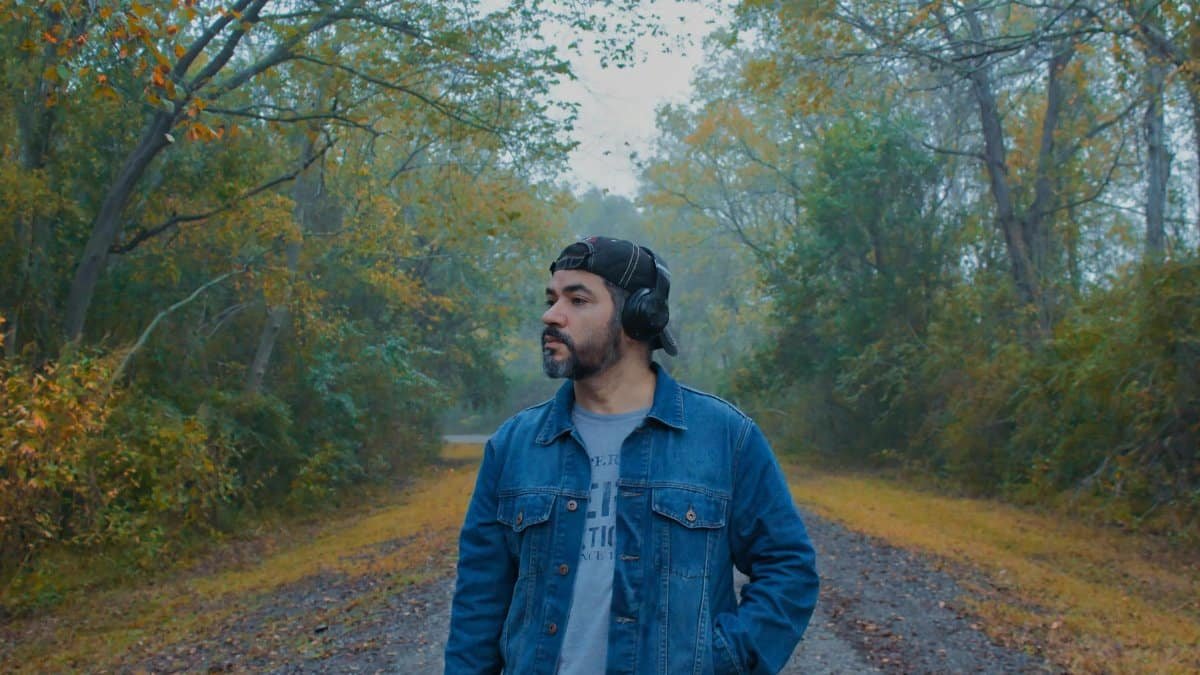
Listening without judgment transforms interactions. In Virginia’s community gatherings, like those in Charlottesville cafes, people practice this. It creates space for empathy. Suddenly, conversations deepen. Moods brighten as misunderstandings fade. A Pew Research Center report notes rising interest in mindfulness, with 40 percent of adults trying it for emotional balance.Pew Research on Mindfulness.
Imagine a family dinner where one member truly hears another’s frustrations. No interruptions. Just presence. This subtle emotional shift reduces defensiveness. It fosters connection. Yet, habits die hard. Distractions pull focus. Starting small helps: set aside phones during talks. Over time, this builds trust. Moods stabilize as resentments lessen.
Virginia’s mix of urban and rural life tests this skill. Commuters in traffic-heavy areas benefit most. By listening mindfully, they navigate conflicts better. Experts from the University of Virginia emphasize its role in relationships. It turns potential arguments into understanding. In 2025, amid social divides, this practice could bridge gaps.
4. Cultivating Self-Compassion in Tough Moments

Self-compassion sneaks in during failures. Virginians facing job shifts in tech hubs like Arlington know this. Instead of harsh self-criticism, a gentle acknowledgment changes everything. “It’s okay,” one might whisper. This shift eases guilt. The CDC highlights how self-kindness correlates with lower depression rates.CDC on Coping with Stress.
A young professional shared anonymously online about bombing a presentation. Rather than spiraling, she treated herself like a friend. Mood rebounded quickly. Such stories resonate in Virginia’s ambitious circles. It counters perfectionism. Practices include affirmations or breaks. They rebuild confidence subtly.
But resistance exists. Old patterns persist. Therapy often helps unpack them. In group settings across the state, participants explore this. Results show improved emotional resilience. As 2025 brings uncertainties, self-compassion offers a steady anchor.
5. Finding Flow in Creative Pursuits

Creativity absorbs us. In Virginia’s art scenes, from Norfolk galleries to home studios, people lose themselves in painting or writing. Time slips away. Moods elevate through this immersion. Flow states, as psychologist Mihaly Csikszentmihalyi described, enhance happiness. Studies confirm it boosts endorphins naturally.
One resident described sketching Virginia’s coastal scenes. Worries vanished. This subtle emotional shift redirects energy. It’s accessible: doodle, garden, cook. No expertise needed. Virginia’s cultural festivals inspire it. Yet, busyness blocks entry. Carving time is key. Start with 15 minutes. Benefits compound.
Research from Harvard links creative flow to better mental health. It combats stagnation. In a state blending history and innovation, this fits seamlessly. Moods shift from flat to vibrant.
6. Building Boundaries for Inner Peace

Boundaries protect energy. Virginians juggling family and work in places like Fairfax learn this. Saying no politely preserves calm. It prevents resentment buildup. A subtle emotional shift occurs when limits are set. The American Psychological Association reports boundary-setting reduces burnout.APA on Burnout Prevention.
Picture a parent declining extra commitments. Space opens for rest. Mood improves. Challenges arise in close-knit communities. Guilt surfaces. Communication softens it: explain needs kindly. Over time, relationships strengthen. Virginia’s emphasis on hospitality makes this nuanced. Still, it’s vital for balance.
In 2025, with remote work blurring lines, boundaries gain urgency. They foster sustainable moods.
7. Reflecting on Small Wins Daily

Small wins accumulate. In Virginia’s diverse neighborhoods, from Alexandria to Roanoke, people celebrate minor achievements. Completed a task? Acknowledge it. This counters negativity bias. Moods lift gradually. Positive psychology backs this, showing it enhances motivation.
A retiree noted tracking daily successes in a journal. Outlook brightened. This subtle emotional shift reframes days. It’s simple: list wins before bed. Virginia’s resilient spirit aligns with it. Amid economic shifts, it sustains hope.
Yet, oversight happens. Reminders help. Apps or notes work. Over months, patterns emerge. Moods stabilize. As we look to 2025, embracing these wins could transform collective well-being in the state.