
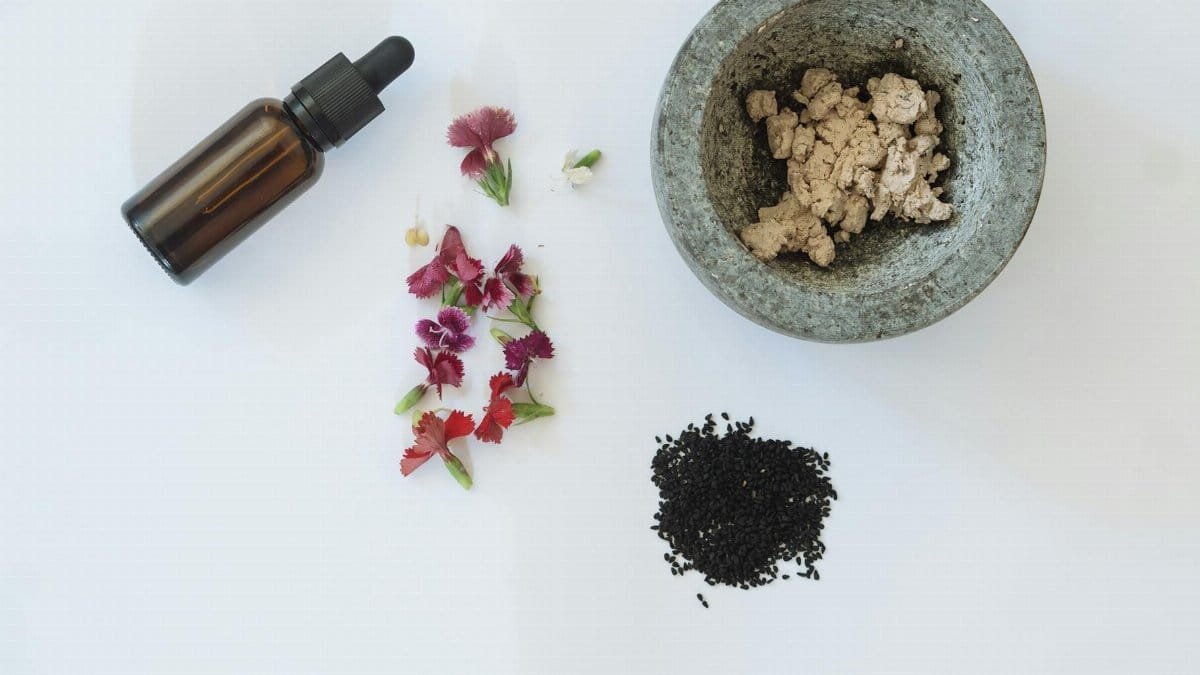
A recent study from the National Institutes of Health showed that nearly 40 percent of American adults now turn to herbal supplements for stress relief, a sharp rise from just a decade ago. This surge reflects a broader shift amid the relentless pace of modern life, where burnout has become almost commonplace. In bustling cities like New York or Los Angeles, people are seeking simpler ways to unwind without relying on pharmaceuticals. Enter the world of natural ingredients that improve relaxation—subtle yet powerful elements drawn from plants, minerals, and teas. These aren’t quick fixes but gentle allies in fostering calm. As we navigate 2025’s demands, from hybrid work stresses to digital overload, understanding these ingredients offers a practical path to reclaiming peace. It’s not about escaping reality but enhancing our ability to handle it.
1. Lavender

Lavender has long been a staple in the quest for tranquility. Its soft purple blooms release an aroma that seems to whisper calm into the air. Think of a quiet evening where the scent drifts from a diffuser, easing the mind after a chaotic day. Research backs this up; a study published in the journal Frontiers in Behavioral Neuroscience found that inhaling lavender oil reduced anxiety levels in participants facing stressful tasks. You can find more on this at Frontiers in Behavioral Neuroscience.
One anonymous account shared online described steeping lavender tea before bed, noting how it melted away the tension from endless Zoom calls. Such stories highlight lavender’s versatility—beyond teas, it’s in essential oils or bath salts. Yet, not everyone responds the same. Some find the scent overpowering, a reminder that natural remedies require experimentation. Still, for many middle-aged professionals juggling careers and family, lavender provides that elusive moment of reprieve.
2. Chamomile
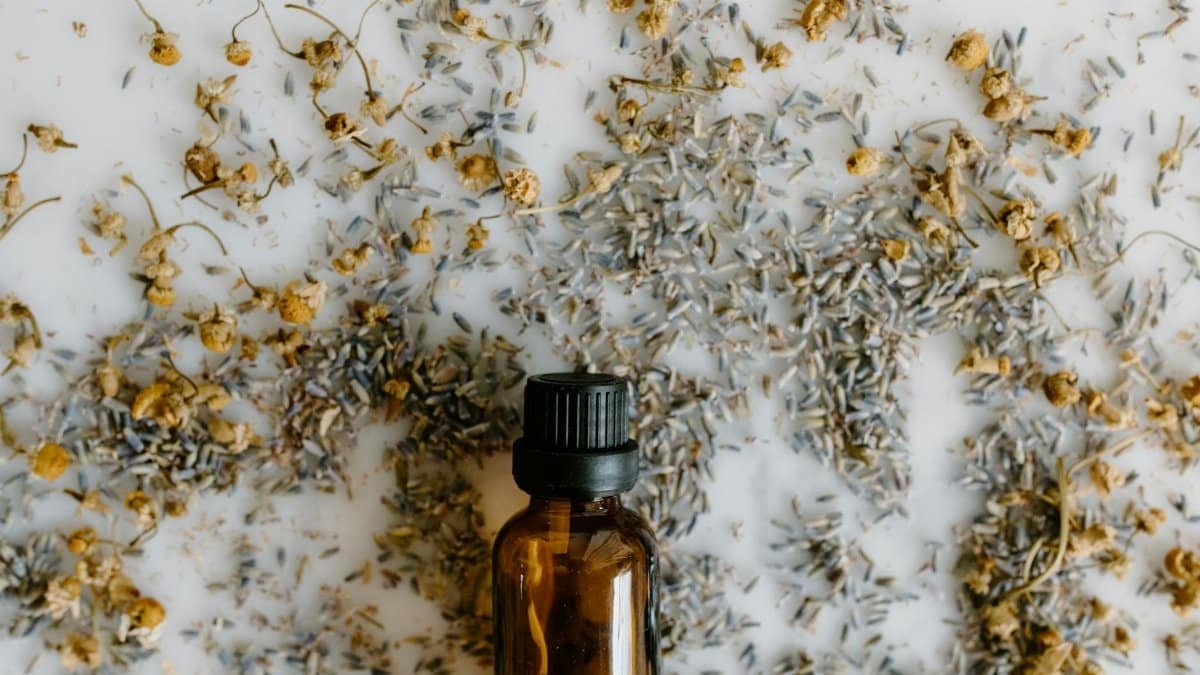
Picture a steaming mug on a rainy afternoon, the floral notes of chamomile inviting a pause. This herb, with its daisy-like flowers, has roots in ancient medicine for soothing nerves. Modern science echoes that wisdom. According to the National Center for Complementary and Integrative Health, chamomile’s compounds like apigenin bind to brain receptors, promoting mild sedation. Details are available at NCCIH on Chamomile.
In everyday life, chamomile shines in simple rituals. A woman in her fifties once recounted how switching to chamomile tea curbed her evening restlessness, allowing deeper sleep without grogginess. It’s not magic, but a steady companion against the subtle anxieties that build up. Pair it with honey for a touch of sweetness, or blend it into smoothies. The key is consistency; over time, it helps recalibrate the body’s stress response, making relaxation feel more attainable amid life’s ebb and flow.
3. Valerian Root
Valerian root digs deeper into sleep troubles, often the hidden thief of true relaxation. Derived from a perennial plant native to Europe and Asia, it carries an earthy scent that some liken to old socks—yet its effects are anything but off-putting. Clinical trials suggest it enhances GABA levels in the brain, fostering calm. The Mayo Clinic outlines its potential benefits and caveats at Mayo Clinic on Valerian.
Imagine a harried parent finally dozing off after a capsule of valerian, the day’s worries fading into quiet. Online forums buzz with similar tales, one user anonymously sharing how it tamed their insomnia without the haze of stronger meds. But caution matters; it can interact with medications, so consulting a doctor is wise. For those in their forties navigating midlife pressures, valerian offers a bridge to restorative nights, underscoring how natural ingredients improve overall well-being through better rest.
4. Ashwagandha

Ashwagandha steps in as an adaptogen, helping the body adapt to stress like a seasoned guide through turbulent waters. This shrub from India boasts withanolides that modulate cortisol, the stress hormone. A review in the Journal of Alternative and Complementary Medicine supports its role in reducing anxiety. Access the journal’s resources at Journal of Alternative and Complementary Medicine.
Consider the story of a mid-career executive who incorporated ashwagandha powder into morning smoothies, finding his afternoons less fraught with overwhelm. It’s not an overnight transformation but a gradual shift toward equilibrium. Some experience digestive tweaks at first, a nudge to start slow. In 2025, with wellness trends emphasizing resilience, ashwagandha stands out for its holistic approach, blending ancient wisdom with contemporary needs to foster sustained calm.
5. Lemon Balm
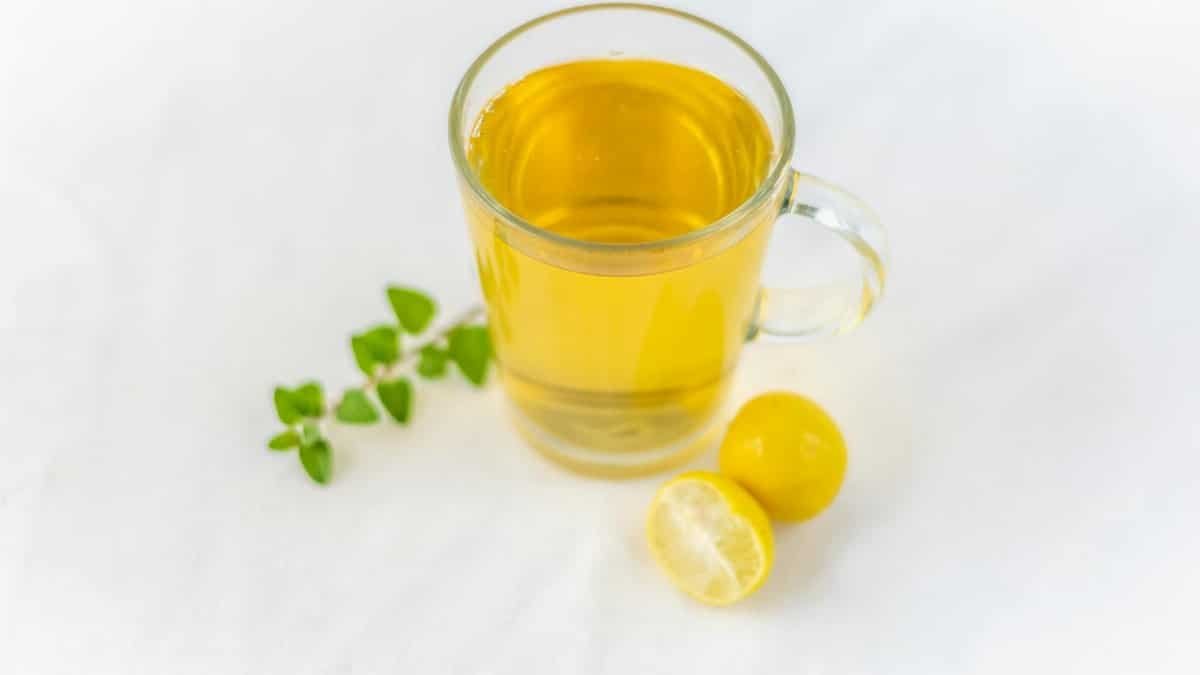
Lemon balm brings a citrusy lightness to the heavier burdens of tension. Part of the mint family, its leaves release a fresh scent that uplifts while soothing. Studies indicate it calms the nervous system by boosting GABA activity. The University of Maryland Medical Center provides insights at University of Maryland Medical Center, though specific herbal pages may vary—search for lemon balm there.
A brief vignette: an artist in Chicago brewed lemon balm tea during creative blocks, watching inspiration return as anxiety ebbed. Such moments illustrate its gentle power. Brew it fresh or use tinctures; it’s forgiving for beginners. Amid the push for mindfulness in American culture, lemon balm encourages pausing, proving that natural ingredients improve relaxation by inviting subtle joy back into daily routines.
6. Passionflower

Passionflower vines its way into relaxation lore with intricate blooms symbolizing serenity. Native to the Americas, its extracts quiet racing thoughts. Research from the National Institutes of Health links it to improved sleep quality. Explore more at NIH Study on Passionflower.
Envision a retiree sipping passionflower infusion on a porch, the evening’s calm settling in like an old friend. Anonymized shares online often mention its help with menopausal restlessness, adding a layer of relatability for middle-aged readers. It’s not without side effects for some, like drowsiness, so timing matters. As we face evolving stressors in 2025, passionflower reminds us of nature’s nuanced tools for balance.
7. Holy Basil

Holy basil, or tulsi, carries a sacred aura in Ayurvedic traditions, now gaining traction stateside for stress relief. Its eugenol content fights inflammation tied to anxiety. The Journal of Ayurveda and Integrative Medicine details its adaptogenic properties at Journal of Ayurveda and Integrative Medicine.
One person’s experience: incorporating tulsi tea into breaks at work transformed frantic days into manageable ones, energy steady without crashes. This herb thrives in gardens too, offering a hands-on connection. For those exploring natural ingredients that improve mood, holy basil bridges cultural divides, promoting a grounded calm that’s both ancient and timely.
8. Magnesium
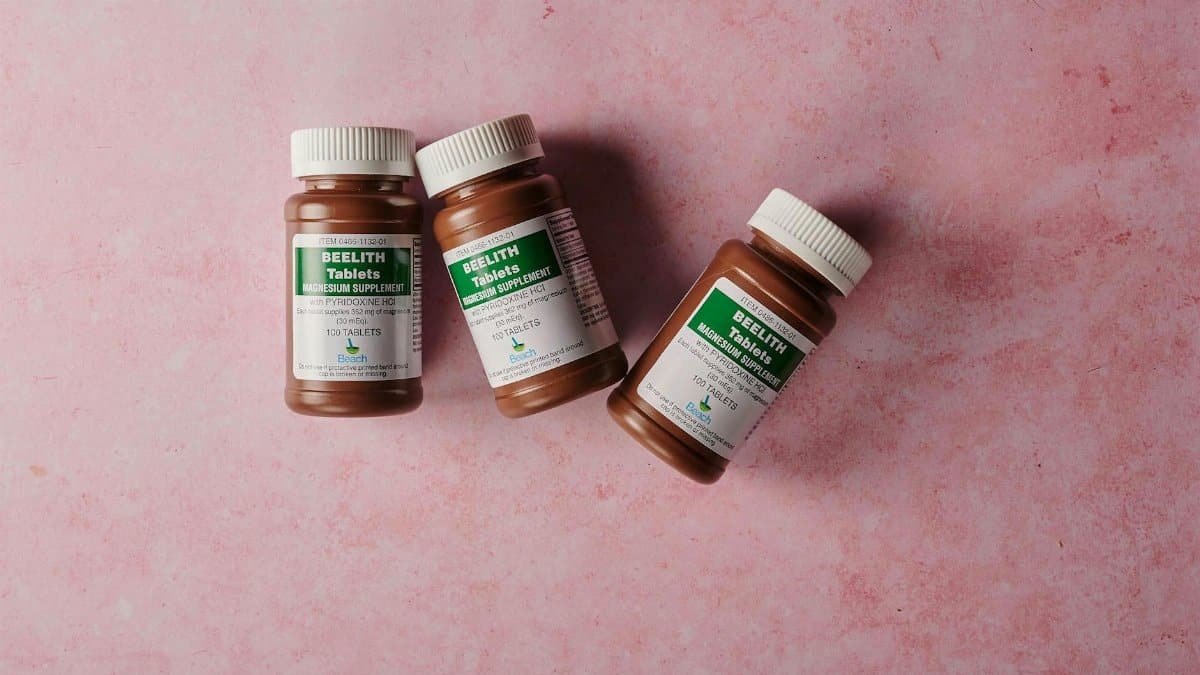
Magnesium acts as a mineral anchor, often deficient in diets heavy on processed foods. Found in leafy greens and nuts, it regulates neurotransmitters for relaxation. The Office of Dietary Supplements at NIH explains its role at NIH on Magnesium.
Recall a busy teacher who added magnesium-rich spinach to meals, noticing fewer tension headaches. It’s subtle, yet profound—deficiencies amplify stress, so replenishing helps. Supplements exist, but food sources shine. In an era of nutrient awareness, magnesium underscores how natural ingredients improve relaxation from the inside out.
9. L-Theanine

L-theanine, abundant in green tea, promotes alert calm without jitters. It boosts alpha brain waves, as per studies in Nutritional Neuroscience. Find the journal at Nutritional Neuroscience.
A remote worker described pairing it with caffeine for focused afternoons, mind clear and body at ease. This amino acid exemplifies synergy in nature. As 2025 brings more hybrid lifestyles, L-theanine offers a bridge to productive peace, highlighting how natural ingredients improve our capacity for balanced living.