

In a fast-paced world where stress levels are soaring, a surprising statistic offers a glimmer of hope: according to a 2024 survey by the American Psychological Association, nearly 40% of Americans report finding solace in nature-based activities, up from 28% just five years ago. This shift highlights how simple interactions with the environment can foster emotional calm. Nowhere is this more evident than in North Carolina, where the blend of diverse ecosystems from mountains to coast provides unique opportunities. Here, the concept of animal, people, north takes on a tangible form, as locals and visitors alike draw on wildlife cues to decelerate their hectic lives. These subtle signals from the animal kingdom aren’t just background noise; they’re invitations to pause, breathe, and reconnect with a slower rhythm. As we navigate 2025’s demands, understanding these cues could be key to reclaiming balance.
1. The Gentle Rustle of Deer in the Blue Ridge Mountains
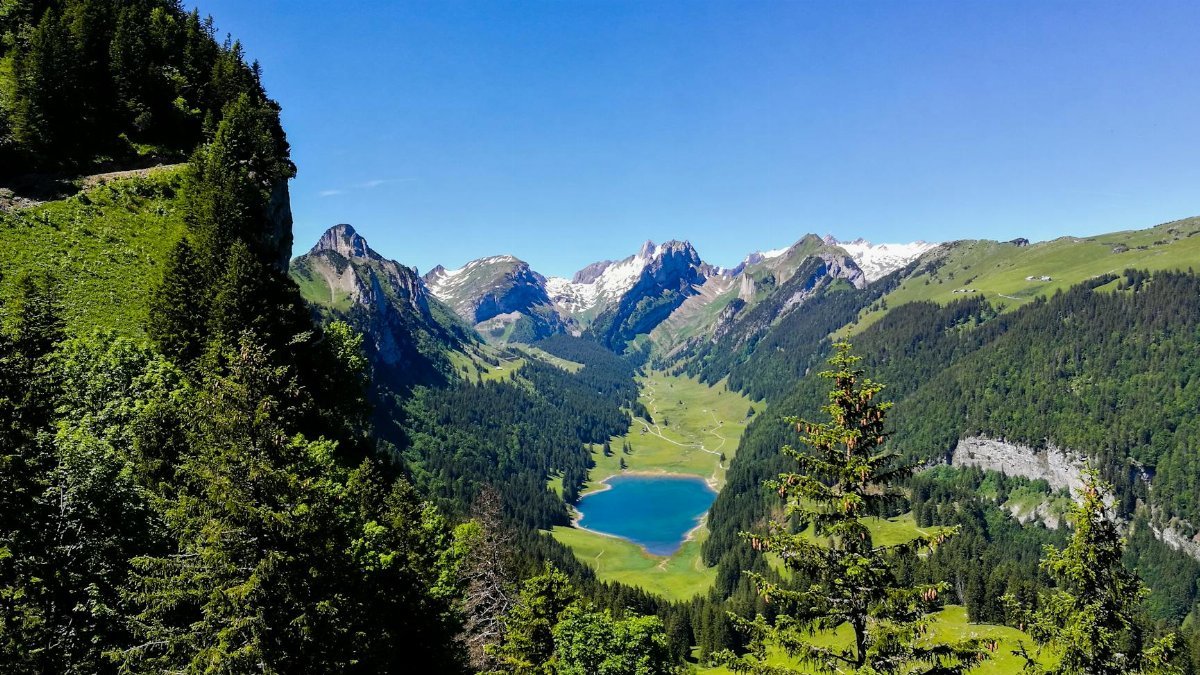
Amid the misty peaks of North Carolina’s Blue Ridge Mountains, deer often emerge at dusk, their soft steps a quiet reminder to unwind. These graceful creatures, with their alert yet serene presence, embody a natural patience that contrasts sharply with urban rush. Picture a hiker pausing on a trail as a doe and her fawn graze nearby, the scene unfolding without hurry. This interaction isn’t accidental; studies show that observing wildlife can lower cortisol levels, promoting relaxation.
One anonymous account shared publicly online described a moment like this: feeling overwhelmed by work emails, the person stepped outside and watched a deer family, suddenly sensing the weight lift. It’s these unscripted encounters that highlight how deer cues encourage mindfulness. In Asheville’s surrounding forests, such sightings are common, drawing people to trails where time seems to stretch. Rather than rushing through, visitors learn to mirror the deer’s deliberate movements, fostering a deeper calm.
Research supports this: a study from the U.S. Forest Service notes how forest wildlife viewing reduces stress markers. Yet, it’s not all idyllic; habitat loss poses challenges, urging conservation efforts to preserve these peaceful moments.
2. Birdsong Symphonies Along the Outer Banks

Start with a question that lingers: have you ever let the trill of a shorebird pull you from your thoughts? On North Carolina’s Outer Banks, the calls of pelicans and gulls create a coastal chorus that naturally slows the mind. These avian signals, rhythmic and unforced, act as auditory anchors in a noisy world.
Imagine standing on a windswept beach as dawn breaks, the birds’ melodies blending with wave crashes. This isn’t mere ambiance; it’s a cue to breathe deeper. Locals in places like Nags Head swear by early morning walks where such sounds reset their pace, turning frantic days into measured ones.
Diving into the science, birdsong has been linked to improved mood and reduced anxiety. A report from the National Park Service explores how natural acoustics in coastal areas like Cape Hatteras enhance well-being. But tensions arise when tourism disrupts nesting sites, reminding us to tread lightly. Through it all, these feathered prompts invite a gentler flow, weaving calm into everyday routines.
3. The Steady Hum of Bees in Piedmont Gardens

Bees buzzing through blooming fields in North Carolina’s Piedmont region offer a subtle lesson in focus and ease. Their diligent yet unhurried work ethic mirrors a balanced approach to life, encouraging observers to dial back their own frenzy.
Consider a community garden in Raleigh, where volunteers pause amid the hives to watch the insects at play. One might recall a busy parent who, after a chaotic week, found solace in this hum, describing it as a “natural meditation.” Such stories underscore how bee activity fosters presence, pulling people from digital distractions.
Evidence backs this up: pollination studies indicate that engaging with insects like bees can boost mental clarity. The Pollinator Stewardship Council provides insights into how these interactions support emotional health. Challenges persist, though, with pesticide threats endangering populations. Still, in 2025, as urban gardens grow, these cues remain vital for slowing down amid modern pressures.
4. Frog Choruses in the Great Dismal Swamp

Deep in the Great Dismal Swamp, straddling North Carolina and Virginia, the evening croaks of frogs form a symphony that demands attention. These amphibians, with their persistent yet soothing calls, signal a shift toward tranquility as night falls.
A visitor once shared an experience of camping there, the frog sounds lulling away city stress, like an organic lullaby. It’s not just poetic; this auditory cue helps regulate breathing, aligning human rhythms with nature’s pace.
Scientific backing comes from wetland research showing amphibian sounds aid relaxation. The U.S. Fish and Wildlife Service details how such environments promote biodiversity and human calm. Yet, climate change threatens these habitats, adding urgency to preservation. In this context, frog cues become more than background; they’re calls to embrace slowness deliberately.
5. Squirrel Antics in Urban Charlotte Parks
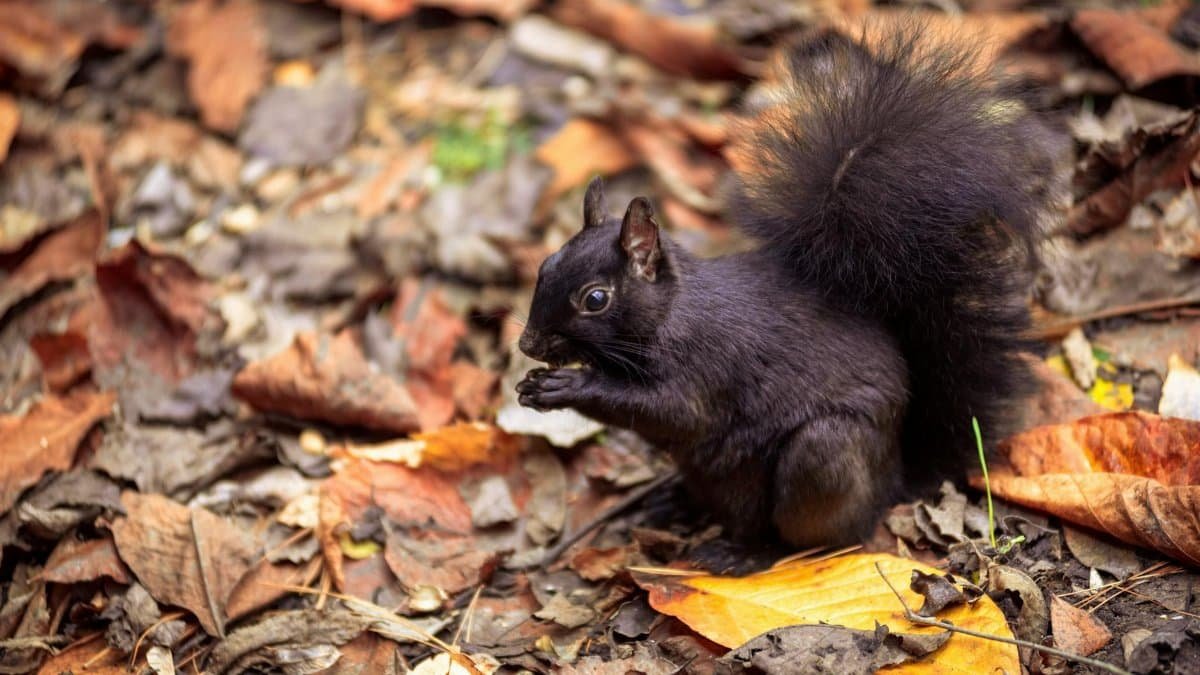
Even in bustling Charlotte, squirrels darting through city parks provide playful reminders to pause. Their energetic yet brief bursts of activity contrast with endless human busyness, offering cues to intersperse rest.
Observe a family picnic where kids giggle at squirrels chasing acorns, the adults unwittingly unwinding too. This lighthearted spectacle turns ordinary outings into moments of joy, easing mental loads.
Urban wildlife studies affirm this: interactions with common animals like squirrels enhance urban well-being. A publication from U.S. Geological Survey explores these benefits in growing cities. Conflicts arise with habitat encroachment, but in 2025, park initiatives aim to harmonize spaces. Through it, squirrel cues subtly teach the art of slowing amid chaos.
6. Turtle Sightings Along the Cape Fear River

Turtles basking on logs in the Cape Fear River embody deliberate slowness, their unhurried sunning a visual prompt for patience. In Wilmington’s waterways, these reptiles invite reflection on life’s tempo.
Envision a kayaker gliding by, spotting a cluster of turtles, and feeling compelled to linger. One such paddler recounted how this sight melted away deadline worries, fostering a rare stillness.
Research on reptiles and human interaction suggests viewing them reduces heart rates. The North Carolina Wildlife Resources Commission offers data on local species and their ecological roles. Pollution remains a hurdle, yet conservation efforts bolster these serene encounters. As North Carolina evolves, turtle cues persist as anchors for calm.
7. Owl Calls in the Nantahala Forest
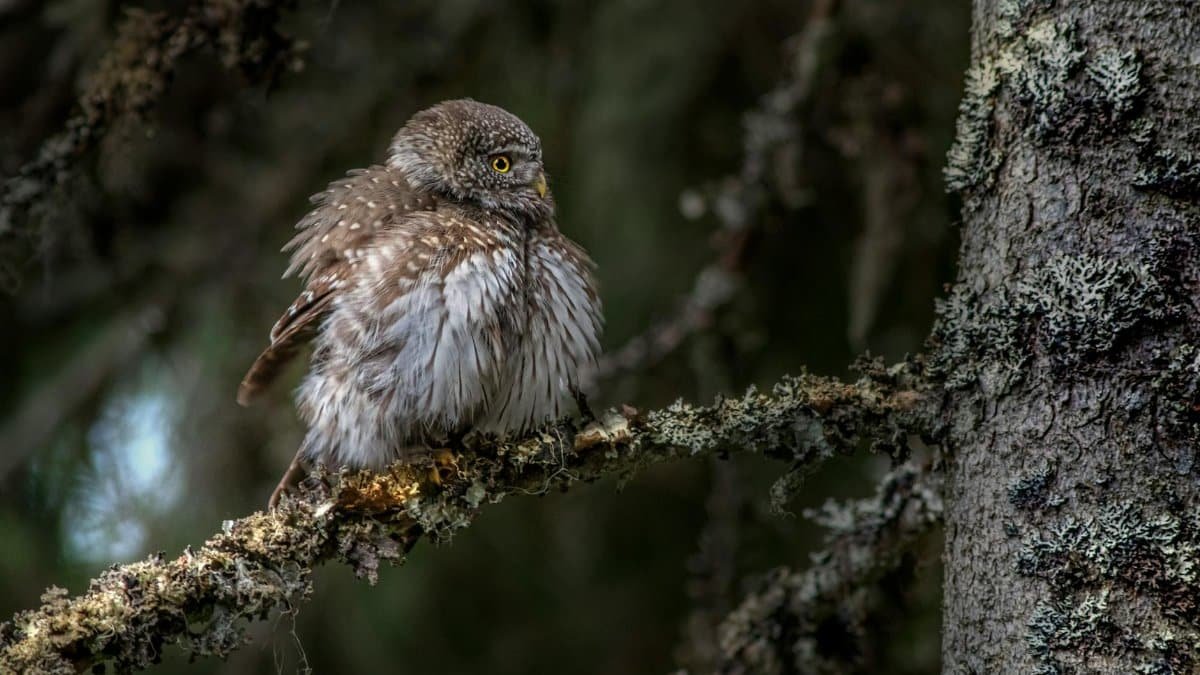
Nighttime in the Nantahala National Forest comes alive with owl hoots, mysterious yet comforting signals that encourage winding down. These nocturnal birds, wise in lore, cue a transition to restful introspection.
A hiker, lost in thought during an evening stroll, might hear the call and stop, absorbing the forest’s quiet wisdom. It’s a narrative of surrender, where the owl’s presence reframes haste as unnecessary.
Avian behavior studies link owl encounters to lowered stress. The U.S. Forest Service Nantahala page highlights biodiversity’s mental health perks. Light pollution challenges their habitats, but dark sky initiatives help. In wrapping up these cues, it’s clear how animal, people, north intersections in North Carolina weave a tapestry of tranquility, urging us all to heed nature’s subtle wisdom in 2025.