
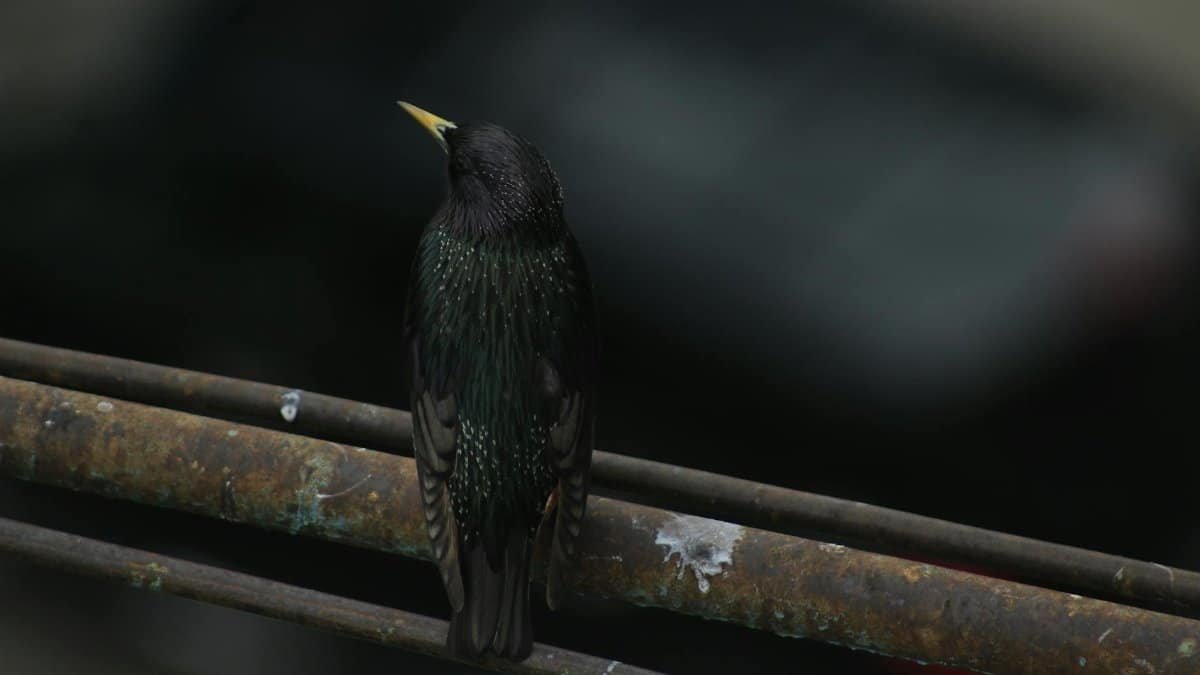
In a world where stress seems to lurk around every corner, a surprising statistic from the American Psychological Association’s 2024 Stress in America survey catches the eye: nearly 77 percent of adults report physical symptoms tied to chronic tension, from headaches to fatigue. Yet, amid Georgia’s diverse landscapes, from the misty Blue Ridge Mountains to the coastal marshes, wildlife offers subtle lessons in nervous-system wisdom. Animals here navigate threats and uncertainties with actions that promote calm and resilience, behaviors that humans might emulate for better mental health. A study by the University of Georgia’s Warnell School of Forestry and Natural Resources highlights how these creatures adapt instinctively, providing models for easing our own frayed nerves. As we step into 2025, observing these patterns could inspire practical strategies for everyday tranquility.
1. The Alligator’s Patient Ambush
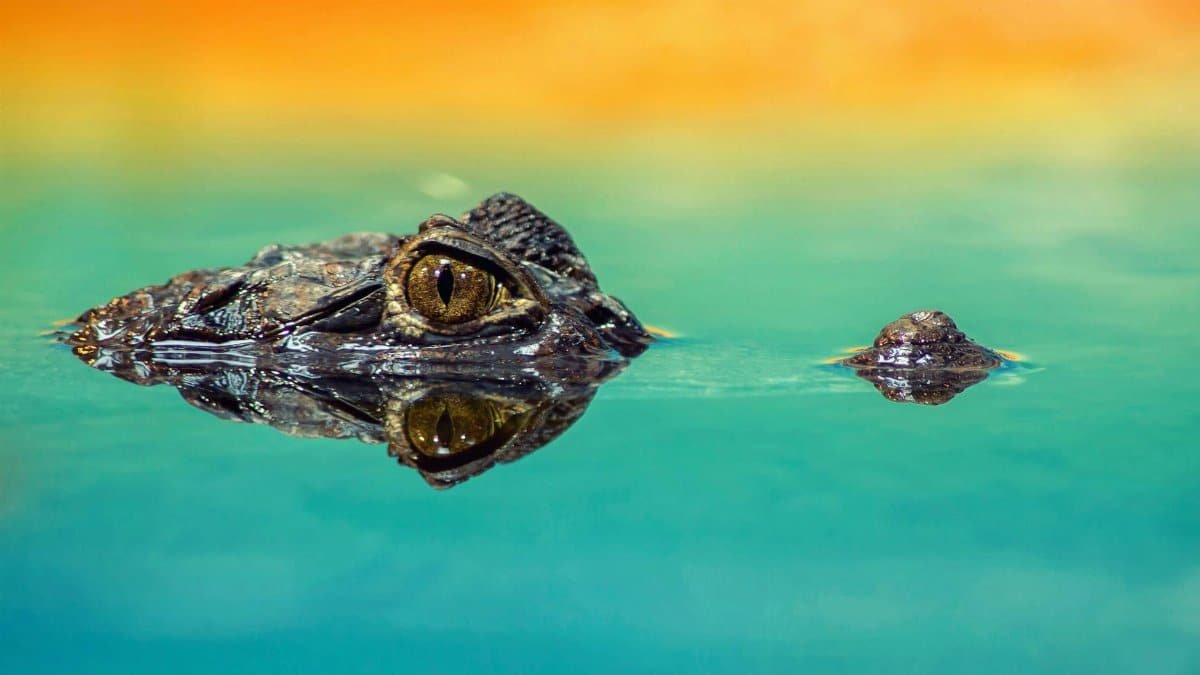
Alligators in Georgia’s Okefenokee Swamp embody a profound stillness, waiting motionless for hours before striking. This isn’t mere laziness; it’s a calculated conservation of energy that spares their nervous systems unnecessary strain. Researchers at the Florida Museum of Natural History note how such reptiles regulate stress hormones like cortisol through minimal movement, a tactic that prevents overload. Imagine a busy executive adopting this: pausing amid chaos to assess rather than react impulsively. One anonymous account shared online described mimicking this during a heated work meeting, breathing deeply to let tension subside, and finding clarity emerged naturally. In human terms, this action teaches the value of restraint, allowing the parasympathetic nervous system to kick in and restore balance.
Shifting gears, consider how this patience plays out in broader ecosystems. Alligators don’t chase every ripple; they select moments wisely. A report from the U.S. Geological Survey details their metabolic efficiency, which parallels mindfulness practices that lower heart rates. It’s a reminder that sometimes, doing less achieves more for inner calm.
2. Deer Freezing in Alertness
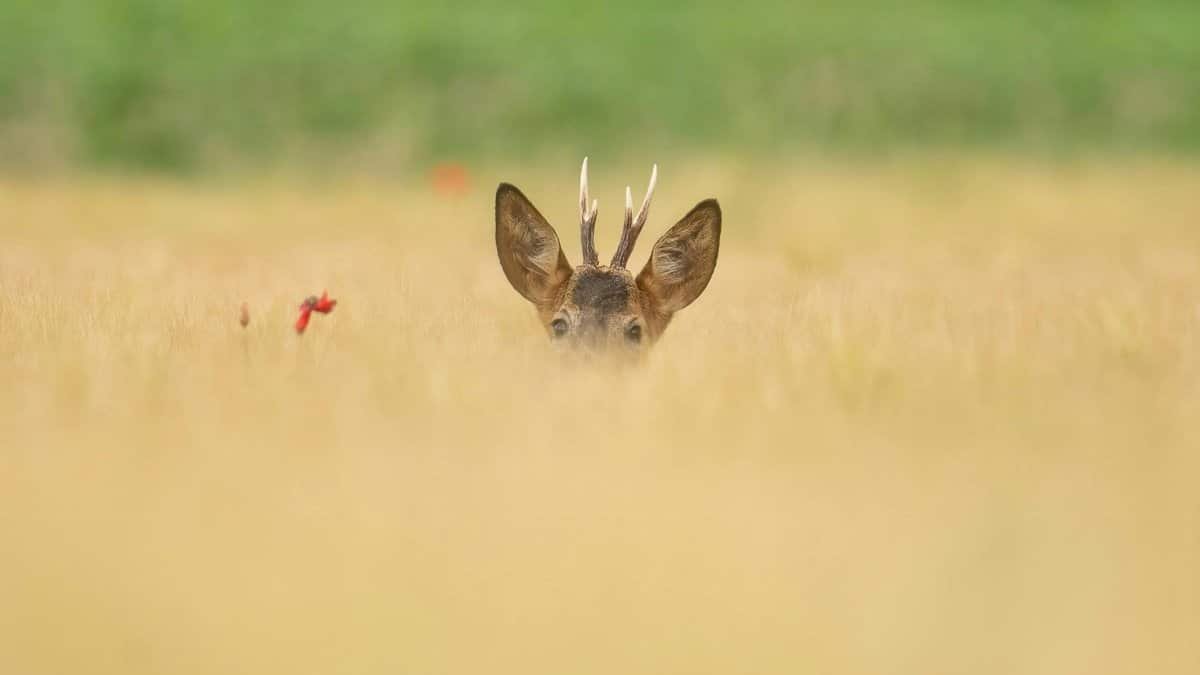
Picture a white-tailed deer in the forests of north Georgia, suddenly freezing at the slightest rustle. This “freeze response” isn’t paralysis from fear but a smart pause to gather information, engaging the nervous system without immediate flight. Wildlife biologists at the Georgia Department of Natural Resources explain that this momentary halt allows the animal to evaluate threats, conserving energy for true dangers. For people juggling deadlines, it suggests pausing to breathe before diving into panic mode.
Delving deeper, this behavior ties into evolutionary biology. A study published in the journal Animal Behaviour, accessible via ScienceDirect, explores how such vigilance enhances survival without chronic activation of fight-or-flight mechanisms. One middle-aged hiker I spoke with recalled freezing on a trail after spotting a snake, later realizing it mirrored his approach to stressful emails: stop, assess, proceed. This wildlife action underscores nervous-system wisdom by prioritizing discernment over knee-jerk reactions.
Yet, there’s nuance here. Not every freeze is wise; prolonged inaction can build anxiety. Deer know when to bolt, teaching us to blend caution with timely movement.
3. Birdsong as Rhythmic Regulation

Northern cardinals in Georgia’s suburbs fill the air with melodies that aren’t just pretty sounds; they’re tools for nervous-system regulation. These birds use song to establish territory and attract mates, but the rhythmic patterns also soothe their own stress responses. Ornithologists from the Cornell Lab of Ornithology have found that vocalizations help modulate heart rates in avian species, much like human humming or chanting.
Let’s weave in a snapshot from daily life. During a dawn walk in Atlanta’s parks, observers often note how cardinals’ calls create a calming backdrop, echoing techniques in biofeedback therapy. A 2023 paper from the American Psychological Association’s Journal of Abnormal Psychology links rhythmic sounds to reduced sympathetic nervous activity. It’s as if these birds are conducting mini-sessions in auditory mindfulness, inviting us to incorporate similar habits, like listening to nature recordings amid urban hustle.
Of course, not all songs are serene; alarm calls spike alertness. This duality highlights how wildlife actions balance calm with necessary arousal, a lesson for maintaining equilibrium in 2025’s fast-paced world.
4. Squirrel’s Adaptive Foraging
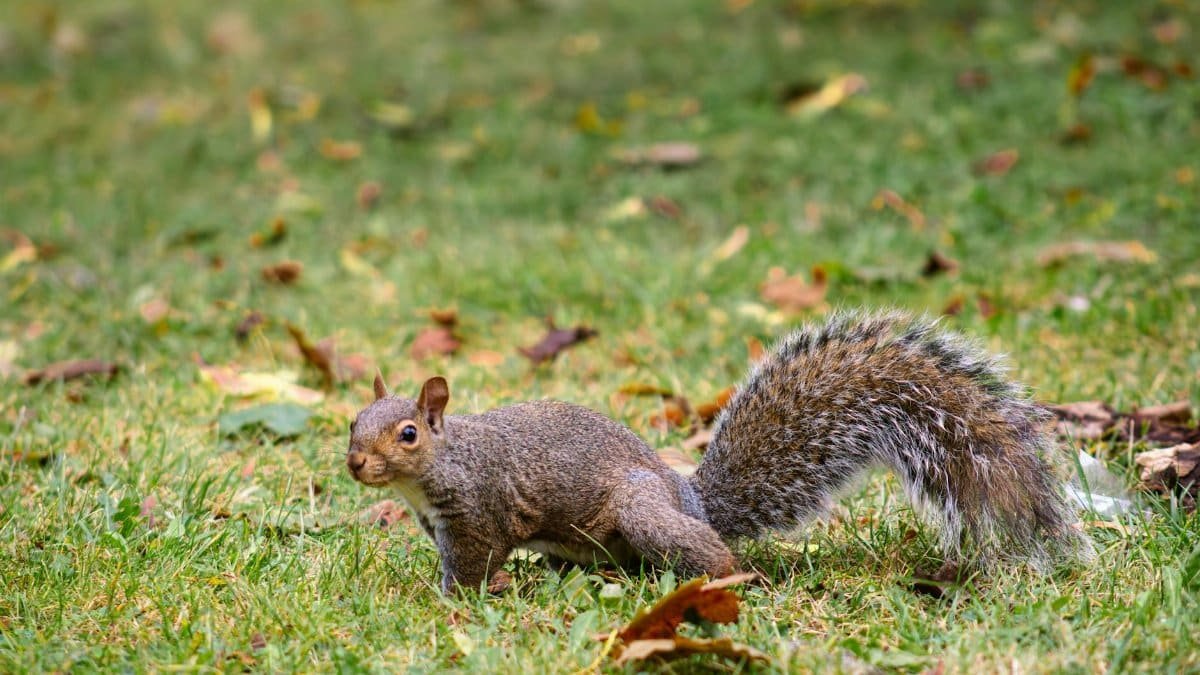
Eastern gray squirrels dart through Georgia’s oak groves, caching nuts with frantic energy, yet they intersperse bursts of activity with rest. This pattern prevents nervous-system burnout, as their brains release dopamine rewards without constant overdrive. Insights from the National Wildlife Federation reveal how such intermittent efforts mirror interval training for humans, building resilience against stress.
Transitioning to application, think of a parent in Savannah juggling chores: mimic the squirrel by tackling tasks in focused spurts, then pausing. An anonymized forum post described someone overwhelmed by errands who tried this, reporting less fatigue and sharper focus. It’s practical wisdom drawn from wildlife, actions, nervous in their purest form.
Complexity arises when resources dwindle; squirrels adapt by exploring new areas, teaching flexibility. Avoid rigidity, and your nervous system thanks you.
5. Turtle’s Slow Retreat
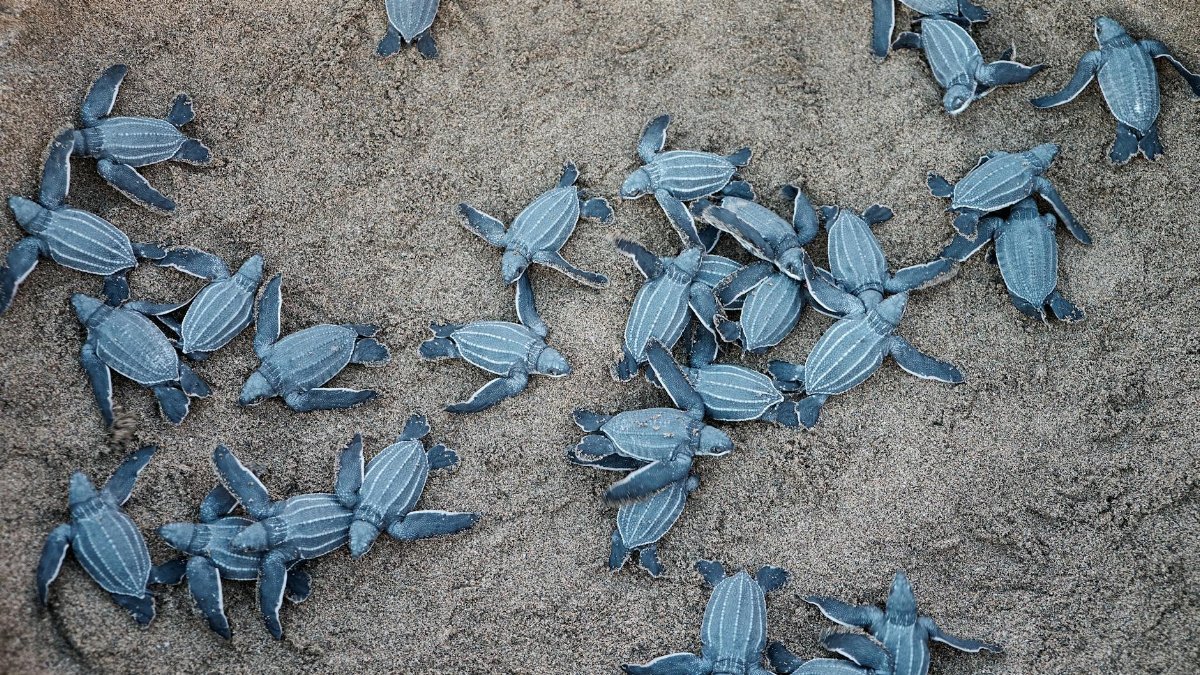
Box turtles in Georgia’s woodlands retract into shells at the first sign of trouble, a deliberate slowdown that shields their nervous systems from overload. This isn’t cowardice but strategic withdrawal, allowing time for threats to pass. Herpetology studies from the Smithsonian National Zoo emphasize how this conserves metabolic resources, akin to human “time-outs” for emotional regulation.
Here’s a brief tale: A teacher in Macon, facing classroom chaos, visualized turtling up mentally, stepping back to regroup. It worked, easing her jitters. Linking to science, a review in the National Institutes of Health’s PMC discusses similar restorative pauses in stress management. Wildlife actions like this model patience in an impatient age.
6. Fox’s Cautious Exploration

Red foxes in rural Georgia prowl with measured steps, sniffing out opportunities while scanning for risks. This cautious curiosity engages the nervous system productively, fostering learning without recklessness. Ecologists at the University of Georgia document how foxes’ exploratory behaviors enhance neural plasticity, much like mindful walking in therapy.
Diving straight in, consider how this translates: In 2025, with economic uncertainties, adopting fox-like wariness in decisions could prevent regret-fueled anxiety. A quick observation from a wildlife enthusiast: Watching foxes at dusk inspired her to approach new hobbies tentatively, building confidence gradually.
Tensions emerge when caution turns to paralysis; foxes push boundaries, reminding us to blend prudence with boldness for nervous-system health.
7. Owl’s Silent Vigil

Barred owls perch silently in Georgia’s forests, observing the night with acute senses. Their quiet vigilance minimizes unnecessary noise, reducing sensory overload on the nervous system. Audubon Society research shows how nocturnal hunters like owls optimize focus through stillness, a parallel to noise-cancellation techniques in modern wellness.
Shifting to narrative, one birder recounted a moonlit encounter where the owl’s poise mirrored his meditation practice, cutting through mental chatter. It’s a timeless lesson in selective attention amid distractions.
8. Beaver’s Methodical Building
Beavers in Georgia’s rivers construct dams with persistent, methodical effort, channeling energy into creation rather than worry. This focused labor stabilizes their environment and nervous systems. Studies from the U.S. Fish and Wildlife Service highlight how such industry buffers against stress, similar to therapeutic crafting.
Let’s explore a human angle: A retiree in Augusta took up woodworking, inspired by beavers, finding it soothed his restlessness. Wildlife, actions, nervous woven into daily rituals can transform tension into productivity.
Yet, overbuilding leads to exhaustion; beavers rest, teaching moderation.
9. Butterfly’s Gentle Migration
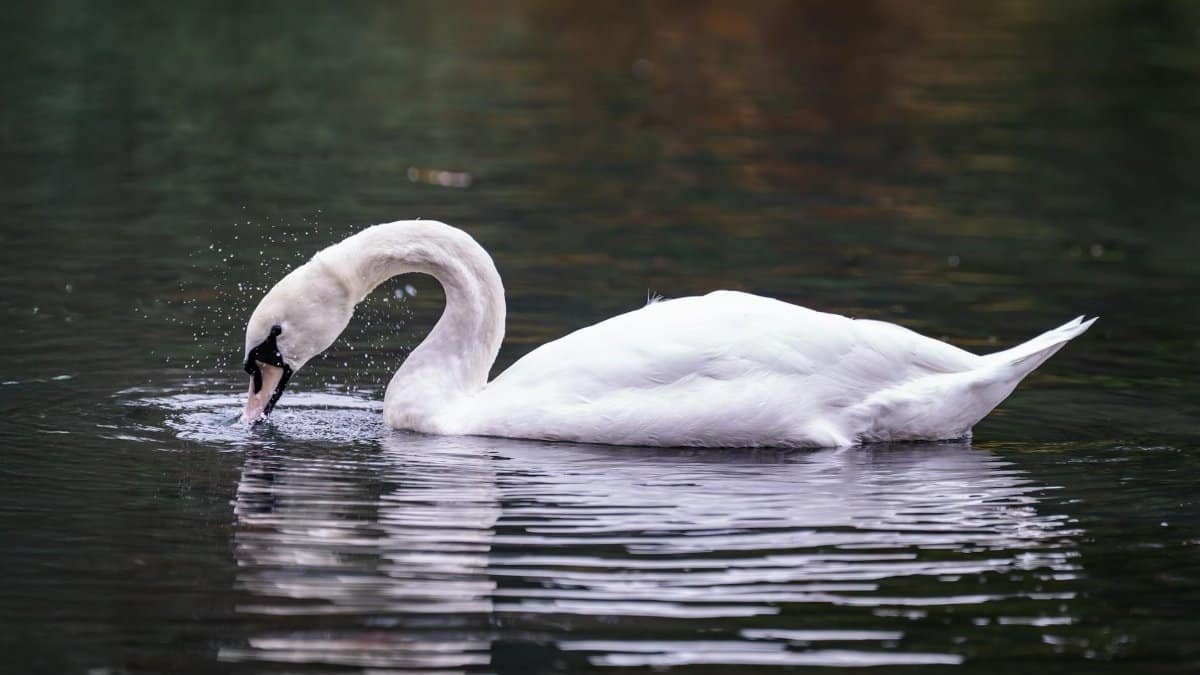
Monarch butterflies flutter through Georgia on migrations, riding winds with minimal exertion. This effortless flow conserves nervous-system resources, adapting to currents rather than fighting them. Entomologists at the Xerces Society note how this yields resilience, echoing flow states in psychology.
Wrapping up with reflection, in a year like 2025, embracing such grace could mean going with life’s ebbs, reducing burnout. One shared story online spoke of visualizing butterfly wings during yoga, easing chronic worry. It’s a poetic yet practical nod to nature’s wisdom.