
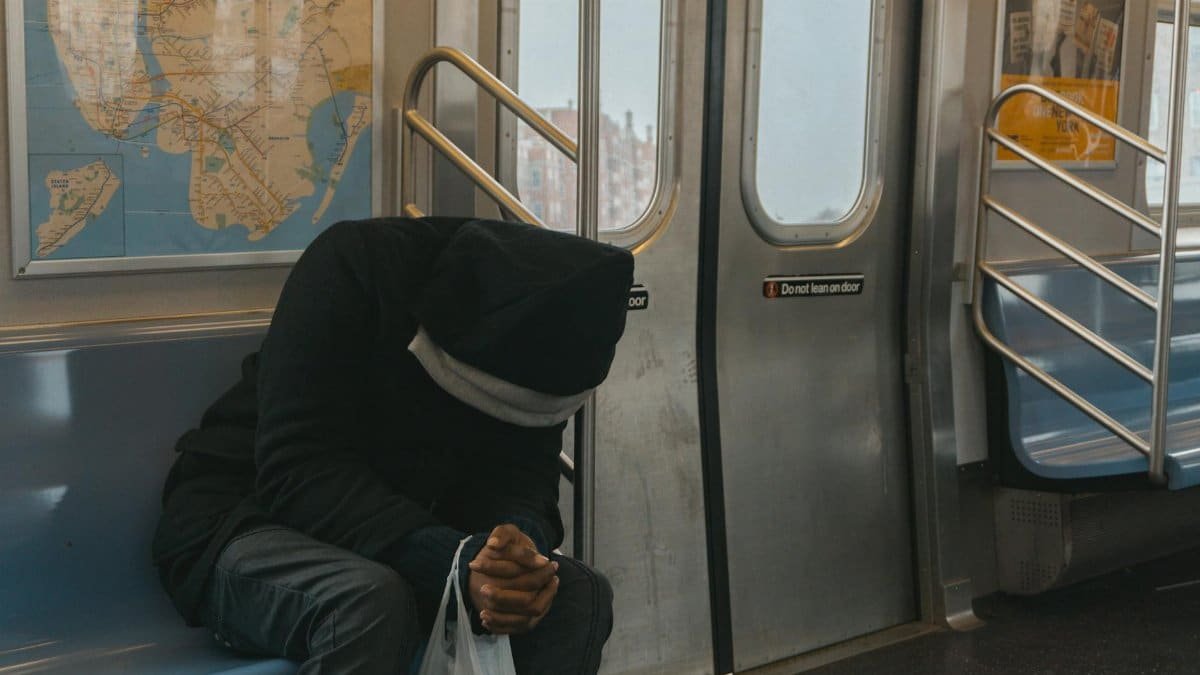
A recent poll by the American Psychological Association found that 76% of New Yorkers report heightened stress levels compared to a decade ago, with urban hustle cited as a top culprit. This figure, up from 62% in 2015, underscores a citywide tension that’s not just human. Animals sharing these concrete jungles exhibit patterns that eerily mirror our own anxieties. From pigeons dodging taxis to squirrels scavenging amid chaos, these behaviors offer a lens into how stress permeates ecosystems. The keyword animal, patterns, reflect captures this interplay, showing how wildlife adapts—or falters—in the face of human pressures. In New York, where skyscrapers loom and sirens wail, observing these cues can reveal paths to calmer days. It’s a reminder that nature’s signals might guide us toward steadier rhythms amid the frenzy.
1. Pigeons’ Erratic Dodging
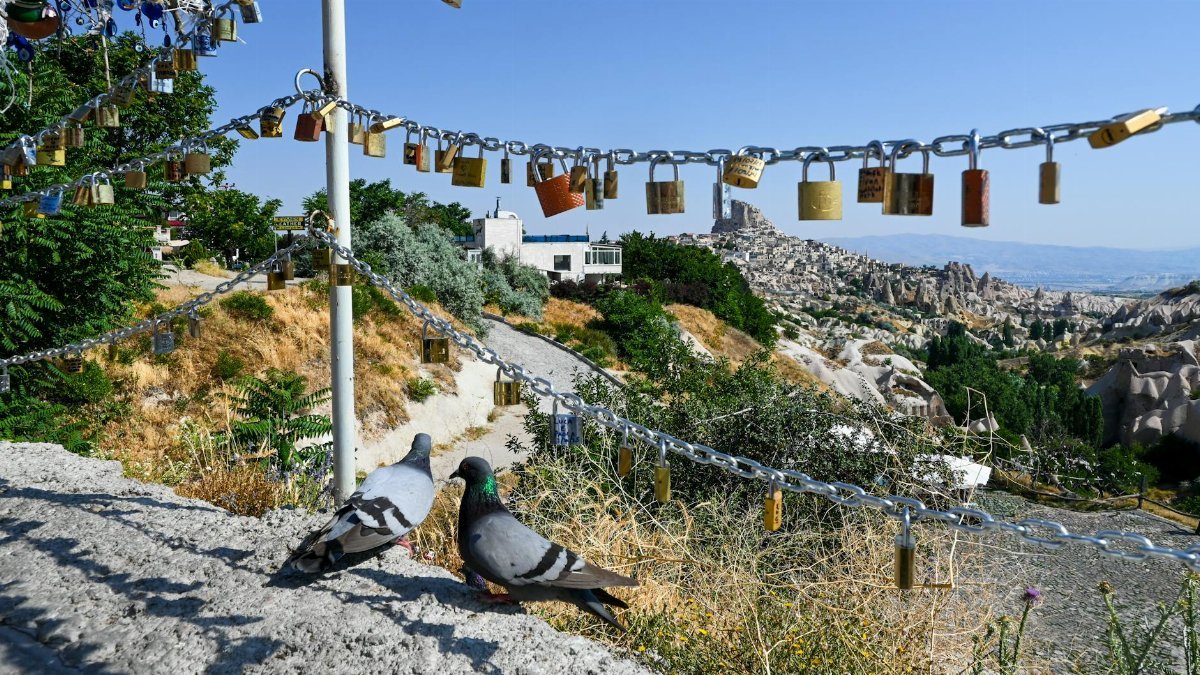
In the heart of Times Square, pigeons weave through crowds with a frantic precision that feels all too familiar. These birds, once symbols of urban resilience, now display flight patterns disrupted by constant noise and movement. Researchers at Cornell University’s Lab of Ornithology have noted how city pigeons alter their trajectories to avoid human foot traffic, much like New Yorkers sidestepping hurried commuters. This dodging isn’t just survival; it’s a stress response, with elevated cortisol levels detected in urban birds compared to their rural counterparts.
Picture a flock scattering as a delivery bike zooms by—their wings flap in short, agitated bursts. One study linked this to acoustic pollution, where constant honking mimics predator threats. It’s as if the pigeons are channeling the collective anxiety of the streets. For humans, this reflects our own evasive maneuvers in daily life, dodging emails and deadlines. A brief chat with a Central Park birdwatcher revealed: “They seem more jittery lately, like they’re on edge just like us.” Such observations highlight how shared environments amplify tension across species.
Delving deeper, this pattern points to broader ecological shifts. In 2025, with New York’s population density at record highs, these behaviors underscore the need for quieter urban zones.Cornell Lab of Ornithology provides insights into how mitigating noise could ease this mirrored stress.
2. Squirrels’ Aggressive Hoarding

Squirrels in Washington Square Park don’t just gather nuts; they hoard with a ferocity that borders on obsession. Amid falling leaves and tourist chatter, these rodents bury acorns in manic bursts, often fighting over prime spots. This isn’t mere preparation for winter—it’s a stress-induced overdrive, triggered by unpredictable food sources in a city where green spaces shrink.
Experts from the Wildlife Conservation Society observe that urban squirrels cache up to 25% more than their forest kin, a behavior echoing human stockpiling during uncertain times. Remember the pandemic-era toilet paper runs? It’s similar here, with squirrels reflecting our impulse to control chaos. One anonymized account from an online forum described watching a squirrel repeatedly relocate its stash: “It was like seeing my own anxiety play out—never satisfied, always preparing for the worst.”
Yet, there’s nuance. Not all hoarding signals distress; some stems from abundance. Still, in New York’s high-stress vibe, it often does. Studies show elevated stress hormones in these animals, linking back to habitat fragmentation. For calmer days, perhaps emulating their adaptability—without the aggression—could help us humans unwind.
3. Rats’ Nocturnal Hyperactivity

Under the glow of subway lights, New York’s rats scurry with an intensity that peaks at night, mirroring the city’s insomniac workforce. These creatures, infamous for their adaptability, show patterns of hyperactivity when exposed to artificial lights and human waste, behaviors that parallel shift workers’ disrupted sleep cycles.
A report from the New York City Department of Health details how rat populations boom in stressed urban areas, with activity spikes correlating to human density. It’s not just numbers; their movements become erratic, foraging longer and risking more exposure. This reflects our own late-night scrolling or overtime grinds, where rest evades us.
Imagine spotting one darting across a dimly lit alley—its eyes wide, body tense. Such sights evoke a shared vulnerability. Research indicates that light pollution alters their circadian rhythms, much like it does ours, leading to health declines. In exploring animal, patterns, reflect, this one urges us to dim the lights for collective calm.NYC Department of Health offers data on managing these urban cohabitants.
4. Birds’ Altered Songs
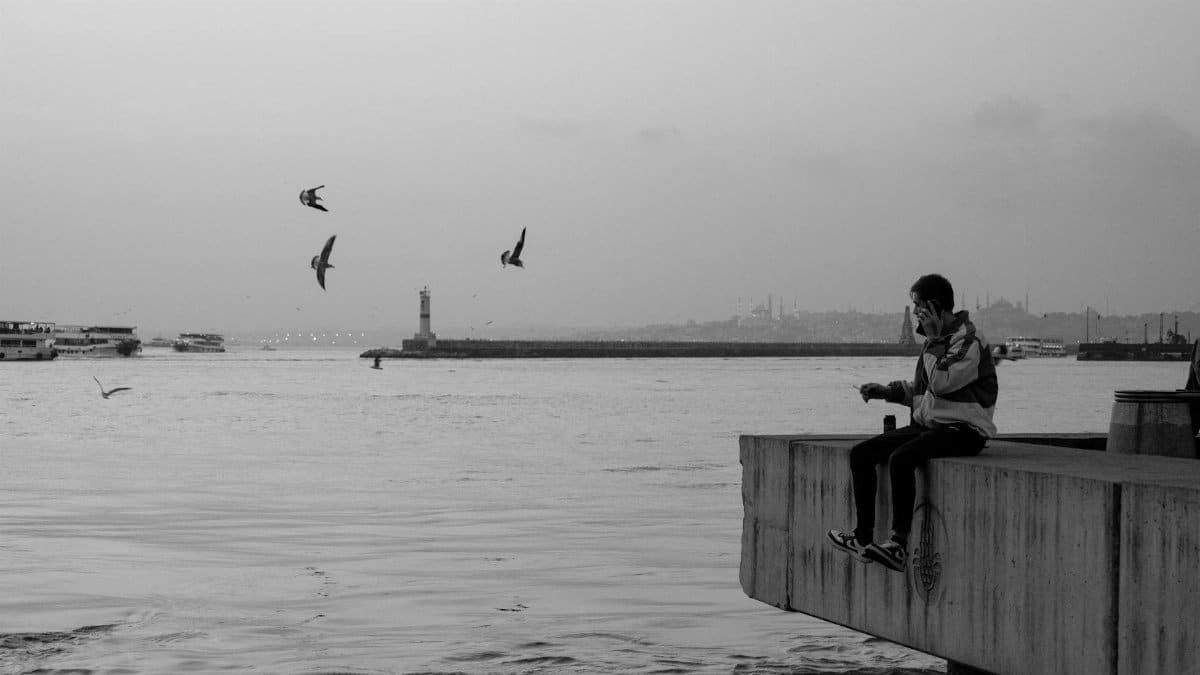
What if the morning chorus in Brooklyn sounds off-key? Urban birds like sparrows tweak their melodies to cut through traffic noise, singing at higher pitches or earlier hours. This adaptation, while clever, signals underlying stress, as it demands more energy and disrupts mating calls.
Starting with a question: How does this echo human communication in noisy environments? We shout over crowds or abbreviate texts amid distractions. A study from the Smithsonian Migratory Bird Center found city birds’ songs shortened by up to 20%, a direct response to sonic overload. It’s a poignant reflection of our fragmented conversations.
In one observed moment, a robin on a fire escape trilled a hurried tune, barely audible over honks. This isn’t evolution at work overnight; it’s stress reshaping behavior. For New Yorkers, recognizing these shifts could inspire quieter personal habits, fostering steadier calm in our daily lives.
5. Dogs’ Crowd Anxiety
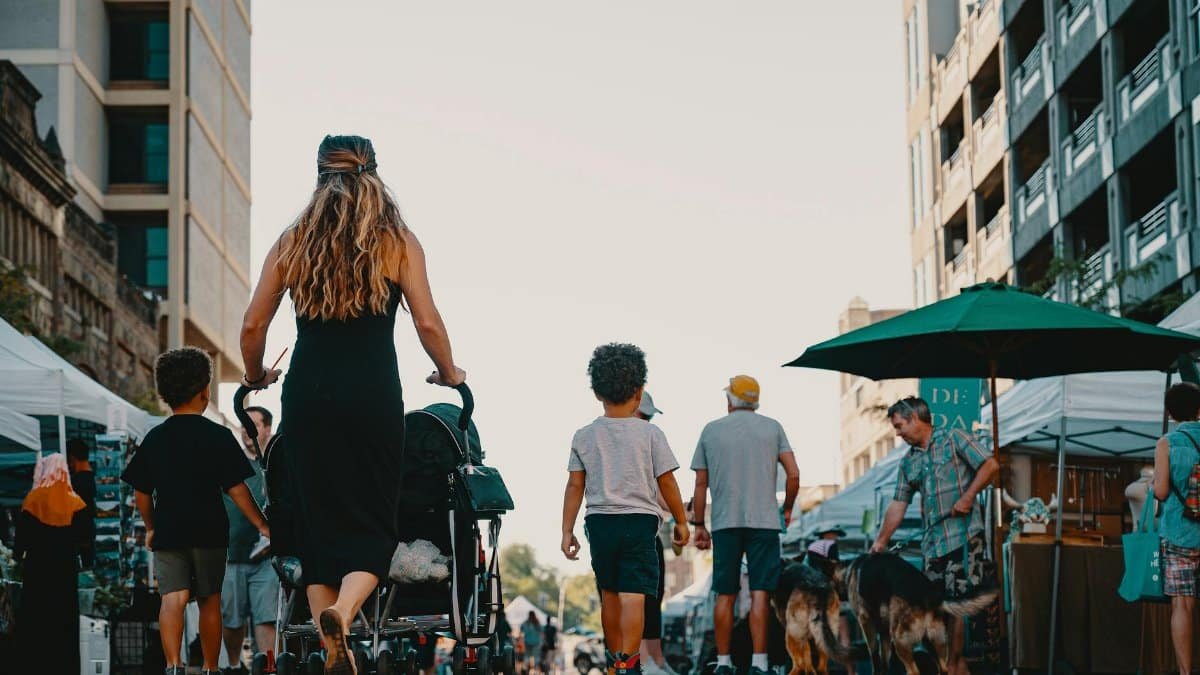
Leashed dogs in Manhattan often pull back or bark at the swarm of pedestrians, their tails low and ears pinned. This isn’t breed-specific; it’s a pattern born from sensory overload in a city that never sleeps. Pet owners report increased anxiety in their companions, mirroring their own urban jitters.
Diving into analysis, veterinarians note higher instances of separation anxiety among city dogs, linked to constant stimuli. A Pew Research survey on pet ownership highlights how 68% of urban dwellers see behavioral changes in their animals due to environment. It’s like dogs absorbing our stress through osmosis.
One owner shared anonymously online: “My pup trembles on busy sidewalks, just as I feel overwhelmed in crowds.” This human-animal bond amplifies the reflection, suggesting that calmer walks in greener areas could benefit both. In 2025, with remote work persisting, integrating such patterns into routines might ease collective tension.
6. Cats’ Hiding Behaviors
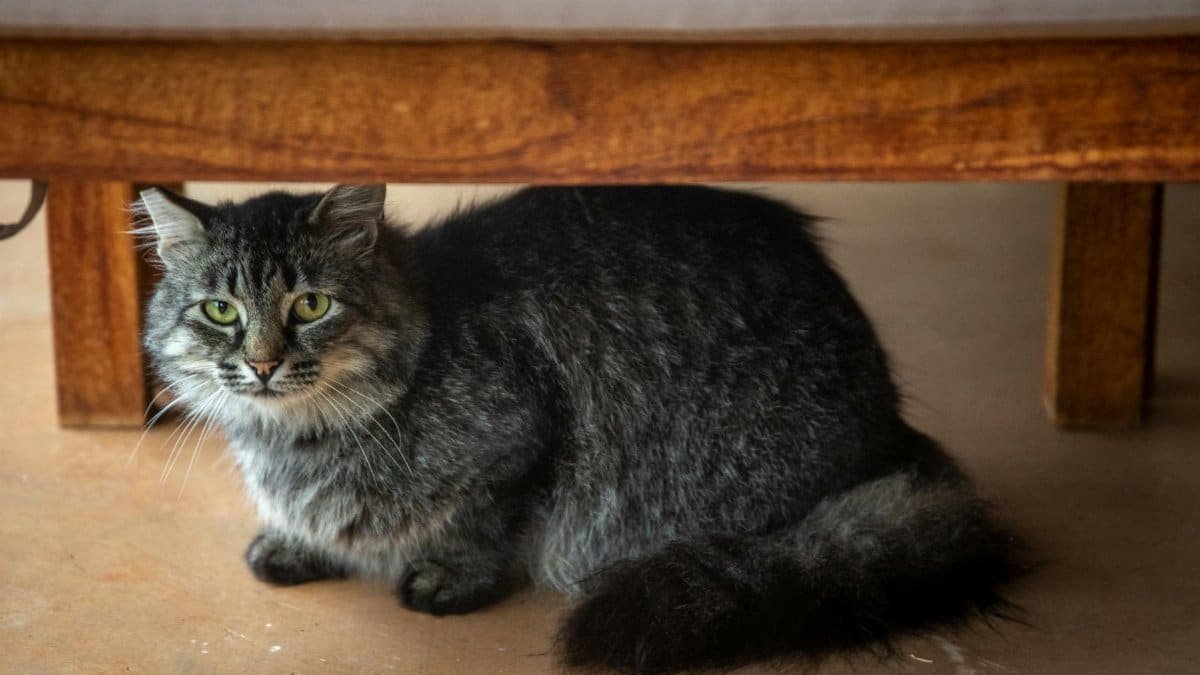
Apartment cats in Queens frequently retreat to closets or under beds, emerging only when the din subsides. This hiding isn’t laziness; it’s a stress response to unpredictable noises like construction or neighbors’ arguments, patterns that echo human withdrawal during tough times.
From a narrative angle, consider a tabby peering out warily—its eyes wide, body coiled. Studies from the ASPCA indicate urban cats exhibit more reclusive traits, with stress markers like excessive grooming. This parallels our Netflix binges to escape reality.
Yet, there’s complexity: Some cats thrive in solitude, turning hiding into a coping strength. Reflecting on animal, patterns, reflect, this one teaches us about healthy boundaries.ASPCA provides resources on feline welfare in cities.
7. Insects’ Swarming Patterns
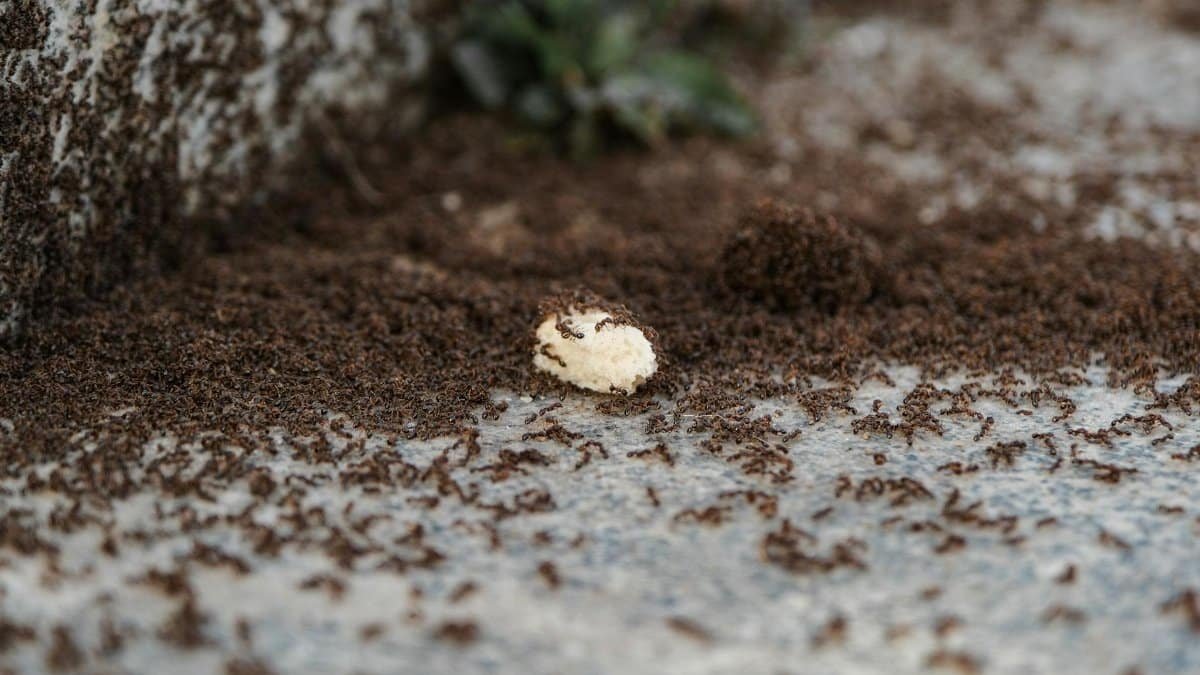
Swarms of ants in sidewalk cracks move with frantic coordination, especially after rain displaces their colonies. In New York, this swarming intensifies with climate shifts, reflecting human rushes during storms or crises.
Anecdotally, watching them rebuild evokes our own resilience post-disruption. Entomologists at the American Museum of Natural History link increased swarming to urban heat islands, stressing insect populations much like heat waves tax us.
The pattern isn’t always chaotic; it’s organized survival. For steadier calm, observing their efficiency could inspire better crisis management in our lives.American Museum of Natural History explores these urban entomology insights.
8. Fish in Polluted Waters
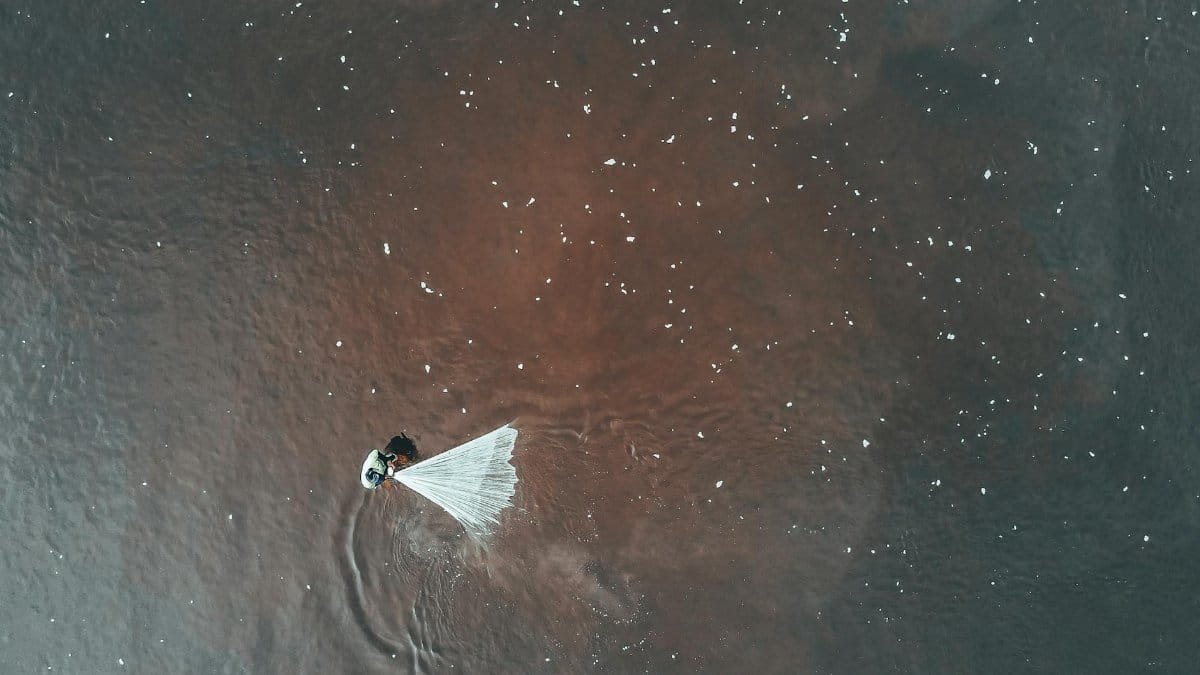
In the Hudson River, fish school erratically near outflows, their patterns disrupted by contaminants from city runoff. This mirrors how pollution stresses human health, with behaviors like lethargy or avoidance zones.
A rhetorical nudge: Could cleaner waters calm both? EPA data shows elevated toxins correlating with altered swimming, akin to our fatigue from poor air quality.
One snapshot: Schools darting away from murky patches, survival instinct in overdrive. It reflects broader environmental stress, urging advocacy for urban waterways.
9. Park Wildlife Adaptations
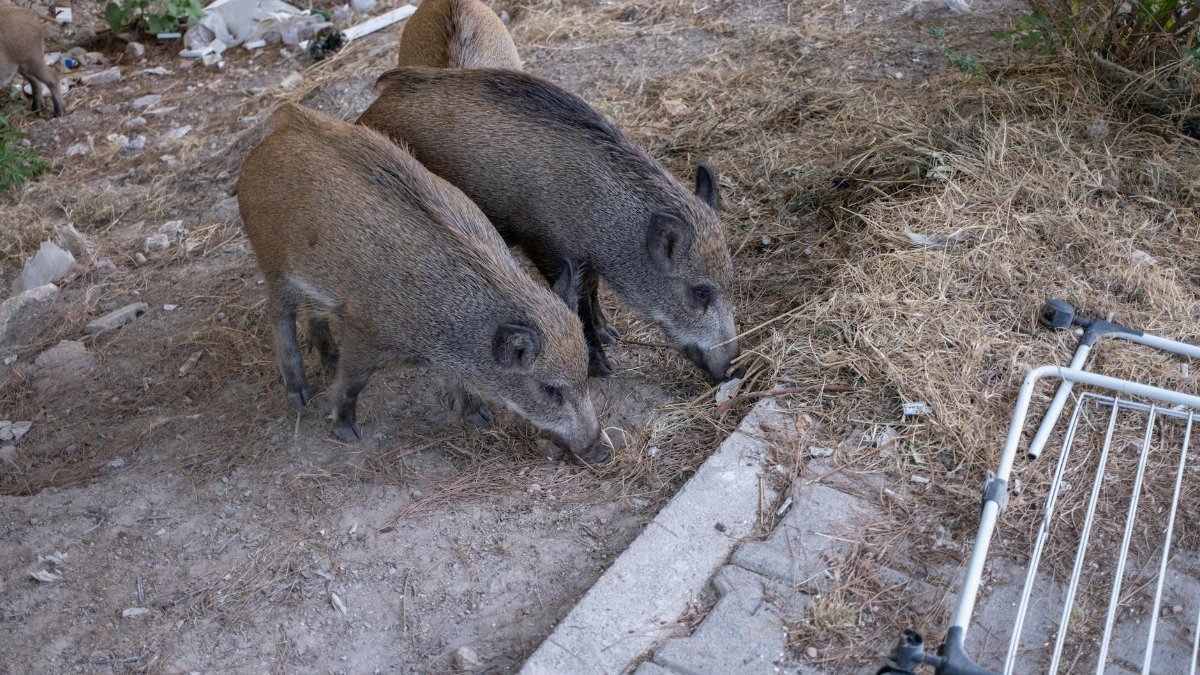
Deer in Van Cortlandt Park graze warily, their heads up more often due to joggers and picnickers. This vigilance pattern echoes New Yorkers’ constant alertness in public spaces.
Blending storytelling, a doe freezes mid-bite as laughter erupts nearby—pure stress reflection. Wildlife experts note habitat compression heightens this, similar to our crowded commutes.
In exploring tensions, adaptation brings resilience, but at what cost? Recognizing this could promote mindful park use for mutual calm.
10. Migratory Disruptions
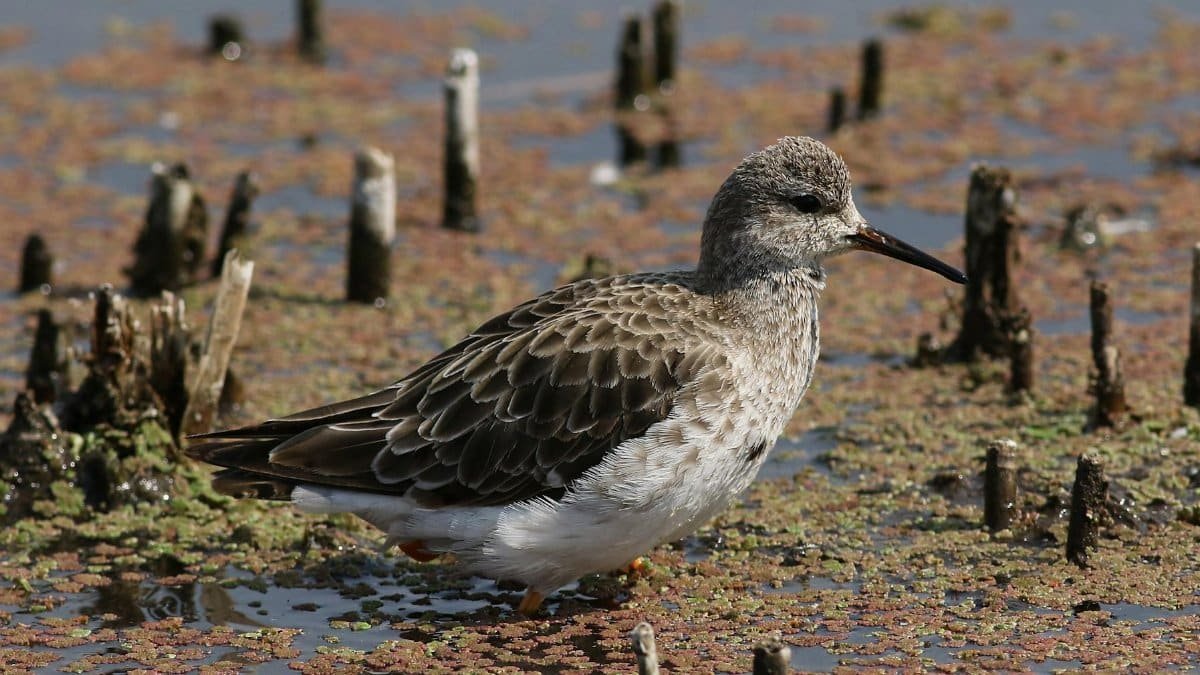
Birds migrating over New York veer off course due to light pollution, patterns that disrupt ancient routes and mirror human disorientation in fast-changing times.
Finally, a bold note: These detours signal a need for dark-sky initiatives. Audubon Society research quantifies the impact, with millions affected annually.
Imagine flocks circling skyscrapers, lost in the glow—it’s a metaphor for our own wayward paths. By addressing this, we might find steadier navigation in 2025’s uncertainties.Audubon Society advocates for bird-friendly cities.