
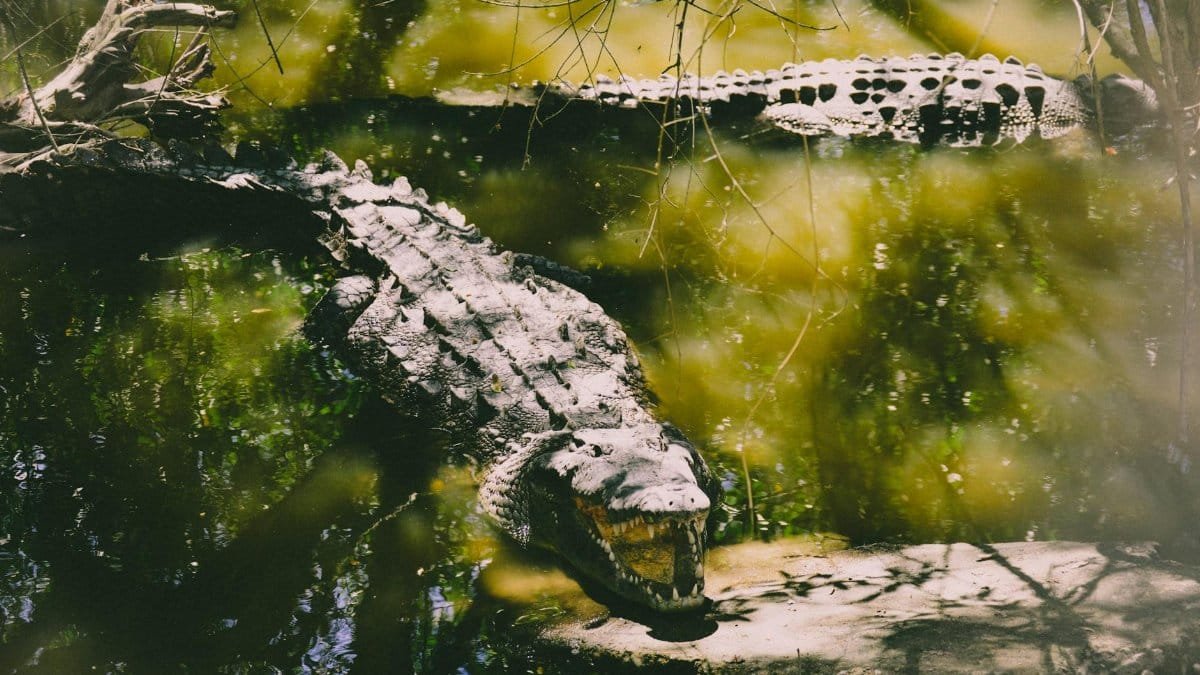
In a world where our furry companions often mirror our own stresses, it’s striking to note that over 70% of pet owners report noticing behavioral changes in their animals during household upheavals, according to a 2023 survey by the American Pet Products Association. This statistic underscores a growing awareness: animal signals reveal hidden tension in ways that can guide us toward better emotional harmony at home. Far from mere quirks, these subtle cues—from a cat’s flattened ears to a dog’s averted gaze—offer insights into unspoken distress. As urban life accelerates in 2025, understanding these signs isn’t just about pet care; it’s a lens into broader themes of empathy and connection. Researchers suggest that tuning into them can even reduce human anxiety, fostering a more balanced coexistence.
1. Flattened Ears in Cats
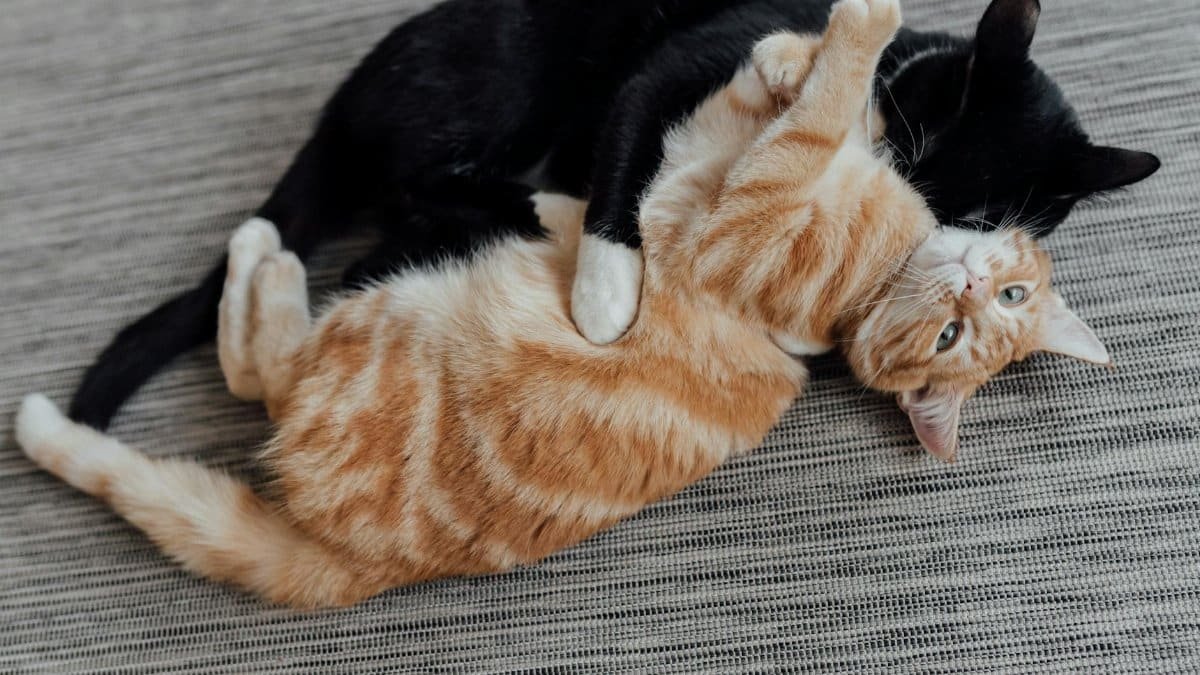
Cats have a reputation for mystery, but their ears tell a straightforward story of unease. When a feline’s ears press flat against the head, it’s often a red flag for hidden tension, perhaps triggered by loud noises or unfamiliar visitors. Picture a sleek tabby in a bustling kitchen, ears pinned back as the blender whirs— that posture isn’t just defensive; it’s a plea for space.
Veterinarians emphasize that this signal stems from evolutionary instincts, where flattened ears protect vulnerable areas during threats. A study from the University of Lincoln highlighted how such behaviors correlate with elevated cortisol levels in pets. Ignoring it might escalate to scratching or hiding, straining the bond with owners.
One anonymous account shared online described a rescue cat whose ears flattened during family arguments, mirroring the household’s emotional storm. Recognizing this prompted calmer interactions, easing the tension for everyone involved. It’s a reminder: animal signals reveal not just animal stress, but our own overlooked frictions.
2. Tail Position in Dogs
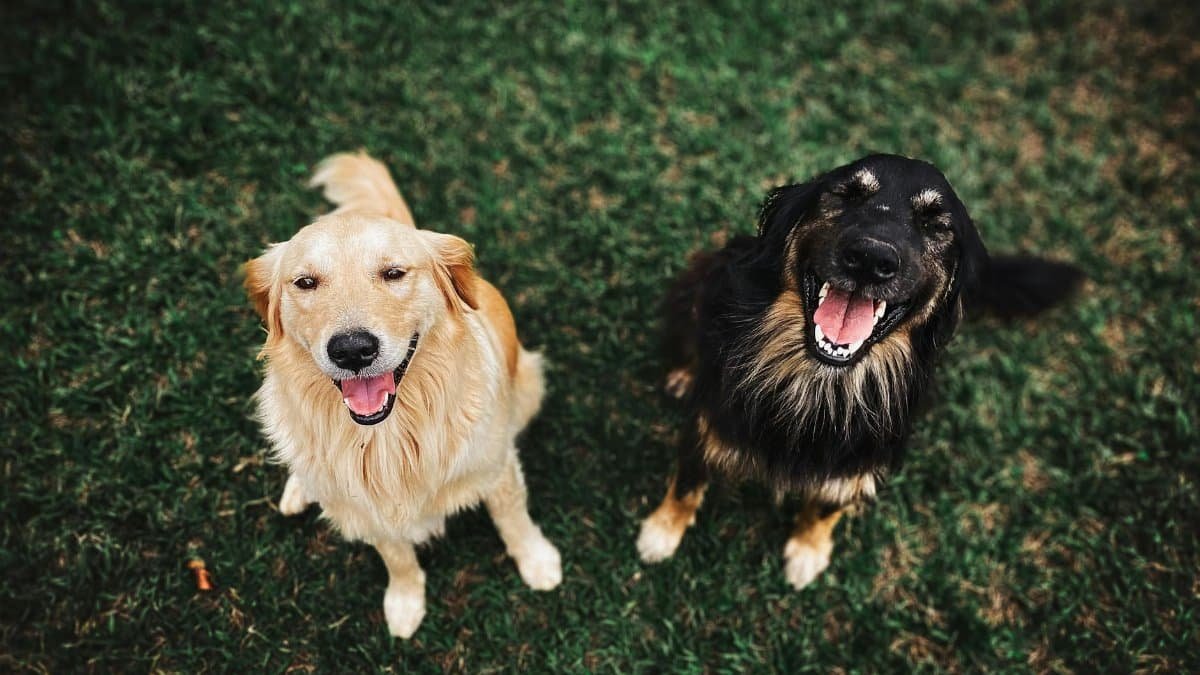
Dogs wag their tails for joy, but a low, stiff tail speaks volumes about inner turmoil. This subtle shift often indicates fear or anxiety, especially in social settings like dog parks. Imagine a golden retriever at the vet, tail tucked between legs—it’s not shyness; it’s tension bubbling under the surface.
Experts from the American Kennel Club note that tail signals evolved for pack communication, where a lowered position warns of potential conflict. Research published in the journal Applied Animal Behaviour Science links this to stress responses, showing how it predicts avoidance behaviors.
In a quiet suburban neighborhood, a dog owner once observed her pup’s tail drop during thunderstorms, leading her to create a safe den space. That small adjustment transformed stormy nights. Such stories illustrate how decoding these cues builds trust, turning potential breakdowns into moments of deeper understanding.
3. Excessive Grooming in Birds
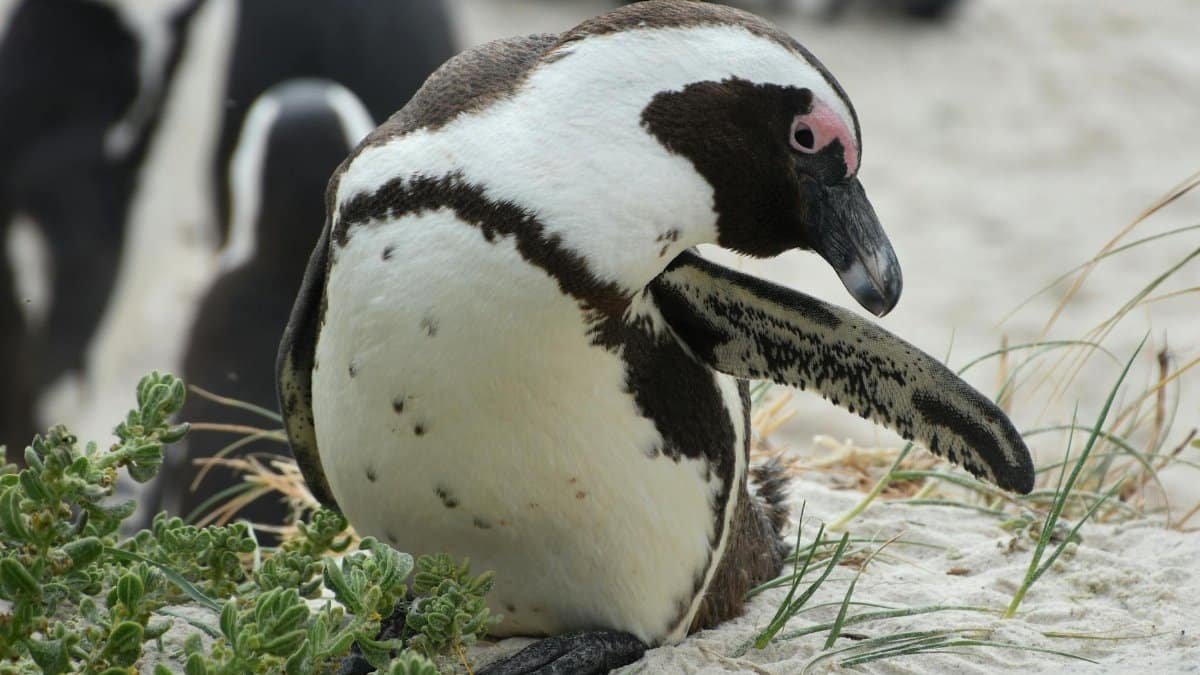
Birds like parrots might preen obsessively when tension simmers. What starts as normal feather maintenance can escalate to plucking, revealing underlying stress from cage confinement or lack of stimulation. Envision a vibrant cockatiel in a dimly lit room, beak working furiously—it’s a silent cry for change.
Avian specialists point out that this behavior ties to wild instincts for hygiene, but captivity amplifies it into a coping mechanism. A report from the ASPCA details how environmental enrichments, like toys, can mitigate such signals.
Reflect on a bird enthusiast who noticed her macaw’s overgrooming during a move; introducing foraging puzzles calmed the frenzy. It’s fascinating how these feathered signals echo human habits, like nailbiting under pressure, urging us to address root causes rather than symptoms.
4. Pacing in Zoo Animals
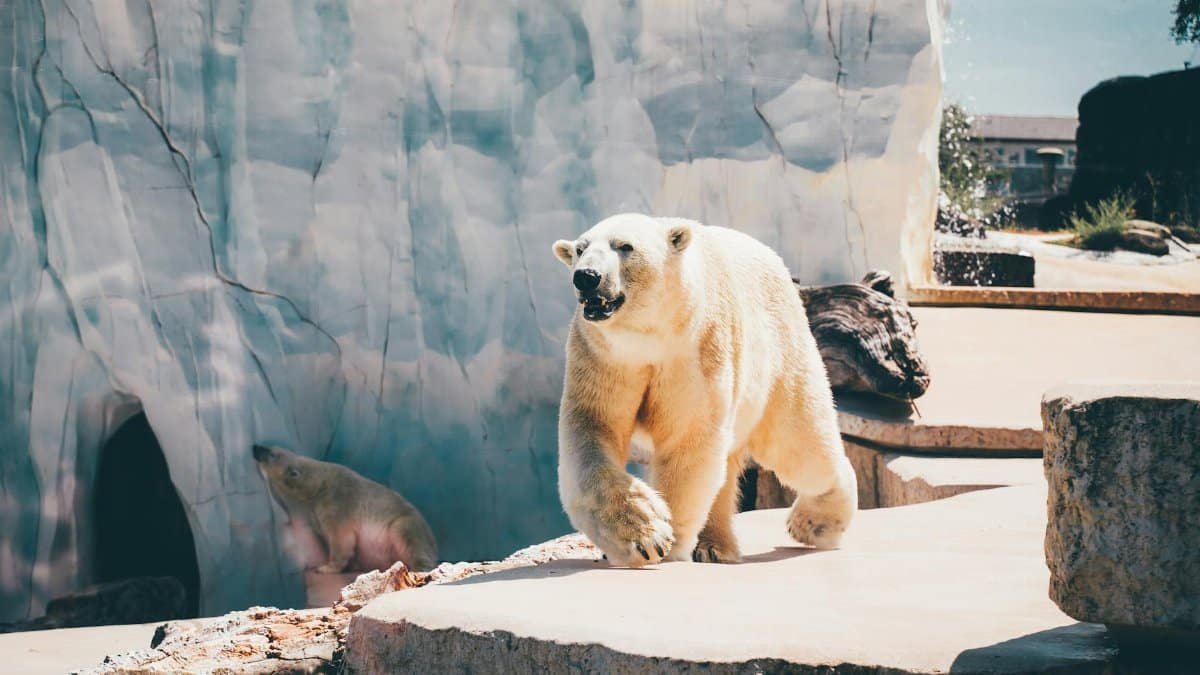
In zoos, animals like big cats pace repetitively along enclosure edges, a stark indicator of confined tension. This stereotypic behavior isn’t random; it’s a manifestation of frustration from limited space or routine disruptions. Think of a tiger striding back and forth, eyes distant— that’s pentup energy seeking release.
Zoologists attribute this to thwarted natural behaviors, with studies from the National Center for Biotechnology Information showing links to welfare improvements through habitat redesign.
A zookeeper’s tale of redesigning an exhibit for lions reduced pacing dramatically, restoring more natural prowling. These observations challenge us to reconsider captivity’s ethics, where animal signals reveal the cost of human entertainment.
5. Vocal Changes in Horses

Horses whinny or snort with altered tones when tension builds, often from pain or social strife in the stable. A highpitched neigh might signal isolation anxiety, disrupting the herd dynamic. Visualize a stallion in a foggy pasture, calls echoing uneasily—it’s more than noise; it’s distress amplified.
Equine behaviorists explain that vocalizations serve as alarms in wild herds. Findings from the Equine Wellness Magazine, drawing on veterinary research, connect these to health checks, advising prompt intervention.
One rider recalled her mare’s strained whinnies during a separation from companions, prompting group turnout that restored calm. Such insights highlight how listening fosters wellbeing, bridging human and animal worlds.
6. Avoidance Behaviors in Rabbits
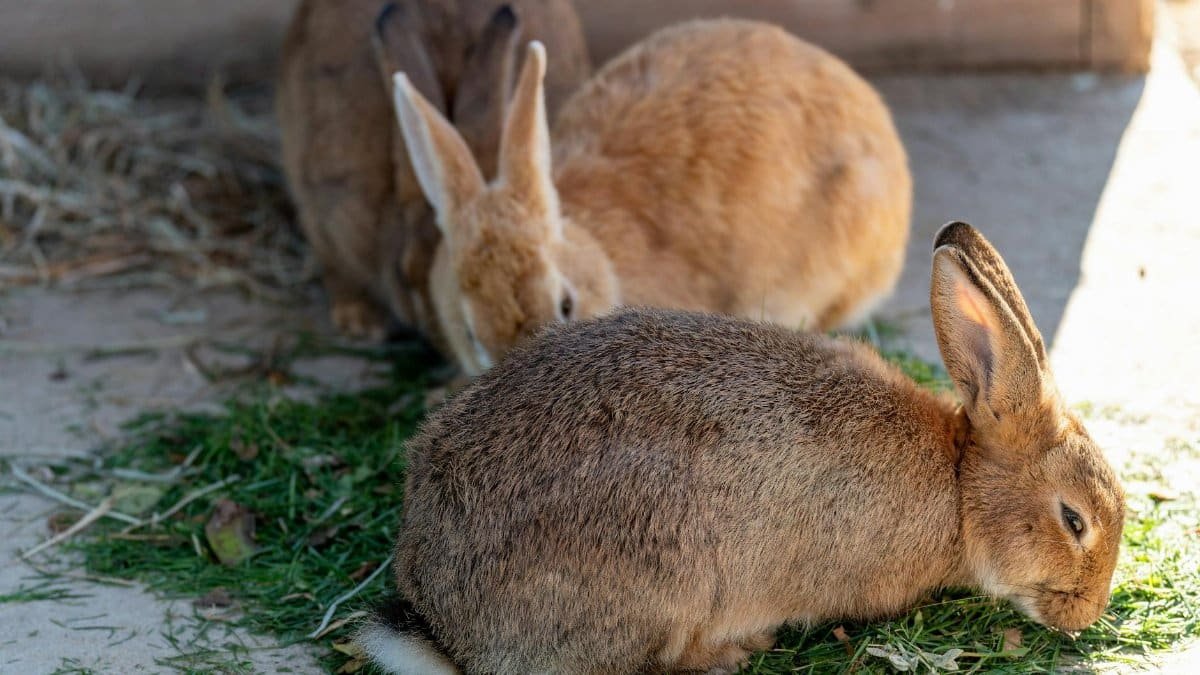
Rabbits thump hind legs or freeze when sensing danger, but persistent avoidance like hiding signals chronic tension. This could stem from predatory pets in the home or sudden changes. See a bunny burrowing into hay, eyes wide— that’s fear etched in stillness.
Research from the House Rabbit Society underscores these as survival tactics, with stress leading to health declines. A study in PLOS ONE examines cortisol spikes in such scenarios.
An owner’s story of a rabbit retreating after loud renovations led to soundproofing efforts, reviving playfulness. It’s a gentle nudge: animal signals reveal opportunities for compassion in everyday care.
7. Fin Clamping in Fish

Aquarium fish clamp their fins close to the body under stress, often from poor water quality or overcrowding. This subdued posture contrasts with healthy flaring, indicating discomfort. Imagine a betta in a murky tank, fins folded— a visual whisper of imbalance.
Aquatic experts link this to environmental toxins, per guidelines from the FDA’s Aquaculture page, which promotes monitoring for welfare.
A hobbyist noticed her goldfish’s clamped fins during a filter failure; quick water changes revived vitality. These underwater cues remind us that even silent creatures communicate tension vividly.
8. Feather Ruffling in Poultry
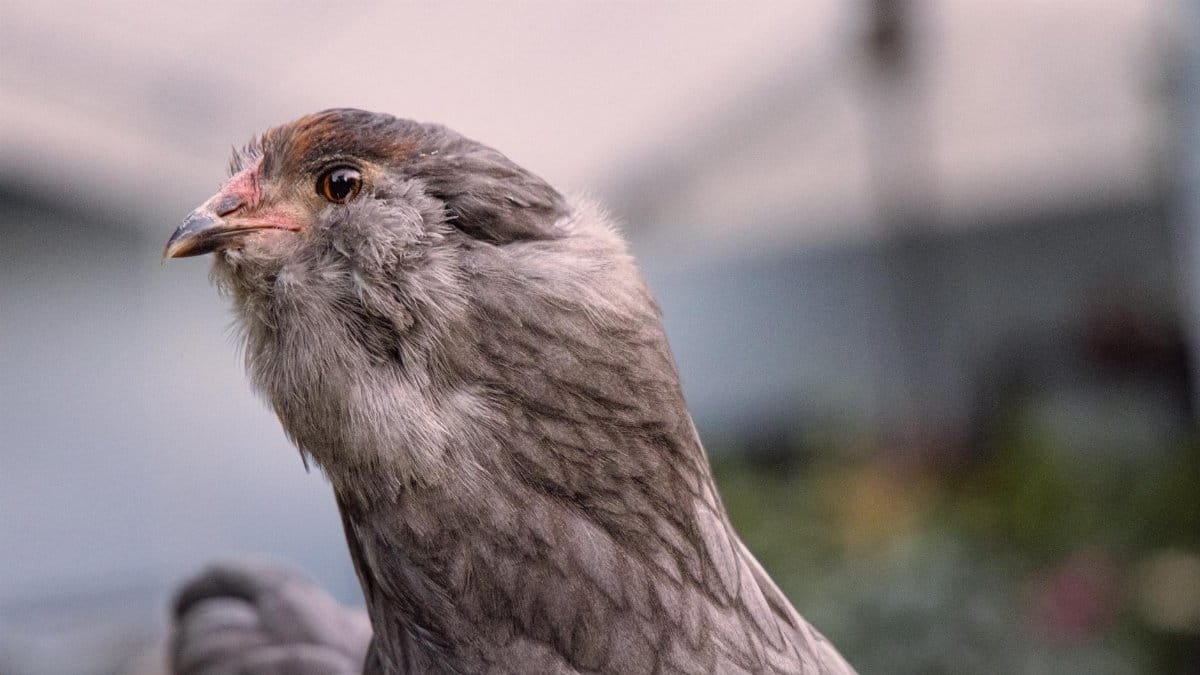
Chickens ruffle feathers excessively when tense, perhaps from flock hierarchies or cold drafts. This fluffing isn’t just for warmth; it’s agitation showing. Picture a hen in a coop, feathers puffed erratically— signaling unrest in the pecking order.
Poultry science from Cornell University notes this as a stress indicator, tied to productivity drops. Their poultry extension resources advocate for spacious environments.
A backyard farmer observed ruffling during overcrowding, expanding the run to ease tensions. It’s intriguing how farm signals parallel urban pet dynamics, urging mindful stewardship.
9. Eye Pinning in Reptiles
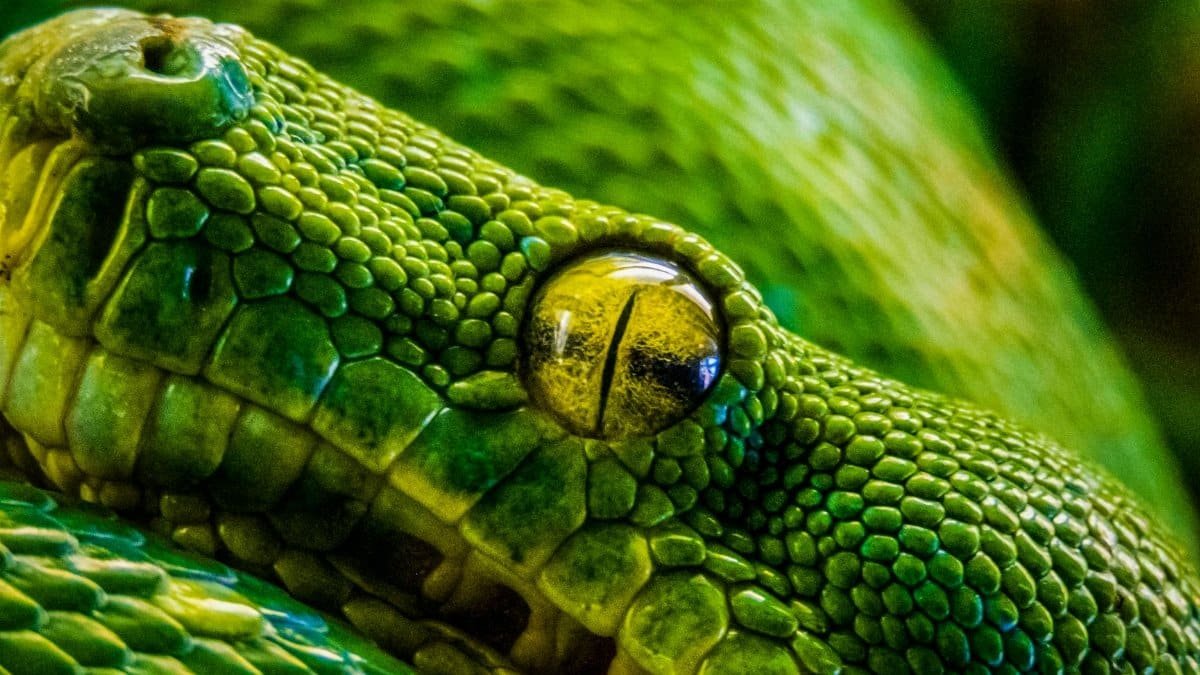
Reptiles like bearded dragons pin their eyes—rapid pupil changes— when stressed by handling or temperature shifts. This quick dilation reveals internal alarm. Envision a lizard on a rock, eyes flickering— a subtle alert to unease.
Herpetologists associate this with fightorflight responses. Insights from the Reptiles Magazine emphasize habitat stability to prevent it.
A keeper’s experience with a skittish gecko led to gentler interactions, reducing pinning episodes. Ultimately, these signals across species underscore a universal truth: attentiveness to animal signals reveal pathways to mutual healing and focus in our shared moods.