

In a nation where stress levels are soaring, a surprising statistic emerges from recent research: nearly 40% of Americans report using food as a tool to manage their moods, according to a 2023 survey by the American Psychological Association. This isn’t just about comfort eating; it’s a deliberate shift toward snacks that improve emotional balance. As we navigate the pressures of 2025, from economic uncertainties to digital overload, more people are turning to nutrient-rich bites that support brain health and emotional resilience. Think omega-3s for calmer nerves or antioxidants to combat inflammation linked to anxiety. These aren’t miracle cures, but science-backed choices that can subtly shift our inner landscape. Amid bustling lives, incorporating such snacks offers a simple, accessible way to foster stability without overhauling routines.
1. Dark Chocolate
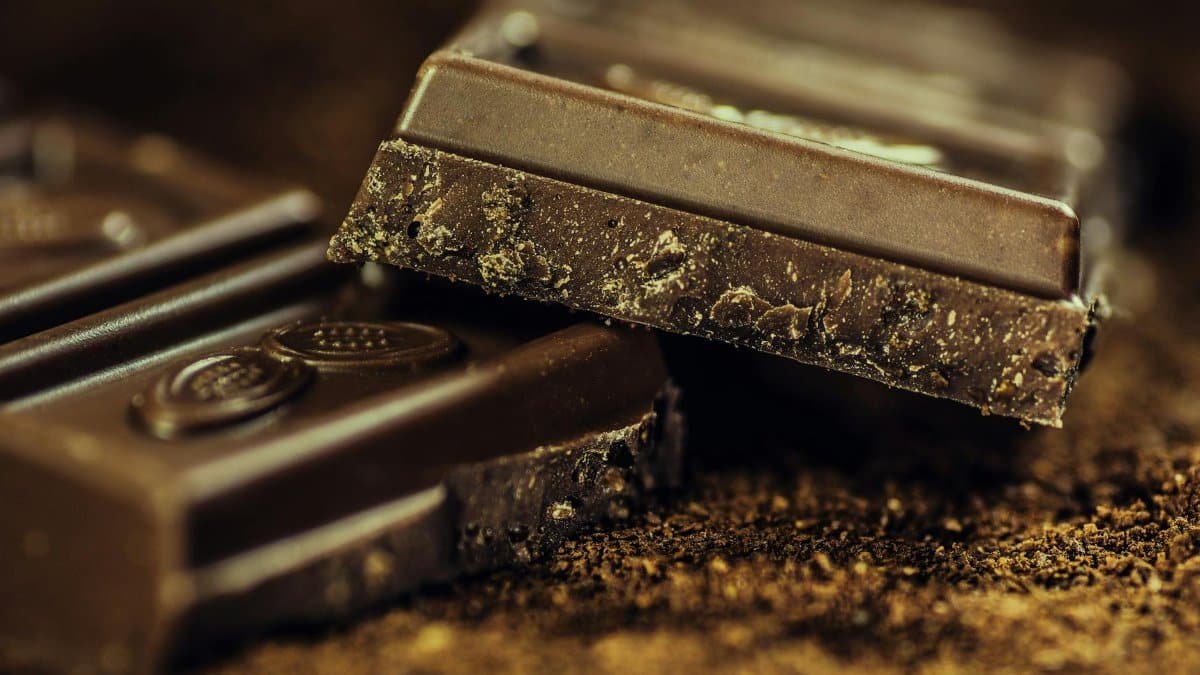
Dark chocolate stands out for its mood-elevating compounds. Rich in flavonoids, it boosts endorphin production and enhances blood flow to the brain, potentially easing symptoms of depression. A study from the National Institutes of Health highlights how moderate consumption correlates with lower stress markers. Imagine a busy parent unwinding after a long day; a square of 70% cocoa melts on the tongue, delivering a subtle lift without the sugar crash of milkier varieties.
Yet, it’s not all indulgence. Pair it with nuts for sustained energy, avoiding the pitfalls of overeating. In online discussions, one anonymous user shared how swapping afternoon candy for dark chocolate curbed their irritability, describing it as “a small ritual that resets my day.” This aligns with broader trends where Americans seek natural ways to steady emotions amid rising mental health awareness.
2. Almonds
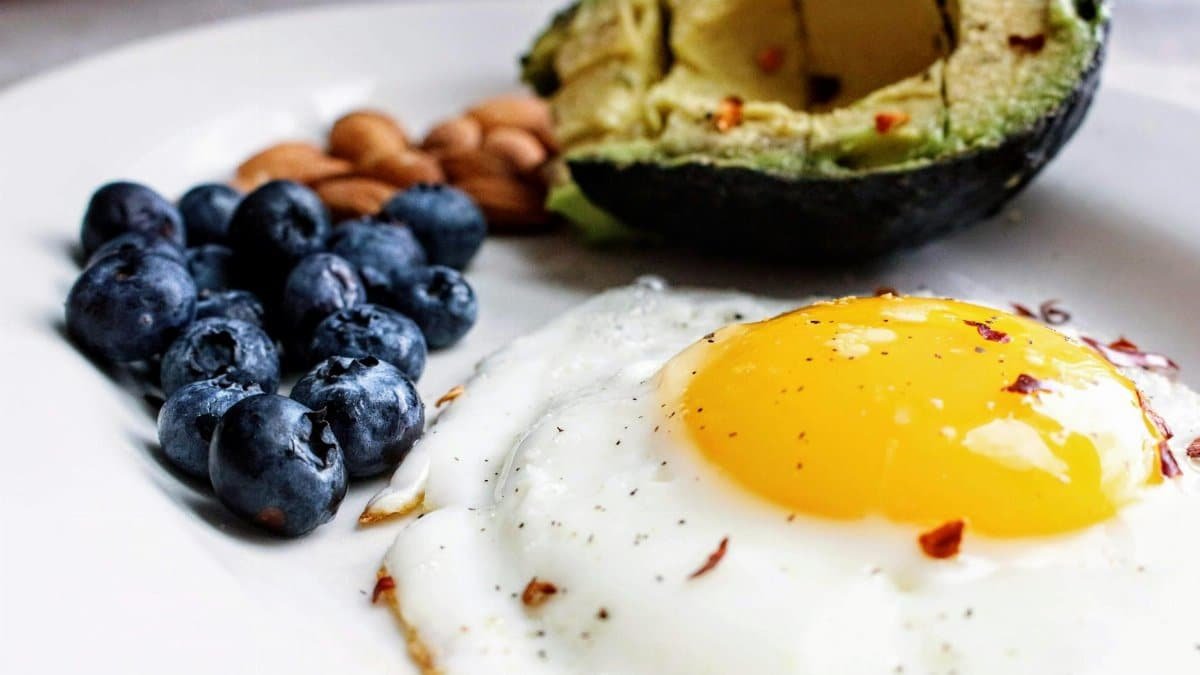
Start with a handful, and you might notice the difference. Almonds pack magnesium, a mineral often deficient in diets and crucial for regulating cortisol, the stress hormone. Research from the Office of Dietary Supplements at NIH underscores magnesium’s role in mood stabilization. Picture office workers in Chicago grabbing almonds during breaks; the crunch provides not just satisfaction but a buffer against afternoon slumps.
The beauty lies in their versatility. Toast them lightly for enhanced flavor, or blend into smoothies. While some worry about calories, portion control keeps benefits in focus. This snack’s rise reflects a cultural pivot toward mindful eating, where emotional well-being trumps quick fixes.
3. Blueberries
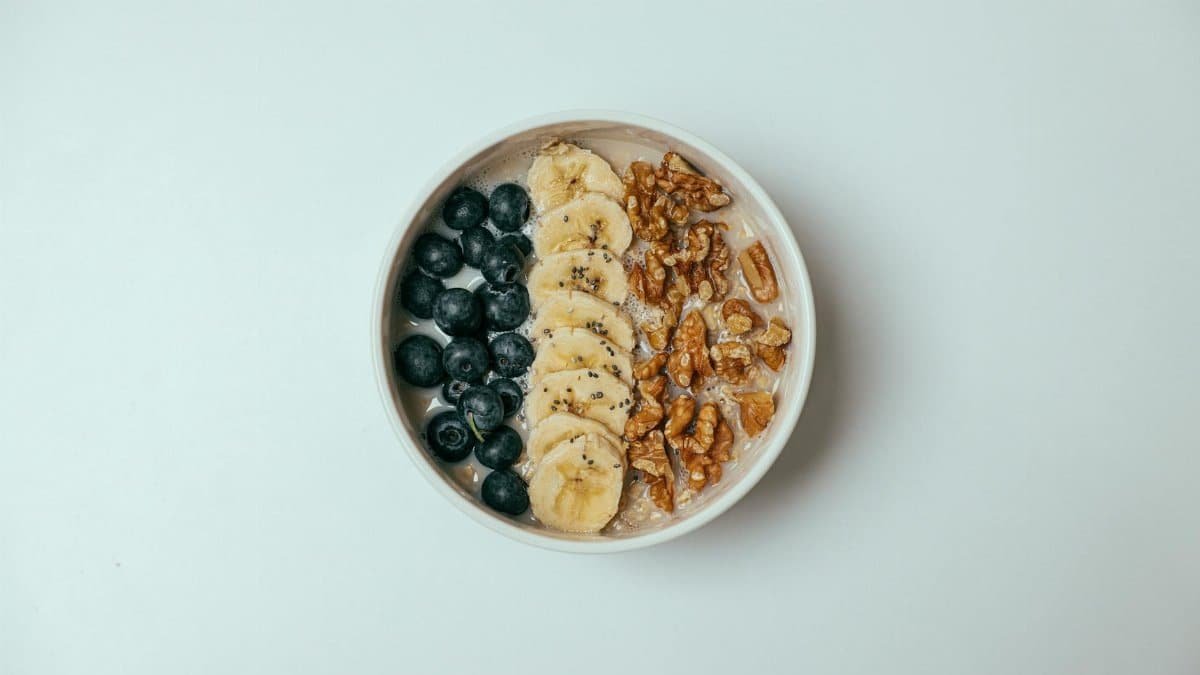
What if a burst of blue could brighten your outlook? Blueberries brim with antioxidants that fight oxidative stress, linked to anxiety and low moods. A report from Harvard’s T.H. Chan School of Public Health notes their potential in supporting cognitive function and emotional health. Envision a morning routine: fresh berries scattered over yogurt, their tang awakening senses while nurturing the mind.
They’re easy to incorporate, frozen or fresh, into salads or as standalone treats. Challenges arise in seasonality, but year-round availability in U.S. supermarkets solves that. One public account recalled how daily blueberries helped during a tough winter, easing persistent fog and fostering clarity.
4. Yogurt
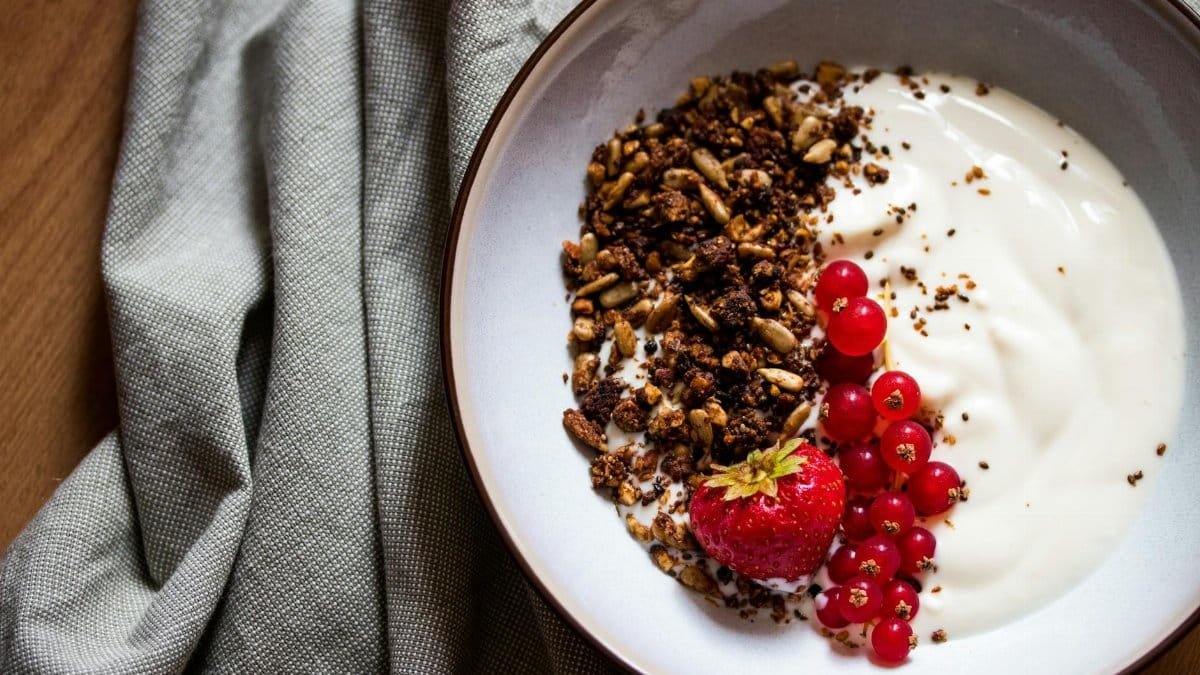
Dive into the gut-brain connection with yogurt. Probiotics in this creamy snack promote healthy gut flora, which influences serotonin production, key for emotional regulation. Findings from the National Center for Biotechnology Information explore how fermented foods like yogurt may alleviate depressive symptoms. Think of a retiree in Florida spooning Greek yogurt topped with honey; it’s a soothing ritual that steadies nerves.
Opt for plain varieties to sidestep added sugars. Mixing in fruits elevates it further. As 2025 trends show, more middle-aged Americans embrace probiotics for holistic wellness, turning simple snacks into allies for balance.
5. Bananas

Bananas offer a quick potassium punch, aiding nerve function and mood stability. Their vitamin B6 content supports neurotransmitter synthesis, vital for combating fatigue and irritability. The USDA’s nutritional database affirms these benefits, linking regular intake to improved emotional resilience. Recall a commuter in New York peeling one on the subway; that natural sweetness curbs cravings while calming the system.
They’re portable and affordable, ideal for on-the-go lifestyles. Some face digestive sensitivities, but ripe ones often ease that. This fruit’s popularity underscores a broader appreciation for everyday foods that subtly enhance well-being.
6. Walnuts

Walnuts mimic the brain’s shape, and fittingly, they nourish it with omega-3 fatty acids. These essentials reduce inflammation and support serotonin pathways, as detailed in a Harvard Nutrition Source overview. Envision trail mix featuring walnuts on a hike; each bite fuels both body and mind against daily stressors.
Roast them for crunch or add to salads. While allergies pose barriers for some, alternatives abound. In reflecting on U.S. habits, walnuts represent a smart, snackable path to emotional steadiness.
7. Avocado
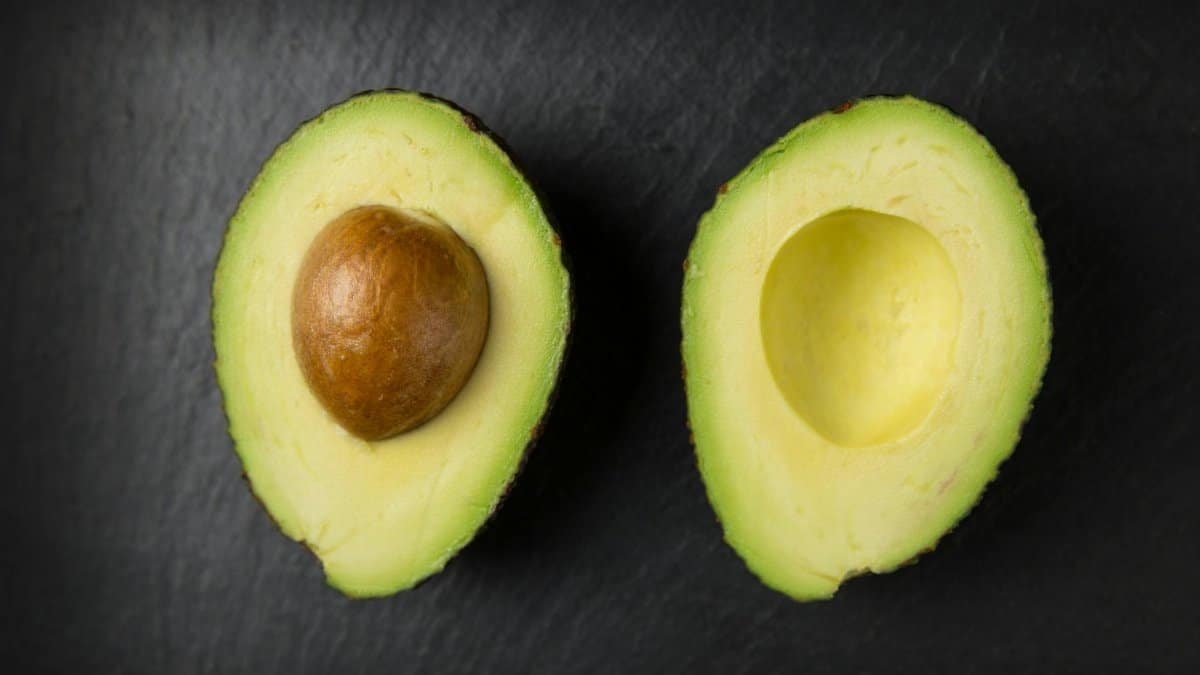
Avocado’s healthy fats promote sustained energy, crucial for warding off mood dips. Folate in this green gem aids dopamine production, fostering motivation. A study summarized by the Mayo Clinic connects folate-rich diets to lower depression risks. Picture slicing one onto whole-grain toast; the creamy texture satisfies while stabilizing blood sugar.
It’s versatile in guacamole or spreads. Cost can deter, but seasonal buys help. As wellness conversations evolve in 2025, avocados highlight how fats aren’t foes but friends to emotional health.
8. Salmon Bites

For a savory option, salmon delivers omega-3s that enhance brain function and reduce anxiety. The FDA’s advice on fish consumption emphasizes its role in mental health. Imagine smoked salmon on crackers at a gathering; it nourishes connections and calm alike.
Choose wild-caught for purity. Sustainability concerns matter, yet farmed options improve. This snack embodies a trend toward protein-rich choices for lasting emotional support.
9. Oats
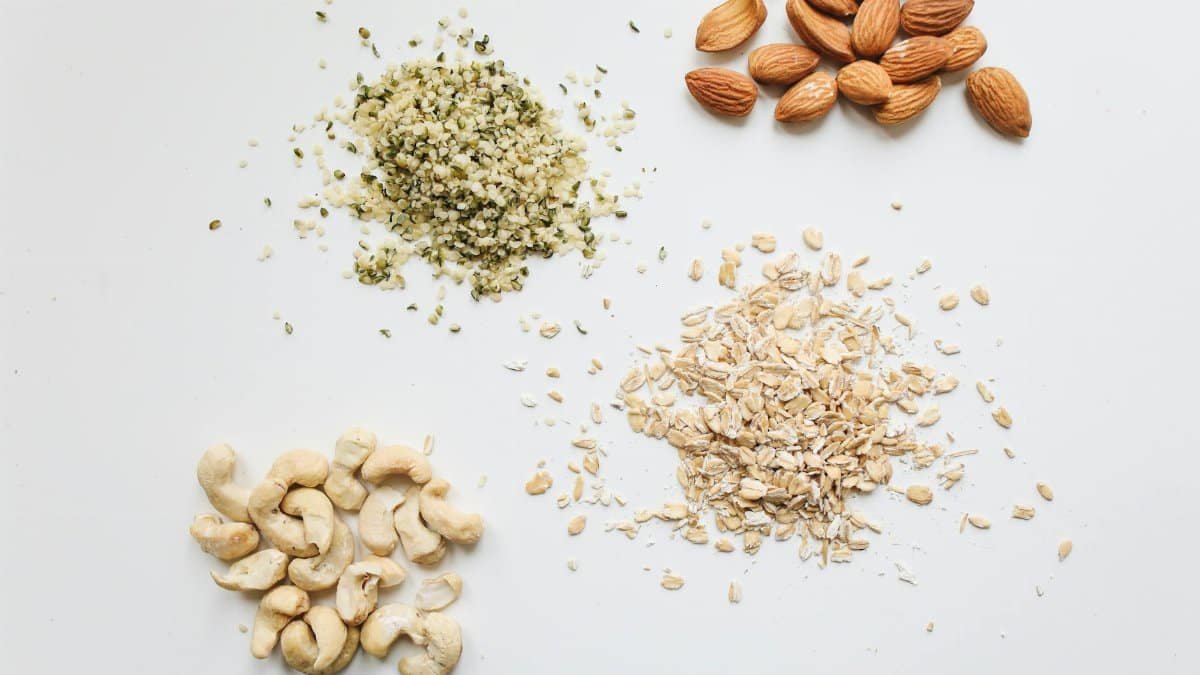
Oats provide complex carbs that stabilize blood sugar, preventing emotional rollercoasters. Their fiber content supports gut health, indirectly boosting mood. Research from the Whole Grains Council links whole grains to better mental outcomes. Think overnight oats prepared the night before; mornings start smoother, emotions more even.
Flavor with cinnamon for warmth. Some find them bland, but creativity transforms them. In American kitchens, oats signal a return to wholesome basics for inner peace.
10. Spinach
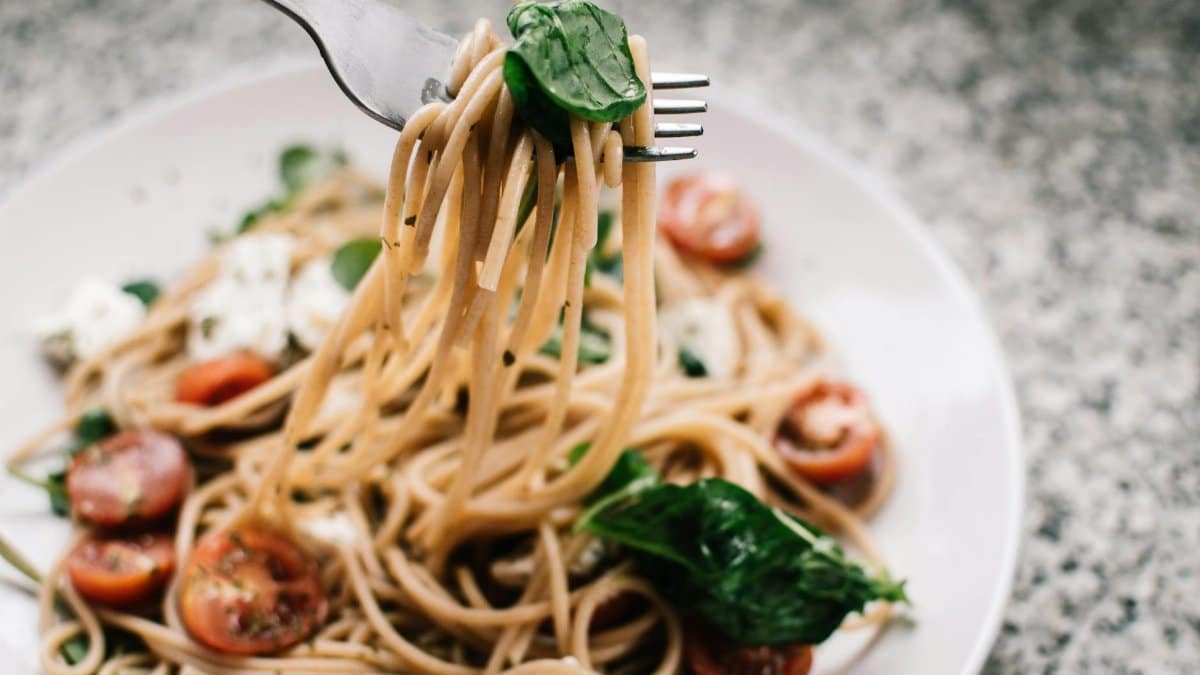
Spinach, packed with iron and folate, combats fatigue that exacerbates emotional lows. Its nutrients aid oxygen transport to the brain, sharpening focus. A CDC report on nutrition stresses iron’s importance for cognitive health. Visualize a quick smoothie with spinach leaves; it’s a green boost that invigorates without fanfare.
Incorporate into wraps or salads. Absorption improves with vitamin C pairings. As we look at 2025’s wellness landscape, spinach exemplifies how greens quietly fortify emotional foundations, one leaf at a time.
These snacks, woven into daily habits, illustrate a practical approach to emotional balance. They remind us that small choices accumulate, offering resilience in an unpredictable world.