

In a world where nearly 77% of American adults report experiencing stress that impacts their physical health, according to a 2023 survey by the American Psychological Association, it’s no surprise that many are turning to natural remedies for relief. This surge reflects a broader shift toward holistic wellness, with herbal supplements seeing a 9.7% sales increase in 2023 alone, as noted in reports from the American Botanical Council. Amid this trend, certain herbs stand out for their potential to support inner calm, offering a gentle counterbalance to the relentless pace of modern life. These plants, rooted in traditional practices yet backed by emerging research, provide subtle ways to ease anxiety and promote relaxation without the side effects often associated with pharmaceuticals. As we navigate 2025’s uncertainties, understanding how these herbs work could empower more people to cultivate a sense of peace from within.
1. Chamomile
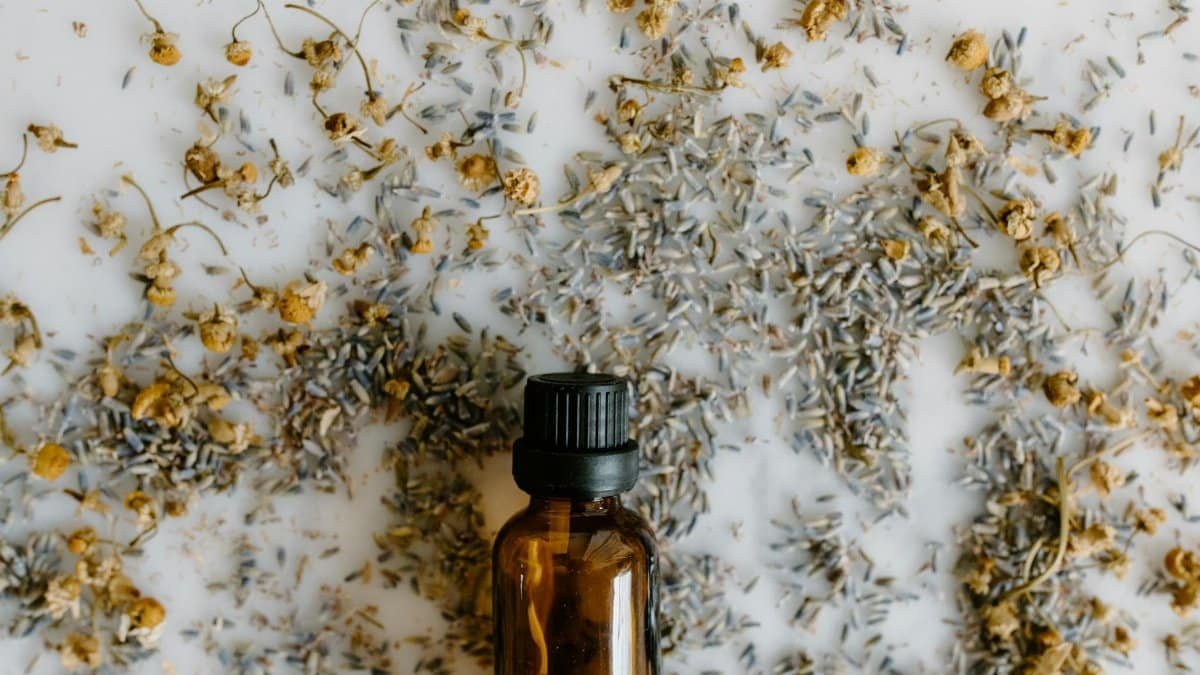
Chamomile has long been a go-to for those seeking tranquility, its delicate flowers brewing into teas that soothe both body and mind. Picture a harried office worker in Chicago, pausing mid-afternoon to steep a cup, the steam carrying hints of apple and honey as tension begins to melt away. This herb’s calming effects stem from compounds like apigenin, which binds to brain receptors similar to those targeted by anti-anxiety medications, potentially reducing symptoms of generalized anxiety disorder.
Research supports this traditional use. A study published in the journal Phytotherapy Research found that chamomile extract significantly lowered anxiety scores in participants over eight weeks. Yet, it’s not without nuances; some people experience allergic reactions if sensitive to ragweed. In everyday practice, integrating chamomile might mean swapping evening coffee for a warm infusion, allowing its mild sedative properties to prepare the body for restful sleep. One anonymous account from an online forum described it as “a soft blanket for the nerves,” capturing how it eases the mental chatter that keeps so many awake at night.
While not a cure-all, chamomile’s accessibility makes it a practical starting point for those exploring herbs to support inner calm. For more details on its benefits and safety, check the National Center for Complementary and Integrative Health’s overview.
2. Lavender

Start with a whiff, and lavender’s floral aroma can transport you to sun-drenched fields in Provence, even if you’re stuck in a New York subway. This versatile herb isn’t just for sachets; its essential oil has been shown to lower heart rates and blood pressure in stressful situations, making it a staple in aromatherapy.
Consider the story of a nurse in Seattle who diffused lavender during night shifts, finding it helped her stay composed amid chaos. Science echoes this: A randomized controlled trial in the International Journal of Psychiatry in Clinical Practice revealed that lavender oil capsules reduced anxiety in patients as effectively as some prescription drugs, with fewer side effects. The key lies in linalool, a compound that influences the nervous system to promote relaxation.
Of course, quality matters. Opt for pure essential oils to avoid synthetic additives that could irritate skin. Blending lavender into daily routines, like adding drops to a bath or pillow, builds a ritual that reinforces calm. It’s fascinating how such a simple plant can bridge ancient remedies with modern stress management, adapting to urban lifestyles where peace feels elusive.
For evidence-based insights, refer to the NCCIH page on lavender.
3. Valerian Root
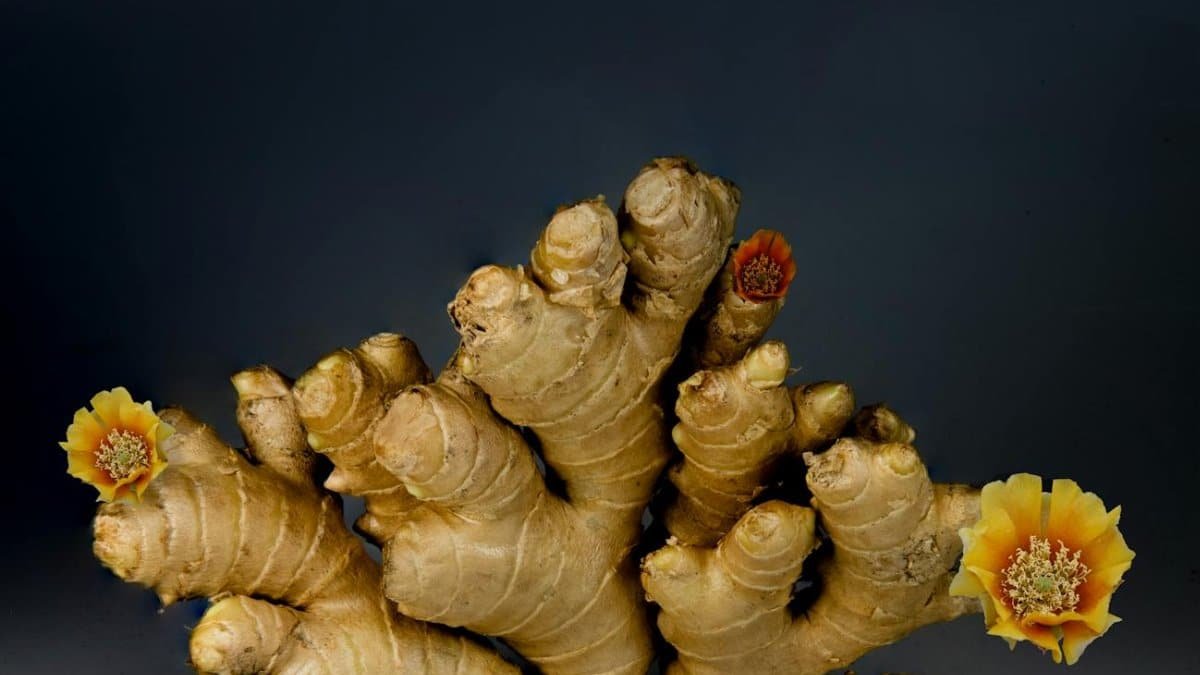
What if a root buried in European soil held the secret to quieter nights? Valerian, with its earthy scent, has been used since ancient Greece to combat insomnia and nervousness, acting on GABA receptors in the brain to enhance sleep quality without the grogginess of some sleep aids.
A busy parent in Atlanta might turn to valerian tea before bed, watching worries fade as drowsiness sets in. Clinical trials back this up; a meta-analysis in the American Journal of Medicine concluded that valerian improves sleep latency and duration, particularly for those with mild sleep disturbances. However, it can interact with medications, so consulting a doctor is wise.
Beyond sleep, valerian supports inner calm by reducing the physiological effects of stress, like racing thoughts. Imagine it as a natural anchor, grounding you during turbulent days. Users often report a cumulative benefit, with effects building over weeks. This herb reminds us that patience is part of the healing process, contrasting with instant-fix expectations in 2025’s fast world.
Dive into the research via the PubMed abstract on valerian for sleep.
4. Ashwagandha

Ashwagandha thrives in the arid soils of India, yet its adaptogenic powers have crossed oceans to aid Americans battling chronic stress. This herb helps regulate cortisol levels, the hormone that spikes during tension, fostering a balanced response to daily pressures.
Think of a tech entrepreneur in Silicon Valley incorporating ashwagandha supplements into her morning routine, noticing sharper focus amid deadlines. A 2019 study in the Journal of Alternative and Complementary Medicine demonstrated that ashwagandha reduced stress and anxiety scores by 44% in participants after 60 days. Its withanolides are the active players, modulating the body’s stress axis.
Still, it’s not for everyone; those with thyroid issues should proceed cautiously. Weaving it into life could mean capsules or powders in smoothies, creating a bridge between Eastern traditions and Western wellness. Online discussions highlight its role in sustaining energy without the crash, one person sharing how it “turned exhaustion into steady calm.” Such stories underscore ashwagandha’s growing popularity in supporting inner resilience.
Explore the findings at the NCCIH’s ashwagandha resource.
5. Lemon Balm

Lemon balm’s citrusy leaves offer more than a pleasant tea; they carry compounds that boost mood and ease restlessness, drawing from centuries of herbal lore in Europe and beyond. It’s like nature’s gentle nudge toward serenity, especially for those with mild anxiety.
A student in Boston might sip lemon balm infusion during exam season, feeling the edge soften without dulling her mind. Evidence from a pilot study in Nutrients journal showed it improved cognitive performance and reduced stress in young adults. Rosmarinic acid plays a key role, inhibiting enzymes that break down calming neurotransmitters.
Pairing it with other herbs amplifies effects, but start low to gauge tolerance. This approach highlights lemon balm’s subtlety, encouraging mindful use rather than reliance. In a culture fixated on productivity, it invites reflection on how small, natural interventions can realign our inner state, making space for creativity amid chaos.
For a deeper look, visit the PubMed study on lemon balm and stress.
6. Passionflower
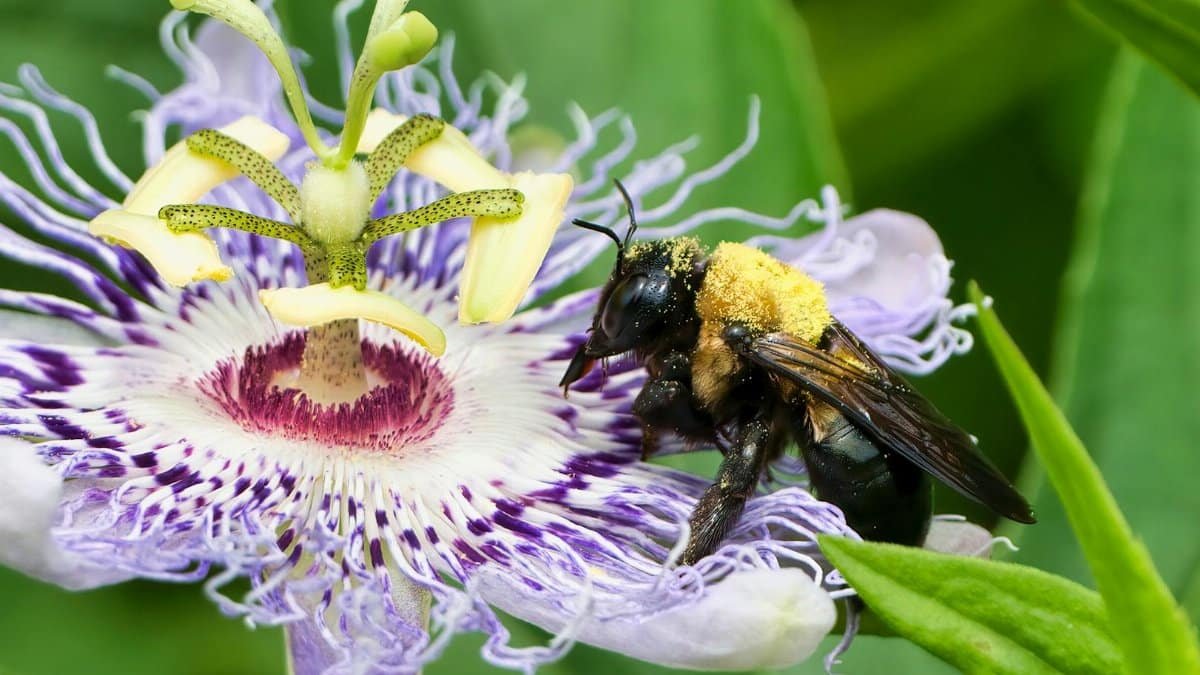
Passionflower’s intricate blooms belie its potent calming abilities, native to the Americas and cherished by indigenous healers for quelling nervousness. It increases GABA levels in the brain, similar to valerian, but with a milder profile suited for daytime use.
Envision a remote worker in Denver brewing passionflower tea during virtual meetings, maintaining poise as deadlines loom. A clinical trial in Phytotherapy Research found it as effective as oxazepam for anxiety, minus the impairment. Flavonoids like chrysin drive this, offering relief without sedation.
Interactions with sedatives warrant caution, emphasizing informed choices. This herb embodies a harmonious blend of tradition and science, supporting inner calm by addressing both mind and body. As lifestyles evolve in 2025, passionflower’s adaptability makes it a fitting ally for those seeking equilibrium in unpredictable times.
Review the evidence through the NCCIH passionflower summary.
7. Holy Basil

Known as tulsi in India, holy basil is revered as a sacred plant that nurtures spiritual and physical well-being, adapting to stress much like ashwagandha but with a unique peppery flavor in teas.
A yoga instructor in Miami incorporates holy basil into her practice, describing it as fueling a deeper sense of peace during sessions. Research in the Journal of Ayurveda and Integrative Medicine supports its anti-stress effects, showing reduced biochemical markers of stress in volunteers. Eugenol and other compounds modulate inflammation and mood.
While generally safe, high doses might affect fertility, so moderation is key. This herb invites exploration of cultural wisdom, blending it with contemporary needs to support inner calm. It challenges us to view wellness holistically, where plants like tulsi bridge gaps between ancient rituals and modern demands, fostering resilience in an ever-changing world.
Learn more from the PubMed article on holy basil’s adaptogenic properties.