
A recent study from the National Institutes of Health revealed that nearly 40% of Americans report heightened anxiety levels in 2025, up from a decade ago, amid ongoing stresses from work, technology, and daily life. This surge underscores a growing interest in natural ways to find calm. Enter the world of ingredients that calm the nervous system—simple, often plant-based elements that science suggests can ease tension without heavy reliance on pharmaceuticals. From herbal teas sipped in quiet evenings to minerals sprinkled into meals, these components tap into the body’s innate relaxation mechanisms. They’re not magic bullets, but for many, they offer a gentle nudge toward balance. As wellness trends evolve, understanding these ingredients provides a practical toolkit for navigating modern pressures.
1. Chamomile: The Gentle Soother

Chamomile has long held a spot in the pantheon of calming herbs, its daisy-like flowers brewing into teas that promise restful nights. Picture a harried parent in suburban Chicago, winding down after a chaotic day by steeping a bag in hot water—the steam rising with a faint apple-like scent that signals unwind time. This isn’t just folklore; research backs it up. A study published in the journal Phytotherapy Research found that chamomile extract significantly reduced symptoms of generalized anxiety disorder in participants over eight weeks. The key lies in compounds like apigenin, which bind to brain receptors much like mild sedatives do, promoting a sense of tranquility without drowsiness for most.
But chamomile’s appeal extends beyond the cup. In essential oil form, it’s diffused in bedrooms or added to baths, creating a sensory ritual that eases the mind. One anonymous account from an online forum described it vividly: feeling the day’s worries melt away as the aroma filled the room, like a soft blanket over frayed nerves. Of course, it’s not for everyone—those with ragweed allergies might steer clear. Still, in a fast-paced 2025 America, where sleep apps track every toss and turn, chamomile offers an accessible entry point to natural calm. For more details on the study, check out this NIH summary.
Incorporating it daily can be straightforward. Start with a morning infusion or an evening ritual. The beauty is in its subtlety; it doesn’t overhaul your routine but enhances it, fostering a quieter nervous system amid the noise.
2. Lavender: Aromatic Ally Against Stress
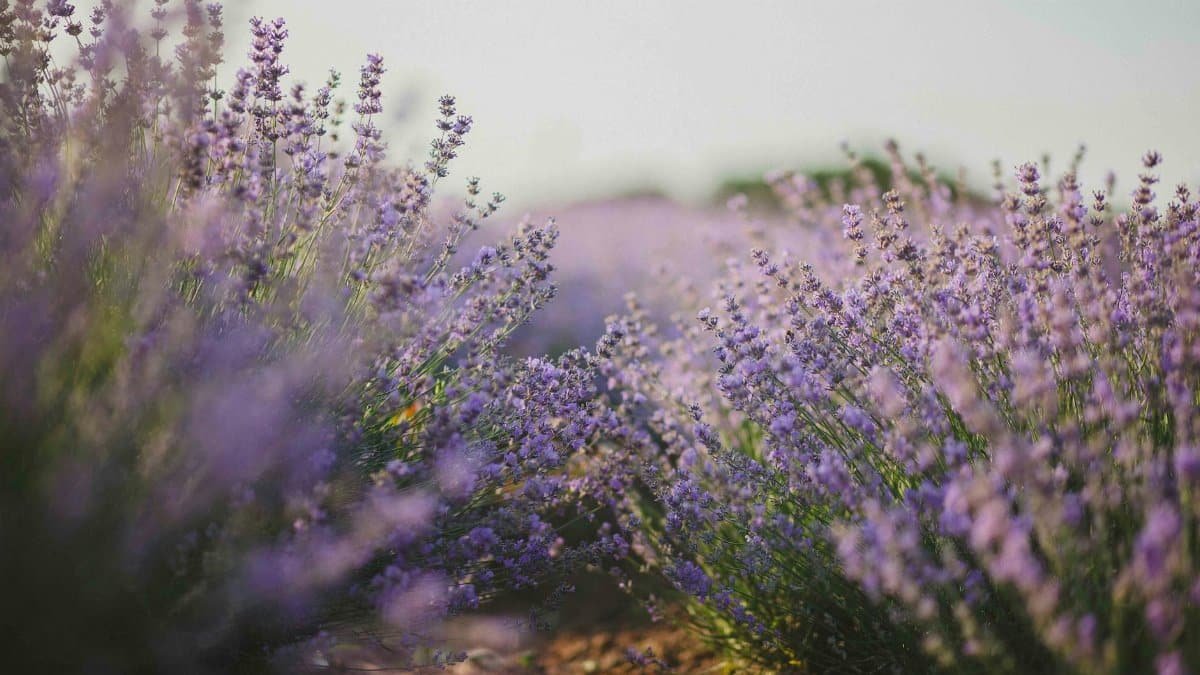
Lavender fields stretching under a Provence sun might seem worlds away from a New York City apartment, yet this purple bloom brings that serenity closer to home. Its essential oil, distilled from the flowers, has been a go-to for centuries, but modern science is catching up. Inhaling lavender’s scent can lower cortisol levels, the hormone tied to stress, according to findings from the American Psychological Association. Imagine a corporate worker in Atlanta, dabbing a drop on their wrist before a high-stakes meeting—the floral notes cutting through the tension like a cool breeze.
What makes lavender effective for the nervous system? It’s the linalool and linalyl acetate, compounds that interact with neurotransmitters to promote relaxation. A randomized controlled trial highlighted in the Journal of Alternative and Complementary Medicine showed participants experiencing reduced anxiety after lavender aromatherapy sessions. Yet, it’s not without nuances; some find the scent overpowering, while others blend it with carriers for topical use. In 2025, with wellness apps recommending personalized scent profiles, lavender fits right in, offering a bridge between tradition and tech.
Explore it through sachets under pillows or in homemade sprays. The key is consistency, turning a simple whiff into a habitual reset for overwrought nerves. For the trial details, visit this NIH-linked study.
3. Magnesium: The Mineral That Mellows
Amid the buzz of dietary supplements, magnesium stands out as a quiet powerhouse for nervous system health. This mineral plays a crucial role in over 300 enzymatic reactions, including those regulating neurotransmitters like GABA, which dials down neural activity. Deficiency is common— the USDA estimates about half of Americans don’t get enough through diet alone, leading to irritability and restlessness. Think of a teacher in Seattle, sprinkling magnesium-rich pumpkin seeds into her salad, feeling a subtle shift toward steadiness by afternoon.
Studies reinforce this. Research from Oregon State University’s Linus Pauling Institute indicates that magnesium supplementation can alleviate symptoms of mild anxiety and improve sleep quality. It’s not a quick fix, but over weeks, it builds resilience against stress. Forms vary—glycinate for better absorption, citrate for those with digestive needs—allowing personalization in an era where biohacking is mainstream.
Foods like spinach, almonds, and dark chocolate deliver it naturally, making integration seamless. One might ponder: in a culture fixated on productivity, could prioritizing magnesium be the understated rebellion? For in-depth info, see Oregon State University’s page.
The narrative here isn’t about miracles but about foundational support, helping the nervous system weather daily storms with greater ease.
4. Valerian Root: Nature’s Nightcap
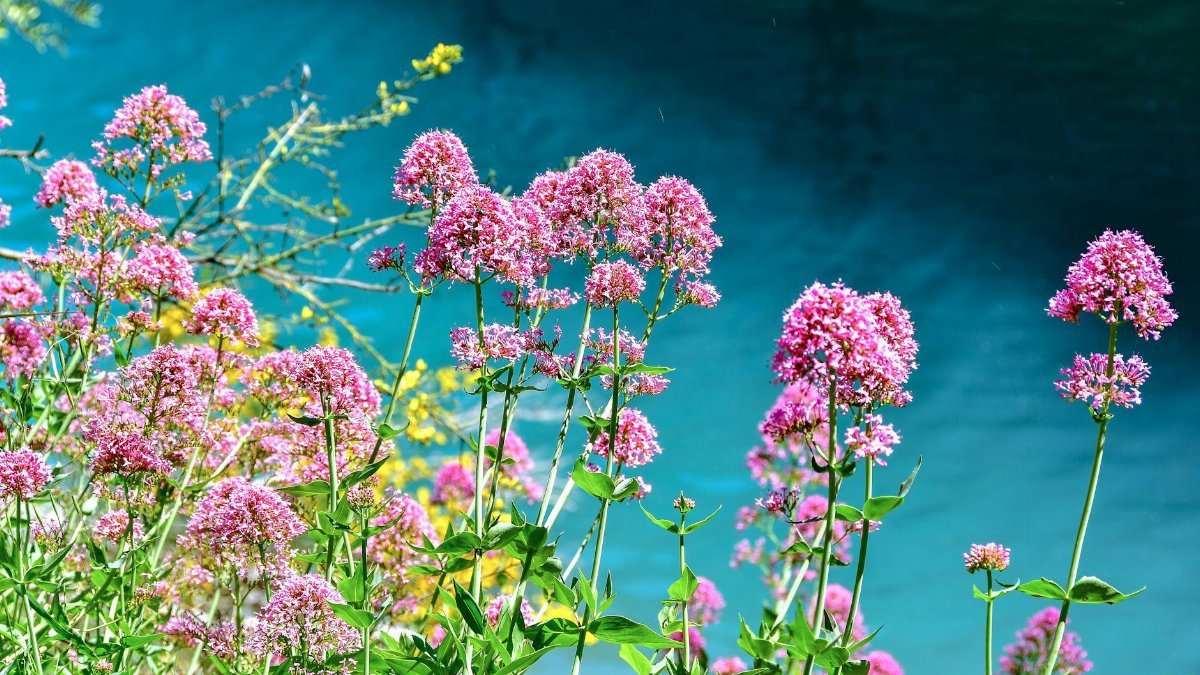
Valerian root, with its earthy, somewhat pungent aroma, doesn’t win beauty contests, but its effects on sleep and anxiety have earned it a loyal following. Derived from a perennial plant native to Europe and Asia, it’s been used since ancient times to promote rest. Fast-forward to today: a meta-analysis in the American Journal of Medicine reviewed multiple trials, concluding that valerian improves sleep latency and quality, indirectly calming the nervous system by ensuring restorative downtime.
Consider a retiree in Florida, brewing valerian tea before bed, the ritual itself becoming a signal to unwind. The active compounds, like valerenic acid, enhance GABA receptors, similar to how some prescription sleep aids work but with fewer side effects for many. Yet, it’s potent—starting low is wise, as it can cause vivid dreams or morning grogginess in some.
In 2025’s sleep-deprived landscape, where blue light from screens disrupts circadian rhythms, valerian offers a counterpoint. Blend it with other herbs for synergy, or take it in capsule form for convenience. The story unfolds gradually, revealing deeper calm over consistent use. Dive into the meta-analysis at The American Journal of Medicine.
5. Passionflower: The Vine of Tranquility

Passionflower, with its intricate blooms resembling a crown of thorns, carries a name that belies its soothing properties. Native to the southeastern U.S., this vine’s extracts have been traditionally used by Native American tribes for relaxation. Contemporary research supports this: a study in Phytotherapy Research demonstrated that passionflower tea reduced anxiety levels comparably to some anti-anxiety medications in preoperative patients.
Envision a student in Boston, facing exam stress, sipping a cup and feeling the mental fog lift slightly. Flavonoids like chrysin inhibit the breakdown of calming brain chemicals, fostering a balanced nervous system. It’s gentle, making it suitable for daytime use without heavy sedation.
Challenges exist—interactions with sedatives warrant caution—but its versatility shines in tinctures or supplements. As wellness conversations in 2025 emphasize holistic approaches, passionflower embodies that shift, weaving ancient wisdom into modern routines. For the study, refer to this NIH resource.
Ultimately, it’s about harnessing nature’s subtlety to navigate inner turbulence.
6. Lemon Balm: Zesty Calm in a Leaf

Lemon balm, a member of the mint family with a citrusy tang, brings lightness to the realm of calming ingredients. Historical texts from the Middle Ages praise it for lifting spirits and easing nerves. Today, evidence from the University of Maryland Medical Center suggests it modulates GABA activity, reducing stress and improving mood.
Picture a freelance writer in Denver, adding fresh leaves to her water, the zing providing a refreshing pause amid deadlines. Clinical trials, including one in Nutrients journal, show lemon balm extract decreasing anxiety scores in stressed adults after just a few weeks.
Its mild flavor makes it ideal for culinary twists—infused in salads or desserts—blending health with pleasure. In a year like 2025, marked by hybrid work and constant connectivity, such simple additions foster resilience. One might reflect on how these small acts accumulate, reshaping daily experiences. Explore the trial at Nutrients journal via NIH.
Beyond the science, lemon balm invites experimentation, turning calm into a flavorful journey for the nervous system.