
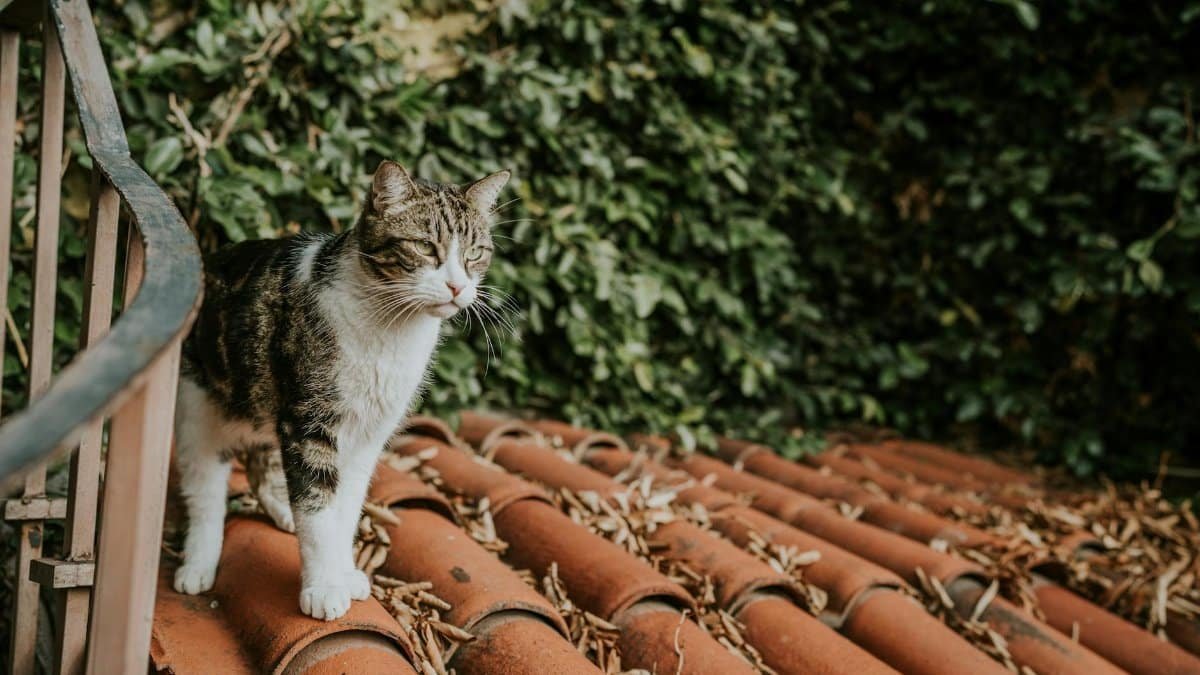
In a state where the hustle of Silicon Valley meets the laid-back vibes of coastal towns, a surprising statistic emerges from recent research: pet ownership in California has surged by 25% over the past five years, according to data from the American Veterinary Medical Association. This uptick isn’t just about companionship; it’s tied to a growing recognition of how animals, particularly cats, can foster serenity amid daily chaos. A study by the University of California, Davis, highlights that interacting with felines reduces stress hormones in humans by up to 30%. As Californians grapple with wildfires, traffic snarls, and work pressures, these furry residents offer subtle lessons in tranquility. Exploring habits, improve, california through the lens of cat behaviors reveals practical ways to cultivate calm, drawing from the Golden State’s own blend of innovation and mindfulness. This isn’t mere whimsy; it’s backed by science showing how emulating feline routines can soothe the mind in an increasingly frantic world.
1. The Art of Purring for Inner Peace

Cats have mastered a vibration that’s more than just a sound. Their purring, often clocking in at 25 to 150 Hertz, aligns with frequencies known to promote healing in bones and tissues, as noted in research from the Fauna Communications Research Institute. In California, where wellness retreats dot the landscape from Big Sur to the Sierra foothills, people are tuning into this. Imagine a tech worker in San Francisco, slumped over a laptop after a grueling day. She hears her cat’s low rumble and feels tension melt away. It’s not magic; studies suggest purring lowers blood pressure and eases anxiety.
One anonymous account shared publicly online described it vividly: feeling overwhelmed by remote work demands, the person sat with their cat, letting the purr wash over them like ocean waves. Suddenly, clarity emerged. This echoes broader trends in 2025, where biofeedback apps incorporate similar sounds for meditation. Researchers at Stanford University have explored how such vibrations mimic therapeutic techniques. For those seeking to adopt this habit, start by listening to recordings or simply spending quiet time with a pet. The key lies in presence, allowing the rhythm to sync with your breath.
Yet, not every purr signals contentment; sometimes it’s a self-soothing mechanism during stress. This duality teaches us about resilience. In a state prone to earthquakes and economic shifts, emulating this could mean finding your own “purr”—a personal mantra or hum—to navigate uncertainty.
2. Kneading Rituals and Mindful Repetition
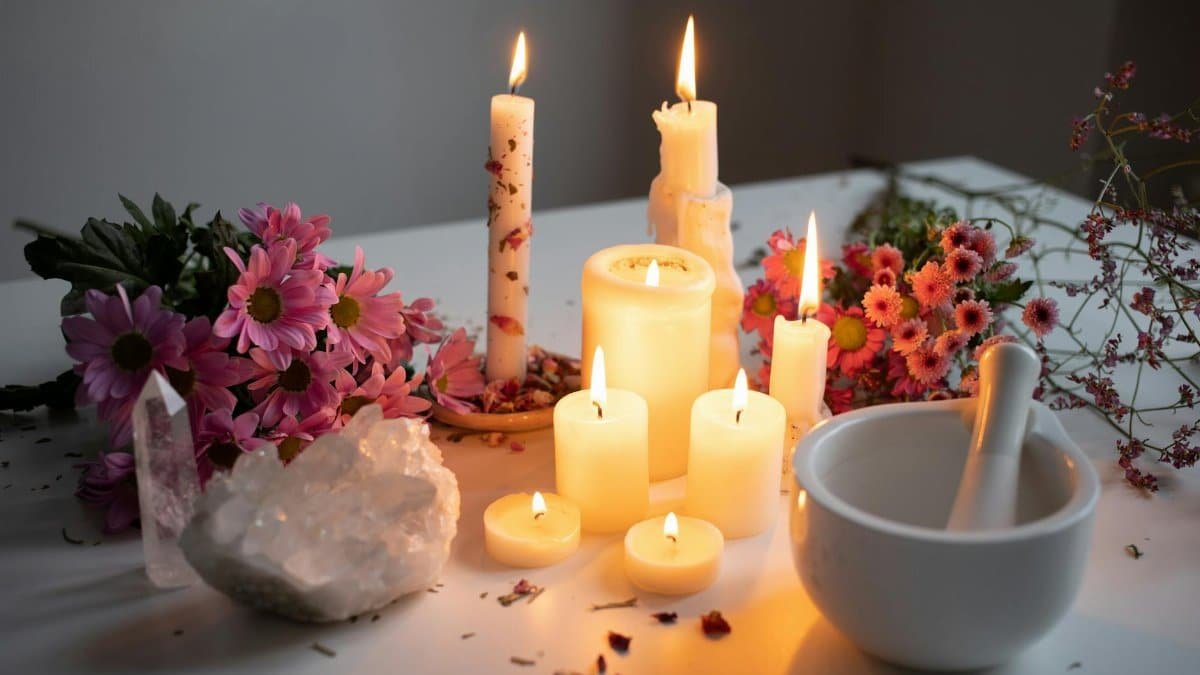
Watch a cat knead a blanket, paws pressing rhythmically, and you’re witnessing an instinct from kittenhood that evokes comfort. This action, often called “making biscuits,” stimulates endorphin release, creating a loop of calm. In California’s yoga studios and mindfulness centers, from Los Angeles to Sacramento, practitioners are drawing parallels to repetitive movements in practices like tai chi.
A brief snapshot: during a wellness workshop in Napa Valley, participants mimicked the motion, reporting a sense of grounding. It’s no coincidence; a report from the American Psychological Association links repetitive actions to reduced cortisol levels. For humans, this habit translates to simple rituals, like folding laundry with intention or even doodling during breaks.
The beauty here is in the subtlety. Cats don’t force it; they respond to an inner cue. Amid California’s fast-paced life, where commutes can stretch hours, incorporating kneading-like habits offers a pause. Think of it as building a personal sanctuary, one deliberate motion at a time. Over time, this fosters habits, improve, california by turning mundane acts into anchors of stability.
Of course, challenges arise—overdoing it might lead to monotony. Balance comes from varying the routine, much like cats who knead sporadically.
3. Stretching Like a Feline Yogi
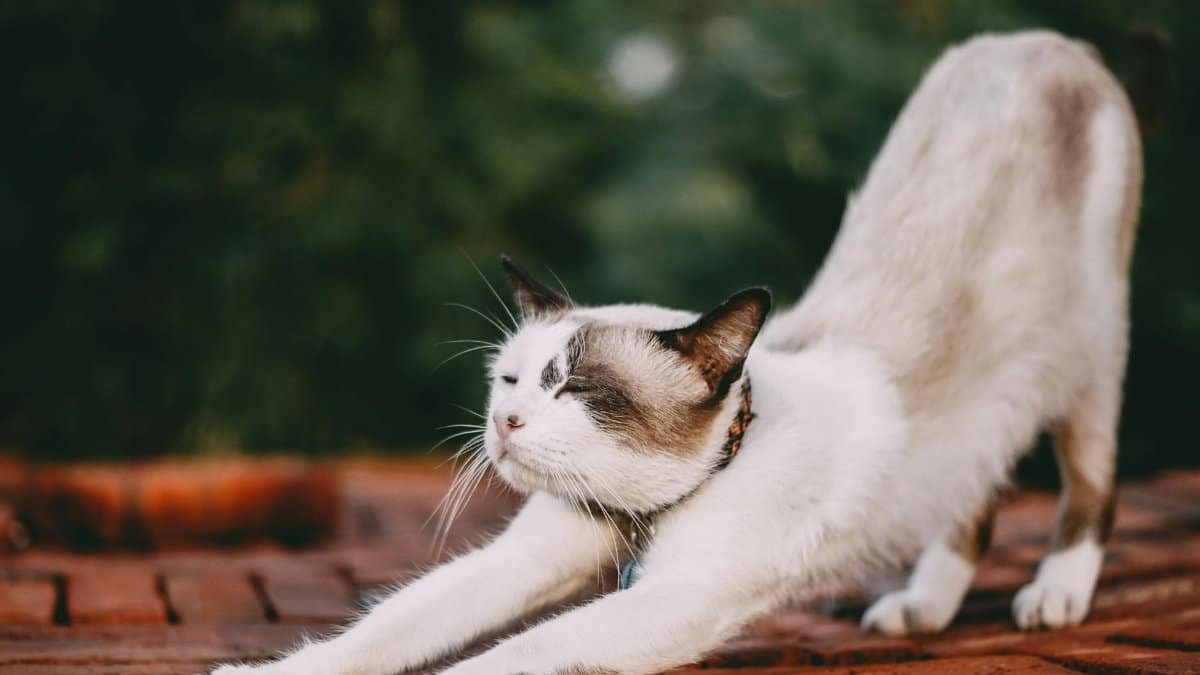
Cats stretch with abandon, arching backs and extending limbs in ways that scream effortless grace. This isn’t laziness; it’s essential for flexibility and circulation. In a state boasting yoga capitals like San Diego and Berkeley, feline-inspired stretches are gaining traction as quick calm boosters.
Dive into the science: a study published in the Journal of Applied Physiology shows that regular stretching enhances parasympathetic activity, promoting relaxation. Picture a surfer in Malibu, post-wave, copying their cat’s morning ritual before hitting the board. It sets a tone of readiness without rush.
One illustrative example comes from a group of retirees in Palm Springs who formed a “cat yoga” circle, blending poses with observations of their pets. Laughter ensued, but so did deeper breaths and looser muscles. This approach counters the stiffness from desk jobs prevalent in California’s tech hubs. To try it, begin with a downward cat pose, holding for breaths that match your pet’s unhurried pace.
There’s tension to explore: while cats stretch instinctively, humans often resist due to time constraints. Yet, in 2025’s wellness landscape, apps remind us to pause, making this habit accessible and transformative.
4. Mastering the Art of Napping

Cats nap up to 16 hours a day, cycling through light dozes that recharge without guilt. This polyphasic sleep pattern inspires Californians battling burnout in industries like entertainment and agriculture.
Research from the Centers for Disease Control and Prevention underscores that short naps improve cognitive function and mood. Envision a farmer in the Central Valley, stealing 20 minutes under an oak tree, echoing their barn cat’s siesta. It sharpens focus for the afternoon’s labors.
An anonymized story: someone in bustling Oakland recounted how adopting cat-like naps turned chaotic days into manageable ones, feeling refreshed rather than ragged. This ties into habits, improve, california by promoting restorative breaks in a culture that glorifies hustle.
Variety keeps it fresh—sometimes a power nap, other times a longer lounge. The nuance? Cats wake alert, teaching us to set boundaries around rest. In a year when remote work blurs lines, this habit rebuilds energy reserves.
Critics might call it indulgence, but evidence points to productivity gains, flipping the narrative on laziness.
5. Curious Exploration Without Overwhelm

Cats investigate their world with measured curiosity, sniffing and observing before leaping. This selective engagement prevents sensory overload, a lesson for California’s diverse, stimulating environments—from crowded festivals in Coachella to quiet redwood trails.
A paper from the National Institutes of Health connects mindful exploration to lower anxiety. Consider a hiker in Yosemite, pausing like a cat to absorb details, fostering presence over haste.
In one observed moment, a family in San Jose watched their cat methodically explore a new toy, inspiring them to approach family outings with similar patience. It reduced arguments, building calm through deliberate discovery.
This habit encourages boundaries: cats retreat when needed, modeling self-care. In 2025, with social media amplifying FOMO, emulating this curbs digital exhaustion. Start small—explore a single room with fresh eyes, noting textures and scents.
The complexity? Curiosity can tip into distraction, but cats balance it with retreat, offering a blueprint for sustainable engagement.
6. Grooming as Self-Care Ritual
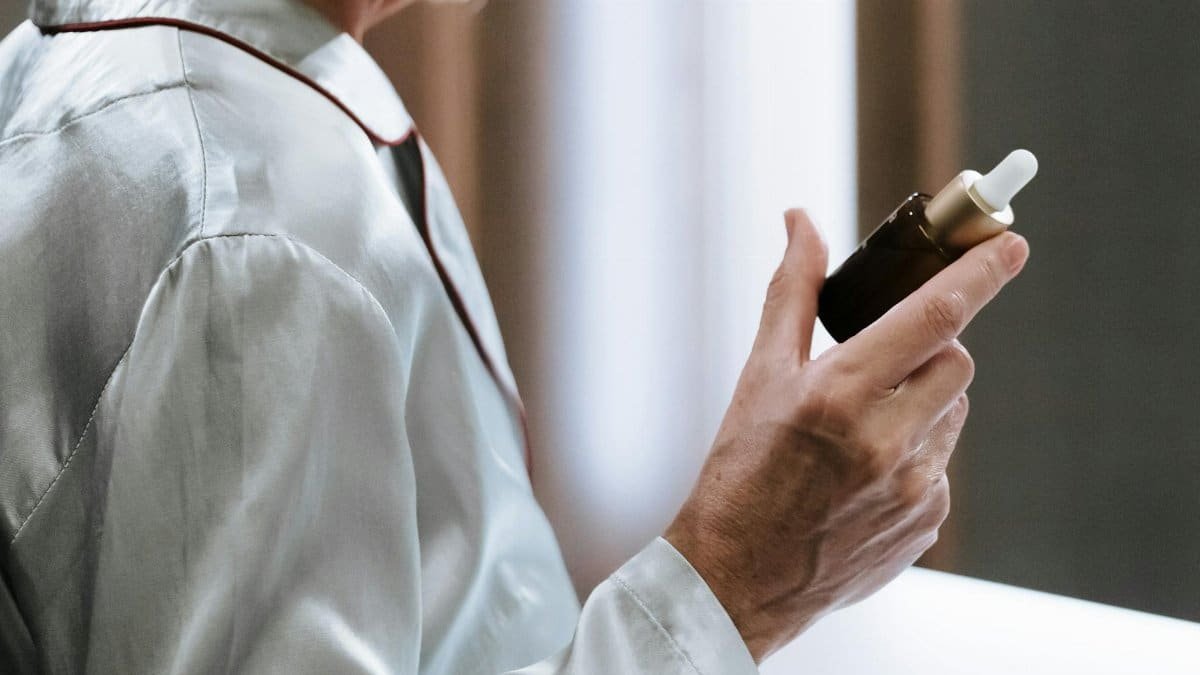
Finally, cats dedicate time to grooming, licking fur meticulously for hygiene and comfort. This self-maintenance ritual underscores the value of routine care, resonating in California’s spa-laden culture from Beverly Hills to Eureka.
Insights from the Pew Research Center reveal that self-care practices correlate with better mental health amid ongoing stressors. Visualize an artist in Venice Beach, mirroring their cat by establishing a evening routine of skincare and reflection, washing away the day’s grit.
A shared sentiment online: after a tough wildfire season, one person found solace in grooming rituals inspired by their pet, restoring a sense of control. This weaves into habits, improve, california by turning maintenance into meditation.
Grooming isn’t superficial; it’s about respect for one’s vessel. Challenges include time scarcity, but cats show efficiency—short, focused sessions yield results. As we navigate 2025’s uncertainties, this habit anchors us in the present, promoting lasting calm.
Reflecting on these feline ways, it’s clear they offer more than amusement; they provide actionable paths to serenity in the Golden State.