

A recent poll from the American Psychological Association found that 77 percent of Americans regularly experience physical symptoms caused by stress, a number that’s held steady even as we head into 2025. This isn’t just about feeling overwhelmed; it’s showing up in headaches, fatigue, and disrupted sleep for millions. But here’s a twist: what if the path to relief sits right on your plate? Incorporating certain foods that reduce daily stress can make a tangible difference, tapping into nutrients that calm the nervous system and boost mood-regulating chemicals in the brain. Researchers are increasingly pointing to diet as a frontline defense against the grind of everyday pressures, from work deadlines to family demands. It’s not a cure-all, but these simple additions offer a practical way to dial down tension without overhauling your life.
1. Fatty Fish Like Salmon
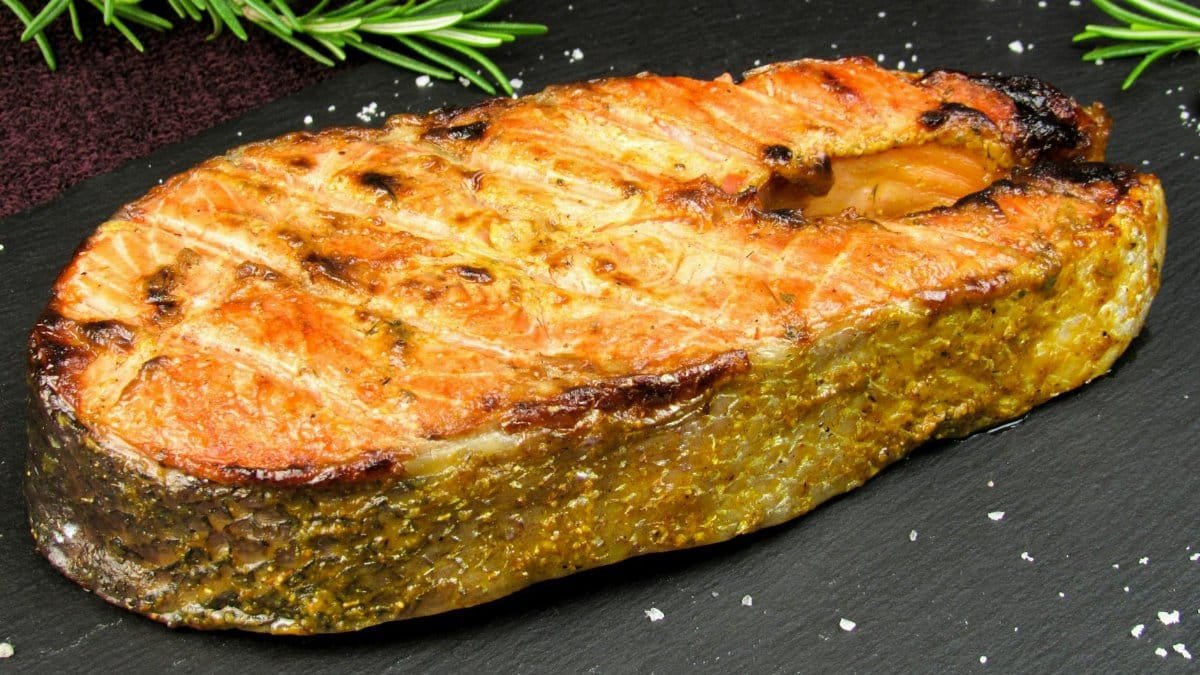
Salmon swims into the spotlight when it comes to easing stress. Rich in omega-3 fatty acids, this fish helps lower cortisol levels, the hormone that spikes during tense moments. Think about a busy parent juggling remote work and kids’ schedules; a grilled salmon fillet at dinner might just smooth out those frayed edges.
Studies back this up. One from the National Institutes of Health highlights how omega-3s reduce anxiety symptoms by modulating brain function. Participants who ate more fatty fish reported feeling steadier amid chaos. It’s not magic, but the anti-inflammatory effects can quiet the body’s stress response over time.
Picture a coastal town in Maine, where locals swear by fresh catches for keeping cool during tourist seasons. One fisherman shared how his evening meals help him unwind after long days on the water. For urban dwellers, even canned versions work in a pinch, mixed into salads or pastas.
Of course, not everyone loves the taste. If that’s you, supplements are an option, but whole foods deliver extra benefits like protein for sustained energy. Aim for two servings a week, as recommended by health experts, to weave this into your routine without much fuss.
2. Dark Chocolate
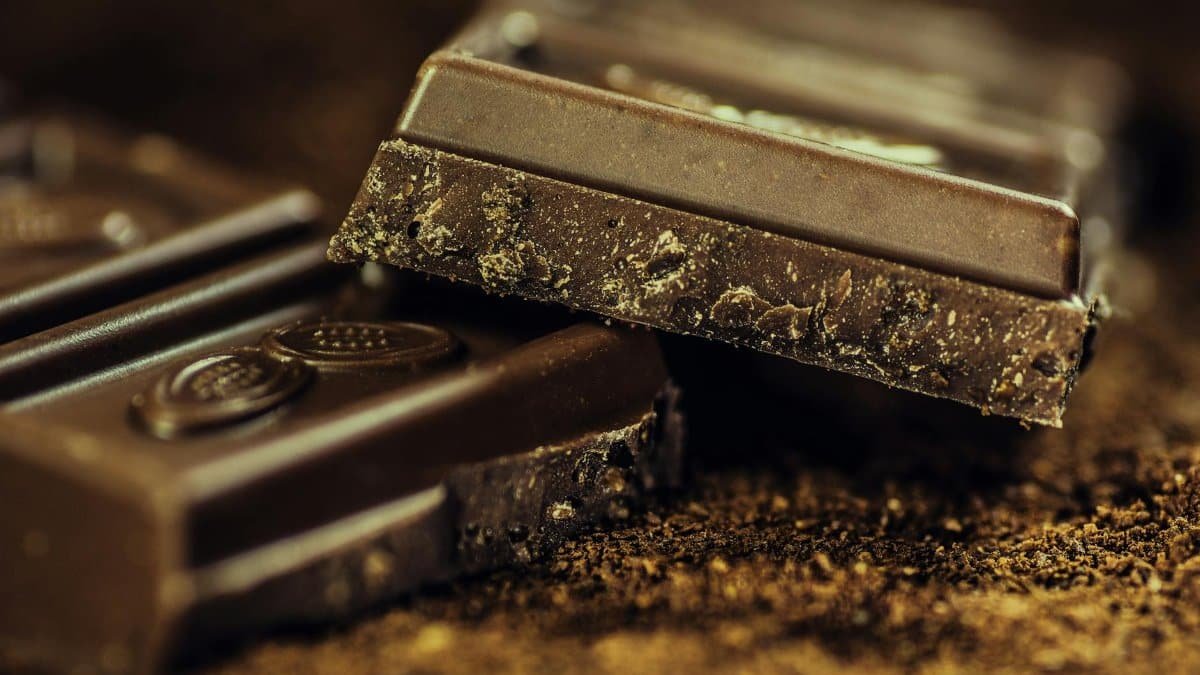
Who knew indulgence could double as stress relief? Dark chocolate, with at least 70 percent cocoa, contains flavonoids that improve blood flow to the brain and release endorphins. It’s like a mini vacation in bite form, easing the mental fog that builds up from daily hassles.
A study published in the Journal of Psychopharmacology showed that consuming dark chocolate daily reduced stress hormones in highly stressed individuals. The participants felt more resilient, their moods lifted by the compound’s subtle magic. This isn’t license for endless snacking, but a square or two can shift your outlook.
Imagine a teacher in Chicago, facing a classroom of energetic students. She keeps a bar in her desk drawer, nibbling during breaks to reset. Online, folks echo this sentiment, with one anonymous post describing how it turned a chaotic afternoon into something manageable, without the sugar crash of milkier varieties.
Balance is key here. Pair it with nuts for added protein, or melt it over fruit for a dessert that feels virtuous. As we navigate 2025’s uncertainties, this treat reminds us that small pleasures can counter big pressures.
3. Berries Such as Blueberries
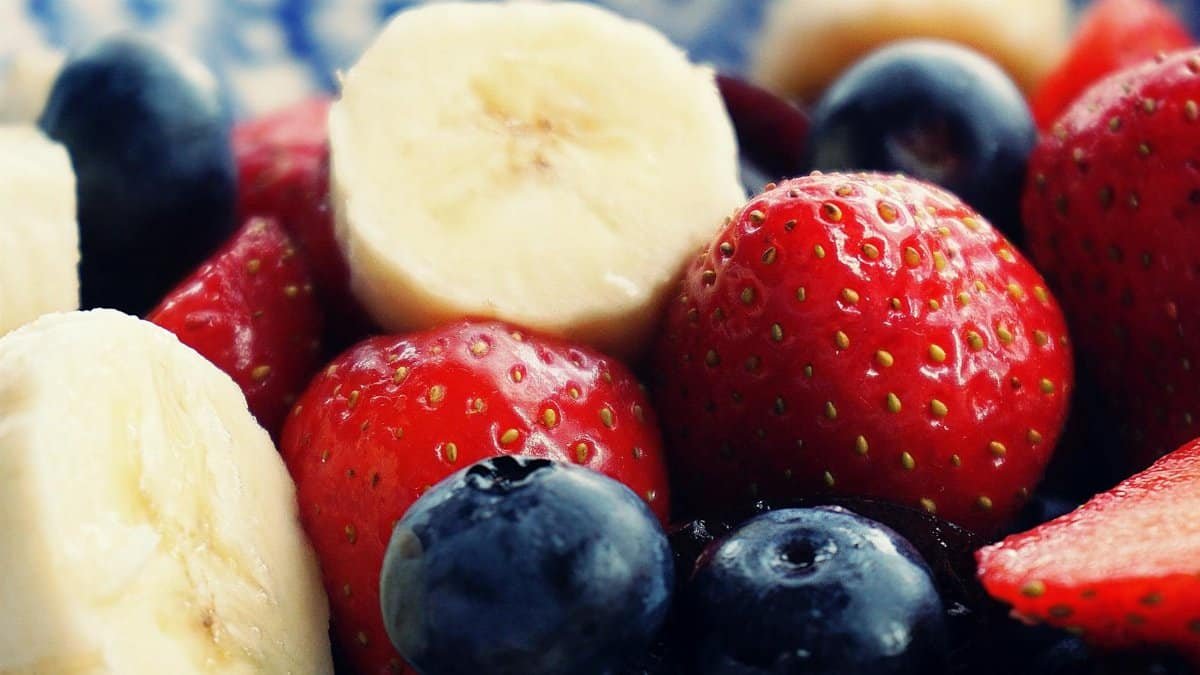
Blueberries burst with antioxidants, fighting the oxidative stress that amplifies daily worries. These tiny fruits support brain health, potentially sharpening focus and reducing the emotional weight of constant demands. They’re easy to toss into breakfast or snacks, making them a go-to for on-the-go calm.
Research from Tufts University underscores this, linking berry consumption to lower depression risk and better cognitive function under stress. Volunteers in the study experienced improved memory and mood after regular intake. It’s a natural way to buffer against the mental strain of modern life.
Consider a freelance writer in New York, deadlines looming like storm clouds. She starts her day with a berry smoothie, finding it clears her head for creative flow. Such habits highlight how foods that reduce daily stress integrate seamlessly into varied lifestyles.
Variety matters too. Mix in strawberries or raspberries for different flavors and benefits. Frozen options keep them accessible year-round, ensuring you don’t miss out during off-seasons.
4. Nuts Including Almonds
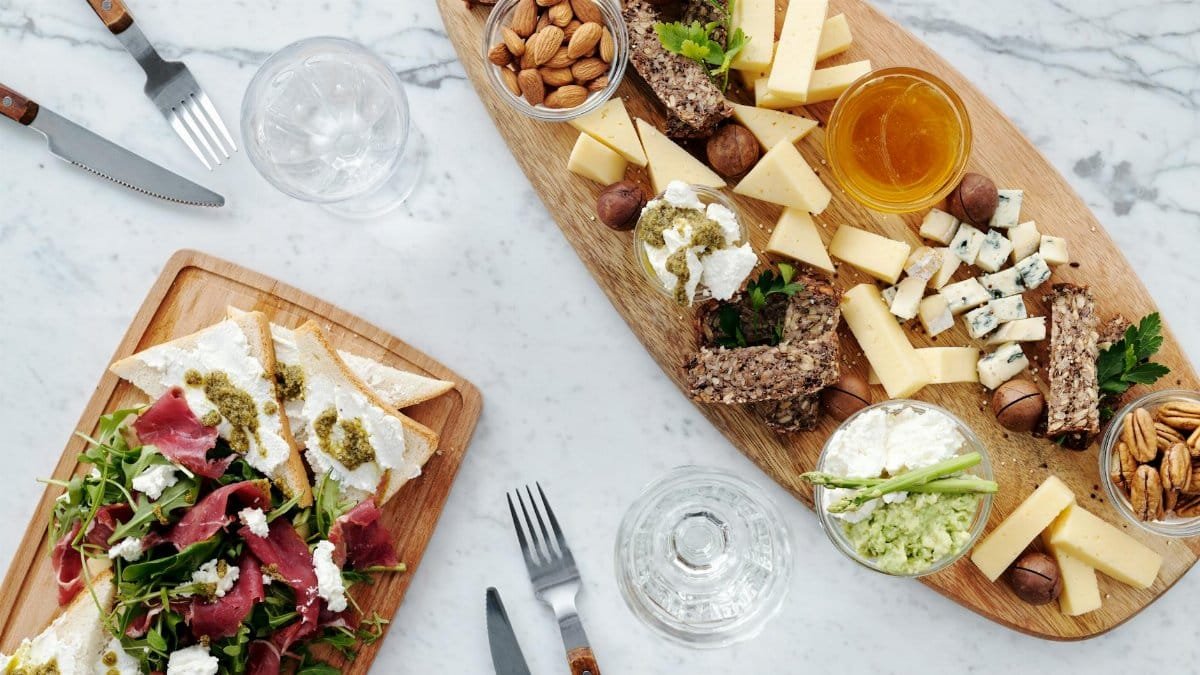
Almonds pack a punch with magnesium, a mineral that regulates the body’s stress response. Crunching on a handful can stabilize blood sugar and promote relaxation, especially when afternoon slumps hit hard. They’re portable, perfect for desk drawers or gym bags.
The Mayo Clinic reports that magnesium deficiency exacerbates anxiety, and nuts like almonds help fill that gap. A trial showed participants with higher magnesium levels handled stress better, sleeping more soundly. This nutrient acts as a quiet ally against the hustle.
In a bustling office in Seattle, a tech worker relies on trail mix to power through meetings. He notices fewer jitters, attributing it to the steady energy nuts provide. It’s a simple swap from processed snacks that often worsen tension.
Don’t overlook walnuts or cashews for similar effects. Roast them lightly for enhanced flavor, or blend into butters for spreads. As trends in 2025 emphasize holistic wellness, these nuts stand out for their understated power.
5. Avocados
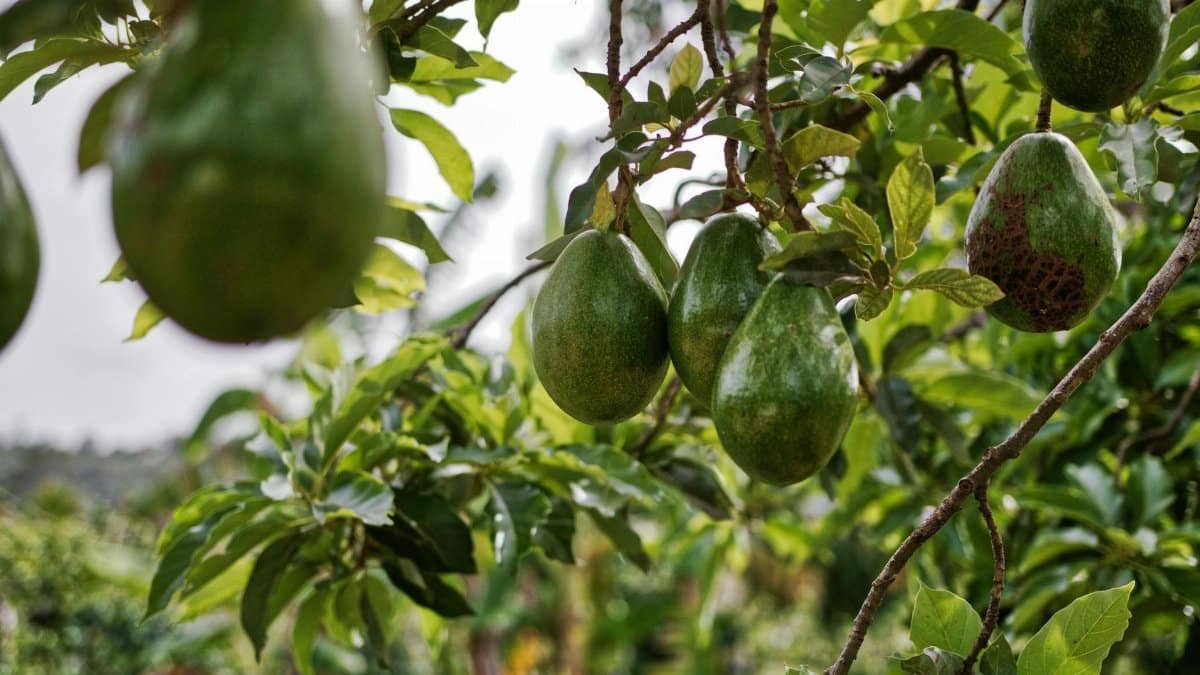
Avocados offer healthy fats and potassium, which help lower blood pressure and counteract stress-induced spikes. Their creamy texture makes meals more satisfying, potentially curbing emotional eating triggered by anxiety. Slice one onto toast, and you’ve got a base for calmer days.
A study from the University of California, Los Angeles, found that avocado eaters reported better mood regulation due to folate content. The research tied this to reduced homocysteine levels, a marker linked to stress. It’s evidence of how diet influences emotional resilience.
Think of a nurse in Texas, shifts stretching long into the night. She adds avocado to her salads, finding it sustains her through high-pressure hours. This real-world application shows foods that reduce daily stress aren’t just theory; they’re lifelines for many.
Experiment with guacamole or in smoothies. If ripeness is an issue, buy them firm and let them soften at home. Their versatility makes them a staple worth embracing.
6. Leafy Greens Like Spinach
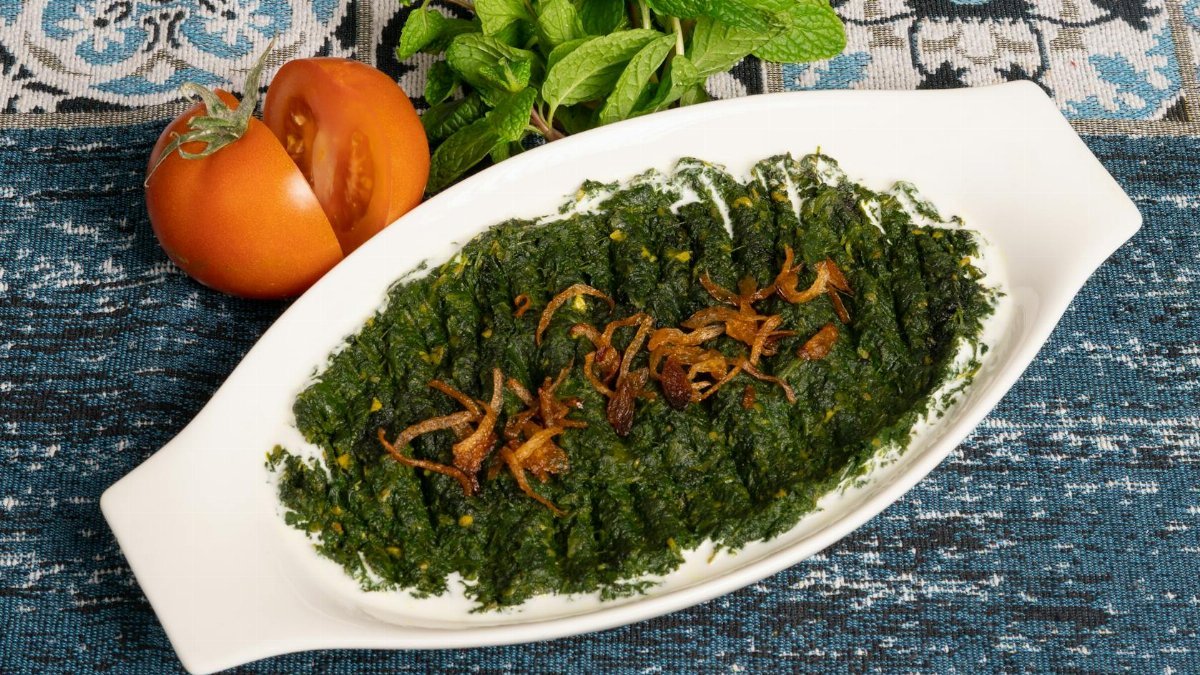
Spinach and its leafy cousins brim with folate, aiding serotonin production for a happier outlook. They combat the fatigue that stress breeds, infusing meals with vitamins that bolster mental fortitude. A salad or sauté can transform a routine dinner into a stress-busting ritual.
Harvard Health Publishing notes that folate-rich diets correlate with lower depression rates, as seen in longitudinal studies. People incorporating more greens felt less overwhelmed by daily challenges. This connection underscores the brain-gut axis at work.
A retiree in Florida turns to spinach smoothies post-golf, warding off the restlessness of idle time. Online discussions reveal similar stories, with one account highlighting how greens eased pandemic-era isolation blues without fanfare.
Branch out to kale or Swiss chard for diversity. Steam, blend, or eat raw; the options keep things fresh. In an era of quick fixes, these greens offer enduring support.
7. Herbal Teas Such as Chamomile
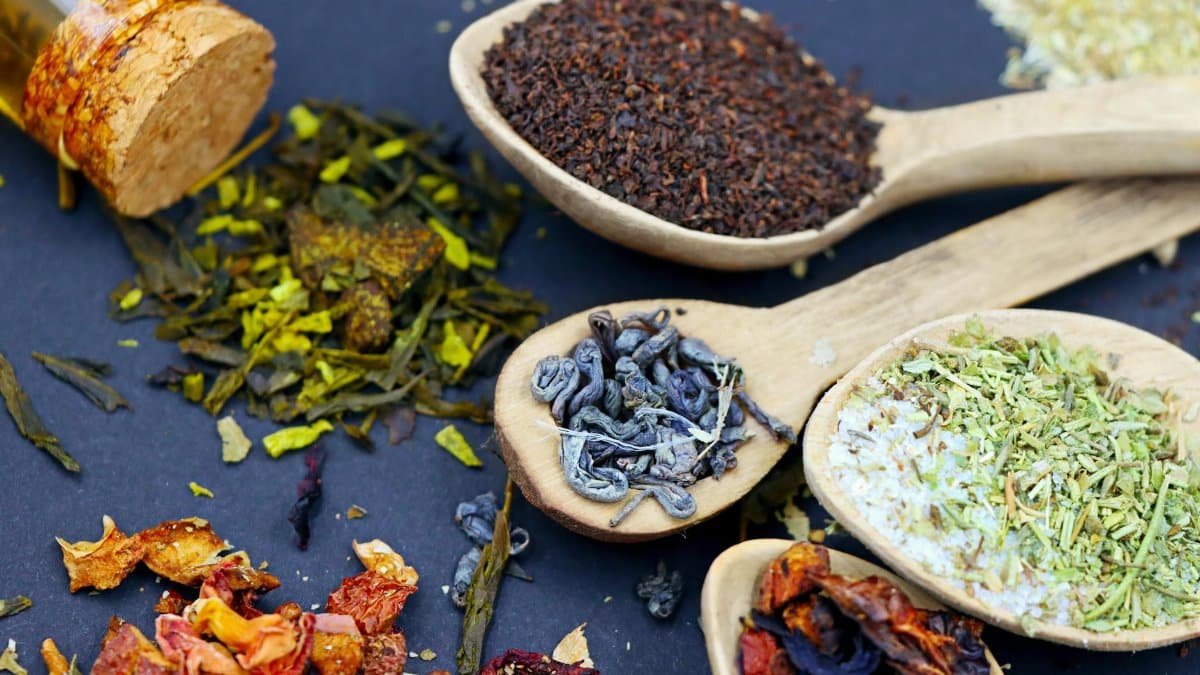
Chamomile tea soothes with its mild sedative properties, promoting relaxation without drowsiness. Sipping a cup signals the body to unwind, ideal for evening routines amid relentless schedules. It’s a warm hug in liquid form, easing into restful nights.
The National Center for Complementary and Integrative Health cites evidence that chamomile reduces anxiety symptoms, with trials showing improved sleep quality. Drinkers experienced calmer minds, better equipped for tomorrow’s demands.
Envision a student in Boston, exams looming. She brews chamomile before bed, finding it quiets racing thoughts. This habit, shared widely, illustrates how beverages count among foods that reduce daily stress.
Try peppermint or lavender for variety. Steep properly for full benefits, and pair with honey if needed. As we look to 2025, such rituals foster a gentler pace in a hurried world.
American Psychological Association Stress Poll
NIH Study on Omega-3s and Anxiety
Mayo Clinic on Magnesium and Mood