

In a world where stress levels seem to climb higher each day, a surprising ally has emerged from our own homes. According to a 2023 study by the American Psychological Association, pet ownership correlates with lower cortisol levels, with dog owners reporting up to 20% less daily stress than non-owners. This isn’t just about companionship; it’s about specific behaviors that dogs exhibit, subtly signaling and even alleviating our emotional burdens. These actions, from a gentle nuzzle to playful antics, tap into ancient bonds between humans and canines. As we navigate the pressures of 2025, understanding these behaviors—reduce, stress in profound ways—offers a simple yet powerful tool for emotional stability. What if our furry friends hold the key to calmer days ahead?
1. Tail Wagging with Enthusiasm

Dogs have a way of lighting up a room with just a swish of their tails. This classic behavior isn’t mere excitement; it’s a direct line to stress relief. When a dog wags its tail vigorously upon seeing you, it triggers a release of oxytocin in both pet and owner, that feel-good hormone that counters anxiety. Researchers at the University of Tokyo have shown how such interactions lower heart rates almost immediately. Imagine coming home after a grueling day at work, and there’s your pup, tail whipping like a metronome of joy. It pulls you out of your head, grounding you in the moment. One anonymous online account described it vividly: after a tough breakup, their dog’s persistent wagging became the only thing that coaxed a smile. Over time, these moments build resilience against daily pressures.
But it’s not always straightforward. Not every wag means happiness; a low, slow wag might signal uncertainty. Learning to read these nuances deepens the bond, making the stress reduction even more effective. Studies from the American Psychological Association emphasize how attuned pet-human relationships foster emotional health. In bustling cities like New York, where stress is a constant companion, this simple tail movement offers a quiet rebellion against overwhelm.
2. Gentle Licking as Comfort

Picture a dog approaching with a soft tongue, licking your hand or face. It’s more than affection; it’s an instinctive way to soothe. This behavior mimics how mother dogs calm their pups, and it translates to humans by promoting relaxation through physical touch. A study from the National Institutes of Health links such interactions to reduced blood pressure. One evening, as deadlines loomed, a colleague shared how her beagle’s licks during a phone call meltdown turned tension into tranquility. It’s these unscripted gestures that remind us of vulnerability’s power.
Varying in intensity, licks can range from quick pecks to lingering comforts, each adapting to your mood. Experts note that dogs sense stress through scent and body language, responding accordingly. For middle-aged professionals juggling careers and family, this becomes a natural antidote, far removed from clinical interventions. Dive into the science via the National Center for Biotechnology Information, where findings highlight licking’s role in mutual calming.
3. Cuddling Close for Security

When a dog curls up against you on the couch, it’s offering a blanket of security. This proximity releases endorphins, easing the mind’s chatter. In quieter moments, like during a rainy afternoon read, that warm weight against your side melts away worries. A friend once recounted how, amid financial strains, her labrador’s insistent cuddles provided unspoken support, turning isolation into connection.
Such behaviors aren’t random; they’re evolutionary holdovers from pack life, where closeness meant survival. Today, they combat modern isolation. The Centers for Disease Control and Prevention reports on how pet cuddling bolsters mental health, especially in aging populations facing empty nests. It’s a reminder that sometimes, the simplest contacts yield the deepest relief.
4. Playful Fetch Games
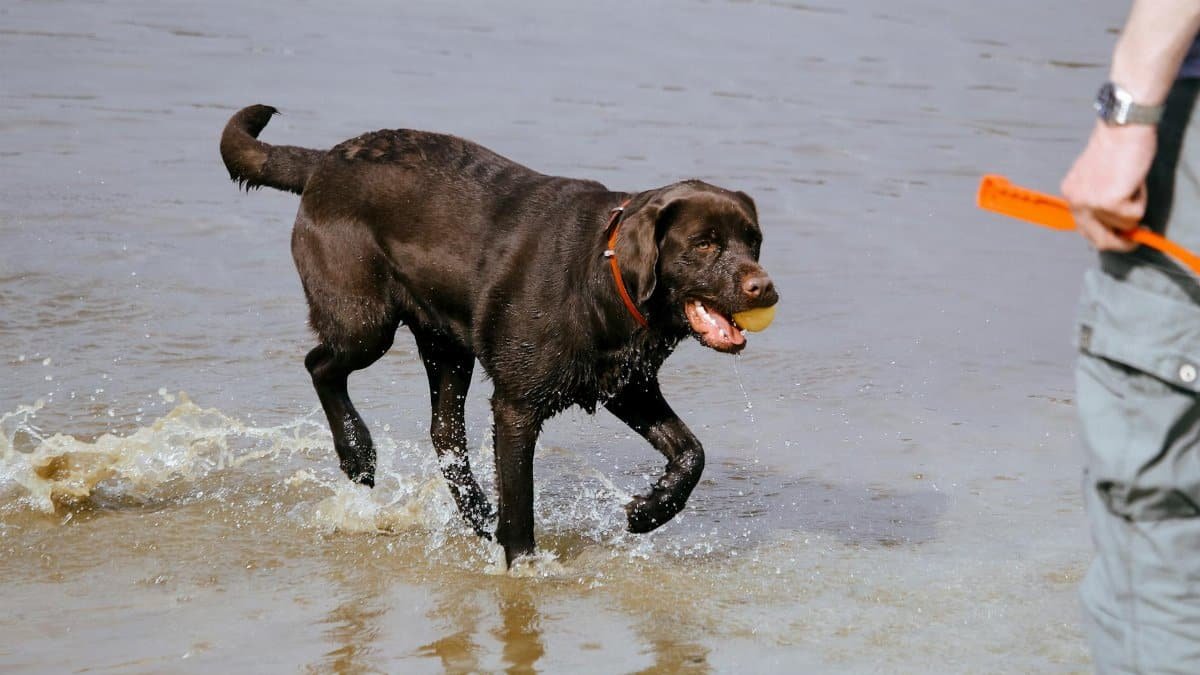
Throw a ball, and watch your dog bound after it with unbridled energy. This fetch ritual isn’t just exercise; it’s a stress buster that engages both body and mind. The back-and-forth builds laughter and movement, key to shaking off tension. Recall a park scene where a stressed executive chases his retriever, forgetting emails for pure fun. These games foster mindfulness, pulling focus from ruminations.
Dogs initiate play to gauge our moods, adapting to keep us involved. Research from Purdue University’s Center for the Human-Animal Bond underscores how such activities lower anxiety markers. In 2025’s hybrid work era, incorporating fetch breaks could redefine productivity. Explore more at Human Animal Bond Research Institute.
5. Steady Eye Contact

A dog’s gaze can feel like a silent conversation, locking eyes to convey trust. This behavior strengthens emotional ties, reducing feelings of alienation. During a moment of doubt, that unwavering stare reassures, as if saying, “You’re not alone.” It’s backed by science showing mutual gazing boosts oxytocin levels, similar to human bonds.
Not all dogs hold eye contact easily; some breeds are more prone. Yet, when it happens, it’s transformative. Anonymous forum shares often highlight how this simple act eases post-pandemic loneliness. The interplay of vulnerability and connection makes it a potent stress reducer.
6. Leaning In for Support

Dogs lean against legs or sides, a subtle bid for closeness that offers physical grounding. This pressure provides sensory comfort, akin to a weighted blanket for the soul. In crowded subways or quiet evenings, that lean anchors you. A retiree described how her shepherd’s leans during health scares became a lifeline, embodying steadfast presence.
This behavior signals empathy, dogs mirroring our needs. Veterinary insights reveal it’s tied to pack dynamics, now aiding human wellness. As life accelerates, these leans remind us to pause.
7. Contagious Yawning

When your dog yawns in sync with you, it’s not boredom; it’s empathy in action. This mirroring relaxes both, signaling safety. Studies show contagious yawning correlates with stronger bonds, easing stress through shared calm. Spot it during a lazy morning, and feel the day’s weight lift slightly.
It’s a quirky trait, rooted in social cues. For those in high-stress jobs, this subtle sync can reset the nervous system. Delve deeper into empathy research for broader implications.
8. Faithful Following

Dogs trail you from room to room, a behavior that underscores loyalty and reduces isolation. This constant companionship combats loneliness, a major stress factor. In a home office setup, that shadow eases the solitude of remote work. One account painted a picture of a widow finding solace in her terrier’s persistent following, turning empty spaces into shared ones.
It’s instinctual vigilance, now a modern balm. Behavioral experts note it fosters security, vital in uncertain times.
9. Bringing Gifts Like Toys

A dog dropping a toy at your feet invites play, a direct assault on stress through distraction and joy. This offering sparks interaction, breaking negative thought cycles. Amid family tensions, that slobbery ball can pivot the mood toward lightness.
Such gestures reflect a dog’s understanding of our emotions, using play to heal. It’s a timeless ritual with fresh relevance today.
10. Sleeping Nearby for Peace

Finally, a dog choosing to sleep close by instills a sense of guarded peace. This nighttime proximity lowers vigilance, promoting deeper rest. Waking to a snoring companion reminds you of uncomplicated bonds. In 2025, with sleep disorders rising, this behavior offers organic relief.
It’s about trust, dogs positioning to protect while we recharge. These habits weave into daily life, subtly reshaping our stress landscapes. Embracing them might just make the world feel a little less heavy.