

In a world buzzing with constant demands, it’s no surprise that more Americans are turning to natural remedies for peace of mind. A recent poll from the American Psychological Association showed that 62 percent of adults report high stress levels, up from 50 percent just five years ago, with many seeking alternatives beyond medication. This shift highlights a growing interest in herbs that support inner calm, especially in places like North Carolina, where the blend of urban hustle and rural tranquility makes such aids particularly appealing. From the bustling streets of Charlotte to the serene Blue Ridge Mountains, residents are rediscovering age-old botanicals that ease anxiety and foster balance. These plants aren’t just folklore; they’re backed by emerging science and local traditions, offering a gentle way to navigate daily pressures. As we step into 2025, understanding these herbs could transform how we approach mental wellness in the Tar Heel State.
1. Lavender
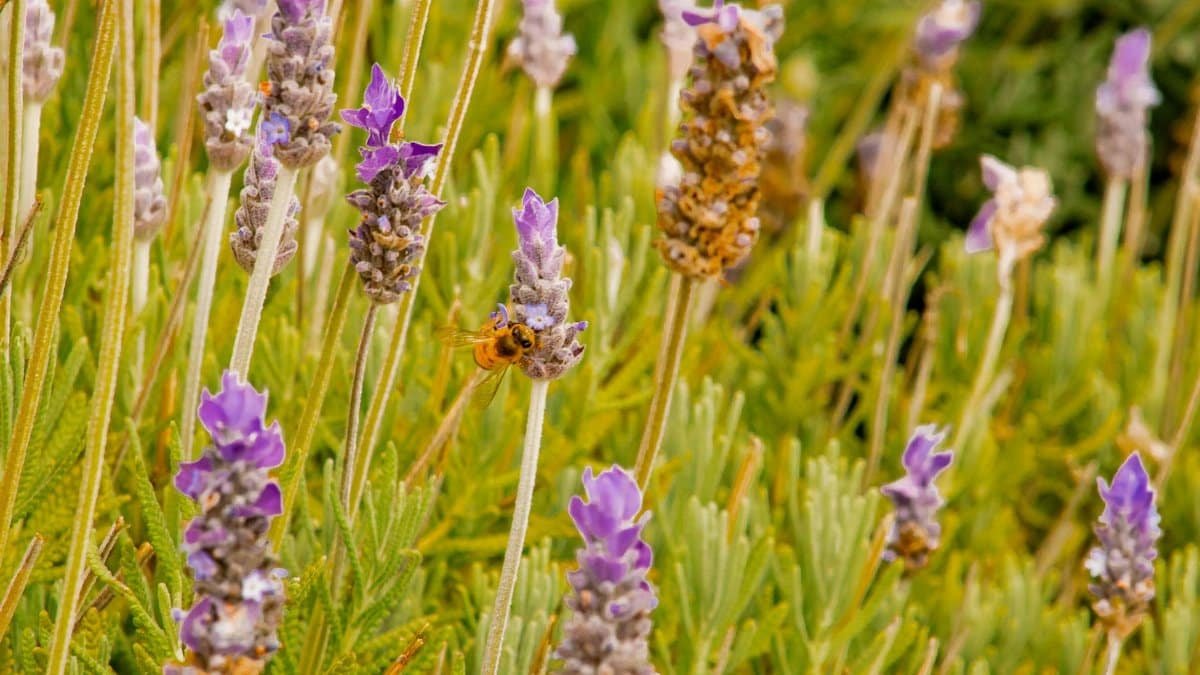
Lavender stands out as a timeless favorite for soothing the mind. Native to Mediterranean regions but thriving in North Carolina’s varied climates, this purple-flowered herb releases a fragrance that many associate with relaxation. Picture a small farm in the Piedmont region, where rows of lavender sway under the summer sun, harvested by locals who swear by its calming effects. Studies suggest that inhaling lavender essential oil can lower cortisol levels, the hormone tied to stress. One woman in Raleigh shared anonymously online that brewing lavender tea before bed helped her unwind after long workdays, turning restless nights into restful ones. It’s not just anecdotal; research supports this. For instance, a study published in the Journal of Alternative and Complementary Medicine found lavender effective in reducing anxiety in clinical settings.
Beyond tea, lavender appears in tinctures and bath salts, making it versatile for everyday use. In North Carolina, you might find it at farmers’ markets in Asheville, where vendors blend it with local honey for a sweet, soothing twist. This herb encourages a mindful pause, reminding us to breathe deeply amid chaos. Yet, it’s worth noting potential allergies; some people experience skin irritation from direct contact. Overall, lavender embodies a simple path to inner peace, rooted in both science and sensory delight.
2. Chamomile
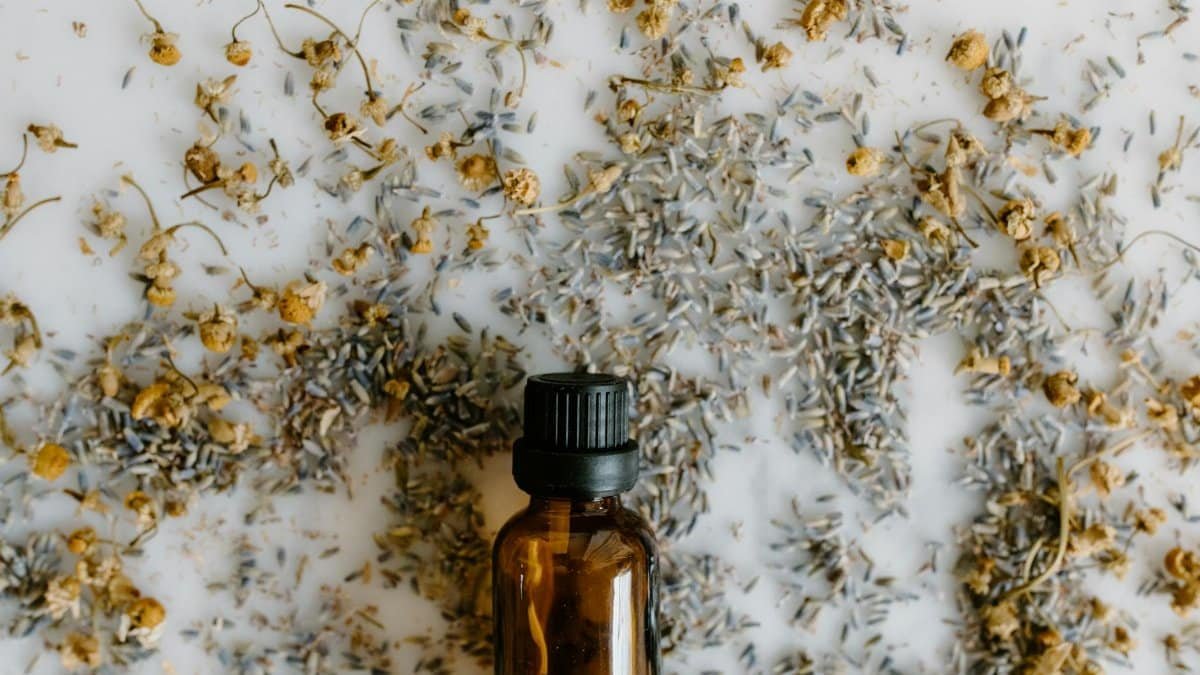
Chamomile whispers of gentle evenings and warm mugs. This daisy-like flower grows wild in parts of North Carolina, particularly in the eastern coastal plains, where its apple-scented blooms dot meadows. For centuries, people have turned to chamomile for its mild sedative properties, helping to quiet racing thoughts. Imagine a stressed teacher in Durham sipping chamomile infusion after a hectic school day, feeling the tension melt away as the herbal notes fill the room. Science backs this ritual; compounds like apigenin bind to brain receptors, promoting sleep and reducing inflammation.
A review from the National Institutes of Health highlights chamomile’s role in managing generalized anxiety disorder, with participants reporting fewer symptoms after regular use.National Institutes of Health Study on Chamomile. In North Carolina’s mindful living circles, chamomile often pairs with yoga practices, enhancing meditation sessions. It’s accessible, too, available in most grocery stores or home gardens. However, those with ragweed allergies should proceed cautiously, as cross-reactions can occur. Chamomile invites us to embrace slowness, a counterpoint to our fast-paced lives.
3. Valerian Root
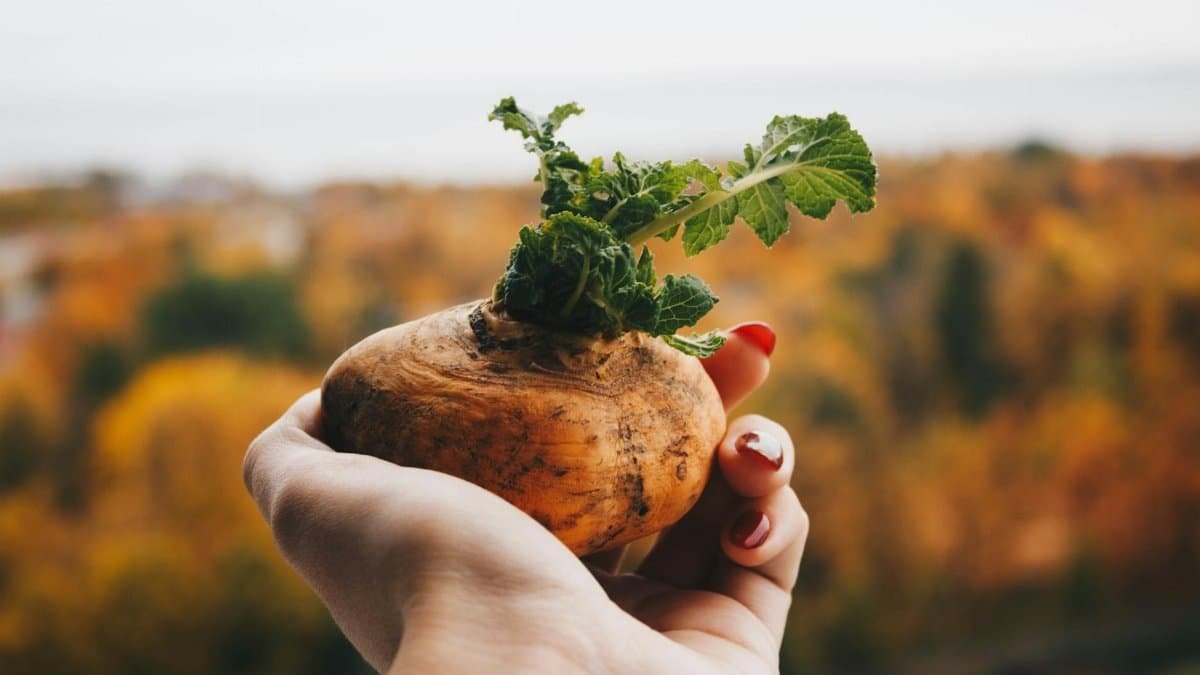
Valerian root digs deep into the earth, much like how it anchors our sense of calm. Harvested from perennial plants that flourish in North Carolina’s cooler mountain areas, this herb has a pungent aroma that belies its powerful relaxing effects. Folks in Boone might tell stories of using valerian to combat insomnia, drawing on traditions passed down through generations. The root works by increasing GABA levels in the brain, a neurotransmitter that dials down neural activity. One anonymous account from a public forum described how valerian capsules transformed chronic worry into manageable quiet, allowing for better focus during the day.
Clinical trials support these claims, showing improved sleep quality without the grogginess of some pharmaceuticals. A meta-analysis in the American Journal of Medicine reinforces its efficacy for mild anxiety.American Journal of Medicine Meta-Analysis on Valerian. In North Carolina, herbalists often recommend starting with low doses to avoid digestive upset. This herb challenges us to confront restlessness head-on, offering a natural bridge to tranquility.
4. Lemon Balm

What if a simple leaf could lift the fog of daily stress? Lemon balm, with its citrusy scent, does just that. This mint family member grows abundantly in North Carolina gardens, from Wilmington to Winston-Salem, thriving in sunny spots. Historically used by herbalists for mood enhancement, it modulates stress responses through its rosmarinic acid content. Envision a backyard gathering where friends share lemon balm tea, laughter flowing as worries fade. Research indicates it can reduce agitation and improve cognitive function under pressure.
A study from the University of Maryland Medical Center notes its benefits for hyperthyroidism-related anxiety, a common issue in the South.University of Maryland Medical Center on Lemon Balm. Locally, it’s infused in salads or salves, adding a fresh twist to wellness routines. Side effects are rare, but overconsumption might cause nausea. Lemon balm nudges us toward lighter hearts, blending flavor with function in unexpected ways.
5. Passionflower
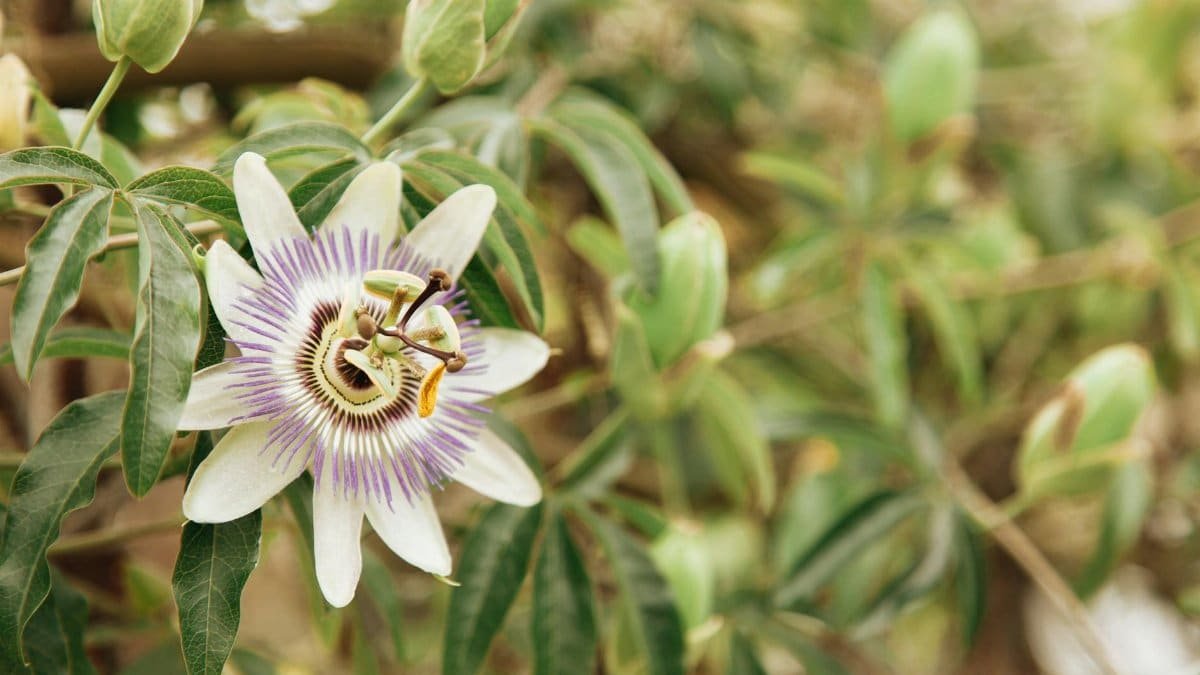
Passionflower vines climb with quiet determination, mirroring their role in fostering inner serenity. Native to the southeastern U.S., including North Carolina’s forests, this exotic bloom has been a go-to for nervous tension since Native American times. In modern contexts, it’s prized for boosting GABA, easing the mind without sedation. Think of a hiker in the Great Smoky Mountains pausing to admire passionflower, then later brewing it to process the day’s exertions. Trials show it compares favorably to some anti-anxiety meds in reducing symptoms.
The National Center for Complementary and Integrative Health reports promising results for generalized anxiety.NCCIH on Passionflower. In North Carolina, it’s often dried for teas or extracts, available at health stores in Greensboro. Pregnant individuals should avoid it due to potential uterine stimulation. Passionflower teaches patience, weaving calm into the fabric of our routines.
6. Ashwagandha

Ashwagandha roots itself in ancient wisdom, now blooming in contemporary wellness. Though not native, it adapts well to North Carolina’s soil through greenhouse cultivation, gaining popularity for stress adaptation. As an adaptogen, it helps the body resist stressors, balancing cortisol. A corporate worker in Charlotte might incorporate ashwagandha powder into smoothies, finding resilience amid deadlines. Evidence from randomized trials confirms its ability to lower anxiety scores significantly.
A publication in the Journal of Alternative and Complementary Medicine details these effects.Journal of Alternative and Complementary Medicine on Ashwagandha. Locally, it’s featured in adaptogenic blends at cafes. Thyroid conditions warrant caution, as it can influence hormone levels. Ashwagandha empowers us to adapt, turning challenges into opportunities for growth.
7. Holy Basil

Holy basil, or tulsi, carries a sacred aura, yet it’s profoundly practical for calm. Grown in North Carolina’s warmer regions, this aromatic herb combats oxidative stress and promotes mental clarity. Families in Fayetteville might cultivate it for daily teas, honoring its Ayurvedic roots while addressing modern woes. It modulates adrenaline, preventing burnout. Personal reflections online often highlight how holy basil steadied emotions during turbulent times.
Research from the NIH underscores its anti-anxiety properties.NIH Study on Holy Basil. In the state, it’s infused in elixirs or eaten fresh. Diabetics should monitor blood sugar. Holy basil fosters reverence for the self, blending spirituality with science.
8. Skullcap

Skullcap hides its potency in delicate blue flowers. Indigenous to North Carolina wetlands, it’s long been used by Cherokee healers for nerve soothing. Today, it targets tension headaches and restlessness through flavonoid actions. A retiree in Wilmington could attest to its gentle efficacy in easing post-retirement jitters. Studies link it to reduced neural excitability.
The Botanical Safety Handbook provides safety data, affirming its use. Skullcap invites exploration of subtlety, where less is more in achieving balance.
9. Oat Straw
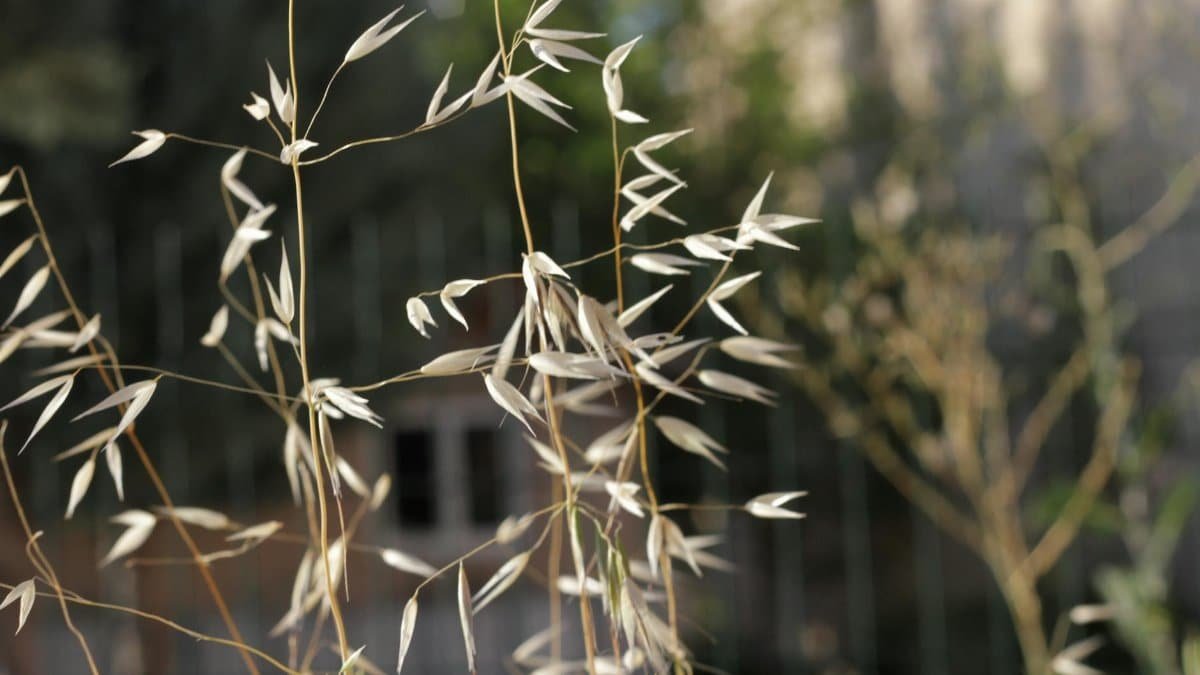
Oat straw, from the humble oat plant, nourishes the nervous system. Abundant in North Carolina fields, it’s harvested green for infusions that rebuild depleted energy. Farmers in the Triangle area might share how it sustains them through seasons. Rich in B vitamins, it supports mood stability. Anecdotes describe renewed vitality after consistent use.
A review in Nutrients journal backs its restorative effects.Nutrients Journal on Oat Straw. It’s mild, suitable for all ages. Oat straw reminds us of nature’s quiet strength.
10. Rhodiola

Rhodiola thrives in cold climates, much like parts of western North Carolina. This adaptogen enhances mental stamina, fighting fatigue and fog. Hikers on the Appalachian Trail might carry it for endurance. It boosts serotonin and dopamine, uplifting without jitters. Emerging research shows promise for burnout prevention.
The Mayo Clinic outlines its benefits.Mayo Clinic on Rhodiola. Locally, it’s in supplements. Rhodiola propels us forward with poise, embodying resilient calm.
As North Carolinians navigate 2025’s uncertainties, these herbs that support inner harmony offer accessible tools. Integrating them thoughtfully can shift perspectives, from reactive to reflective living.