
In a bustling state like Texas, where the demands of daily life can feel as relentless as a summer heatwave, a surprising statistic emerges from recent health surveys. According to data from the National Institutes of Health, over 40 percent of adults in the U.S. report using herbal supplements for stress management, with a notable uptick in Southern states like Texas amid rising awareness of mental wellness. This shift reflects a growing embrace of natural remedies to foster inner calm, especially as urban sprawl and economic pressures mount. Herbs that support inner tranquility aren’t just folklore; they’re backed by centuries of use and modern studies, offering Texans a gentle way to navigate emotional turbulence. From the rolling hills of the Hill Country to the vibrant streets of Austin, these plants are finding their way into teas, tinctures, and daily routines, promising a quieter mind without the side effects of pharmaceuticals. As we look at 2025 trends, this herbal renaissance highlights a collective yearning for balance in an often chaotic world.
1. Chamomile
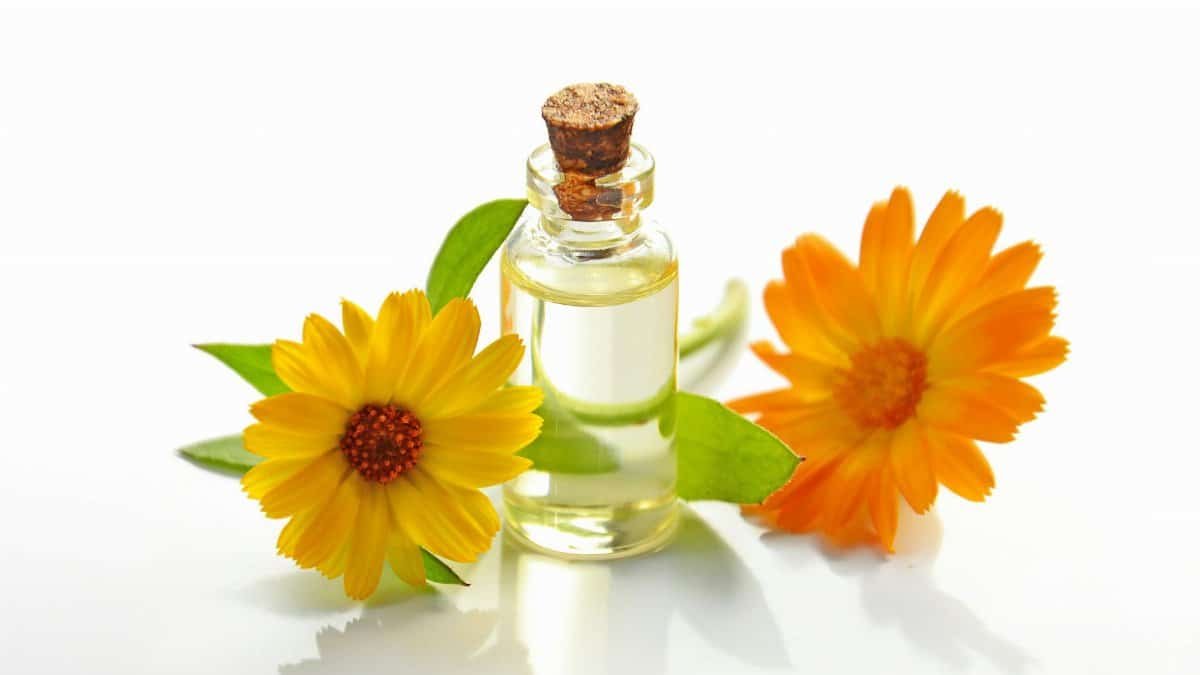
Chamomile has long been a go-to for those seeking a softer edge to their evenings. Native to parts of Europe but thriving in Texas gardens, this daisy-like flower brews into a tea that many swear by for unwinding after a long day on the ranch or in the office. Picture a harried parent in Dallas, juggling work calls and school runs, who pauses to sip a warm cup and feels the tension melt away. Studies suggest its compounds, like apigenin, bind to brain receptors in ways that promote relaxation without drowsiness. One anonymized account from an online forum described it as “a gentle hug for the soul,” capturing how it eases mild anxiety. In Texas, where wild chamomile can sometimes be spotted along rural roadsides, incorporating it into routines feels like tapping into local resilience. Researchers at the National Center for Biotechnology Information have explored its calming effects, noting improvements in sleep quality for regular users.
Yet, chamomile isn’t without its nuances. Some find its floral notes too subtle, turning instead to stronger blends. Still, for middle-aged Texans facing midlife stressors, it offers a simple entry point to herbal support.
2. Lavender
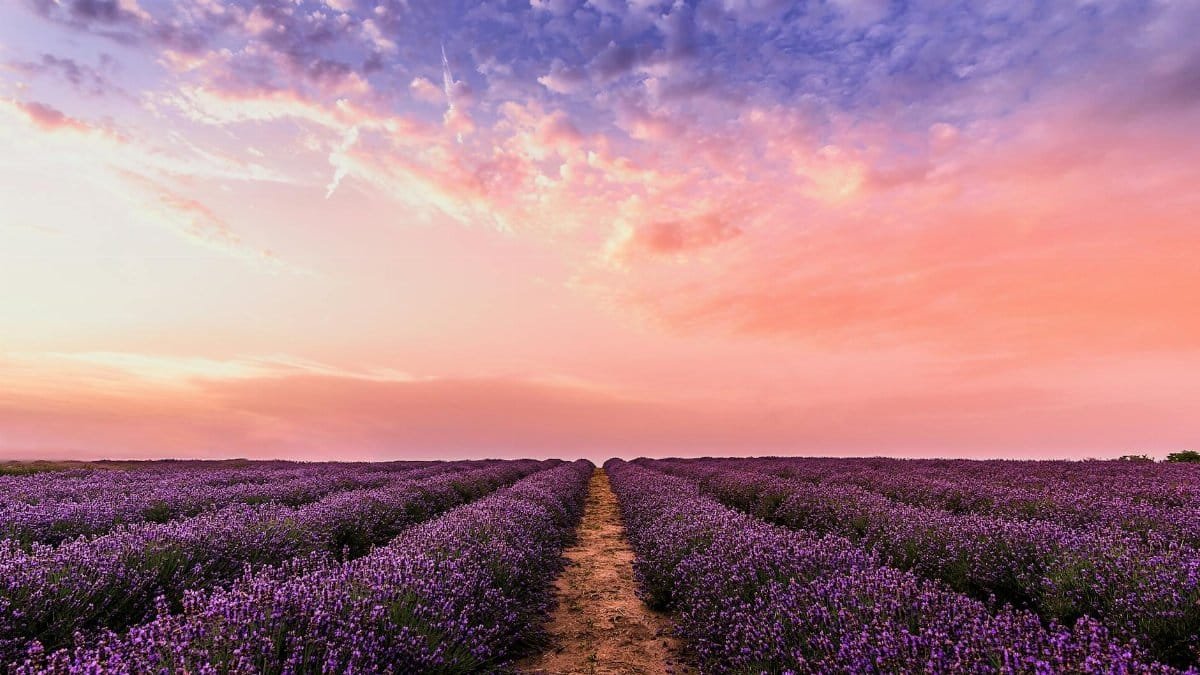
Start with the scent: that unmistakable purple haze wafting through a Texas lavender farm in bloom. Lavender’s aroma alone can transport someone from the chaos of Houston traffic to a moment of peace. It’s not just poetic; science backs it. Essential oils from lavender have been shown to lower cortisol levels, the hormone tied to stress. Imagine a retiree in San Antonio, planting a small patch in their backyard, harvesting sprigs to make sachets that soothe restless nights. This herb supports inner calm by influencing the nervous system, making it a staple in aromatherapy practices across the state.
Recent trends in 2025 show more Texans experimenting with lavender-infused products, from lotions to diffusers. A study published by the National Library of Medicine highlights its efficacy in reducing anxiety symptoms, particularly in clinical settings. But there’s a tension here—overuse can lead to skin sensitivity for some, reminding us that even natural aids require moderation.
3. Valerian
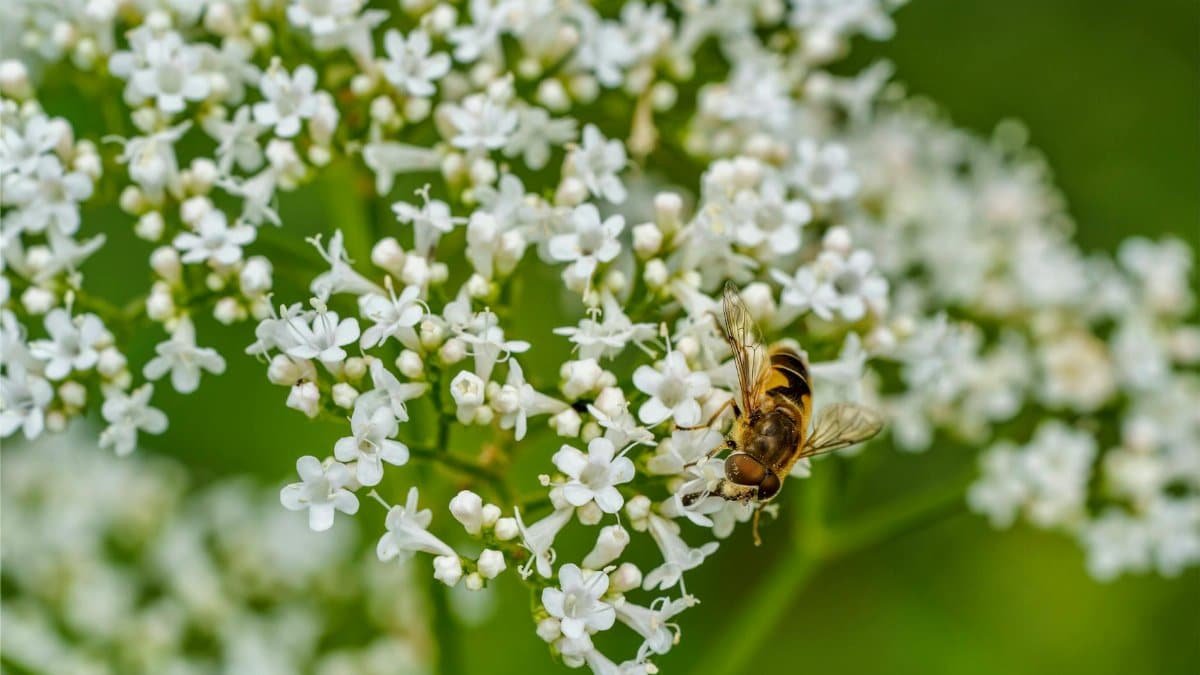
What if a root could quiet the mind’s endless chatter? Valerian, with its earthy aroma, has been used for centuries to promote restful sleep, a key pillar of inner calm. In Texas, where long work hours in industries like oil and tech leave many wired, this herb steps in as a natural sedative. One might recall a story of a Austin musician who turned to valerian tinctures to ease pre-performance jitters, finding it helped without fogging creativity.
Delving deeper, compounds in valerian increase GABA levels in the brain, fostering tranquility. The Office of Dietary Supplements at NIH provides insights into its sleep-enhancing properties, based on multiple trials. For Texans, growing it in home gardens adds a layer of self-sufficiency, though its strong smell might deter some from fresh preparations.
Challenges arise when expectations clash with reality; it doesn’t work overnight for everyone, underscoring the need for patience in herbal journeys.
4. Passionflower
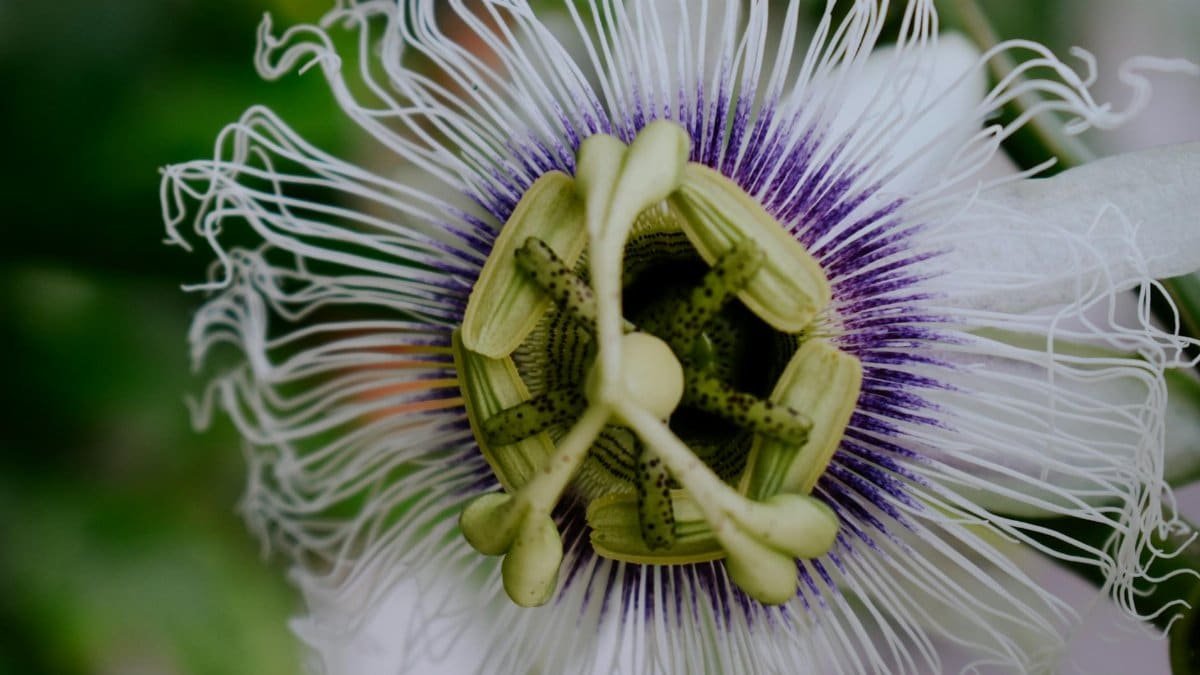
Passionflower vines climb fences in Texas backyards, their intricate blooms hiding a potent calmer. Traditionally used by Native American tribes, this herb now aids modern Texans in managing everyday worries. Consider a teacher in El Paso, overwhelmed by classroom demands, who brews passionflower tea to regain composure. Its flavonoids interact with brain chemistry to dial down anxiety, offering a subtle lift without stimulants.
In 2025, with mental health conversations amplifying, passionflower’s role in supporting inner equilibrium gains traction. Evidence from the PubMed Central database supports its use for mild anxiety, showing promising results in controlled studies. Yet, blending it with other herbs can enhance effects, revealing the interconnected world of botanicals.
5. Lemon Balm
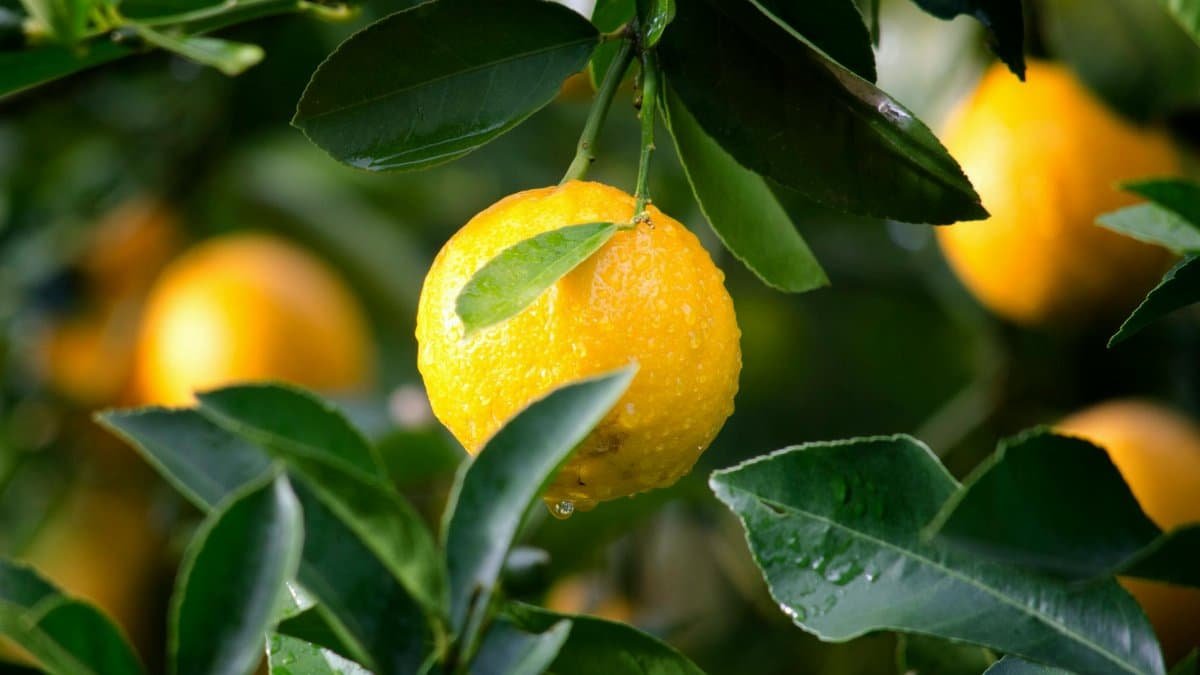
Dive straight into the citrusy freshness of lemon balm, a member of the mint family that’s easy to cultivate in Texas’s varied climates. It brightens moods and eases nervous tension, much like a cool breeze on a humid day. An anonymous online reflection shared how steeping lemon balm leaves helped someone through a period of work-related burnout, describing a renewed sense of clarity.
Active compounds like rosmarinic acid contribute to its calming prowess, as noted in herbal medicine circles. The Mount Sinai Health Library outlines its benefits for stress reduction, drawing from historical and contemporary research. For middle-aged readers, it represents a low-key way to weave herbs that support inner peace into daily life, perhaps in a morning infusion.
There’s complexity, though—interactions with thyroid medications warrant caution, highlighting the importance of informed use.
6. Ashwagandha

Ashwagandha, an adaptogen from Ayurvedic traditions, has taken root in Texas wellness scenes, helping bodies adapt to stress. Think of a corporate executive in Dallas incorporating it into smoothies, finding it steadies the emotional rollercoaster of high-stakes meetings. This herb bolsters resilience, reducing fatigue and promoting calm.
Studies, including those reviewed by the National Center for Biotechnology Information, affirm its cortisol-lowering effects. In 2025, as adaptogens trend upward, Texans are embracing it for sustained inner support amid the state’s dynamic energy.
7. Holy Basil

Sometimes called tulsi, holy basil carries a sacred aura, yet its practical benefits shine in easing mental fog. In Texas’s diverse communities, it’s gaining fans for its ability to balance mood swings. A brief tale: a farmer in the Panhandle uses it to counter seasonal stresses, noting sharper focus and less irritability.
Its eugenol content aids in stress response, per findings from herbal databases. The Examine.com Research Summary compiles evidence on its anxiolytic properties, making it a reliable choice for ongoing calm.
Balancing its peppery flavor in teas can be tricky, but that’s part of the herbal adventure.
8. Skullcap

Skullcap, with its helmet-shaped flowers, grows wild in Texas woodlands, offering a shield against nervous exhaustion. Users report it quiets racing thoughts, ideal for those in fast-paced cities like Fort Worth. Envision a writer steeping it during deadlines, emerging more centered.
Flavonoids in skullcap modulate neurotransmitters, as explored in botanical studies. Insights from the American Botanical Council detail its traditional uses for relaxation.
9. Kava

Kava’s roots, hailing from Pacific islands but available in Texas stores, induce a mellow state without impairing cognition. It’s popular among those seeking social ease, like at gatherings in Austin’s lively scenes. One might hear of a veteran using it to unwind, appreciating its muscle-relaxing qualities.
Kavalactones are key, with research from the PubMed Central supporting its anti-anxiety effects. Caution around liver health is advised, adding a layer of responsibility to its use.
10. Rhodiola

Rounding out the list, rhodiola thrives in cold climates but supplements well in Texas, enhancing mental stamina against burnout. A tech worker in Silicon Hills might rely on it for focus amid innovation pressures, feeling it restores inner vitality.
Its adaptogenic traits are backed by trials, as summarized in the National Library of Medicine. In 2025, as work-life boundaries blur, rhodiola stands as a bridge to sustained calm.
These herbs collectively underscore a broader movement in Texas toward natural paths for emotional stability, inviting readers to explore with curiosity and care.