

A recent study from the National Institutes of Health found that nearly 40 percent of American adults experience chronic stress symptoms tied to their nervous systems, yet most brush them off as mere exhaustion from daily life. This statistic, drawn from a broad survey of health trends, underscores a growing disconnect in how we perceive our body’s signals. In bustling cities like New York or Los Angeles, where the pace never slows, these subtle cues often get lost amid the noise. But ignoring them can lead to deeper issues, from burnout to more serious health concerns. The keyword here is nervous system signs, those quiet indicators that something’s amiss in our body’s command center. As we navigate 2025’s demands, from hybrid work setups to endless digital distractions, recognizing these signs becomes crucial for maintaining emotional clarity and overall well-being. What starts as a minor twinge might signal a need for recalibration, offering a path to greater calm and focus.
1. Persistent Fatigue That Lingers

Imagine waking up after a full night’s sleep, only to feel as drained as if you’d pulled an all-nighter. This kind of bone-deep tiredness often points to nervous system overload, where the body’s stress response stays in overdrive. People frequently dismiss it as just needing more coffee or blaming a busy schedule, but it could stem from prolonged cortisol spikes disrupting energy regulation.
One woman in her forties, juggling a demanding job and family life, shared anonymously in an online discussion how she powered through months of this fatigue before realizing it was her body’s plea for rest. Her story highlights a common pattern: we push forward, ignoring the signal until it escalates. Experts note that this fatigue links to autonomic nervous system imbalance, where the sympathetic “fight or flight” mode dominates over the restorative parasympathetic state.
Research from the National Institute of Mental Health explains how chronic stress alters brain chemistry, leading to such exhaustion. Addressing it early, through practices like mindful breathing, can restore balance and prevent further decline.
2. Unexplained Digestive Upsets
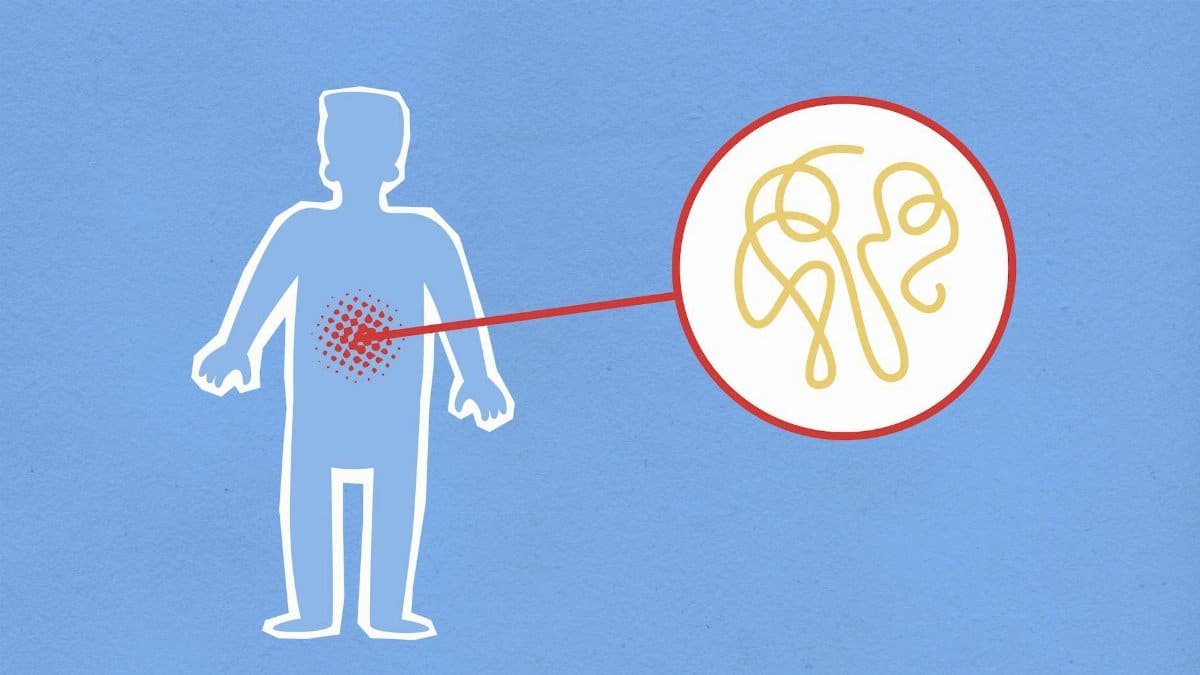
Digestive woes, like sudden bloating or irregular bowels, sneak up without obvious dietary culprits. These can be nervous system signs manifesting through the gut-brain axis, a direct communication line between our emotions and digestion. Stress hormones divert blood flow from the gut, slowing digestion and causing discomfort that many attribute to “something I ate.”
Consider a midlife professional who noticed recurring stomach cramps during high-pressure meetings. He chalked it up to office coffee, but it persisted. Only after exploring holistic approaches did he connect it to anxiety triggering vagus nerve responses. This nerve, a key player in the parasympathetic system, influences gut motility; when dysregulated, it disrupts everything from nutrient absorption to mood.
A study published in the journal Gastroenterology, summarized by the National Center for Biotechnology Information, details how stress-induced changes in gut microbiota amplify these issues. Recognizing this link encourages interventions like probiotics or stress-reduction techniques to soothe both mind and belly.
3. Sudden Mood Swings Without Clear Triggers

One moment you’re fine, the next irritation boils over at the smallest annoyance. These abrupt shifts often signal nervous system dysregulation, where emotional centers in the brain struggle to maintain equilibrium. Middle-aged adults, facing life transitions like career changes or empty nests, might wave it off as hormonal fluctuations or aging.
Picture a group of friends at a casual dinner, where one snaps over a minor comment. Later, reflecting on it, she realizes it stemmed from accumulated stress taxing her amygdala, the brain’s fear center. Such stories reveal how ignored signs erode relationships and self-perception over time.
According to the American Psychological Association, chronic stress heightens emotional reactivity by altering neurotransmitter levels. Simple steps, like journaling triggers, can help map patterns and foster stability.
4. Trouble Falling or Staying Asleep

Nights spent tossing and turning, even when exhausted, betray a nervous system stuck in alert mode. The body’s natural wind-down process falters, with racing thoughts keeping the sympathetic system active. Many ignore this, popping sleep aids instead of addressing root causes like unresolved tension.
A retiree described lying awake, replaying daily worries, until he linked it to years of high-stakes work imprinting a hyper-vigilant state. This vigilance, once adaptive, now hindered rest, leading to daytime fog. Breaking the cycle involved evening routines that signaled safety to his body.
Insights from the Centers for Disease Control and Prevention highlight how sleep disruptions tie to nervous system health, with poor sleep exacerbating stress in a vicious loop. Prioritizing wind-down rituals in 2025’s always-on culture proves essential.
5. Chronic Muscle Tension and Aches

That constant knot in your shoulders or tightness in your jaw might not just be from poor posture. It’s often a nervous system sign, where stress prompts muscles to brace for threats that aren’t there. People overlook it, assuming it’s normal aging or desk work strain.
During a yoga class, an instructor noticed a participant holding tension even in relaxation poses. Probing gently, she learned of underlying anxieties manifesting physically. This physical holding pattern, rooted in the somatic nervous system, can lead to chronic pain if unaddressed.
Studies from Harvard Medical School, accessible via their health publications page, describe how prolonged stress activates muscle guarding responses. Techniques like progressive relaxation offer relief, easing both body and mind.
6. Brain Fog and Concentration Lapses
Forgetting names mid-conversation or struggling to focus on tasks? Brain fog often indicates nervous system overload, impairing cognitive functions through inflammation and hormonal imbalances. In our multitasking era, it’s easy to blame distractions rather than internal signals.
One account from a public forum recounted a teacher feeling scattered during lessons, initially attributing it to burnout. Deeper exploration revealed it as a symptom of autonomic imbalance affecting prefrontal cortex activity. Regaining clarity required targeted downtime.
The Mayo Clinic outlines these connections in their resources on chronic fatigue and related conditions, emphasizing rest’s role in neural recovery.
7. Heightened Sensitivity to Noise or Light

Sudden overwhelm from everyday sounds or bright lights can signal a sensitized nervous system, where sensory processing amps up under stress. Urban dwellers might dismiss it as city life, but it points to deeper dysregulation.
At a family gathering, someone excused themselves early, citing a headache from the chatter. It turned out to be sensory overload taxing her nerves. Such sensitivities often build gradually, ignored until they limit daily activities.
Research compiled by the National Institute of Neurological Disorders and Stroke, found on their autonomic disorders page, links this to dysautonomia. Protective measures, like creating quiet spaces, help recalibrate.
8. Irregular Heart Rhythms or Palpitations
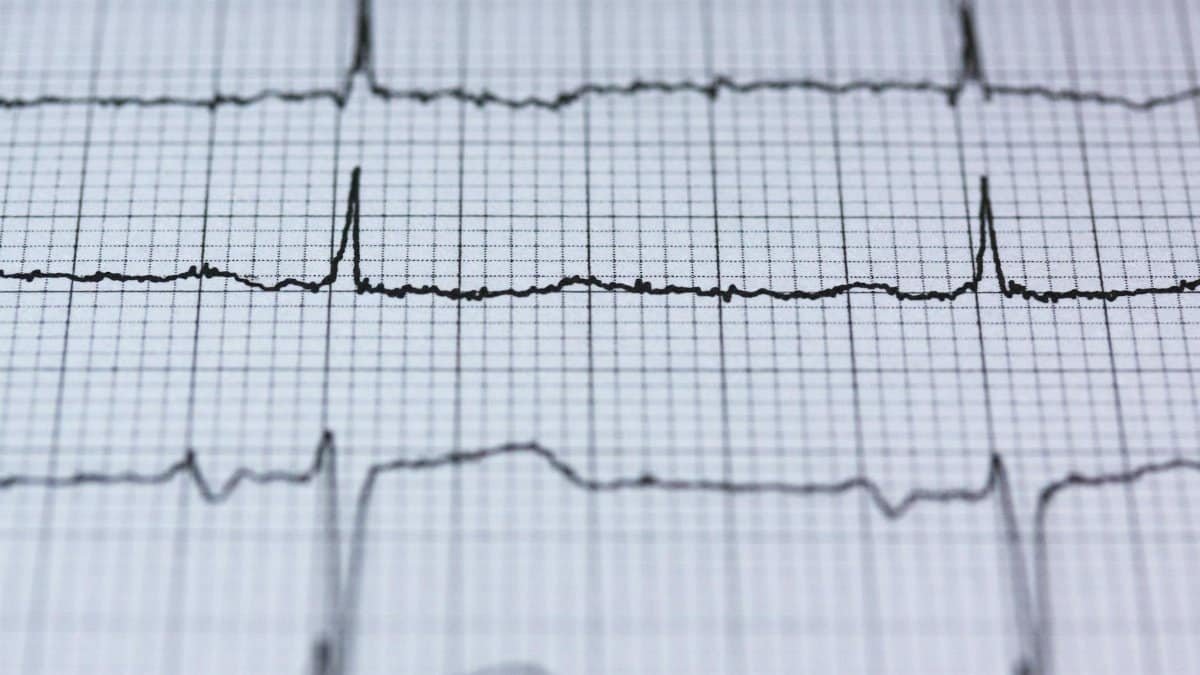
Feeling your heart race unexpectedly, without exertion? This could be a nervous system sign, with the autonomic branches misfiring signals to the heart. Anxiety sufferers often ignore it, thinking it’s just nerves, but persistent cases warrant attention.
A weekend hiker paused mid-trail, heart pounding from no apparent cause. Reflecting later, he tied it to work stress infiltrating his downtime. These palpitations reflect vagal tone imbalances, crucial for heart regulation.
The American Heart Association discusses stress’s cardiac impacts in their stress management resources, advocating for monitoring and lifestyle adjustments.
9. Frequent Headaches That Defy Simple Fixes

Headaches striking without dehydration or eye strain often stem from nervous system tension, where stress constricts blood vessels and triggers pain pathways. Many pop painkillers and carry on, missing the underlying message.
In a quiet office, a colleague rubbed her temples daily, blaming screen time. It persisted until she addressed accumulated emotional load. These headaches serve as barometers for systemic strain, urging pause.
Guidance from the Cleveland Clinic, available on their tension headache overview, connects them to stress responses. Holistic approaches, blending rest and awareness, often yield lasting relief.