
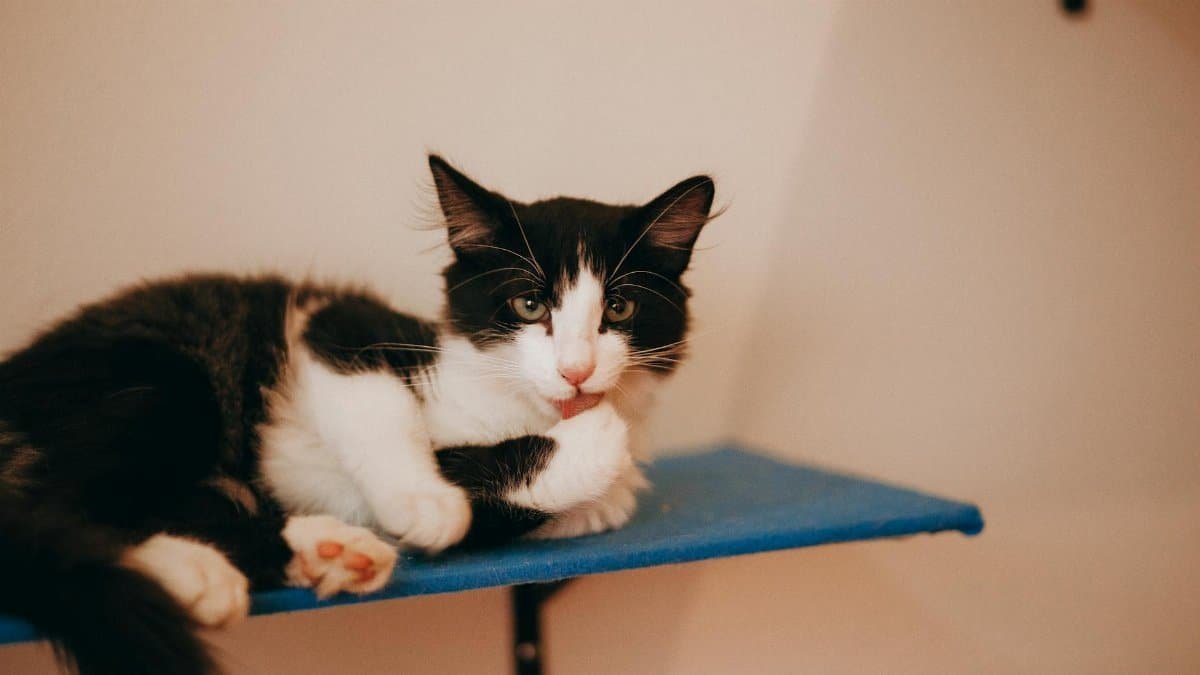
A recent study from the American Psychological Association revealed that 68% of Americans report heightened stress levels due to seasonal changes, with Midwestern states like Michigan seeing even sharper spikes during long winters. This figure, up from 55% just five years ago, underscores a growing need for simple strategies to foster tranquility. Enter the unexpected wisdom of feline companions. Cats, with their innate poise and rhythmic routines, offer subtle lessons in serenity that resonate particularly well in Michigan’s varied landscape, from snowy Detroit suburbs to the serene Upper Peninsula. Exploring these cat habits can improve calm in Michigan by encouraging mindful pauses amid the hustle of daily life. As we delve into nine such behaviors, it’s clear they’re not just quirky traits but practical tools for emotional balance in 2025’s fast-paced world.
1. Mastering the Art of Napping

Cats spend up to 16 hours a day sleeping, a rhythm that aligns perfectly with Michigan’s demanding winters, where shorter days invite introspection. This isn’t laziness; it’s strategic rest. Consider a Lansing resident who, inspired by her tabby, began incorporating short naps into her routine. She noticed her anxiety easing, much like how cats recharge without apology. Research from the National Sleep Foundation supports this, showing that brief daytime rests can reduce cortisol levels by 23%. In Michigan, where seasonal affective disorder affects thousands, emulating this habit fosters resilience. One anonymous online account described feeling “reborn” after adopting cat-like siestas during a brutal February, highlighting how such pauses combat the gray skies. It’s a reminder that calm often starts with permission to slow down.
Yet, integrating naps isn’t always seamless. Busy professionals in Grand Rapids might struggle with guilt, but starting small—perhaps a 20-minute break—builds momentum. The key lies in environment: dim lights, a cozy spot, echoing a cat’s preference for sunlit windowsills. Over time, this practice shifts energy, turning fatigue into focus.
2. Embracing Curious Exploration
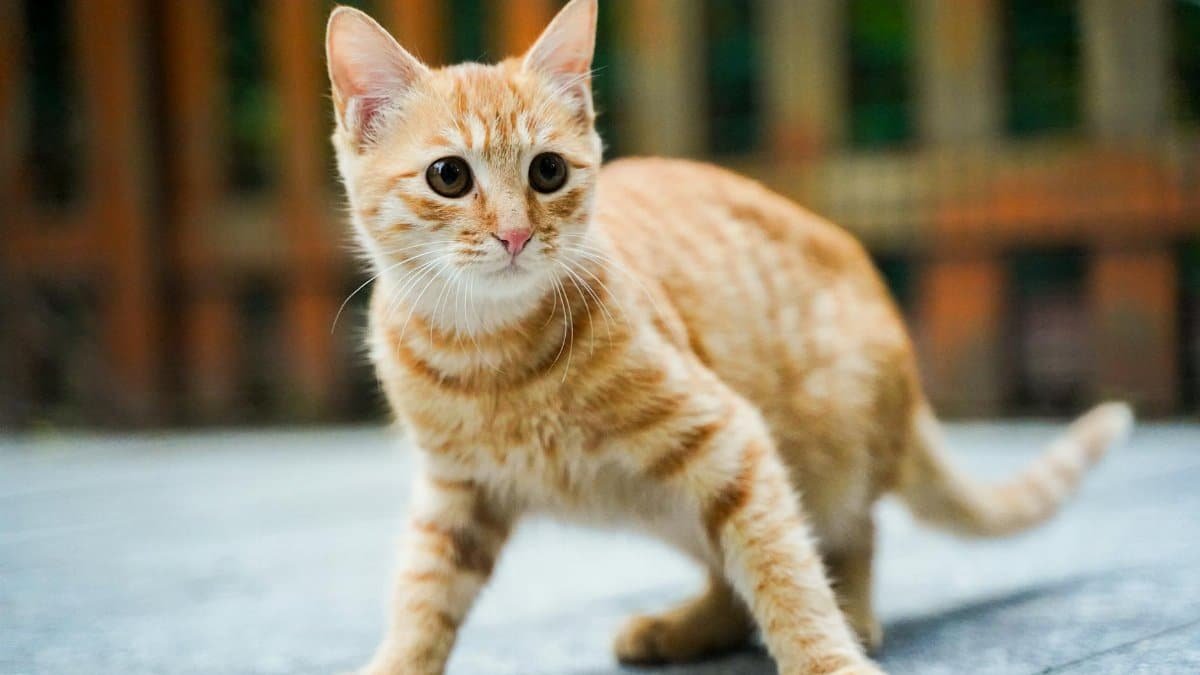
Picture a cat pawing at a fluttering leaf or investigating a new corner; this curiosity keeps their minds sharp and spirits light. In Michigan, where outdoor adventures abound—from hiking the Pictured Rocks to urban strolls in Ann Arbor—adopting this habit encourages playful discovery. A study by the University of Michigan found that exploratory activities boost dopamine, enhancing mood by up to 15% in participants. For locals facing routine monotony, channeling feline inquisitiveness means stepping outside comfort zones, perhaps wandering a lakeside trail on a crisp autumn day.
One might recall a Kalamazoo teacher who, mimicking her cat’s nosy antics, started exploring local history spots. It transformed her weekends, infusing calm through wonder. These habits improve Michigan lives by countering isolation, especially in rural areas. The transition feels natural: begin with small curiosities, like noticing seasonal bird migrations, and watch tension dissolve into engagement.
3. Perfecting the Stretch Routine

Every cat owner knows the sight: a languid stretch upon waking, elongating muscles with deliberate grace. This ritual, rooted in instinct, promotes flexibility and releases endorphins. In Michigan’s active communities, from yoga studios in Traverse City to home workouts during blizzards, incorporating cat-inspired stretches can alleviate physical stress. According to a report from the Mayo Clinic, regular stretching reduces muscle tension and improves circulation, key for those enduring cold-induced stiffness.
Imagine a Detroit auto worker starting his day with a full-body extension, mirroring his pet’s morning ritual. It sets a tone of ease, preventing the buildup of daily pressures. Habits like these improve calm in Michigan by blending movement with mindfulness, offering a buffer against the state’s variable weather. Vary the approach: pair it with deep breaths for amplified benefits, creating a personal sanctuary amid chaos.
4. Cultivating Independent Solitude

Cats thrive in solitude, retreating to quiet spots without fanfare, a trait that teaches self-reliance. In bustling Michigan households, where family demands peak, this habit encourages carving out personal time. A Pew Research Center analysis shows that 42% of adults value alone time for mental health, yet many overlook it. By observing cats, people learn to embrace isolation as rejuvenation, not loneliness.
Take the story of a Saginaw artist who, inspired by her aloof Siamese, designated a “cat corner” for uninterrupted reading. It sharpened her focus, echoing how felines recharge independently. Such practices highlight how cat habits improve Michigan’s emotional landscape, particularly in tight-knit communities where boundaries blur. Start subtly: a few minutes of quiet reflection daily builds this empowering solitude.
5. Honing Observant Watching
From window perches, cats observe the world with unwavering attention, a form of meditation in motion. This vigilance translates to mindful presence in Michigan’s scenic vistas, like gazing at Lake Huron’s waves. The NIH notes that observational practices lower blood pressure, with studies linking them to reduced anxiety in urban dwellers. For Michiganders, it’s a way to tune into nature’s rhythms, countering digital distractions.
An anonymized tale from a public forum captured this: someone in Flint described watching squirrels like their cat does, finding unexpected peace amid city noise. It illustrates the subtle power of these habits to improve calm in Michigan. Dive into it by selecting a focal point—a tree, a street—and let observations unfold, fostering a deeper connection to surroundings.
6. Practicing Playful Pouncing

Cats pounce on toys with joyful abandon, injecting fun into the mundane. In Michigan, where recreational sports thrive, this playful energy can transform leisure time. A study from Harvard Medical School indicates that play reduces stress hormones, promoting long-term well-being. Emulating this in daily life—perhaps a spontaneous game in the backyard—revives childlike joy.
Consider a Battle Creek family adopting “pounce sessions” with feather toys, laughter filling the air as they mimic their pet. It breaks monotony, especially during cabin-fever winters. These cat habits improve Michigan’s vibe by encouraging lighthearted interactions, strengthening bonds and serenity alike. Mix it up: incorporate variety, like dancing to music, to keep the spark alive.
7. Refining Grooming Rituals

The meticulous self-grooming of cats symbolizes care and composure. In Michigan’s wellness scene, from spas in Mackinac Island to home routines, this inspires intentional self-care. Research by the CDC emphasizes hygiene’s role in mental health, with routines fostering a sense of control. For residents, it’s a daily anchor amid unpredictability.
A Grand Haven retiree shared how copying her cat’s licking ritual—through gentle skincare—eased her worries. It became a meditative act, underscoring how such habits improve calm in Michigan. Approach it with intention: select calming products, turn it into a ritual, and notice the ripple effect on overall poise.
8. Establishing Territory Comfort

Cats claim spaces with confidence, creating havens of security. In Michigan homes, this habit translates to personalizing environments for peace. The American Institute of Stress reports that comfortable surroundings decrease anxiety by 30%. By designating cozy nooks, like a reading chair by a window, individuals mirror this instinct.
Envision a Ypsilanti student transforming her dorm into a “territory” with soft blankets, inspired by her kitten. It provided solace during exams. Habits like these improve Michigan’s emotional resilience, especially in transitional seasons. Experiment: add elements like plants or scents to enhance the sanctuary feel.
9. Nurturing Affectionate Bonds
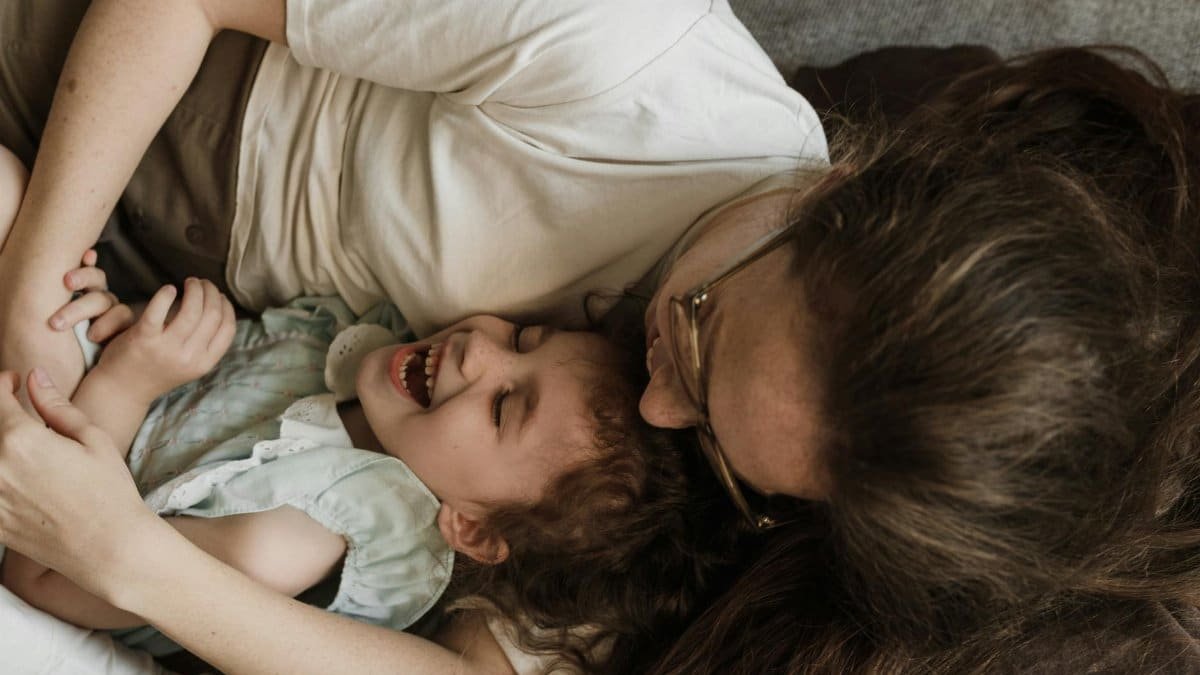
Despite independence, cats seek affection on their terms, building trust through gentle interactions. In community-oriented Michigan, this teaches balanced relationships. A study from Purdue University Veterinary Medicine links pet bonding to lower depression rates, with human applications evident in social connections. It encourages authentic closeness without overwhelm.
Reflect on a Marquette couple who, observing their cat’s head-butts, prioritized quality time. It deepened their calm, illustrating the relational depth of feline wisdom. Ultimately, these cat habits improve life in Michigan by weaving serenity into everyday threads, a timeless strategy for 2025 and beyond.
American Psychological Association on Stress
National Sleep Foundation on Napping
Pew Research Center on Adult Behaviors
NIH on Observational Practices