
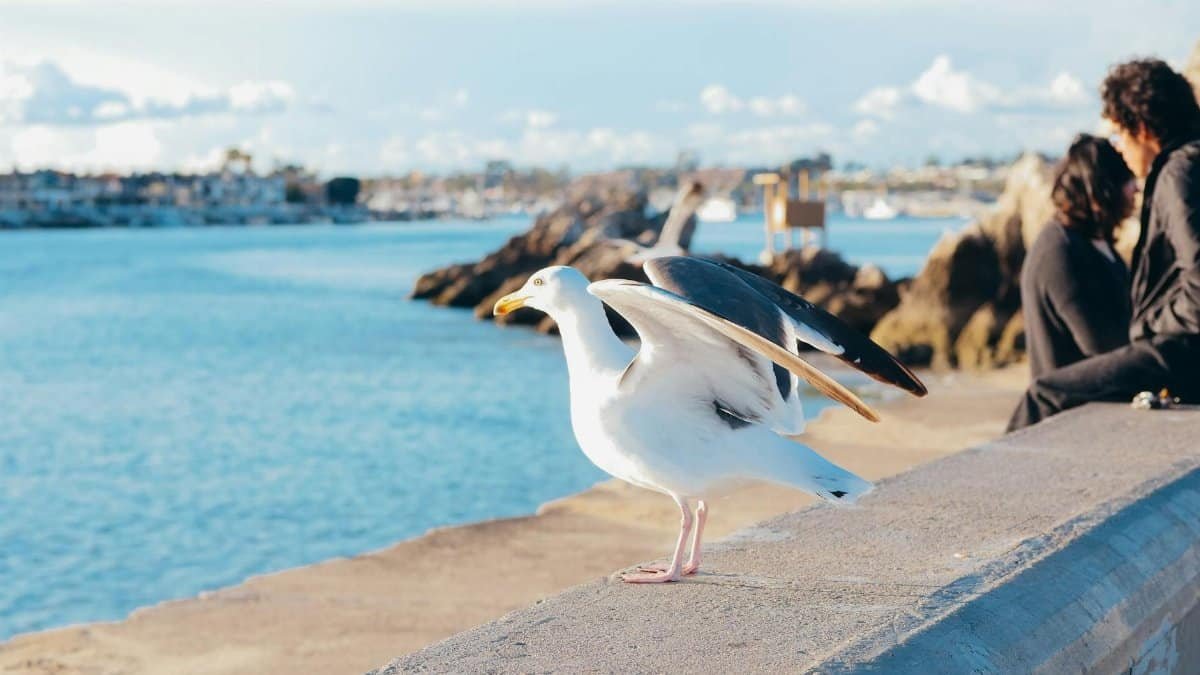
A recent study from the University of California, Berkeley revealed that 68% of Californians report feeling more relaxed after observing wildlife, a jump from just 45% a decade ago. This surge highlights a growing recognition of how animal behaviors can signal us to pause in our hectic lives. Amid the bustling tech hubs and endless freeways, the keyword animal, people, california takes on new meaning, where furry or feathered locals offer subtle lessons in deceleration. Researchers point to these natural cues as antidotes to burnout, drawing from ecosystems that thrive on rhythm rather than rush. In a state where innovation never sleeps, such insights remind us that slowing down isn’t laziness; it’s a vital recharge. As we navigate 2025’s demands, these animal-inspired pauses might just be the key to sustainable living.
1. Sea Otters Floating on Their Backs

In the kelp forests off Monterey Bay, sea otters drift effortlessly, paws clasped over their chests as they nap amid gentle waves. This sight isn’t just adorable; it’s a profound cue for humans to embrace rest. One visitor, recalling a foggy morning boat trip, described how watching an otter family bob along shifted her entire day. “It was like permission to let go,” she said anonymously in an online reflection. Studies back this up: observing such serene behaviors activates the parasympathetic nervous system, reducing stress hormones. A report from the Monterey Bay Aquarium Research Institute details how otters’ playful downtime conserves energy, a model for overworked Californians juggling jobs and commutes. Next time you’re coastal, pause and float mentally with them. It reframes busyness as optional.
2. Hummingbirds Hovering at Feeders
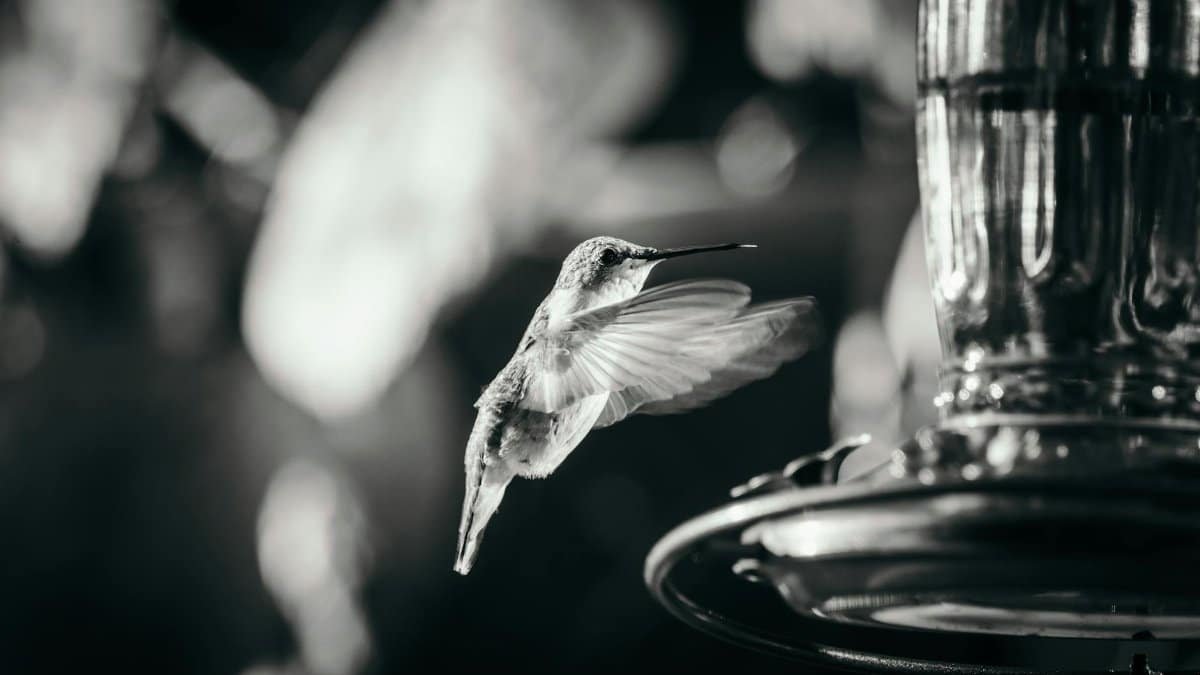
Picture a ruby-throated hummingbird suspended mid-air, wings a blur, sipping nectar in a Sacramento backyard. This momentary stillness amid frenzy teaches precision over haste. Californians, often caught in traffic or deadlines, find in these birds a reminder to hover thoughtfully. A brief anecdote from a retiree in the Sierra foothills illustrates: he installed feeders and noticed his blood pressure dipping as he watched their deliberate pauses. Research from the National Audubon Society shows that birdwatching boosts mindfulness, with participants reporting 20% less anxiety after sessions. In 2025, as remote work blurs boundaries, this cue encourages intentional breaks. It’s not about stopping entirely, but inserting mindful hovers into the day, much like these tiny aviators balancing speed and sustenance.
3. Deer Grazing at Dawn
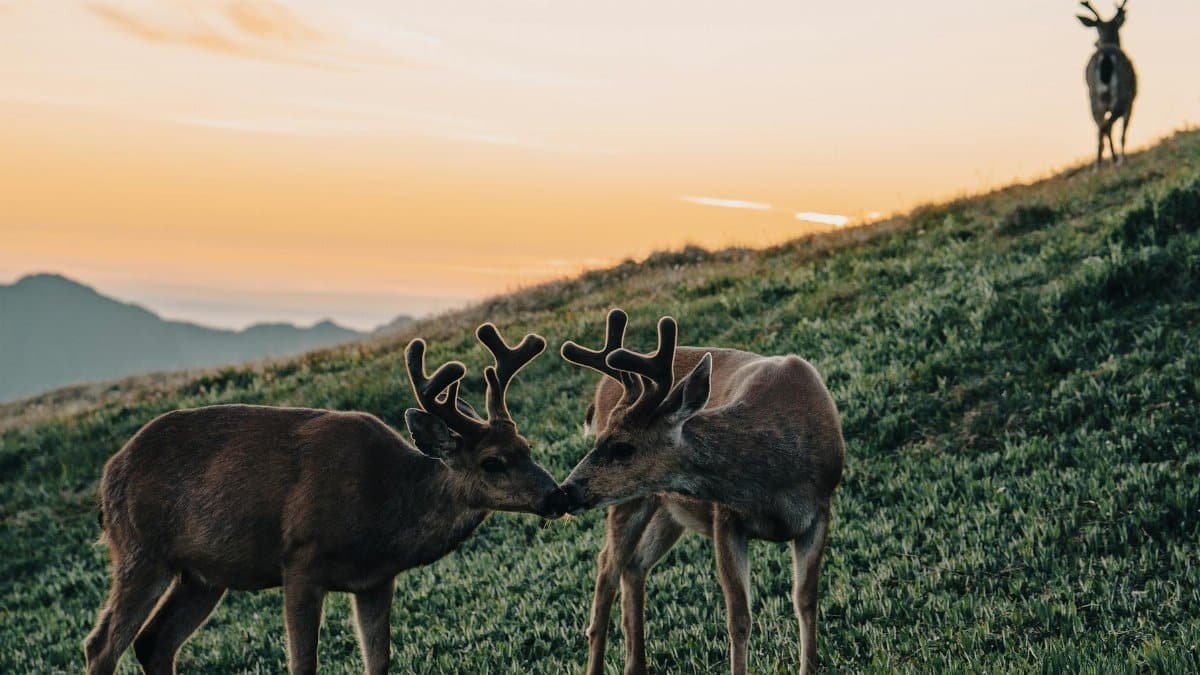
As the sun crests the hills in Yosemite National Park, mule deer emerge to graze leisurely, ears twitching at subtle sounds. Their unhurried foraging signals a return to basics, urging people to savor rather than scarf meals. Amid California’s farm-to-table culture, this resonates deeply. One hiker shared publicly how spotting a herd during an early trek made her rethink her rushed breakfasts, feeling a quiet kinship. Data from the National Park Service indicates that wildlife encounters enhance emotional well-being, with visitors noting improved focus post-observation. Yet, tensions arise when urban sprawl encroaches on habitats, highlighting the need for conservation. This cue isn’t simplistic; it invites reflection on how slowing down preserves both personal energy and natural spaces.
4. Butterflies Migrating Through Meadows
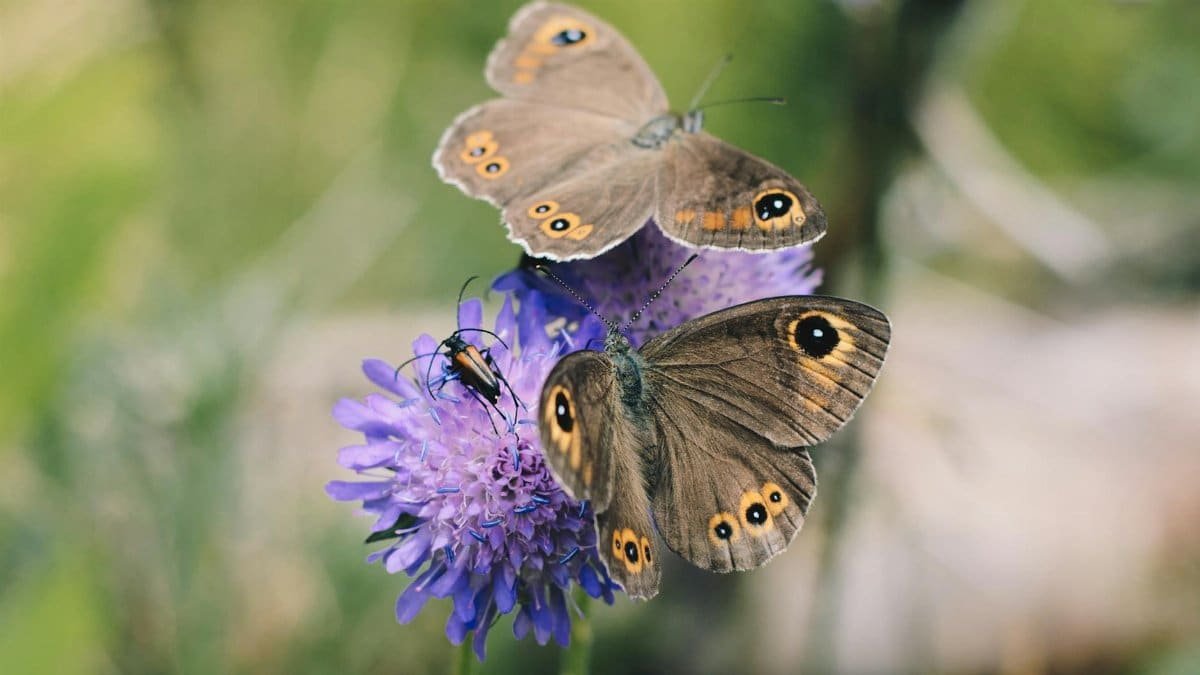
Monarch butterflies flutter in synchronized waves across California’s central valleys, their journeys a testament to paced endurance. This migration cues humans to break big goals into manageable flutters. In a state of constant reinvention, from Hollywood dreams to startup ventures, it’s easy to burn out chasing speed. Dive into a story: a group of friends picnicking near Big Sur watched thousands pass overhead, inspiring them to discuss life’s marathons. A study linked from the Xerces Society for Invertebrate Conservation reveals that engaging with such patterns fosters patience, with 55% of observers feeling more resilient. But challenges persist, like habitat loss from climate shifts. Here, the cue doubles as a call to action, blending relaxation with environmental awareness for a fuller slowdown.
5. Seals Basking on Beaches
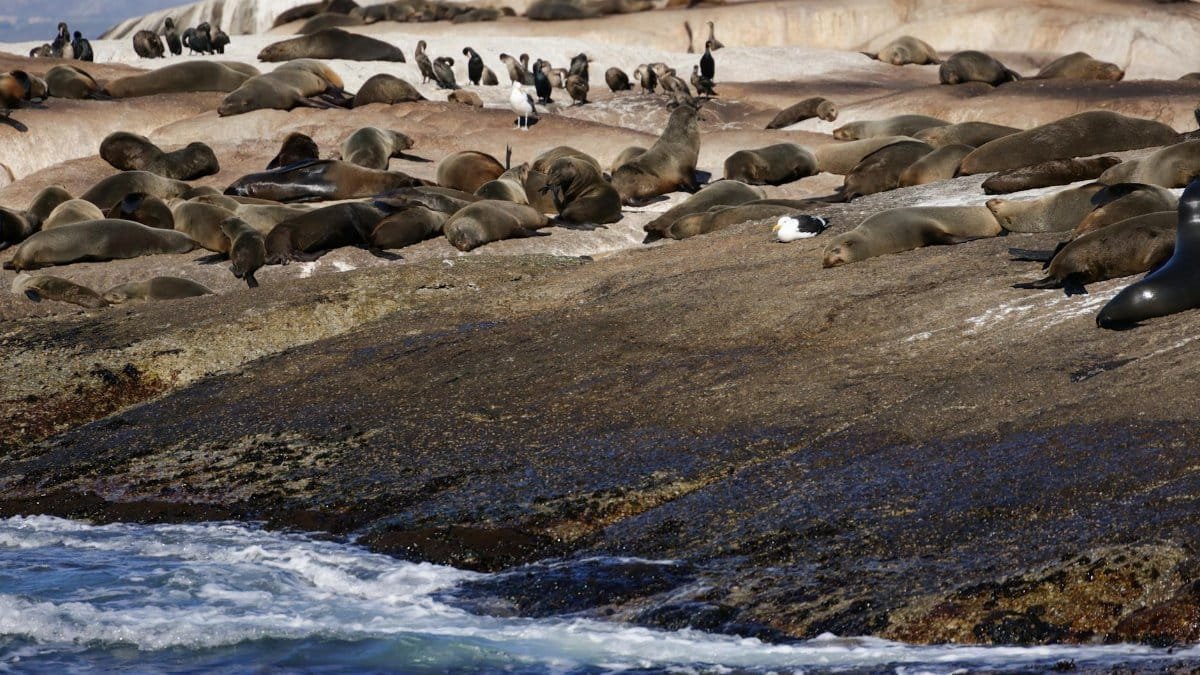
On the rugged shores of Big Sur, harbor seals haul out to sunbathe, flipping lazily in the sand. Their communal lounging prompts people to seek restorative idleness, countering the always-on mentality. Californians, wired to productivity apps, often overlook this. Consider a beachcomber’s observation: amid crashing waves, a pod’s synchronized sighs eased his racing thoughts. Insights from the NOAA Fisheries emphasize how these rests aid survival, paralleling human needs for downtime. In 2025’s gig economy, this visual encourages unplugging without guilt. Yet, it’s nuanced; over-tourism can stress these animals, reminding us that true slowing respects boundaries. The cue evolves into a balanced invitation, blending observation with ethical pause.
6. Owls Perching Silently at Night
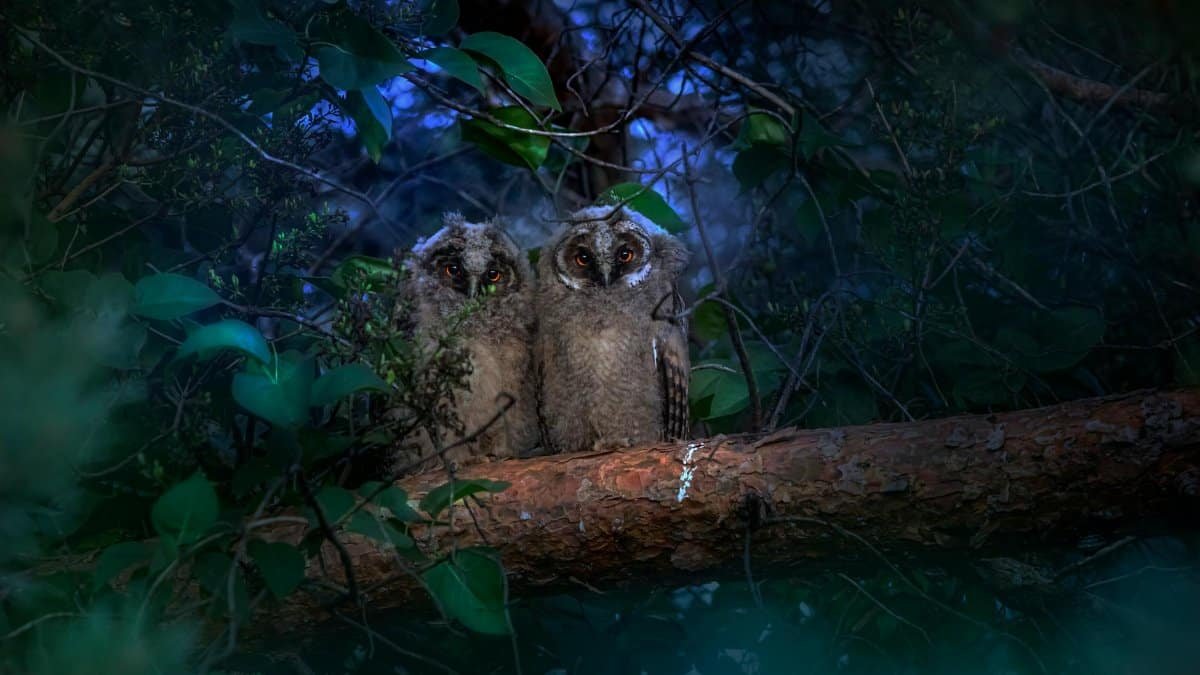
Under starry skies in the Redwood forests, great horned owls perch motionless, embodying vigilant calm. This nocturnal stillness cues night owls in urban California to wind down thoughtfully. Amid light pollution and late shifts, it’s a vital reminder. A whispered tale from a camper: hearing an owl’s hoot while stargazing dissolved her insomnia worries. Research via the Cornell Lab of Ornithology links such encounters to better sleep hygiene, with participants gaining deeper rest. Tensions emerge in habitat fragmentation, yet the cue persists, urging reflection on quiet hours. Start with a question: why rush when nature thrives in hush? It shifts perspectives, making slowdown a deliberate choice.
7. Foxes Foraging Methodically
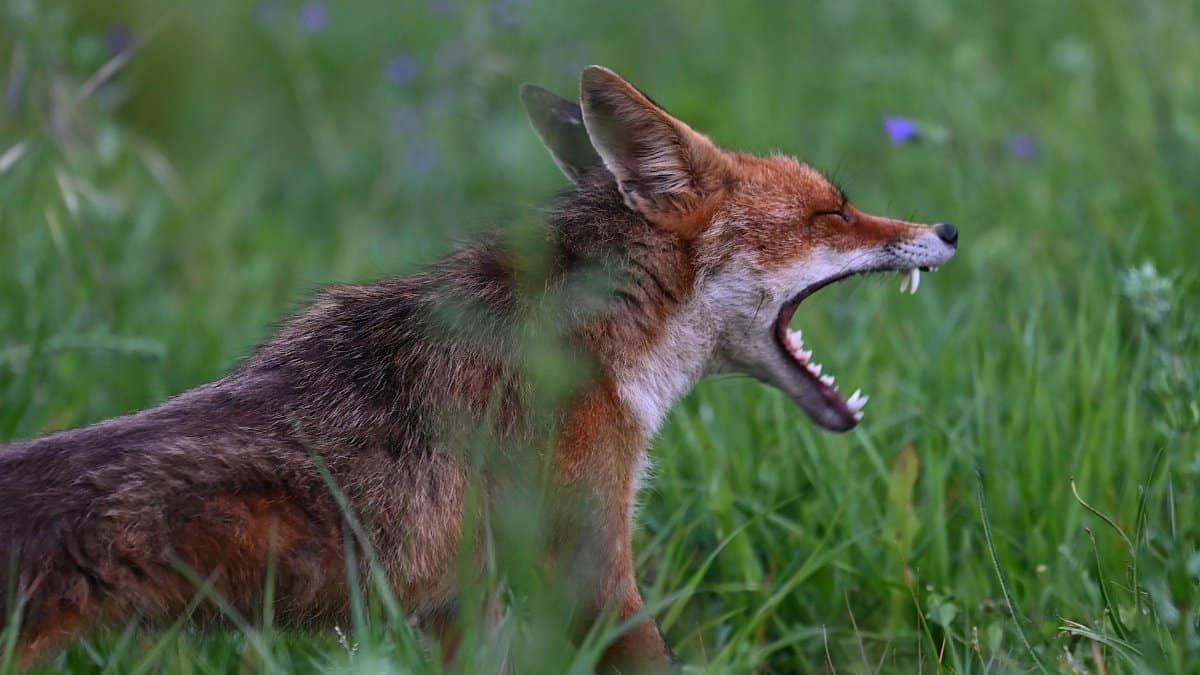
In the chaparral hills of Southern California, gray foxes trot purposefully yet patiently, sniffing out meals. Their methodical hunts teach pacing in pursuit of goals. For people chasing careers in LA’s competitive scene, it’s a grounding signal. An anonymized online account described watching a fox during a hike, realizing her own frantic job search mirrored inefficient scurrying. Findings from the California Department of Fish and Wildlife highlight adaptive behaviors that conserve energy, applicable to human stress management. As 2025 brings economic uncertainties, this cue fosters resilience. But it’s not all smooth; urban foxes face risks, adding layers to the lesson. Weave in variety: short bursts of focus, long views of patience.
8. Bees Buzzing in Gardens
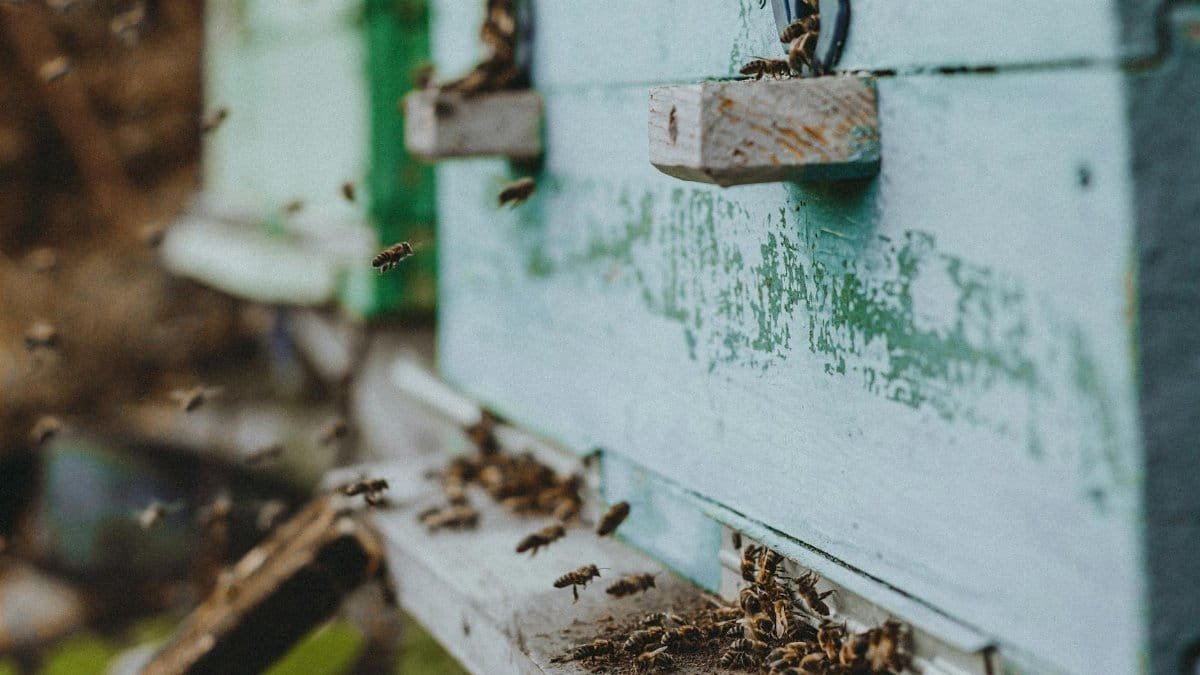
Amid blooming lavender in Napa Valley vineyards, honeybees dart from flower to flower with efficient grace, never overexerting. This buzz cues collaborative slowing, reminding teams to harmonize efforts. In California’s innovation-driven workplaces, it’s a fresh take. Recall a vintner’s story: observing hives during harvest taught him to delegate, easing burnout. A report from the USDA on Pollinators notes how bee behaviors model sustainable productivity, boosting human well-being metrics. Challenges like colony collapse add urgency, yet the cue inspires. Why force speed when nature buzzes steadily? It prompts nuanced shifts, from solo rushes to synced pauses.
9. Whales Breaching Offshore
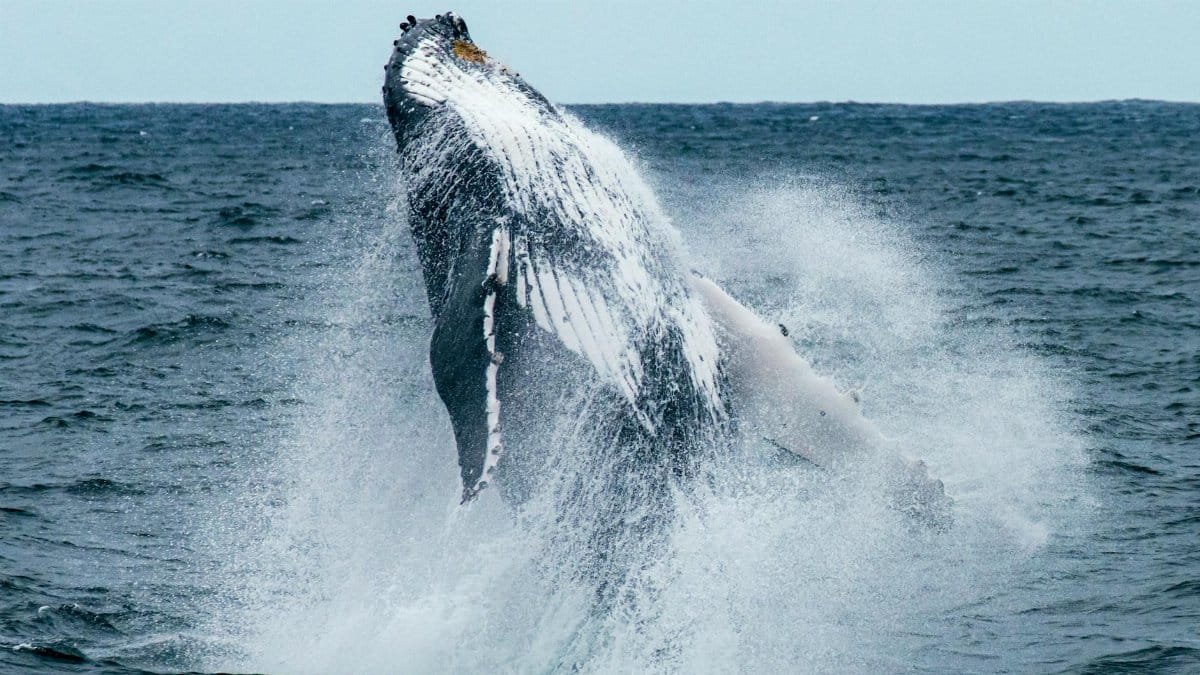
Off the Pacific Coast Highway, humpback whales breach dramatically, then dive deep for recovery. This spectacle cues embracing highs and necessary lows. Tourists in whale-watching boats often leave transformed, one describing the plunge as a metaphor for recharging. Data from the NOAA National Marine Sanctuaries shows such sightings reduce cortisol levels significantly. In a state of extremes, from droughts to booms, it’s timely. But marine pollution threatens, complicating the serenity. The cue isn’t escapist; it demands action alongside appreciation, turning observation into mindful advocacy.
10. Squirrels Pausing to Assess

In Golden Gate Park’s oaks, ground squirrels freeze mid-scamper, scanning surroundings before proceeding. This hesitation cues thoughtful decision-making amid chaos. San Franciscans, navigating fog and fintech, relate. A jogger paused her run to watch, later reflecting on how it mirrored avoiding hasty choices. Studies from the University of California, Berkeley explore animal vigilance, linking it to human cognitive benefits. As 2025 unfolds with rapid changes, this final cue encapsulates the theme: slowdown as strategy. It’s simple yet profound, weaving animal wisdom into daily life for lasting balance.