

A recent study from the American Psychological Association revealed that nearly 70 percent of pet owners report reduced stress levels thanks to their animals’ innate behaviors, a figure that’s climbed steadily over the past decade amid rising mental health concerns. This surge aligns with broader trends in California, where urban dwellers increasingly turn to pets for emotional ballast in a state known for its high-octane lifestyle. From the foggy streets of San Francisco to the sunny sprawl of Los Angeles, these furry companions tap into deep-seated instincts that foster calm and connection. At its core, the interplay of instincts, support, and mental well-being manifests in subtle, everyday ways. Pets don’t just coexist; their natural drives offer unspoken therapy, grounding us in moments of chaos. As researchers delve deeper, it’s clear this bond isn’t accidental but rooted in evolutionary harmonies that benefit both species.
1. The Purring Resonance of Cats
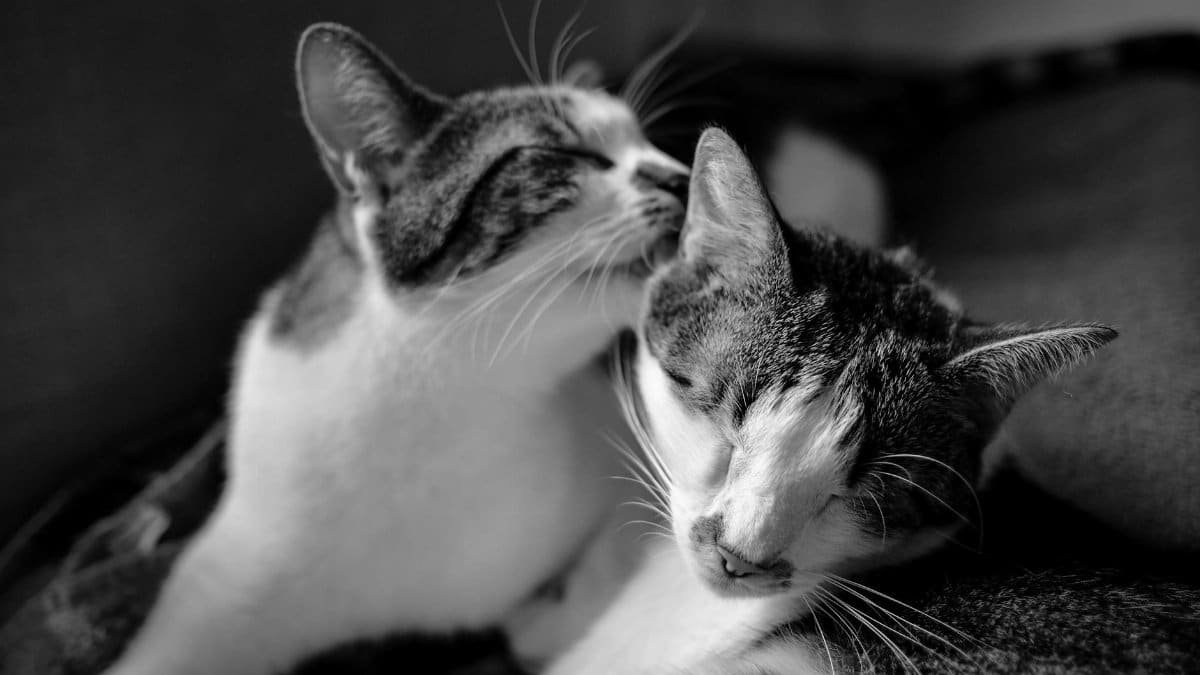
Cats have this uncanny way of vibrating calm right into your bones. Their purring, often dismissed as mere contentment, actually operates on a frequency that promotes healing. Studies show it can lower blood pressure and ease anxiety, much like a built-in sound therapy session. In California, where wellness trends flourish from yoga studios in Venice Beach to meditation retreats in Big Sur, cat owners often describe this as a daily reset. One anonymous account shared publicly online captured it vividly: feeling overwhelmed after a long workday, the person sank into the couch, and their tabby curled up, purring steadily. Within minutes, the tension melted. It’s not magic, but science backs it. A report from Cornell University’s College of Veterinary Medicine explains how these vibrations stimulate endorphin release. For middle-aged Californians juggling careers and family, this instinct turns a simple lap cat into a mental health ally.
Yet, it’s worth noting the nuance. Not every purr signals bliss; sometimes it’s a self-soothing mechanism for the cat during stress. This duality adds depth to the bond, reminding us that support flows both ways. In bustling cities like San Diego, where traffic and deadlines amplify daily pressures, such instincts provide a quiet counterbalance.
2. Dogs’ Empathetic Gaze

Picture a golden retriever locking eyes with its owner during a tough moment. That gaze isn’t random; it’s an instinctive mirroring of human emotions, evolved over millennia of domestication. Research from the American Psychological Association highlights how dogs read facial cues to offer comfort, reducing feelings of isolation. In California’s diverse communities, from the tech hubs of Silicon Valley to rural vineyards in Napa, this empathy shines. A vineyard worker might return home exhausted, only to find their dog waiting with that knowing look, prompting a walk that clears the mind.
This instinct fosters mental ease by encouraging presence. Shorter interactions build to longer-term benefits, like improved mood regulation. It’s active engagement, pulling people out of rumination. Californians, often caught in the grind of innovation and ambition, find solace here without needing words.
3. Birds’ Melodic Calls

Birds, with their instinctive songs, create auditory havens that soothe frayed nerves. In California’s avian-rich landscapes, from coastal wetlands to backyard feeders in Sacramento, these calls mimic nature’s white noise, proven to lower cortisol levels. A study linked from the National Center for Biotechnology Information details how bird sounds enhance relaxation, akin to mindfulness apps popular in the state.
One observer in a Monterey park noted how a flock’s chorus drowned out urban clamor, inviting a moment of reflection. It’s not just passive listening; engaging with these instincts through birdwatching builds routines that support mental clarity. For those navigating midlife transitions, this feathered symphony offers a gentle nudge toward balance.
Of course, the variety matters. A parrot’s mimicry might add humor, lightening heavy days, while a finch’s trill evokes serenity. California’s biodiversity amplifies this, turning ordinary backyards into therapeutic spaces.
4. Fish Swimming Patterns

Aquarium fish glide in rhythmic patterns, an instinct that captivates and calms. In homes across California’s inland valleys, where heat waves test tempers, watching these movements reduces anxiety, as per findings from the Purdue University research on aquatic therapy. It’s hypnotic, drawing the eye and mind into a flow state.
Consider a retiree in Fresno, mesmerized by neon tetras darting in unison after a restless night. This visual instinct doesn’t demand interaction, making it ideal for introverted souls seeking subtle support. Yet, it invites care, like maintaining the tank, which instills purpose.
5. Rabbits’ Gentle Nudging
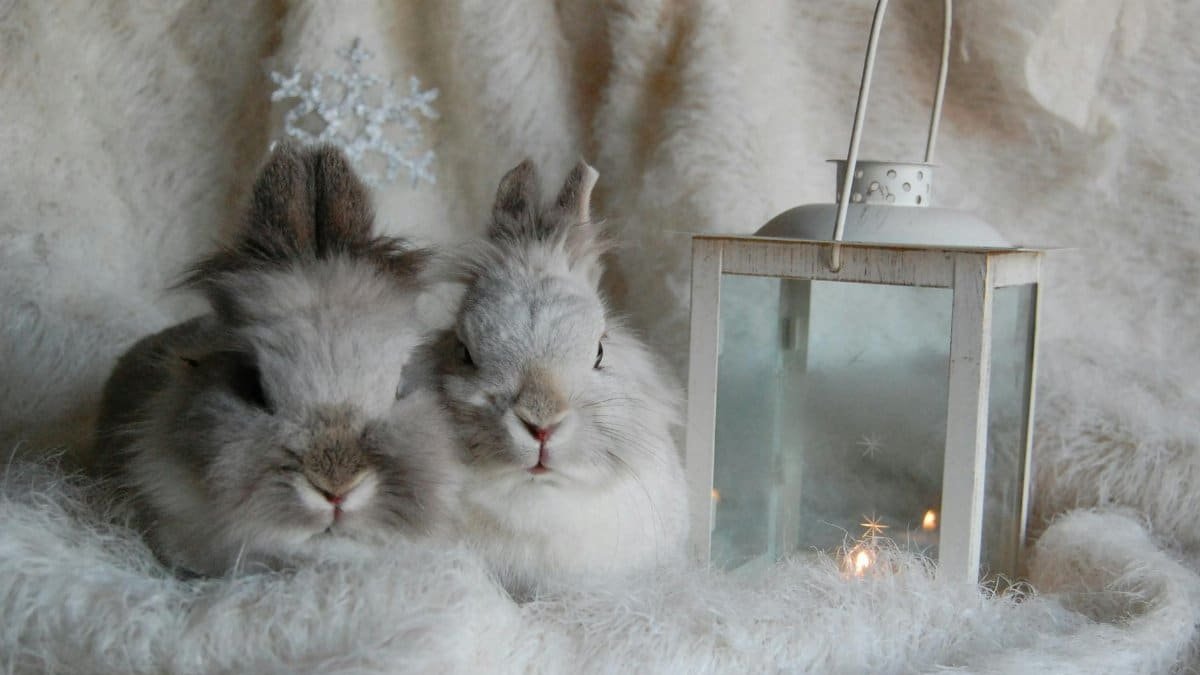
Rabbits nudge with their noses, an instinctive bid for attention that translates to affectionate reminders. In suburban California enclaves like Orange County, this behavior encourages tactile connection, boosting oxytocin and easing loneliness. Insights from the Humane Society underscore how such interactions combat depression.
A brief story: a writer in Irvine felt isolated during remote work; her bunny’s persistent nudges led to playtime that lifted her spirits. It’s a soft intervention, perfect for those wary of more boisterous pets.
Challenges arise if misinterpreted as aggression, but understanding breeds harmony, enhancing mental support.
6. Hamsters’ Burrowing Habits

Hamsters burrow instinctively, creating cozy nests that mirror our need for security. Californians in apartments from Oakland to Riverside find watching this ritual grounding, as it evokes simplicity amid complexity. A NCBI study on small mammal behaviors links such observations to stress reduction.
One enthusiast described the joy of seeing their hamster tunnel, a reminder to carve out personal space. In 2025, with remote work persisting, this instinct supports mental boundaries.
7. Reptiles’ Calm Demeanor

Reptiles like bearded dragons exude stillness, an instinct that teaches patience. In arid Southern California, owners report meditative benefits from their unhurried presence. Research via SAGE Journals explores how reptile companionship aids emotional regulation.
It’s a contrast to fast-paced life, offering lessons in observation over action. A tech worker in Palo Alto found solace in his lizard’s basking, prompting his own pauses.
This quiet support suits contemplative types, weaving instincts into daily mental ease.
8. Horses’ Intuitive Bonding
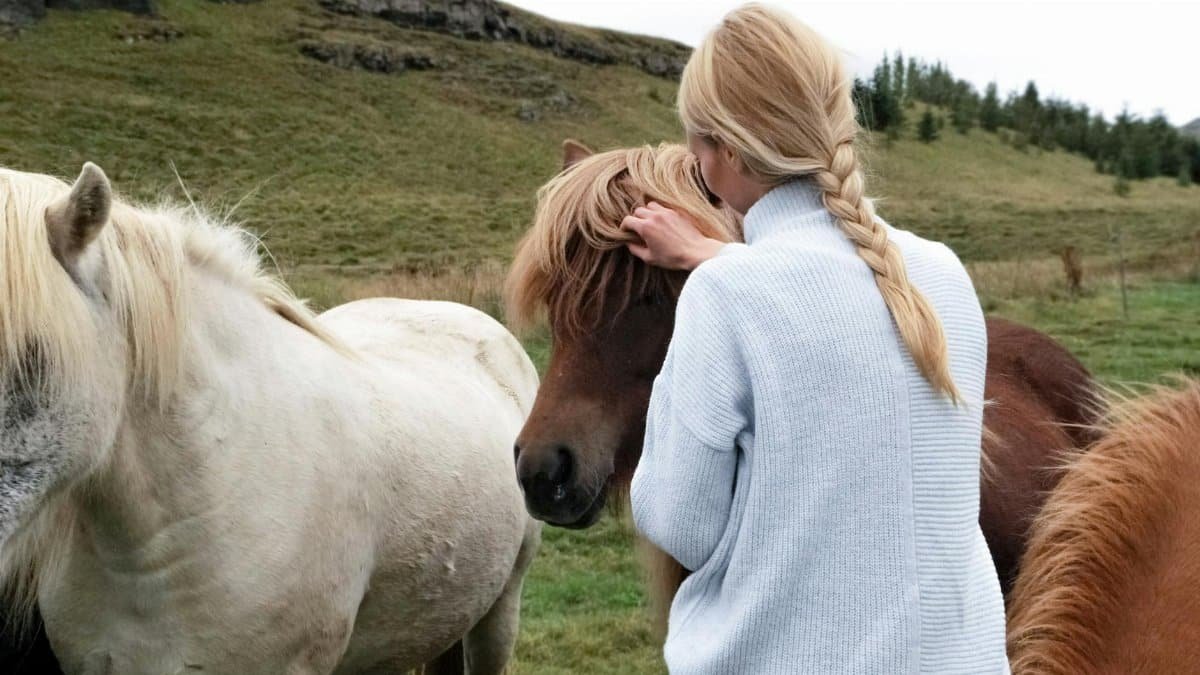
Horses bond through subtle cues, sensing human emotions instinctively. In California’s equestrian regions like Santa Barbara, equine therapy programs harness this for mental health gains. The Mayo Clinic notes its efficacy in building trust and reducing PTSD symptoms.
Riding or grooming fosters presence, as one rider shared feeling “anchored” after sessions. It’s profound, especially for veterans or those in recovery.
9. Guinea Pigs’ Social Chirps
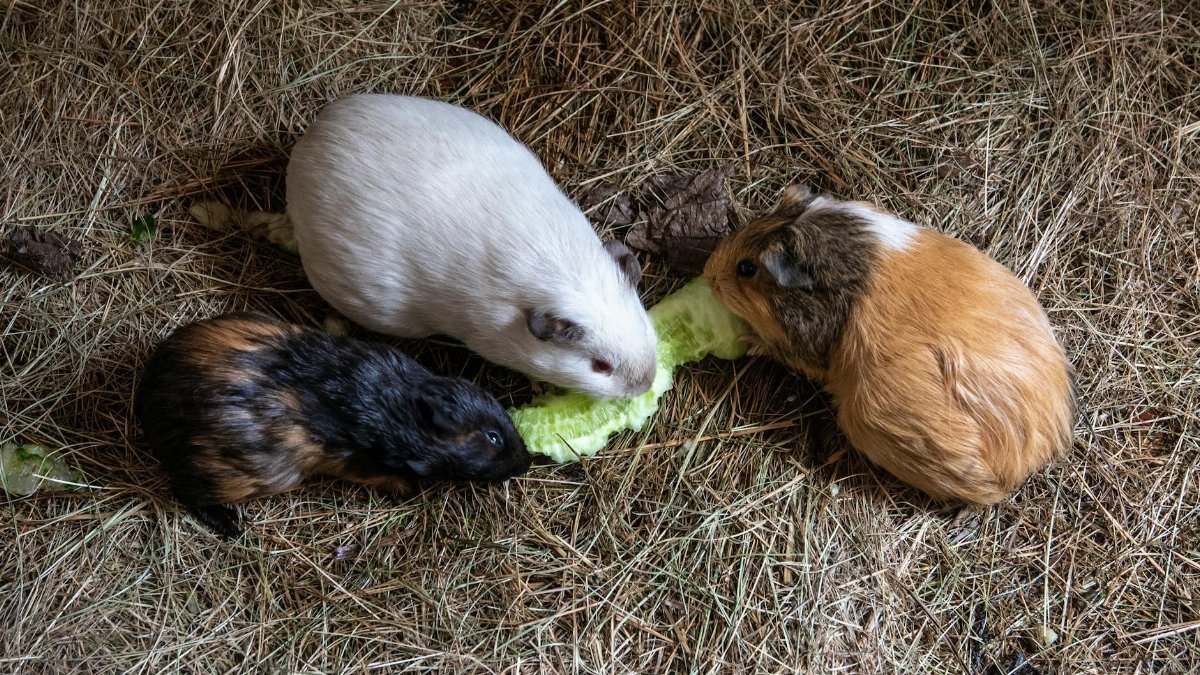
Guinea pigs chirp to communicate, an instinct that draws owners into responsive care. In family homes across the Central Valley, this vocalization strengthens bonds, alleviating isolation. A APA journal article connects pet vocalizations to improved human mood.
Parents note how children’s interactions with these pets teach empathy, supporting family mental dynamics. In 2025’s evolving wellness landscape, it’s a reminder of communal instincts at work.
Wrapping this in, these pet instincts weave a tapestry of support, uniquely resonant in California’s blend of nature and innovation.