

A recent study from the American Psychological Association revealed that 68% of Americans report high stress levels, up from previous years, with pet ownership offering a surprising buffer. In Michigan, where long winters and economic shifts amplify daily pressures, dogs have emerged as unlikely allies in this battle. Residents from Detroit to the Upper Peninsula often turn to their canine companions for relief. But it’s not just any interaction; specific behaviors, reduce, stress in profound ways. These actions, rooted in the bond between humans and dogs, tap into evolutionary instincts that calm the nervous system. As we navigate 2025’s uncertainties—rising costs and hybrid work demands—understanding these behaviors could transform how Michiganders manage tension. This piece explores seven key dog behaviors that foster relaxation, drawing on research and real-life insights to show why our four-legged friends are more than pets; they’re stress-busters tailored to the Great Lakes State’s unique rhythm.
1. The Enthusiastic Greeting Ritual

Dogs have a way of turning ordinary homecomings into moments of pure joy. Picture a Michigan factory worker returning from a grueling shift in Flint. The door opens, and there it is: the whirlwind of tail wags, jumps, and excited barks. This greeting isn’t just cute. It triggers an immediate release of oxytocin in both dog and owner, that feel-good hormone that dials down cortisol levels.
Research backs this up. A study from the University of Missouri found that such interactions lower blood pressure within minutes. In Michigan’s harsh winters, when seasonal affective disorder looms large, these bursts of affection act like a natural antidote. One anonymous account shared publicly online described it vividly: after a stressful commute through snow-slicked roads, the dog’s eager welcome melted away the day’s frustrations, leaving a sense of warmth that lingered.
Yet, it’s not always straightforward. Some dogs greet with overwhelming energy, which might initially add to chaos. Training helps channel this into calmer rituals, like a simple sit-and-paw. Over time, this behavior builds a routine of positivity, reinforcing emotional resilience amid Michigan’s economic ebbs and flows.
2. Gentle Leaning and Cuddling

Ever notice how a dog will press its body against yours during quiet evenings? In cozy Michigan homes, perhaps by a crackling fireplace in Traverse City, this leaning is more than affection. It’s a subtle stress reliever, promoting a sense of security through physical contact.
Scientists at the National Institutes of Health have explored how tactile interactions with pets reduce anxiety. Their findings suggest that the pressure from a dog’s weight mimics deep-pressure therapy, often used for conditions like PTSD. For Michiganders dealing with job losses in the auto industry, this simple act provides grounding.
Consider a retiree in Grand Rapids, sitting on the porch as her golden retriever leans in. The weight against her leg steadies her breathing, easing worries about healthcare costs. It’s a reminder that stress reduction doesn’t require grand gestures; sometimes, it’s just about being present together.
Of course, not every dog is a cuddler. Breeds like greyhounds might prefer independence, but even brief leans can accumulate benefits over time, weaving calm into daily life.
3. Playful Fetch Sessions
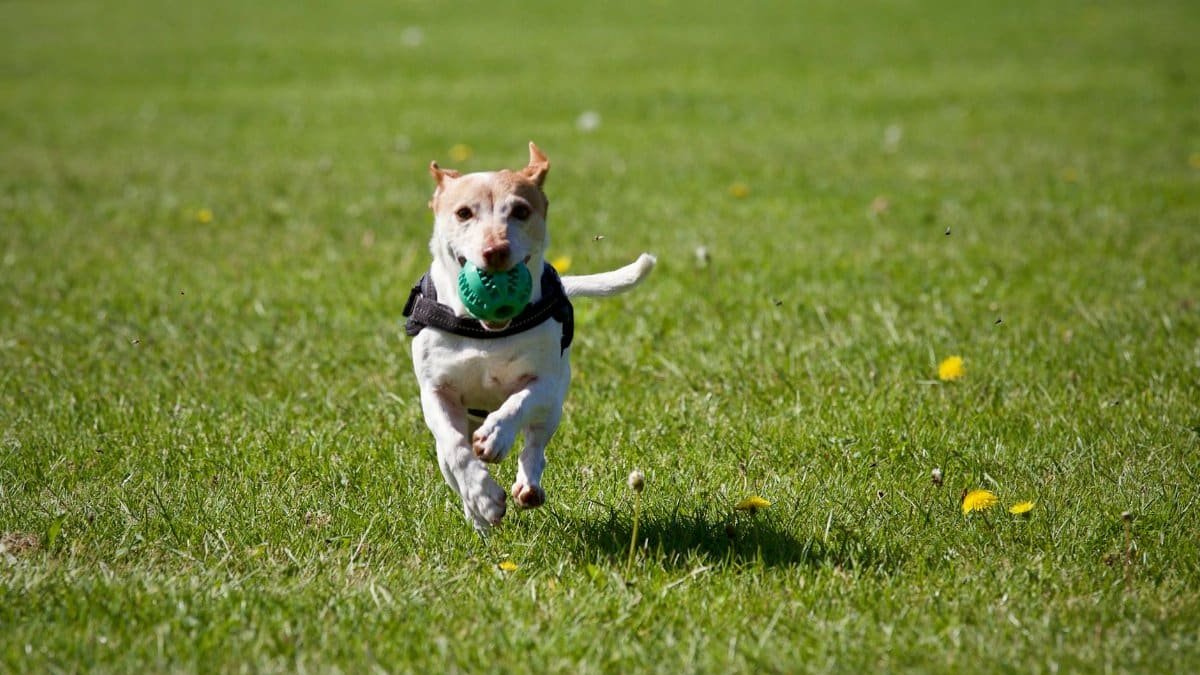
Throw a ball across a Michigan park, and watch the magic unfold. Dogs dart after it with unbridled enthusiasm, returning with that triumphant grin. This play isn’t frivolous; it channels energy that might otherwise build as stress in their human counterparts.
A report from the Centers for Disease Control and Prevention highlights how physical activity with pets combats sedentary lifestyles, a common stressor in urban areas like Ann Arbor. Fetch encourages movement, releasing endorphins that lift moods naturally.
Imagine a young professional in Lansing, tossing a frisbee after a tense Zoom meeting. The dog’s joyful retrieval pulls her into the moment, away from screens and deadlines. Laughter bubbles up, dissolving the knot in her stomach. Yet, in Michigan’s variable weather, indoor adaptations—like hallway chases—keep the benefits flowing year-round.
This behavior also fosters reciprocity. As the dog tires, it invites rest, teaching owners to pause. In a state where work ethic runs deep, such breaks are vital for long-term well-being.
4. Calming Licks and Nuzzles

Dogs often communicate comfort through licks, a behavior that can feel oddly soothing. In the quiet suburbs of Kalamazoo, a quick nuzzle from a loyal lab might arrive just when overwhelm peaks.
Studies at American Psychological Association indicate that these actions stimulate parasympathetic responses, slowing heart rates. It’s evolutionary: dogs lick to bond, and humans interpret it as care, reducing perceived isolation.
One might recall a teacher in Saginaw, grading papers late into the night. Her beagle’s gentle licks on her hand interrupt the spiral of fatigue, prompting a smile and a deep breath. But moderation matters; excessive licking could signal the dog’s own anxiety, turning the tables on who needs relief.
Exploring this further reveals layers. In Michigan’s diverse communities, from Native American reservations to bustling cities, these small gestures bridge cultural gaps, offering universal solace amid shared stresses like climate change impacts on the lakes.
5. Attentive Listening Presence

Dogs excel at being there without judgment. They sit quietly as you vent about a bad day, their steady gaze a silent anchor. In Michigan’s rural expanses, like the farms near Holland, this presence cuts through isolation.
According to research from Purdue University, pets provide social support akin to human companionship, buffering against depression. A linked study on their Center for the Human-Animal Bond page details how non-verbal cues from dogs lower stress hormones.
Think of a veteran in Marquette, sharing war stories with his service dog. The animal’s unflinching attention eases the weight of memories, fostering a rare vulnerability. Online forums echo this: one account described how a dog’s quiet company during a Michigan blizzard turned dread into manageable calm.
However, this relies on the bond. Neglected dogs might withdraw, underscoring the need for mutual care. In 2025, as telehealth rises, integrating pet therapy could amplify these effects statewide.
6. Protective Alertness
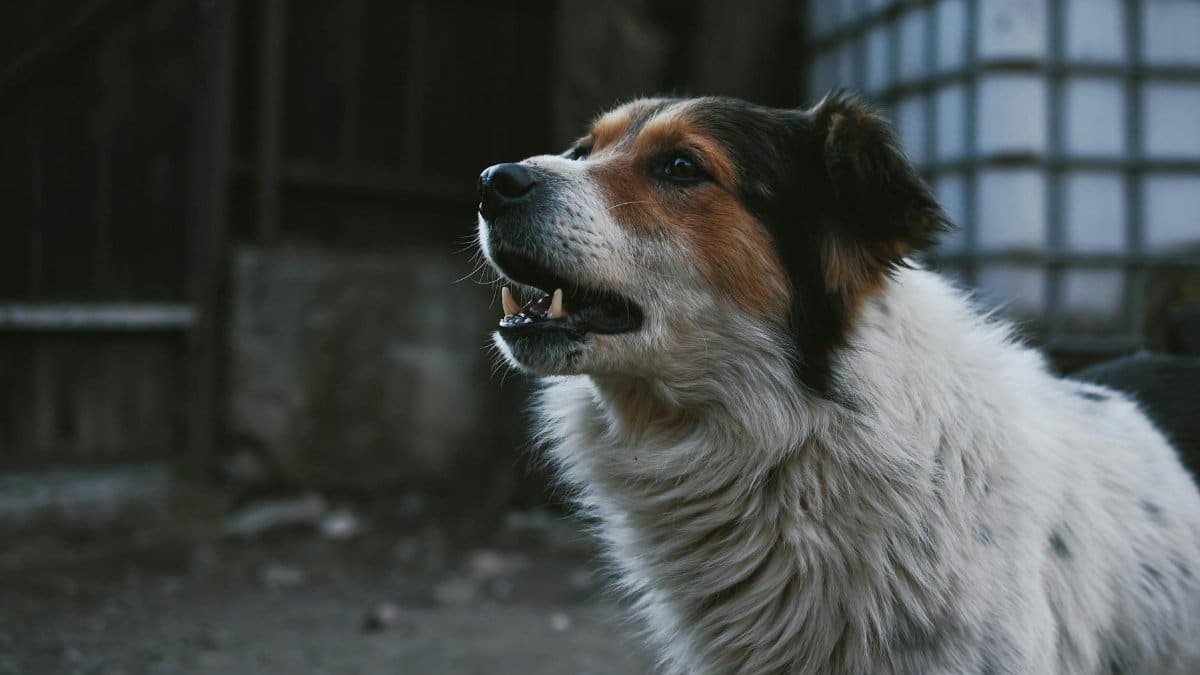
A dog’s bark at strangers or unusual noises offers more than security; it reassures owners, easing underlying fears. In Detroit’s neighborhoods, where safety concerns persist, this vigilance becomes a stress shield.
The ASPCA notes that such behaviors enhance feelings of safety, indirectly reducing chronic tension. Their resources on pet behavior affirm this protective role.
Envision a single parent in Warren, hearing her shepherd’s low growl at a distant siren. It affirms she’s not alone, allowing her to relax into sleep. This instinct, honed over generations, aligns with Michigan’s resilient spirit, from industrial roots to natural beauty.
Balance is key, though. Overly reactive dogs might heighten anxiety, so training tempers this into a reliable comfort. As urban renewal progresses in 2025, these behaviors could play a role in community well-being initiatives.
7. Mindful Walking Companionship
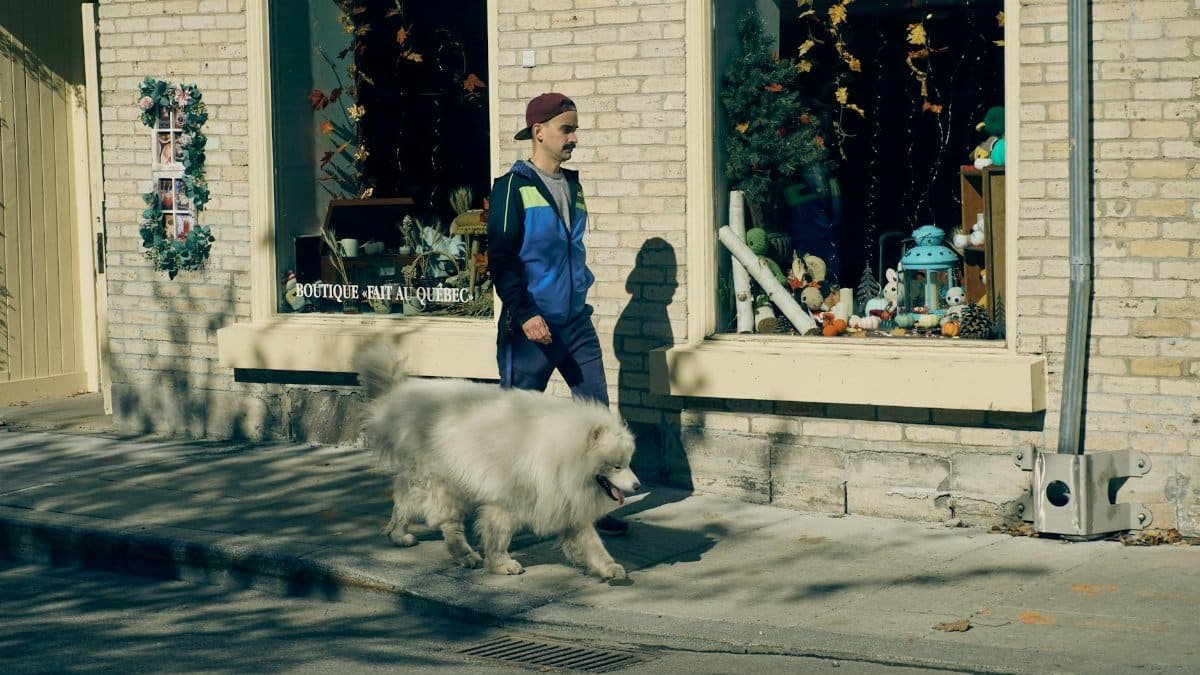
Daily walks with a dog force a rhythm of mindfulness, stepping away from mental clutter. Along Michigan’s trails in places like Sleeping Bear Dunes, the shared pace invites reflection.
A comprehensive review by the Mayo Clinic emphasizes how walking with pets improves mental health, with consistent activity lowering stress markers. Their health library supports this with evidence-based insights.
Consider an entrepreneur in East Lansing, leash in hand, as her terrier sniffs the path. The fresh air and deliberate steps unravel the day’s knots, sparking creative solutions. It’s not just exercise; it’s a moving meditation, especially potent against Michigan’s seasonal blues.
Challenges arise in inclement weather, but indoor alternatives maintain the habit. Ultimately, this behavior underscores dogs’ role in weaving calm into the fabric of life, proving that in the Wolverine State, stress reduction often starts with a wagging tail and a willing step forward.