
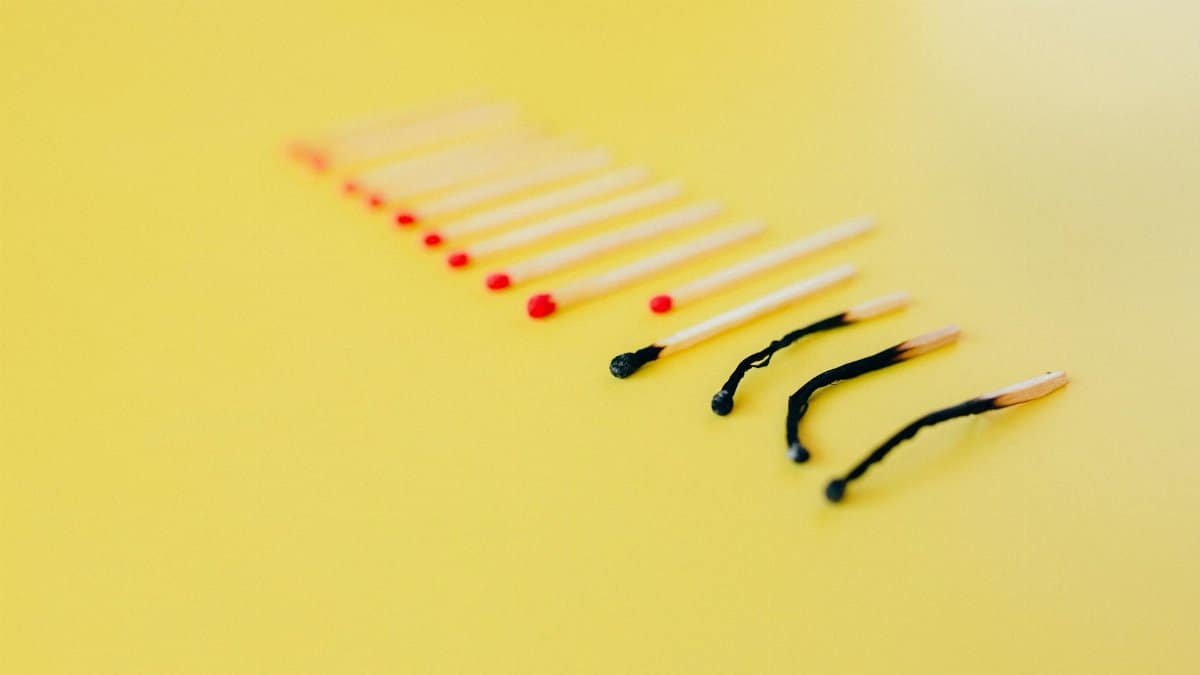
A recent study from the American Psychological Association found that nearly 60 percent of Americans report feeling overwhelmed by stress on a daily basis, a figure that’s climbed steadily over the past decade. This surge prompts a closer look at nature’s own stress signals. Animals, too, exhibit patterns that echo our human struggles with tension. From the frantic pacing of caged tigers to the huddled withdrawal of stressed birds, these behaviors offer a mirror to our own. Observing how animal patterns reflect human stress can provide unexpected insights into managing our emotional loads. In a world speeding toward 2025’s uncertainties, turning to these natural parallels might just help us navigate the chaos with a bit more grace.
1. The Restless Pacing of Predators

Big cats in captivity often pace back and forth along the edges of their enclosures. This repetitive motion isn’t just boredom; it’s a clear sign of stress. Tigers and lions, meant for vast territories, find their instincts cramped in zoos. Researchers at the Smithsonian’s National Zoo have documented how such confinement leads to elevated cortisol levels, much like humans trapped in high-pressure jobs. One observer noted a tiger named Raja who paced for hours after a noisy construction day nearby, his muscles tense, eyes darting. It’s a vivid parallel to the way office workers might fidget at desks during endless meetings, their minds racing with unspoken anxieties. This pattern highlights how restricted environments amplify inner turmoil for both species.
Yet, there’s a twist. In the wild, these predators channel stress into hunting bursts, releasing pent-up energy. Humans could learn from that, perhaps by incorporating short, intense workouts to break cycles of rumination. A study from the American Psychological Association’s stress resources emphasizes physical activity’s role in stress reduction, showing a 25 percent drop in anxiety symptoms among regular exercisers. Imagine applying this to daily life: instead of scrolling through stressful news feeds, a quick walk might mimic the tiger’s purposeful stride.
The nuance here lies in adaptation. Not all pacing signals distress; sometimes it’s anticipation. Distinguishing between the two requires observation, a skill that translates to self-awareness in people. As one wildlife biologist shared anonymously online, watching these animals helped her recognize her own stress habits, leading to better coping strategies.
2. Birds’ Feather-Plucking Habits
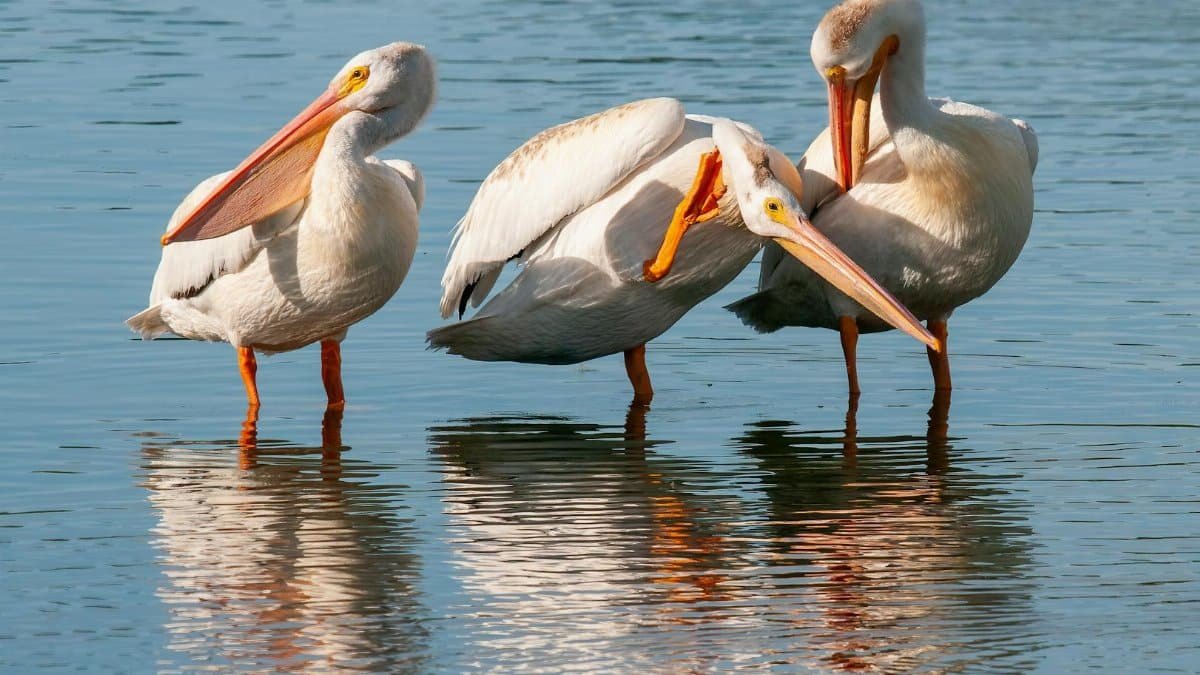
Picture a parrot in a quiet home, suddenly yanking out its own feathers. This self-destructive behavior, known as feather plucking, often stems from stress factors like isolation or environmental changes. In the avian world, it’s a cry for help, mirroring human tendencies toward nervous habits like nail-biting or hair-twirling under pressure.
Experts at the Cornell Lab of Ornithology have linked this to disrupted social bonds, similar to how loneliness spikes stress in people. One case involved a cockatoo that began plucking after its owner moved away for work, leaving it in a silent house. The bird’s bare patches grew as days passed, a stark visual of internal distress. Humans aren’t so different; a 2023 report from the Centers for Disease Control and Prevention noted rising rates of anxiety-related behaviors amid social isolation post-pandemic.
But recovery stories offer hope. Enriching the environment with toys and companionship can halt the plucking, much like therapy or social connections ease human stress. This pattern invites reflection on our own repetitive actions, urging us to address root causes rather than symptoms.
3. Herd Animals’ Stampede Responses
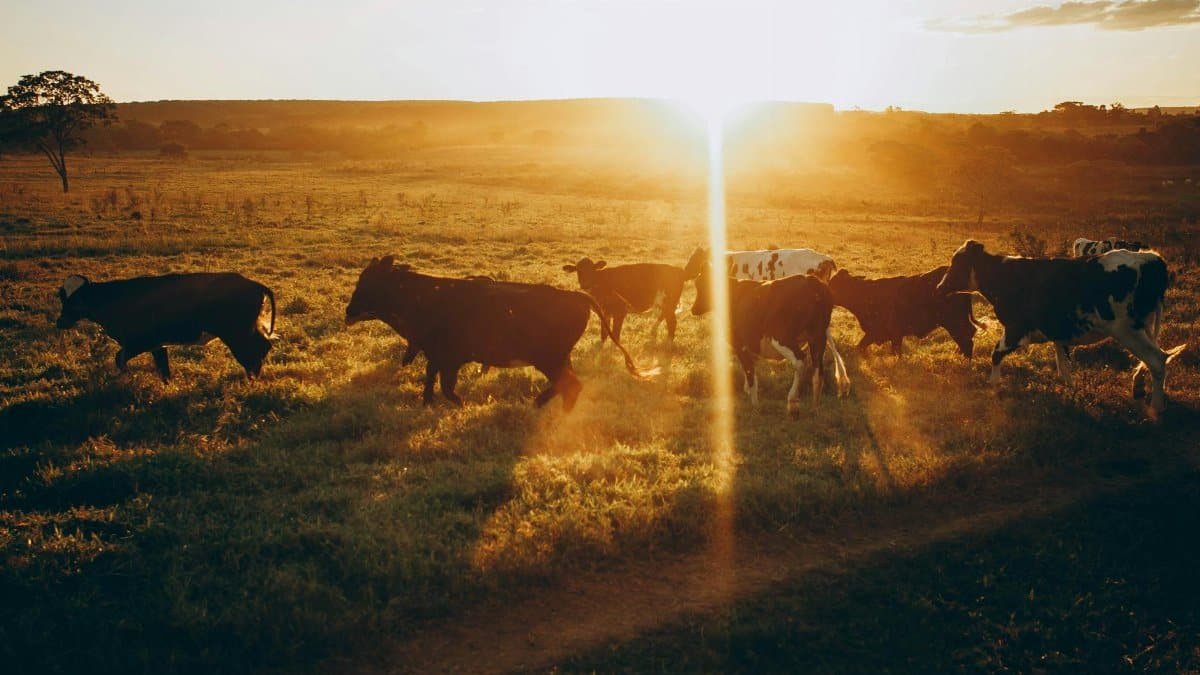
When danger looms, herds of wildebeest or buffalo don’t hesitate; they bolt in unison, a chaotic surge driven by collective fear. This stampede pattern reflects the panic that grips human crowds during crises, from stock market crashes to public emergencies.
In nature, it’s survival instinct amplified by group dynamics. A study published in the journal Animal Behaviour analyzed how stress hormones trigger these mass movements, finding that one startled animal can set off the whole group. Think of Black Friday sales turning into shoving matches, or online trends spiraling into widespread anxiety. In 2025, with social media amplifying fears, this parallel feels especially relevant.
One ranger in Yellowstone described witnessing a bison herd stampede after a distant thunderclap, dust clouds rising as they thundered away. It reminded him of urban commutes during rush hour, where one honk escalates into gridlock rage. Drawing from this, strategies like mindfulness could help break the cycle, as supported by research from the National Institutes of Health.
Interestingly, not all herd responses are frantic; some involve calm regrouping post-threat. This duality suggests humans might benefit from fostering community resilience amid stress.
4. Rodents’ Burrowing and Hiding
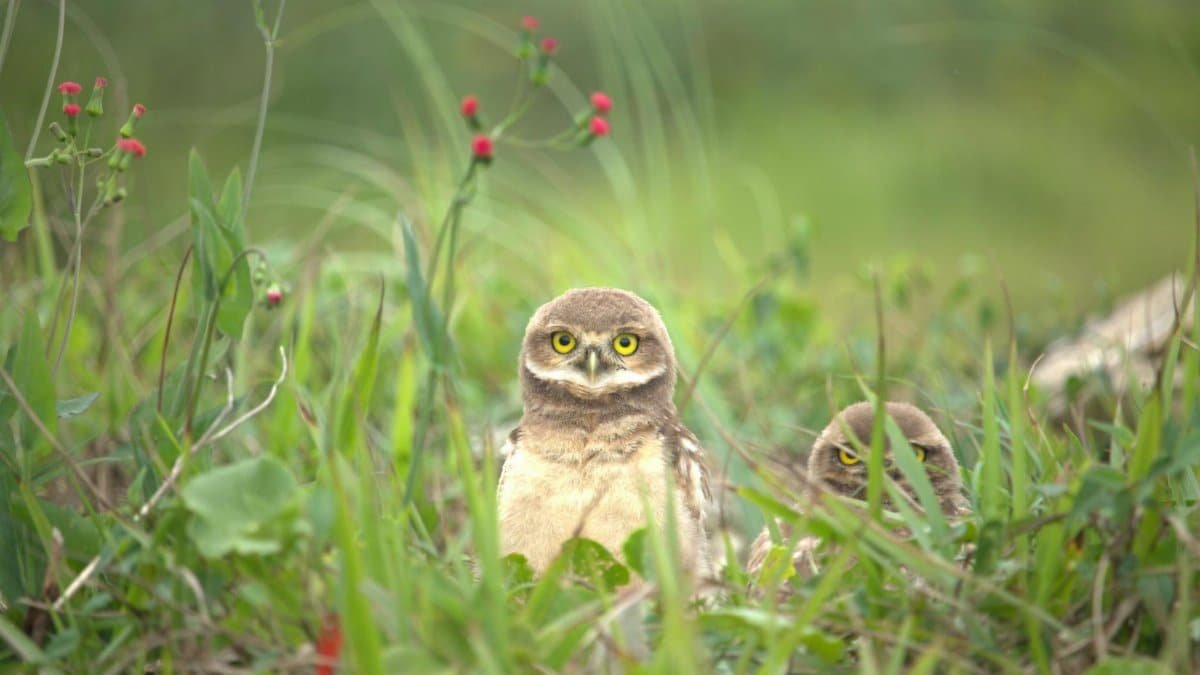
Mice and rabbits dig deeper burrows when stressed, seeking solace in seclusion. This withdrawal mirrors how humans retreat into isolation during tough times, perhaps binge-watching shows or avoiding calls.
Behavioral ecologists note that predators or overcrowding prompt this hiding, elevating stress indicators in lab settings. A poignant example comes from a field study where a family of rabbits vanished underground after a hawk’s shadow passed overhead, emerging only when safety returned. It’s akin to someone holing up after a bad day at work, curtains drawn.
Yet, prolonged hiding can worsen issues, for animals and people alike. The Pew Research Center’s analysis of pandemic-era surveys showed isolation correlating with higher depression rates. Breaking this pattern might involve gradual re-engagement, like animals testing the surface world.
This behavior also reveals creativity in coping; burrows aren’t just escapes but engineered safe spaces. Humans could emulate that by designing personal retreats that nurture rather than isolate.
5. Primates’ Aggressive Displays

Chimpanzees under stress often escalate to shouting and chest-beating, asserting dominance amid tension. This mirrors human outbursts in heated arguments or road rage incidents.
Primatologists at sanctuaries observe how resource scarcity fuels these displays, with cortisol spikes leading to conflicts. One troop in a research center grew agitated during a food shortage, leading to a cacophony of hoots and charges. It echoes workplace rivalries where stress ignites tempers.
But aggression isn’t always destructive; it can resolve hierarchies. Studies from the Jane Goodall Institute highlight reconciliation behaviors post-conflict, offering lessons in forgiveness. In American society, where stress-related violence makes headlines, understanding this could promote de-escalation techniques.
A volunteer once recounted calming a stressed chimp with gentle gestures, a moment that shifted her approach to family disputes. Such anecdotes underscore the potential for empathy to diffuse tension across species.
6. Fish Schooling Disruptions
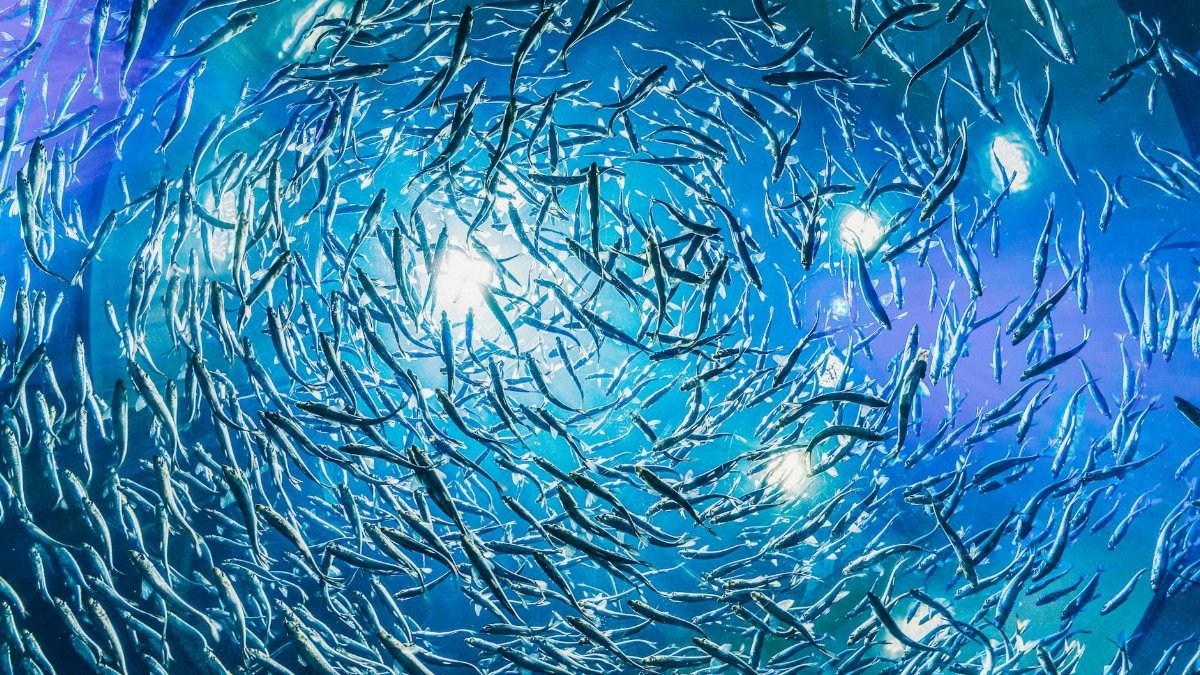
In aquariums, stressed fish break from tight schools, darting erratically. This fragmentation reflects how human social networks fray under pressure, like friendships strained by life’s demands.
Marine biologists attribute it to poor water quality or overcrowding, disrupting the safety of group movement. Imagine a school of sardines scattering at a predator’s approach, some isolating fatally. Similarly, people might withdraw from support systems during crises.
Research from the Monterey Bay Aquarium shows that restoring calm environments reunites schools, paralleling community programs that rebuild bonds. As remote work persists into 2025, this pattern warns of digital isolation’s toll.
One aquarist described a tank where introducing hiding spots reduced stress, allowing fish to regroup. It’s a simple fix with profound implications for human well-being.
7. Elephants’ Mourning Rituals

Elephants gather around fallen comrades, touching trunks and lingering, a ritual born of grief-induced stress. This communal mourning echoes human funerals, where shared sorrow provides solace.
Observations in African savannas reveal elevated stress in herds post-loss, with behaviors like trumpeting and guarding remains. A matriarch elephant was seen standing vigil over a calf’s body for days, her herd joining intermittently. It’s a powerful reflection of our own need for collective processing.
Yet, this pattern also shows resilience; elephants eventually move on, stronger in bonds. Insights from the Elephant Voices project suggest these rituals aid emotional recovery, much like therapy groups for humans. In a year like 2025, marked by ongoing global challenges, embracing such communal support could mitigate personal stress.
Reflecting on these animal patterns, it’s clear they offer more than metaphors; they provide practical mirrors for our lives. By observing and adapting, we might find new ways to ease the tensions that define modern existence.