

In a nation where nearly 20% of adults report experiencing anxiety or depression, according to recent data from the National Institute of Mental Health, the search for everyday strategies to steady our emotions has never been more pressing. A 2024 survey by the American Psychological Association found that stress levels remain elevated post-pandemic, with many turning to simple dietary tweaks for relief. This brings us to the concept of daily foods that support mood stability—those unassuming staples that, when incorporated regularly, might help buffer against emotional ups and downs. Far from miracle cures, these foods draw on nutrients backed by science to influence brain chemistry and inflammation. As we navigate the demands of midlife in 2025, from career pressures to family dynamics, understanding how what we eat can quietly bolster our mental equilibrium offers a practical edge. It’s not about overhauling your diet overnight, but weaving in these elements for subtle, sustained benefits.
1. Fatty Fish Like Salmon

Consider the omega-3 fatty acids in salmon, which play a key role in brain health. These compounds, particularly EPA and DHA, have been linked to lower rates of depression in numerous studies. One middle-aged woman in Seattle shared anonymously online how adding grilled salmon to her weekly meals helped her feel more even-keeled during a stressful job transition, describing it as “a gentle anchor amid the chaos.” Researchers suggest omega-3s reduce inflammation and support neurotransmitter function, which can stabilize mood swings.
Beyond anecdotes, evidence piles up. A meta-analysis published in the Journal of the American Medical Association found that regular fish consumption correlates with a 17% reduced risk of major depression. For those not fond of fish, supplements offer an alternative, though whole foods provide additional nutrients like vitamin D. In practice, aim for two servings a week—perhaps a simple pan-seared fillet with herbs. This isn’t just about nutrition; it’s about building habits that align with how our bodies naturally regulate emotions.
Yet, access varies. In urban areas, fresh salmon might be pricey, prompting some to opt for canned versions, which retain much of the benefit. As trends in 2025 lean toward sustainable sourcing, farms like those in Alaska emphasize eco-friendly practices, making this daily food support more appealing for environmentally conscious eaters.
2. Nuts and Seeds, Especially Walnuts
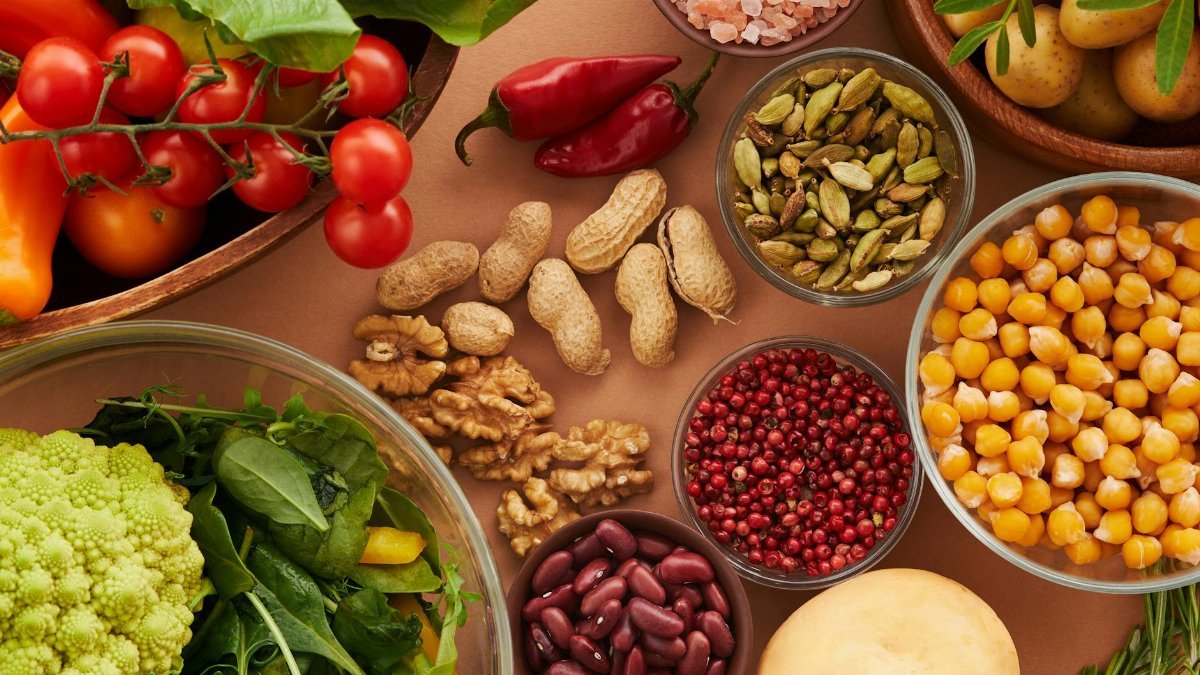
What if a handful of walnuts could quietly fortify your resilience against daily stressors? Packed with alpha-linolenic acid, a plant-based omega-3, walnuts stand out for their mood-supporting potential. Studies indicate they may enhance serotonin production, the brain chemical tied to feelings of well-being.
Picture a group of colleagues in a Chicago office, swapping snack ideas during a break. One mentions tossing walnuts into her morning yogurt, noting fewer afternoon slumps. This mirrors findings from a study by the National Institutes of Health, which explored how nut consumption influences cognitive function and mood in adults over 40. The research showed improved emotional regulation among regular consumers.
Diversify with almonds or chia seeds for variety, each bringing magnesium to calm the nervous system. Challenges arise for those with allergies, but alternatives like sunflower seeds fill the gap. Integrating these into routines—sprinkled on salads or eaten solo—turns a simple act into a pillar of daily foods that support emotional balance.
3. Berries, Such as Blueberries

Blueberries burst with antioxidants that combat oxidative stress, a factor in mood disorders. Their flavonoids cross the blood-brain barrier, potentially improving memory and reducing anxiety. A farmer’s market vendor in California recalls customers raving about the “mental clarity” from daily berry smoothies, highlighting a grassroots appreciation for these vibrant fruits.
Delving deeper, a longitudinal study from Harvard’s T.H. Chan School of Public Health, detailed in the Harvard Nutrition Source, links high berry intake to slower cognitive decline and better mood outcomes in middle-aged populations. Participants consuming berries several times a week reported fewer depressive symptoms.
Fresh or frozen, berries adapt easily to breakfasts or desserts. In 2025, with climate change affecting harvests, frozen options ensure year-round access. This flexibility makes berries a reliable choice for those seeking natural ways to support mood through diet, without the rigidity of strict regimens.
4. Dark Chocolate in Moderation

Dark chocolate, with its high cocoa content, contains compounds like phenylethylamine that stimulate endorphin release, mimicking a natural high. It’s not indulgence for its own sake; science backs its role in mood enhancement.
Imagine unwinding after a long day with a square of 70% dark chocolate, feeling a subtle lift. This echoes results from a randomized trial in the Journal of Psychopharmacology, where participants experienced reduced stress after consuming dark chocolate daily for two weeks.
Balance is key—overdoing it can lead to sugar crashes. Pair it with nuts for sustained energy. As consumer preferences shift toward ethical sourcing in 2025, brands focusing on fair-trade cocoa gain traction, aligning pleasure with purpose in daily foods that support well-being.
5. Fermented Foods Like Yogurt
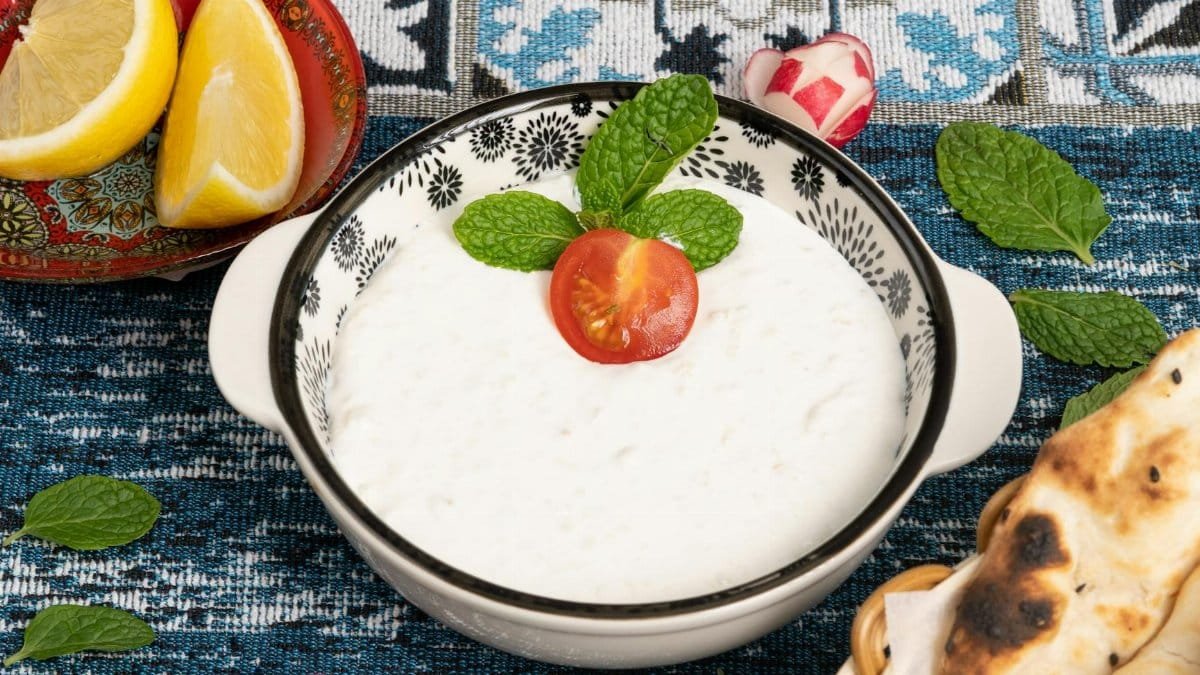
The gut-brain axis underscores why fermented foods matter for mood. Yogurt teems with probiotics that foster healthy gut bacteria, influencing serotonin levels since much of this neurotransmitter originates in the intestines.
A New York retiree described in a public forum how plain Greek yogurt became her go-to for curbing irritability, saying it “settled more than just my stomach.” Supporting this, a review by the Centers for Disease Control and Prevention on dietary patterns notes correlations between probiotic intake and lower anxiety scores.
Experiment with kefir or kimchi for variety. Cultural trends in 2025 see fermented foods rising in popularity, from homemade batches to store-bought options, making them accessible for busy lifestyles.
6. Leafy Greens Such as Spinach
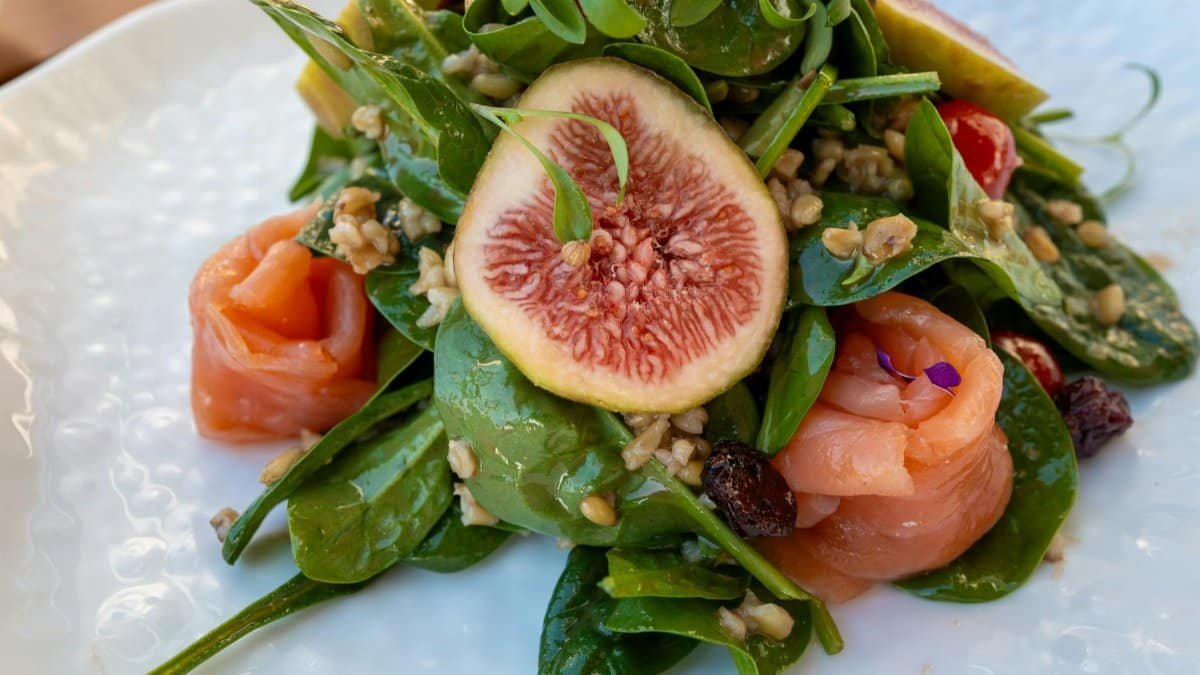
Spinach delivers folate, a B-vitamin crucial for dopamine and serotonin synthesis. Deficiencies link to higher depression risks, making greens a foundational element in mood-supportive eating.
During a community workshop in Texas, participants shared recipes for spinach salads, crediting them with steady energy through hectic weeks. This aligns with findings from the American Journal of Clinical Nutrition, accessible via Oxford Academic, where folate-rich diets reduced mood disorder prevalence.
Incorporate into smoothies or sautés. With urban farming on the rise in 2025, fresh greens become more attainable, reinforcing their place in daily routines that nurture emotional stability.
7. Whole Grains Like Oats
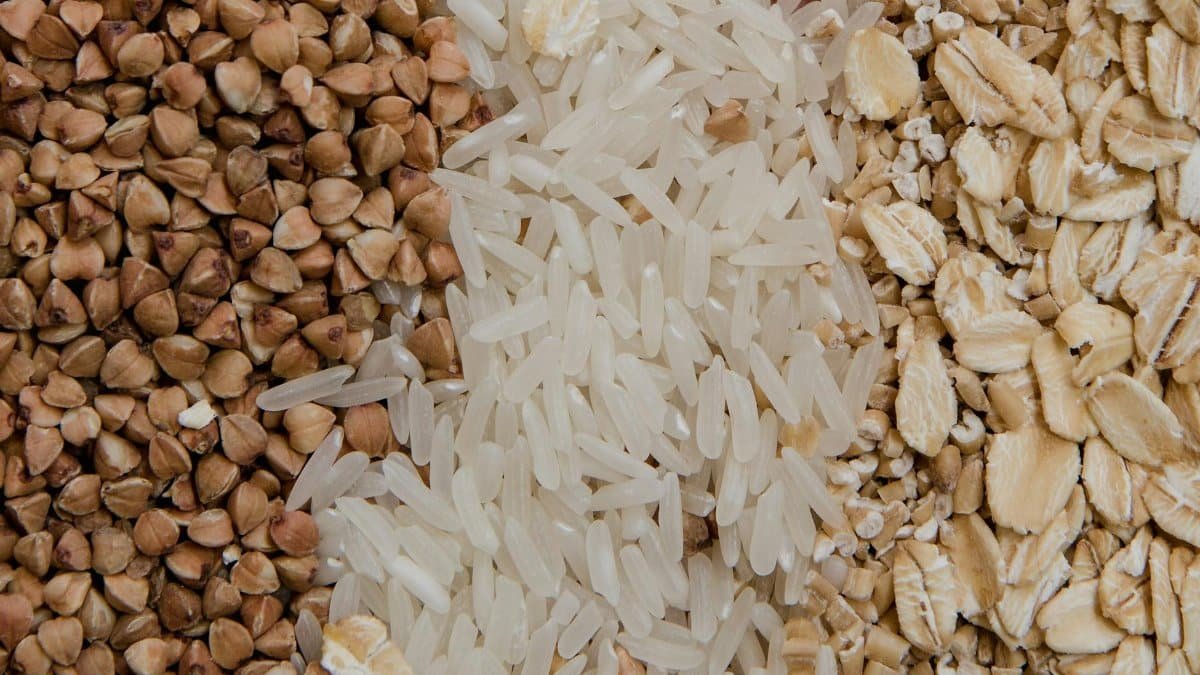
Oats provide complex carbohydrates that stabilize blood sugar, preventing mood dips from energy crashes. Their fiber also supports gut health, tying back to overall mental wellness.
Think of starting the day with oatmeal, a ritual that sets a calm tone. Research from Tufts University, outlined in their Human Nutrition Research Center on Aging, shows whole grain consumption associates with better emotional health in older adults.
Variety includes quinoa or brown rice. As dietary guidelines evolve in 2025, emphasizing whole grains for mental benefits, they emerge as an easy, versatile component of daily foods that support mood.
Wrapping these foods into everyday meals isn’t about perfection. It’s about incremental choices that accumulate, offering a buffer in our often turbulent lives. With ongoing research illuminating these connections, the potential for dietary tweaks to enhance mood stability grows ever clearer.