
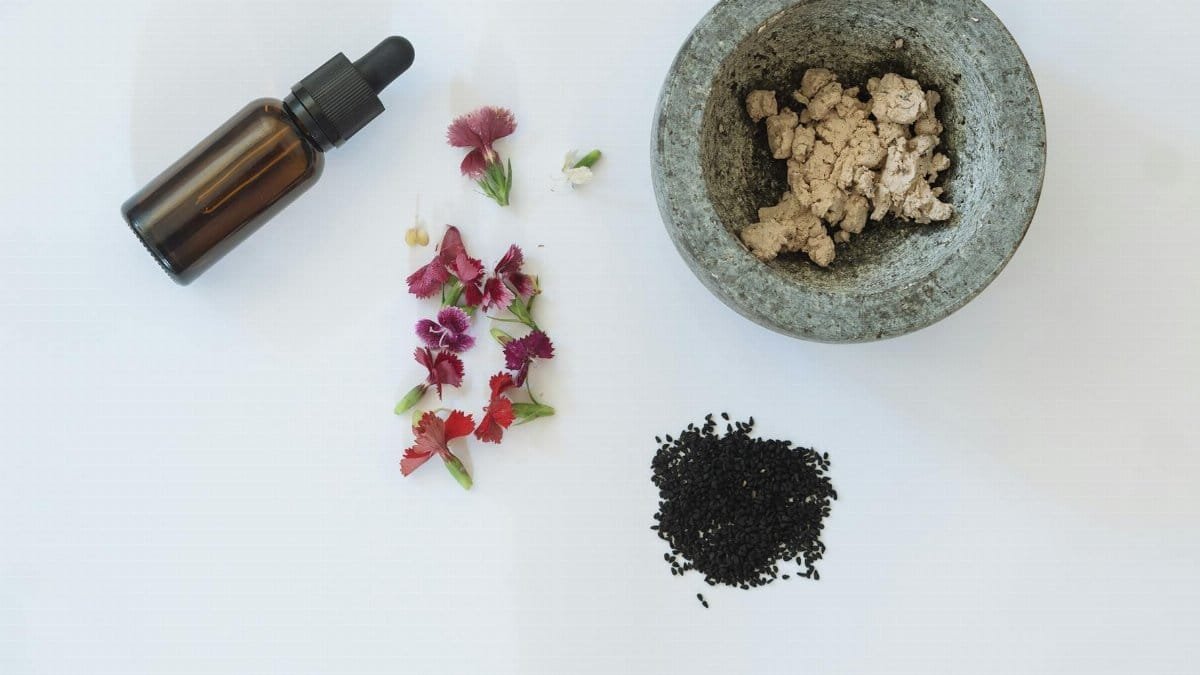
A recent study from the National Institutes of Health revealed that nearly 40 percent of Americans report using natural remedies for stress relief, a figure that’s climbed steadily over the past decade amid rising burnout rates. This surge reflects a broader cultural shift toward seeking solace in simpler, earth-derived solutions rather than pharmaceutical fixes. In bustling cities like New York or Los Angeles, wellness shops brim with tinctures and teas promising calm, tapping into an age-old desire for balance in our hectic lives. But what if these natural ingredients to improve relaxation aren’t just trends, but backed by science and tradition? As we navigate 2025’s demands, from endless notifications to work pressures, exploring these options could offer a gentle path to unwinding. This piece delves into six such ingredients, drawing on research and real-life insights to show how they might ease the mind and body without overwhelming side effects.
1. Lavender’s Soothing Aroma
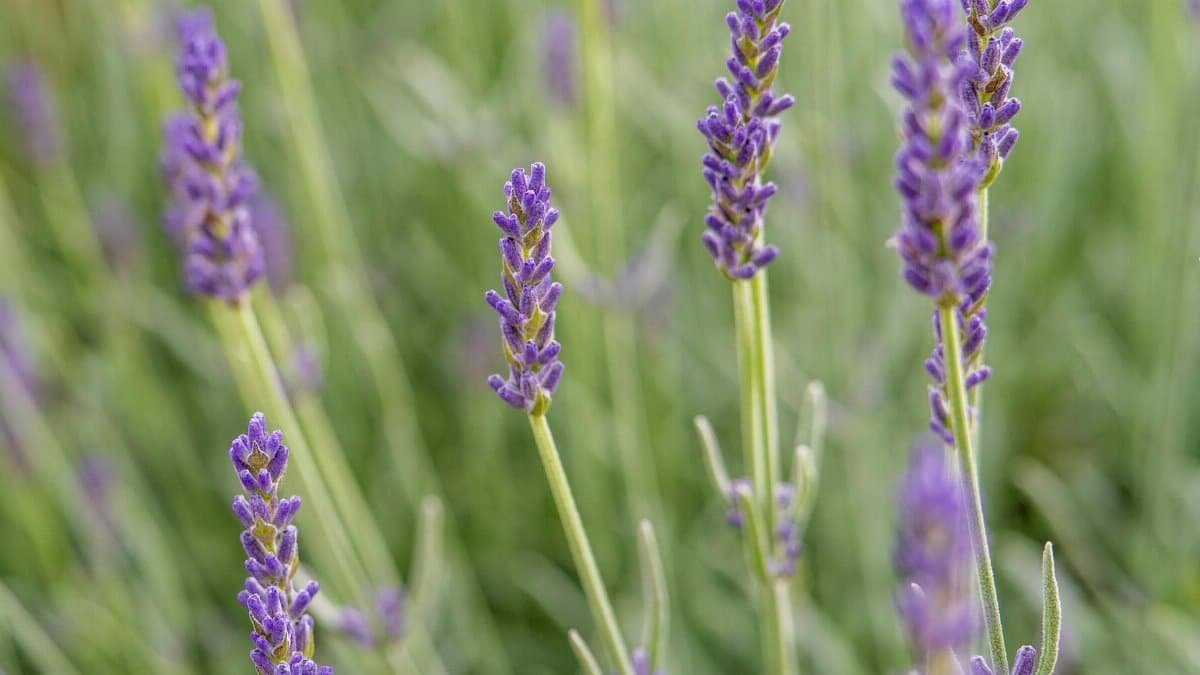
Lavender has long held a spot in the pantheon of calming herbs, its purple blooms evoking fields in Provence or quiet gardens back home. Start with this: imagine inhaling its floral scent during a tense afternoon, and suddenly the edges of stress soften. Research supports this instinctive pull. A study published in the journal Frontiers in Behavioral Neuroscience found that lavender oil inhalation reduced anxiety in participants facing stressful tasks, likely by influencing the brain’s limbic system.Frontiers in Behavioral Neuroscience Study details how compounds like linalool interact with neurotransmitters to promote relaxation.
Yet, it’s not all clinical. One woman, sharing anonymously in online discussions, described diffusing lavender essential oil in her home office as a ritual that transformed her workdays. “It was like flipping a switch,” she noted, turning chaos into focus. Of course, quality matters; opting for pure, organic sources avoids synthetic additives that could irritate. In everyday use, add a few drops to a bath or pillow, letting the aroma weave into your routine. This isn’t about magic, but a subtle nudge toward tranquility, especially for those middle-aged readers juggling careers and family.
Broader trends in 2025 show lavender popping up in everything from teas to skincare, reflecting a return to natural ingredients to improve well-being. Still, moderation is key, as overuse might lead to skin sensitivity in some.
2. Chamomile’s Gentle Embrace

What draws people to chamomile? Often, it’s the memory of a warm cup on a chilly evening, steam rising like a soft invitation to pause. This daisy-like flower, with its apple-scented notes, has been a go-to for relaxation since ancient times, and modern science echoes that wisdom. According to a review by the University of Maryland Medical Center, chamomile’s apigenin binds to brain receptors, mimicking the effects of anti-anxiety medications without the grogginess. Dive into the University of Maryland Medical Center Review for a closer look at its sedative properties.
Picture a busy parent in suburban Chicago, winding down after dinner with a chamomile infusion. It’s not dramatic, but effective, helping quiet the mental chatter that builds up. In one illustrative snapshot, a forum post recounted how switching to chamomile tea before bed cut nighttime worries in half, fostering deeper sleep. Such stories highlight its accessibility; brew it fresh or grab bags from the grocery aisle. For those exploring natural ingredients to improve relaxation, chamomile stands out for its mildness, ideal if you’re sensitive to stronger herbs.
That said, it’s worth noting potential allergies, especially for ragweed sufferers. As wellness evolves, chamomile remains a staple, blending tradition with evidence-based calm.
3. Valerian Root’s Deep Calm

Valerian root digs deeper, literally and figuratively, with its earthy roots harvested for centuries to combat insomnia and tension. Unlike quicker fixes, it builds over time, encouraging a profound sense of rest. A clinical trial from the National Center for Complementary and Integrative Health showed valerian improving sleep quality in adults, possibly by increasing GABA levels in the brain. Check the NCCIH Valerian Fact Sheet for comprehensive insights.
Envision someone in their forties, facing midlife sleep disruptions, turning to valerian capsules as a nightly ally. It doesn’t knock you out but eases you into slumber, as one anonymous account shared: “After weeks, I woke feeling restored, not foggy.” This resonates in 2025’s sleep-deprived culture, where natural alternatives gain traction. Integrate it via teas or supplements, but consult a doctor if on medications, as interactions can occur.
The plant’s pungent smell might surprise newcomers, yet its benefits often outweigh that quirk, making it a solid choice among natural ingredients to improve overall relaxation.
4. Magnesium’s Mineral Magic

Shifting gears, magnesium isn’t an herb but a vital mineral found in foods like spinach and almonds, playing a key role in muscle relaxation and nerve function. Deficiency is common in the U.S., contributing to stress, so replenishing it naturally can make a difference. The Harvard T.H. Chan School of Public Health notes that adequate magnesium intake supports better stress management and sleep. Explore more at Harvard T.H. Chan School of Public Health on Magnesium.
Think of it this way: a desk worker in Atlanta, munching on magnesium-rich nuts during breaks, notices tension easing without fanfare. It’s subtle, yet powerful, as echoed in shared experiences where dietary tweaks led to calmer days. For variety, try Epsom salt baths, absorbing magnesium through the skin. This approach fits seamlessly into routines, appealing to those seeking natural ingredients to improve relaxation through everyday nutrition.
While supplements exist, food sources are preferable to avoid excess, which could upset digestion. In a world of quick fixes, magnesium reminds us of the body’s innate tools for balance.
5. Ashwagandha’s Adaptive Power

Ashwagandha, an adaptogenic herb from Ayurvedic traditions, helps the body adapt to stress, reducing cortisol levels over time. It’s gaining fans in the West for its resilience-boosting effects. A study in the Journal of Alternative and Complementary Medicine demonstrated its ability to lower anxiety scores significantly. For details, see the Journal of Alternative and Complementary Medicine Study.
Consider a narrative from Seattle: a professional incorporating ashwagandha powder into smoothies reports feeling more equipped for daily pressures. “It steadied me,” they reflected, without the jitters of caffeine. Such adaptations highlight its role in modern wellness, especially as 2025 brings new uncertainties. Start with low doses in teas or capsules, building tolerance.
Potential side effects like stomach upset exist, so mindfulness is essential. Among natural ingredients to improve relaxation, ashwagandha offers a proactive edge, blending ancient wisdom with contemporary needs.
6. Lemon Balm’s Uplifting Ease
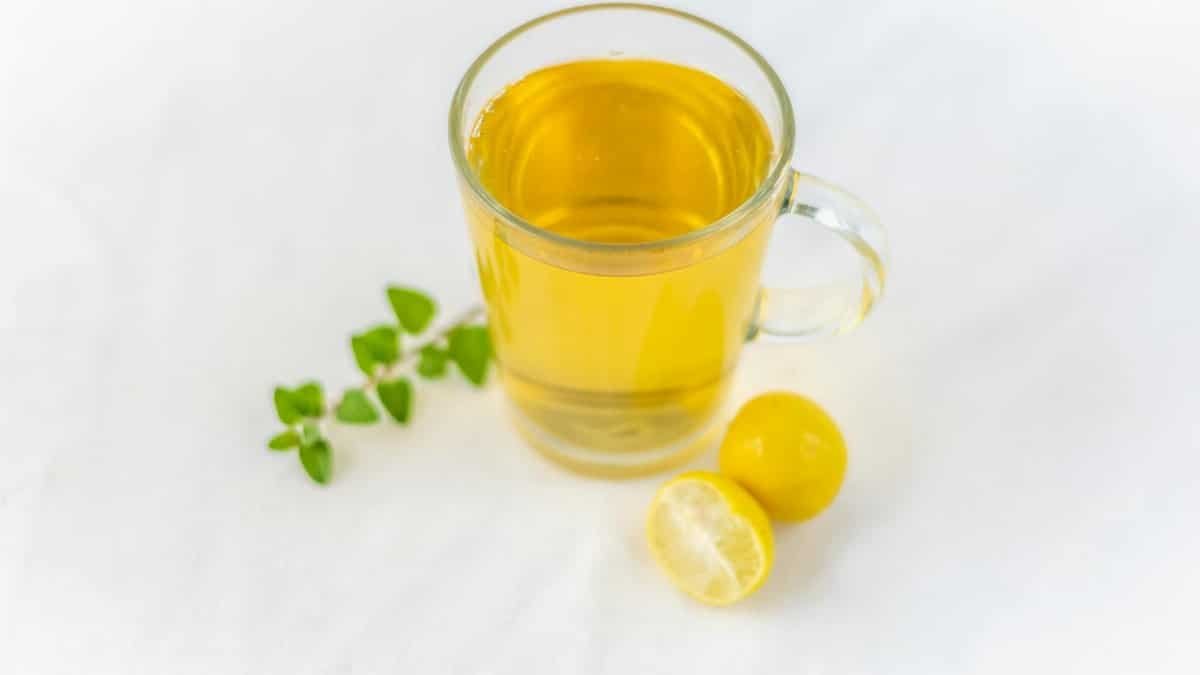
Rounding out the list, lemon balm brings a citrusy lift to relaxation, its leaves used in teas to soothe nerves and enhance mood. Historically a monastic favorite, it now shines in studies for mild anxiety relief. Research from the University of Michigan Health System indicates it modulates GABA receptors, promoting calm. Learn more via University of Michigan Health on Lemon Balm.
Here’s a vivid scene: friends in a Denver backyard, sipping lemon balm infusion as evening falls, conversations flowing easier amid the herb’s gentle influence. One might say it lightens the load, as online shares often describe a subtle mood shift without heaviness. This makes it versatile for daytime use, unlike sleepier options.
Growing your own adds a personal touch, connecting users to nature directly. As we consider natural ingredients to improve relaxation in 2025, lemon balm stands as an accessible, bright option, encouraging exploration of these time-tested aids.