

A recent study from the National Institutes of Health revealed that nearly 40% of Americans report using herbal supplements for stress relief, a number that’s climbed steadily over the past decade amid rising anxiety levels. This surge highlights a growing turn toward natural remedies in a fast-paced world. As daily pressures mount, from work demands to digital overload, many seek ways to foster inner peace without relying solely on pharmaceuticals. Enter the realm of herbs that support inner calm, time-tested plants that have been part of traditional wellness practices for centuries. These botanicals offer gentle aid in soothing the mind and body, promoting relaxation and emotional balance. But what makes them effective, and which ones stand out? This exploration delves into nine such herbs, drawing on scientific insights and real-life applications to show how they might fit into modern routines.
1. Chamomile
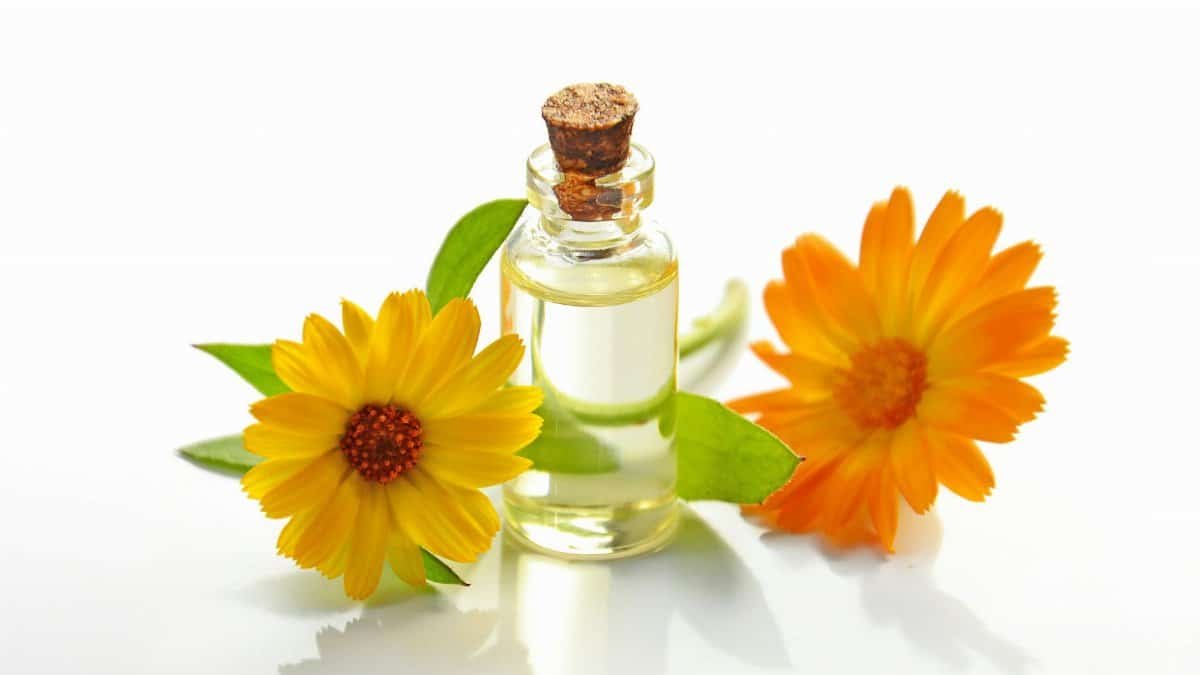
Chamomile stands as a gentle giant in the world of calming herbs. People often reach for a steaming cup of chamomile tea before bed, and for good reason. This daisy-like flower contains compounds like apigenin, which bind to brain receptors in ways that promote relaxation. Research backs this up; a study published in the journal Phytotherapy Research found that chamomile extract significantly reduced symptoms of generalized anxiety disorder in participants over eight weeks. Imagine a harried parent winding down after a chaotic day, the floral scent filling the kitchen as tension melts away. It’s not just folklore. In bustling U.S. cities like New York, wellness cafes now feature chamomile-infused lattes, tapping into this herb’s soothing legacy. Yet, it’s worth noting potential allergies for those sensitive to ragweed. Overall, chamomile invites a simple ritual that nurtures inner quiet amid life’s noise.
2. Lavender
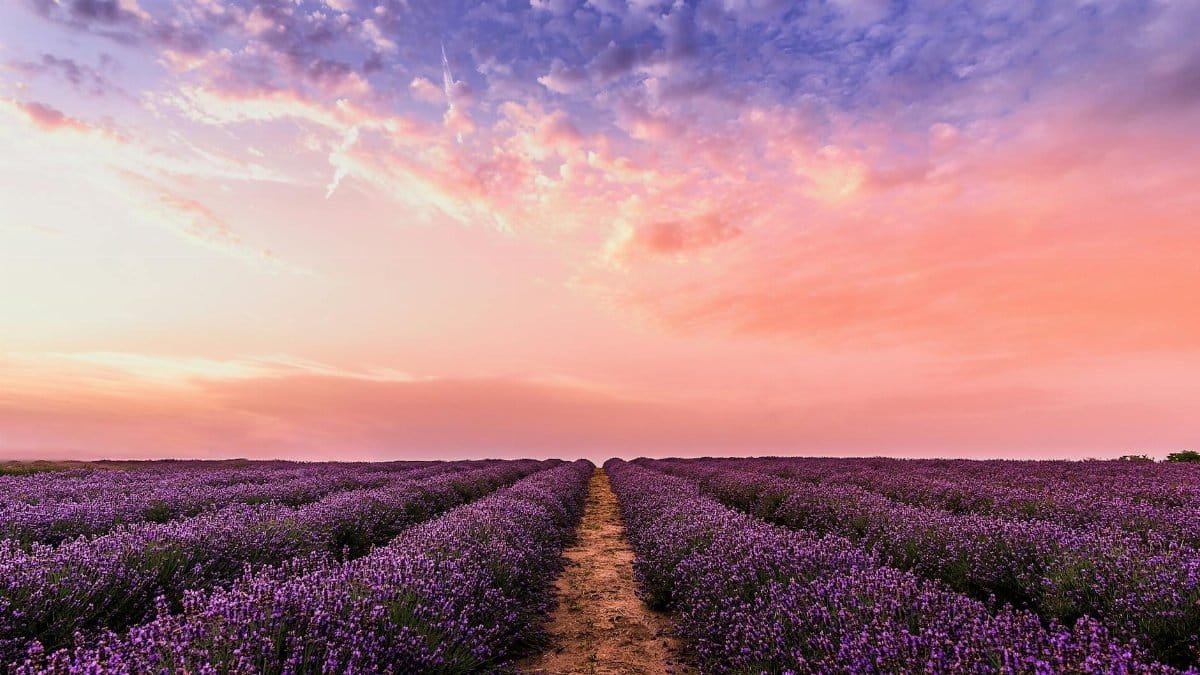
Picture the purple fields of Provence, but closer to home, lavender thrives in American gardens and essential oil bottles alike. Its aroma alone can transport someone to a calmer state. Essential oils from lavender have shown promise in easing stress, with a meta-analysis from the National Library of Medicine indicating reduced anxiety in clinical settings. One anonymous account shared publicly online described diffusing lavender oil during a high-stakes work call, feeling the edge soften almost immediately. This herb works by influencing the nervous system, lowering heart rates and promoting better sleep. In the U.S., it’s popped up in everything from pillows to bath salts, reflecting a broader trend toward sensory self-care in 2025. Still, quality matters; opt for pure sources to avoid synthetic dilutions. Lavender doesn’t demand much, just a whiff or a drop, to support that elusive inner calm.
3. Valerian Root
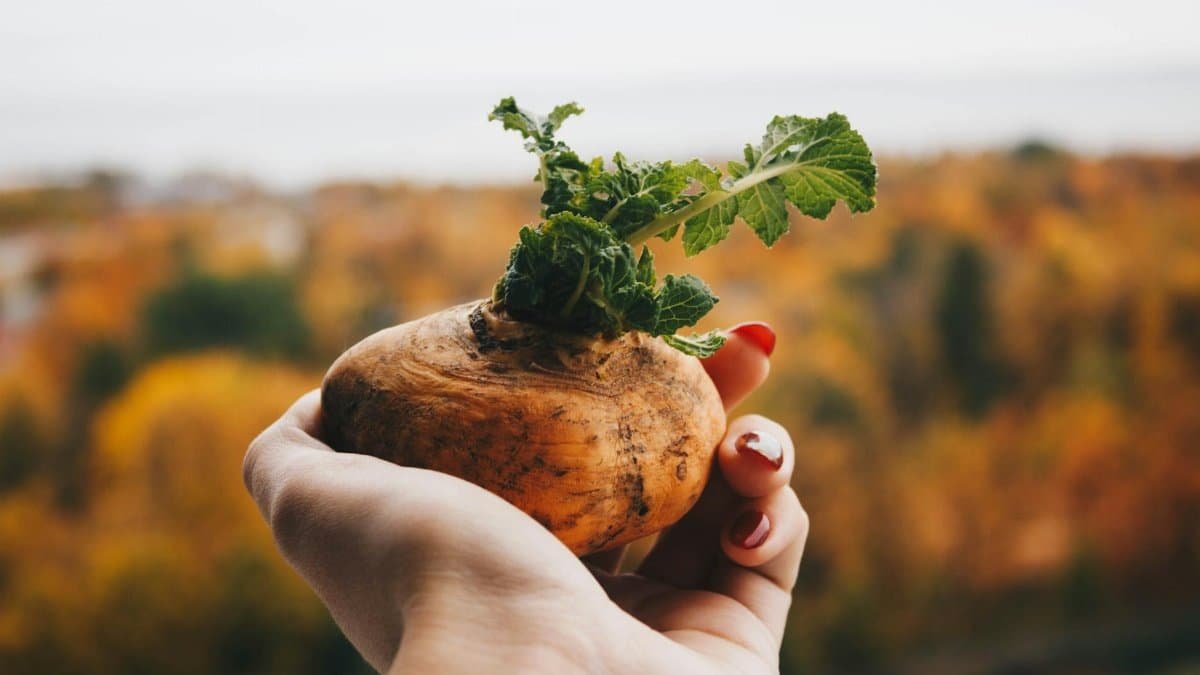
Valerian root digs deep into history, used by ancient Greeks for insomnia and now by modern insomniacs seeking respite. Unlike quick fixes, it builds calm over time, enhancing GABA levels in the brain for a sedative effect. A review in the American Journal of Medicine noted its efficacy in improving sleep quality without morning grogginess. Consider a middle-aged professional tossing at night over deadlines; incorporating valerian tea becomes a quiet rebellion against sleeplessness. It’s earthy, almost pungent, but that rawness underscores its potency. In the Midwest, herbalists blend it with other roots for custom tinctures, aligning with a resurgence in natural remedies. However, it can interact with medications, so consulting a doctor is key. Through consistent use, valerian fosters a foundation for inner tranquility that feels earned, not imposed.
4. Ashwagandha

Ashwagandha, an adaptogen from Ayurvedic traditions, adapts to the body’s needs, particularly in combating stress. It lowers cortisol levels, as evidenced by a randomized trial in the Journal of Alternative and Complementary Medicine, where participants reported less anxiety after 60 days. This herb resonates with those juggling careers and family, offering resilience without overstimulation. A brief snapshot: someone in a crowded Chicago subway, popping an ashwagandha capsule to steady nerves before a big meeting. Its rise in U.S. supplement aisles speaks to a cultural shift toward proactive wellness. Yet, it’s not for everyone; pregnant individuals should steer clear. Ashwagandha embodies a holistic approach, supporting inner calm by bolstering the body’s natural defenses against daily chaos.
5. Lemon Balm
Lemon balm brings a citrusy brightness to the calm equation, often overlooked but powerfully effective. Belonging to the mint family, it calms nerves and uplifts mood through compounds that inhibit stress enzymes. Studies, including one from the University of Maryland Medical Center archives, suggest it reduces agitation and promotes relaxation. Envision a teacher at the end of a long school day, brewing lemon balm tea to shake off the mental clutter. In Southern states, it’s grown easily in backyards, integrating into homemade remedies. This herb’s versatility shines in teas or salves, making it accessible for beginners. Side effects are rare, but moderation prevents digestive upset. Ultimately, lemon balm offers a fresh path to inner support, blending flavor with function.
6. Passionflower
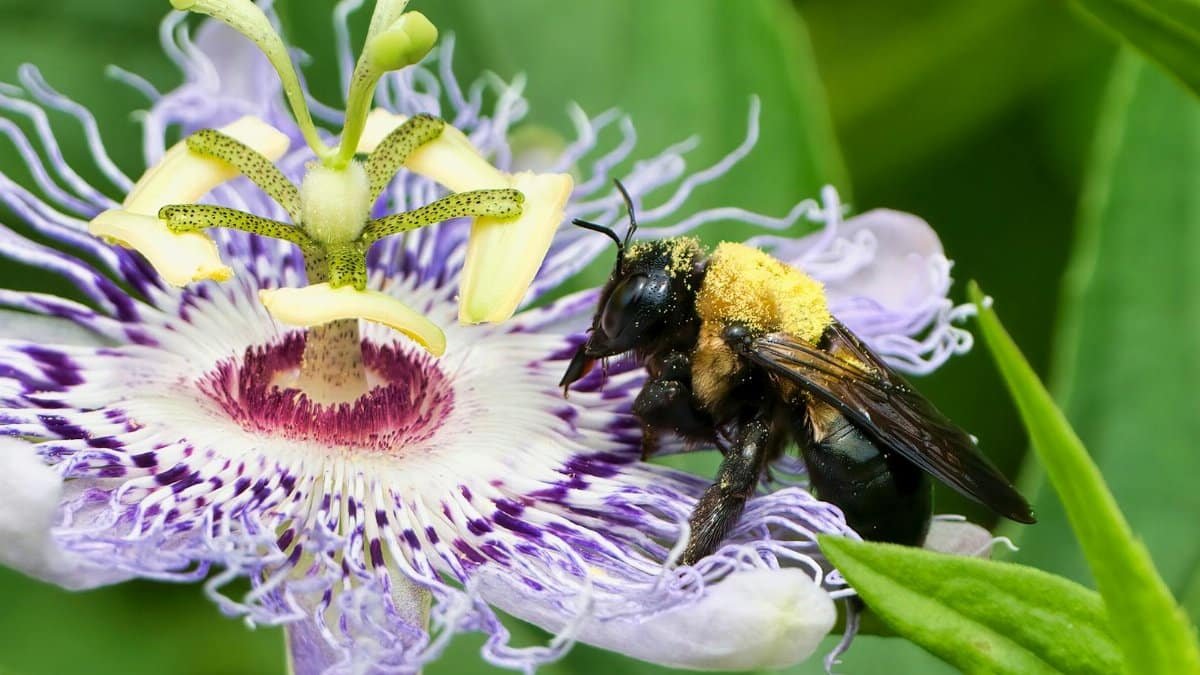
Passionflower climbs into the spotlight with its intricate blooms and calming prowess. Native to the Americas, it’s been a go-to for anxiety in herbal medicine. Research in the journal Anesthesia & Analgesia showed it comparable to pharmaceuticals for preoperative calm. It’s like nature’s tranquilizer, boosting GABA without heavy sedation. Think of a veteran dealing with post-traumatic echoes, finding solace in passionflower supplements during therapy sessions. In the Pacific Northwest, foragers incorporate it into wildcrafted blends, highlighting regional biodiversity. However, it may cause drowsiness, so timing matters. Passionflower weaves tradition with science, providing a vine of support for those seeking inner equilibrium in turbulent times.
7. Holy Basil
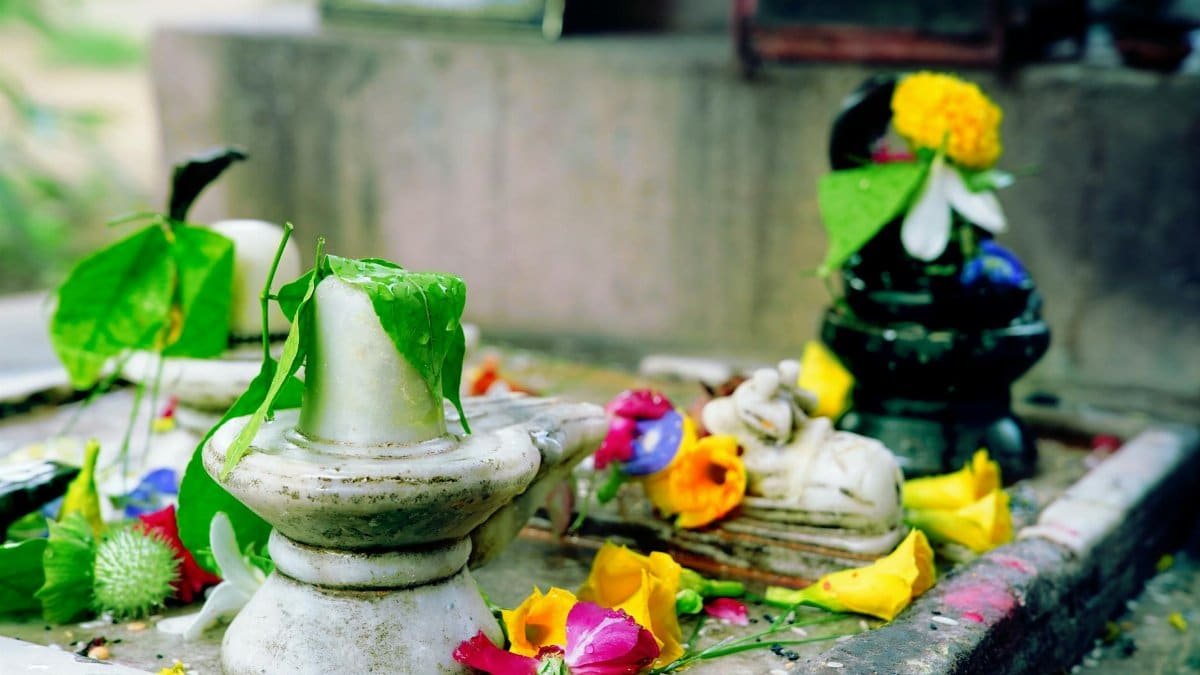
Holy basil, or tulsi, carries a sacred aura from Indian traditions, now embraced in the West for stress relief. As an adaptogen, it modulates hormones and fights inflammation, per findings in the Evidence-Based Complementary and Alternative Medicine journal. Users often report clearer minds and steadier emotions. A real-life echo: an entrepreneur amid startup frenzy, sipping tulsi tea to center thoughts before pitches. Urban farms in cities like Los Angeles cultivate it, tying into sustainable living trends. It’s potent, so start low to gauge effects. Holy basil invites reverence, supporting inner calm through a lens of holistic vitality.
8. Rhodiola

Rhodiola rosea thrives in cold climates, much like the resilience it imparts. This herb enhances mental stamina, reducing fatigue and anxiety as shown in a Phytomedicine study. It balances neurotransmitters, offering a lift without jitters. Imagine a remote worker in Alaska, using rhodiola to combat seasonal blues and maintain focus. Its popularity surges in fitness circles for recovery, reflecting 2025’s emphasis on mental endurance. Caution for those with bipolar conditions, as it can energize intensely. Rhodiola stands as a hardy ally, fostering inner support against burnout’s chill.
9. Peppermint

Peppermint rounds out the list with its invigorating yet soothing profile. While known for digestion, it also eases tension headaches and mental fog through menthol’s cooling effect. A study in the International Journal of Neuroscience linked peppermint aroma to improved alertness and calm. It’s everyday magic: a student inhaling peppermint oil during exams, feeling clarity cut through stress. Widely available in teas or gums across U.S. stores, it democratizes herbal relief. Rare irritations aside, peppermint refreshes the pursuit of inner calm, proving simplicity can be profound.