
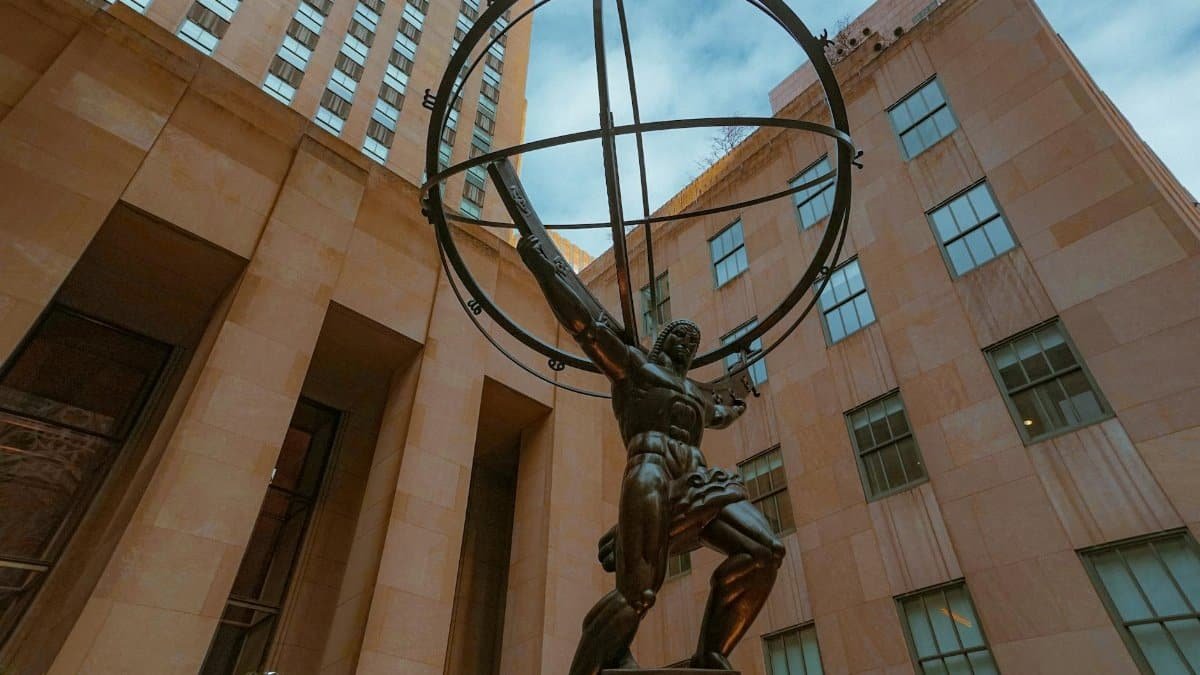
In a bustling metropolis like New York, where the pace never seems to slacken, a surprising statistic emerges from recent research: nearly 40% of urban dwellers report feeling less stressed after brief interactions with animals, according to a 2023 study by the American Psychological Association. This isn’t just about petting a dog in Central Park; it’s about subtle animal cues that prompt us to pause amid the chaos. Think of birds flitting between skyscrapers or squirrels darting across sidewalks—these everyday sightings can act as natural brakes on our hurried lives. As we navigate 2025’s relentless demands, understanding these animal, people connections offers a fresh lens on slowing down. Far from mere distractions, they tap into deeper instincts, reminding us that harmony with the natural world isn’t a luxury but a necessity for mental well-being in the concrete jungle.
1. The Pigeon’s Unhurried Strut
Amid the frenzy of Times Square, a pigeon pecks at crumbs with deliberate calm, oblivious to the swirling crowds. This simple sight can jolt us out of autopilot. Researchers at Columbia University have noted how such observations trigger a momentary mindfulness, reducing cortisol levels by up to 15% in stressed individuals. It’s not about idolizing the bird; rather, its steady rhythm contrasts sharply with our own rushed steps, inviting a mental reset. One New Yorker, weaving through Midtown traffic, paused to watch a flock and later described it as “a tiny rebellion against the grind.” In a city where every second counts, these feathered locals model a pace that’s sustainable, not sluggish.
Extending this idea, urban wildlife experts point out that pigeons, often dismissed as pests, embody resilience in chaotic environments. A report from the New York City Parks Department highlights their adaptive behaviors, which parallel how humans might reclaim calm. Next time you’re dodging pedestrians, let a pigeon’s strut remind you that slowing down doesn’t mean falling behind—it’s about finding balance in the bustle.
2. Squirrels’ Playful Foraging
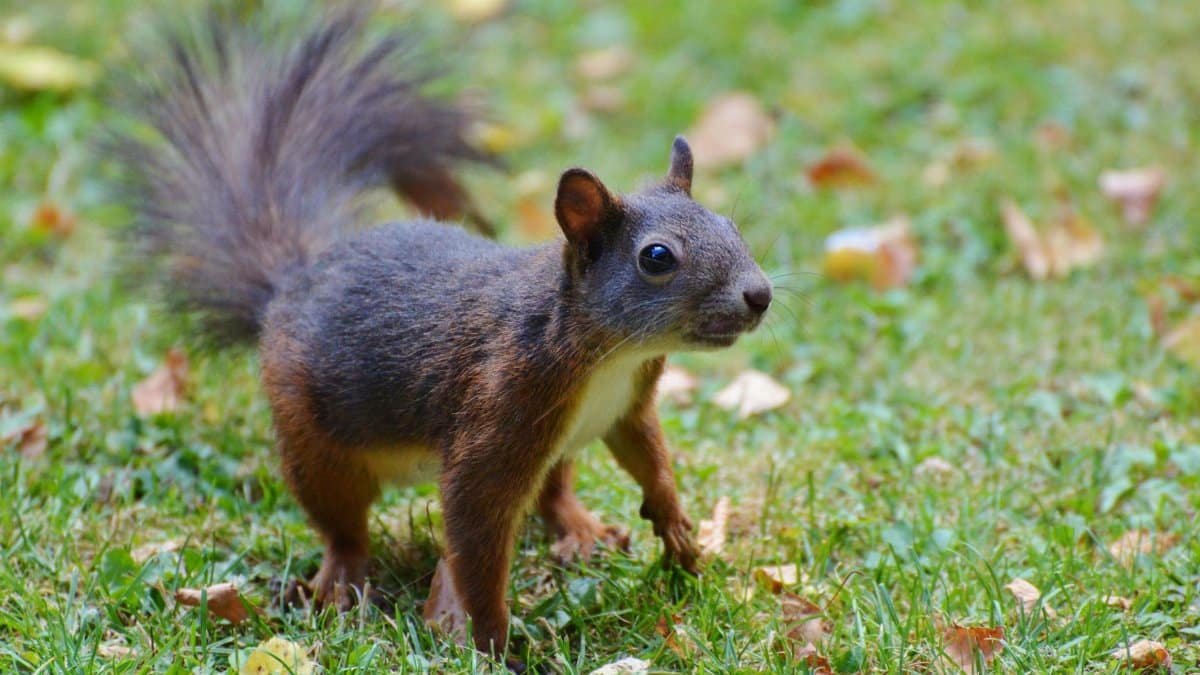
Picture a squirrel in Washington Square Park, scampering up a tree with an acorn, its movements a blend of purpose and whimsy. This playful foraging isn’t random; it’s a cue that encourages observers to embrace lighter moments. Studies show that watching such antics can boost dopamine, fostering a sense of joy amid daily pressures. In fact, a 2024 survey by the Wildlife Conservation Society revealed that 62% of park-goers felt more relaxed after spotting squirrels at play.
Delving deeper, these rodents’ behaviors reflect an innate efficiency without haste, a lesson for overworked professionals. An anonymous account shared publicly online captured this: someone rushing to a meeting stopped, transfixed by a squirrel’s leap, and arrived at work with renewed focus. It’s these interruptions that weave animal, people threads into urban life, turning routine commutes into opportunities for decompression.
3. Dogs on Leashes and Their Steady Gaze

When a dog locks eyes with you on a Brooklyn sidewalk, that steady gaze often prompts an involuntary smile, pulling you from your thoughts. This connection, rooted in evolutionary bonds, signals safety and presence. Veterinarians and psychologists alike reference how canine companionship lowers blood pressure, as detailed in a comprehensive review from the National Institutes of Health.
Beyond the science, there’s a narrative layer: owners walking dogs create micro-communities, fostering brief chats that humanize the city’s isolation. In 2025, with remote work blurring boundaries, these encounters serve as anchors, reminding us to breathe deeply. One such moment might involve a golden retriever tilting its head, mirroring our curiosity and easing the weight of endless to-do lists.
4. Cats Perched in Windows
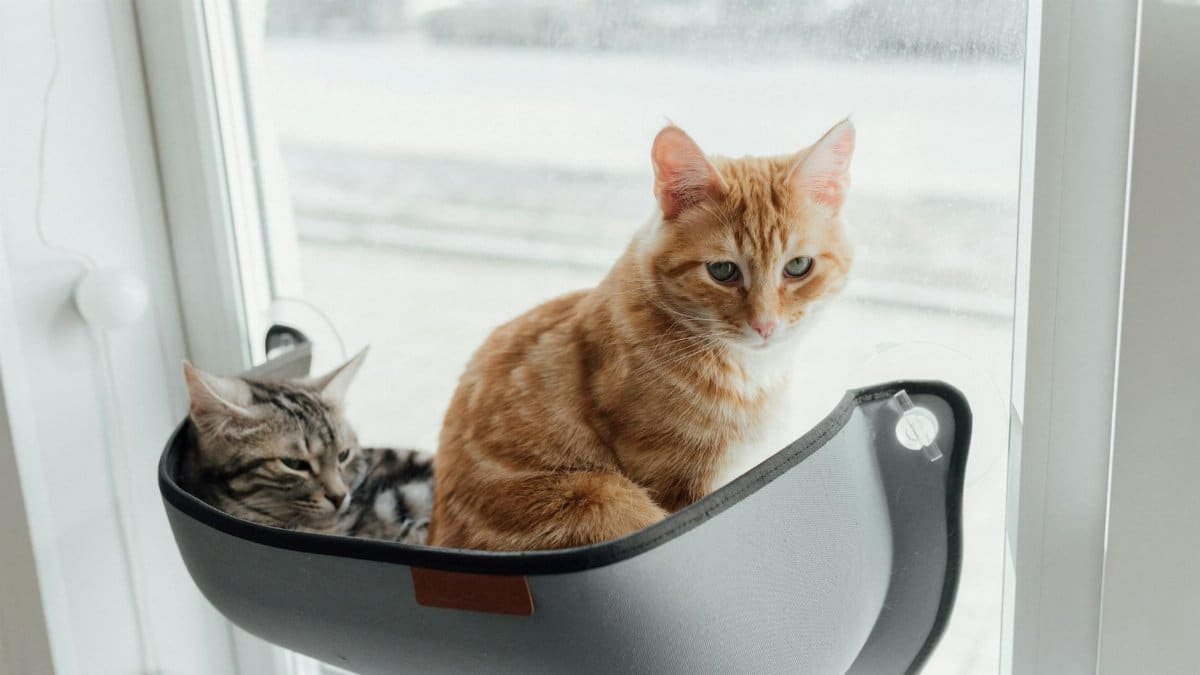
A cat lounging in a brownstone window, surveying the street with languid indifference, embodies effortless poise. This image can inspire us to adopt a similar detachment from minor stressors. Feline behavior studies indicate that their relaxed postures promote vicarious calm in humans, a finding echoed in research from the American Society for the Prevention of Cruelty to Animals.
Interestingly, in neighborhoods like the Upper West Side, these window cats become local celebrities, drawing passersby to linger. It’s a subtle rebellion against New York’s go-go culture, where pausing to admire a whiskered sentinel feels like stealing time back. As animal, people interactions grow in urban lore, they highlight how even solitary creatures teach communal slowing.
5. Birds’ Morning Choruses
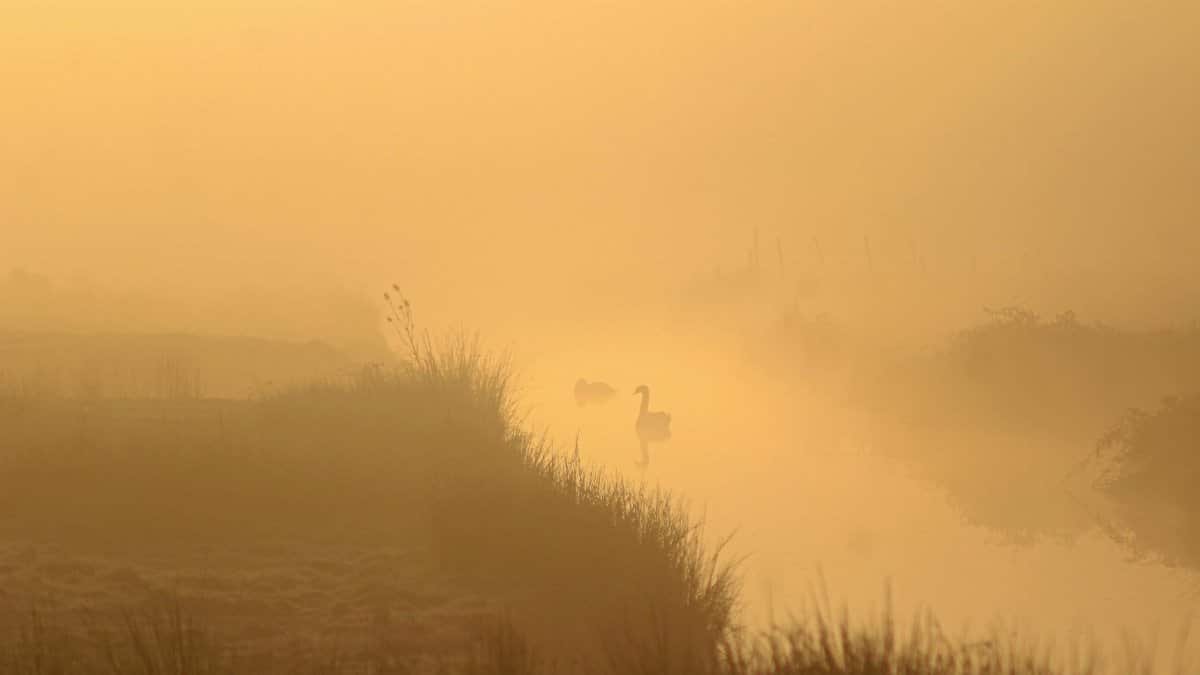
Before the subways rumble, birdsong filters through apartment windows, a natural alarm that’s gentle rather than jarring. This auditory cue sets a contemplative tone for the day, countering the city’s cacophony. Ornithologists at Cornell University have documented how urban birdsong reduces anxiety, with data from their Lab of Ornithology showing measurable mood improvements.
Weaving this into daily routines, many New Yorkers start their mornings tuning into these melodies, finding clarity before emails flood in. A brief story: a harried executive, sipping coffee on her fire escape, lets the chirps wash over her, transforming potential overwhelm into focused intent. In 2025’s hybrid world, such rituals underscore the timeless value of avian wisdom.
6. Horses in Central Park Carriages
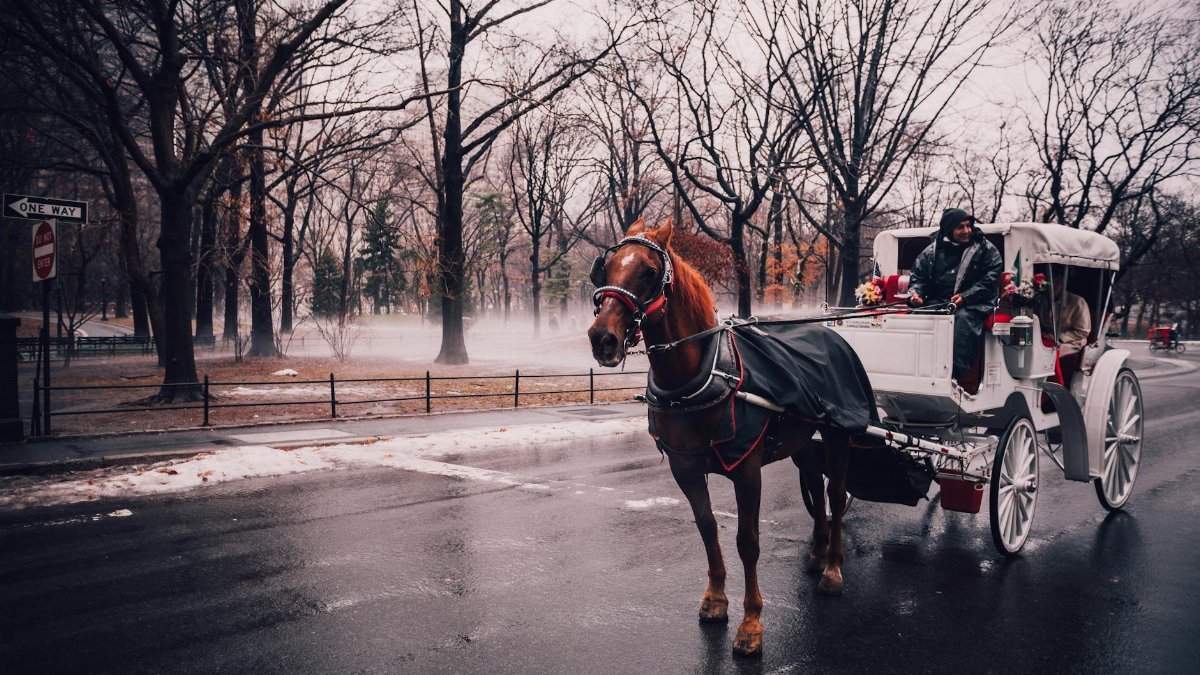
The clip-clop of horse hooves on Central Park paths evokes a bygone era, urging us to match their measured trot. These working animals, with their patient demeanor, remind riders and onlookers alike to savor the journey. Equine therapy research supports this, noting decreased heart rates during interactions, per studies from the Equine Research Foundation.
Yet, there’s complexity here—debates over carriage ethics add nuance, prompting reflection on humane pacing for all beings. Observing a horse shake its mane, one visitor might ponder their own burdens, finding parallels in endurance without exhaustion. This animal, people dynamic enriches New York’s cultural tapestry, offering lessons in deliberate movement.
7. Fish in Aquarium Displays
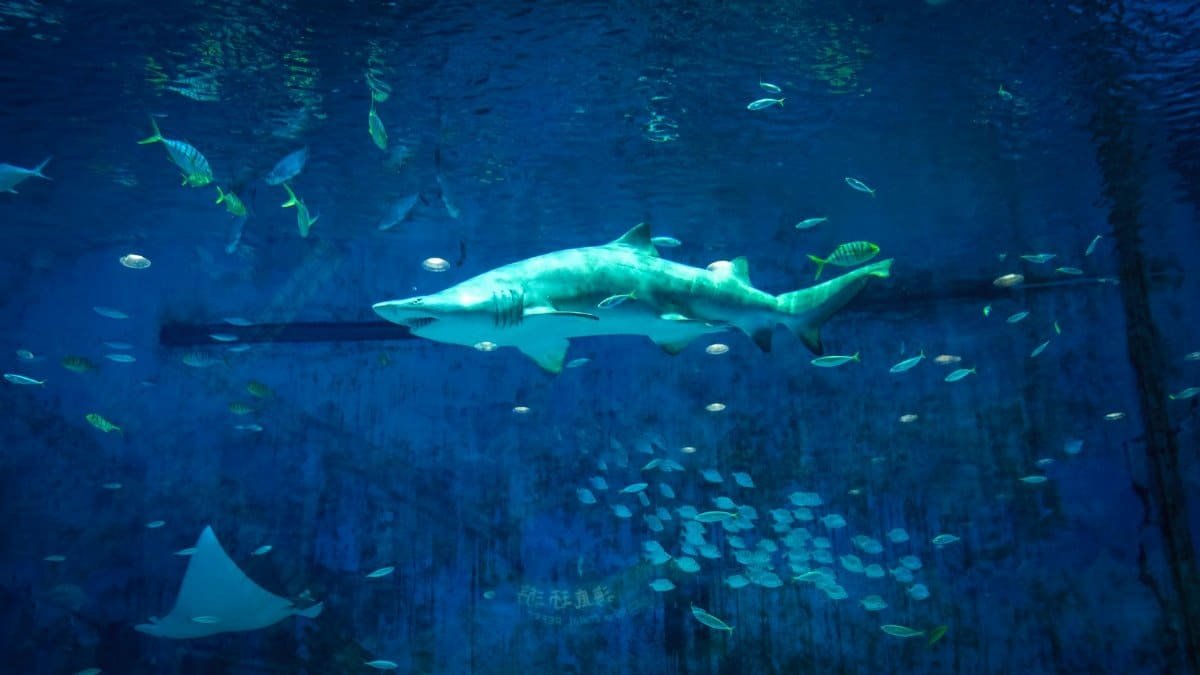
In the dimly lit halls of the New York Aquarium, schools of fish glide synchronously, a mesmerizing display of fluid motion. This visual rhythm can hypnotize viewers into a meditative state, easing mental clutter. Marine biologists link this to biophilia, our innate affinity for nature, as explored in a paper from the Wildlife Conservation Society.
For city dwellers, these underwater ballets provide accessible escapes, especially on rainy days when outdoor cues falter. Imagine a stressed parent watching neon tetras dart, their child pointing excitedly—it’s a shared slowdown that strengthens bonds. As urban stressors evolve in 2025, such aquatic inspirations remain vital.
8. Butterflies in Botanical Gardens
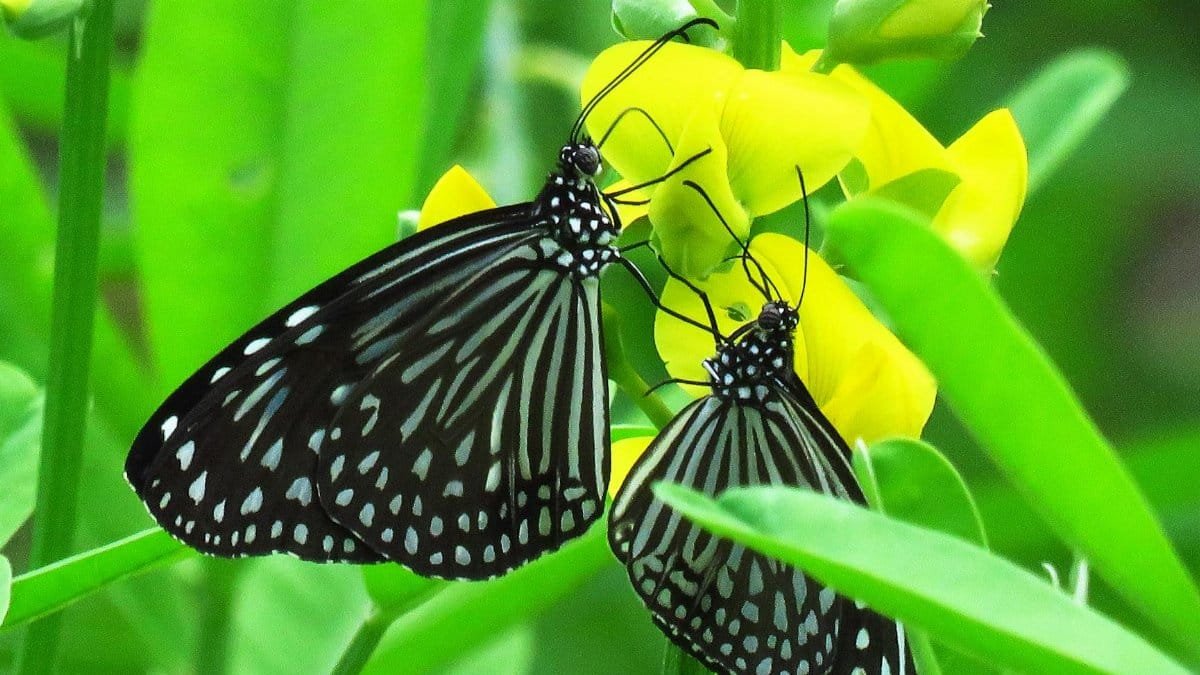
A butterfly fluttering erratically yet gracefully in the Brooklyn Botanic Garden invites contemplation of impermanence and beauty. This delicate cue encourages pausing to appreciate fleeting moments, countering the city’s permanence fixation. Entomological insights reveal how butterfly observations enhance mindfulness, backed by environmental education programs.
Amid blooming exhibits, visitors often stand transfixed, their hurried thoughts dissolving. One such encounter: a jogger halts mid-stride, captivated by monarch wings, emerging with a lighter step. These instances highlight how insect elegance fosters animal, people empathy, promoting a slower, more attuned existence.
9. Rats’ Cautious Scampers

Even the much-maligned rat, darting along subway tracks with calculated caution, offers a cue for prudence over haste. Their survival instincts mirror urban navigation, teaching us to assess before leaping. Public health studies from the CDC note how observing rodents can heighten awareness, indirectly reducing accident-prone rushing.
There’s wry humor in this: New Yorkers bonding over rat sightings, sharing laughs that diffuse tension. In a reflective twist, these creatures underscore resilience, prompting us to slow for safety’s sake. As 2025 brings new transit challenges, their lessons endure.
10. Stray Animals Seeking Shelter
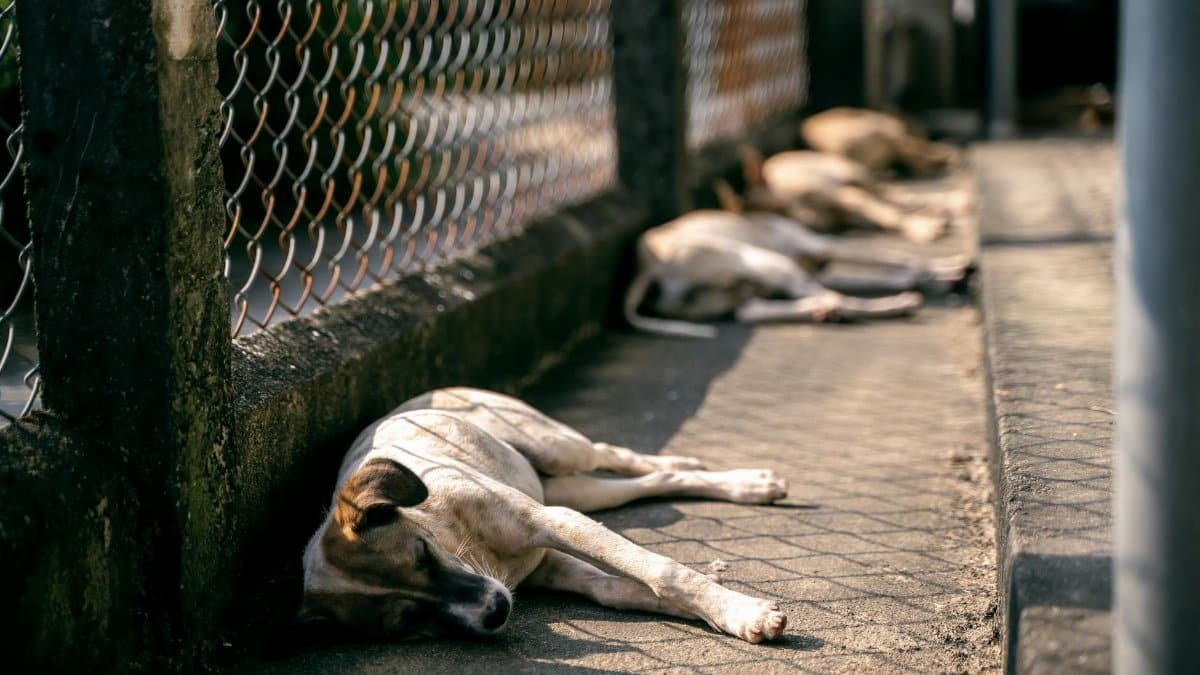
A stray cat curling up in a doorway during a storm evokes empathy, urging us to consider vulnerabilities and respond with kindness. This cue fosters communal slowing, as people stop to offer aid or simply reflect. Animal welfare data from the ASPCA shows increased adoptions following such encounters, signaling broader compassion shifts.
In neighborhoods like Harlem, these moments build community, turning individual hurries into collective pauses. Wrapping up, these animal cues weave a tapestry of deceleration in New York’s whirlwind, reminding us that tuning into the wild side enriches our human pace.