

A recent study from the American Psychological Association revealed that 65% of pet owners report lower stress levels thanks to their animals’ natural behaviors, a figure that’s climbed steadily over the past decade. This surge aligns with growing awareness of how pets tap into our need for connection amid modern life’s chaos. In Virginia, where rolling hills and coastal vibes invite outdoor escapes, these furry companions are more than just pets; they’re instinctive allies in fostering mental ease. The keyword here—instincts, support, mental—captures this essence perfectly. It refers to those innate animal drives that subtly bolster our emotional well-being, from a dog’s loyal gaze to a cat’s soothing purr. As life in 2025 accelerates with remote work and digital overload, Virginians are turning to these timeless cues for steadier daily calm. But what specific instincts make the difference? Let’s explore ten that stand out, drawing from observations in places like Richmond’s parks or the Shenandoah Valley trails.
1. The Loyalty Instinct: Building Unbreakable Bonds

Dogs have evolved over millennia to form tight-knit packs, a trait that translates seamlessly into human households. In Virginia, where community ties run deep in small towns like Charlottesville, this loyalty manifests as a constant presence that wards off isolation. Picture a retiree in Alexandria, their golden retriever at their side during evening walks along the Potomac. That unwavering companionship isn’t just cute; it actively combats loneliness, a growing concern in an aging population.
Research backs this up. A study from the National Institutes of Health highlights how such bonds release oxytocin, the “love hormone,” reducing anxiety. One anonymous account shared publicly online described it vividly: feeling adrift after a job loss, only to find solace in their dog’s steadfast gaze during quiet mornings. It’s not magic—it’s biology at work. Yet, this instinct also invites reflection on our own social needs. In bustling Northern Virginia, where commutes eat into family time, a loyal pet can bridge those gaps, offering support without words.
Of course, loyalty isn’t flawless. Sometimes it leads to separation anxiety for the animal, mirroring our own stresses. But when managed well, it fosters a mutual calm that’s hard to replicate.
2. Purring as a Calming Rhythm
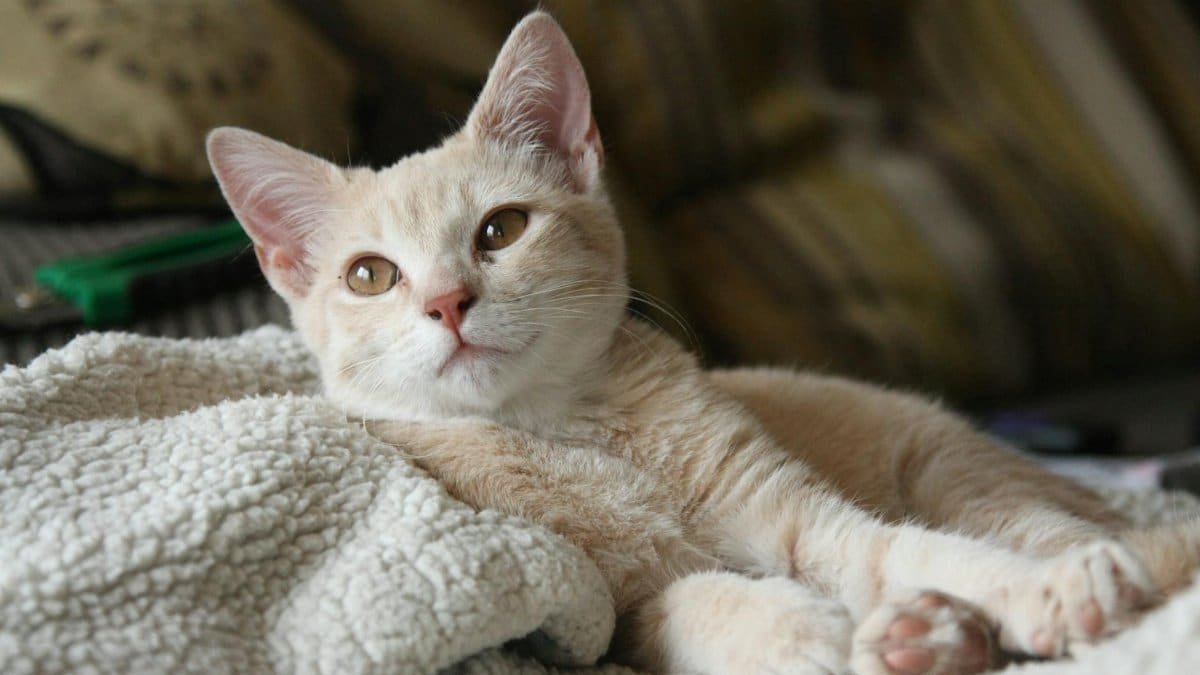
Cats purr not just when content, but also to self-soothe during stress or injury. This vibration, often between 25 and 150 Hertz, has therapeutic effects that extend to their owners. In Virginia’s quieter suburbs, like those around Roanoke, cat owners often note how this subtle hum eases their evening wind-down after a long day.
It’s fascinating how this instinct evolved for survival yet doubles as a mental health tool. A report from the National Center for Biotechnology Information explains the frequency’s role in promoting relaxation, akin to low-level sound therapy. Imagine settling into a cozy armchair in a Virginia Beach home, the ocean breeze mixing with your cat’s steady purr—it’s a sensory reset that quiets racing thoughts.
One local story comes to mind: a teacher overwhelmed by classroom demands found her tabby’s purring sessions became a ritual for decompressing. This isn’t about anthropomorphizing; it’s recognizing how instincts, support, mental well-being through simple, evolved behaviors.
3. Alertness to Environmental Cues
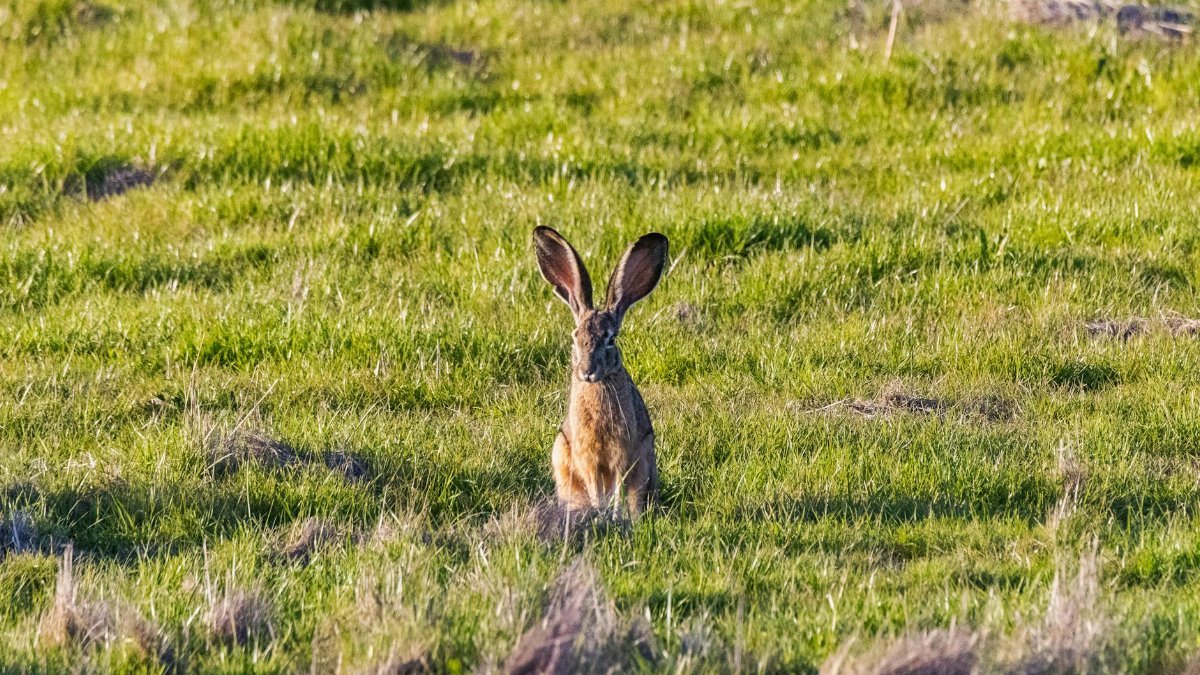
Pets, especially dogs, possess an acute sense for shifts in their surroundings, alerting owners to potential threats or changes. This vigilance, honed through generations of guarding, provides a layer of security that indirectly bolsters mental peace. In Virginia’s rural areas, like the farms dotting the Piedmont region, this instinct turns pets into natural sentinels.
Consider how a bark at an approaching stranger can preempt unease. Studies from the American Psychological Association link pet ownership to lower cortisol levels, partly due to this protective dynamic. It’s not always dramatic—sometimes it’s a subtle ear twitch signaling a storm, giving you time to prepare and avoid weather-related anxiety.
Yet, this alertness can amplify if the pet senses your tension, creating a feedback loop of calm. In urban spots like Norfolk, where noise pollution heightens stress, a pet’s attuned instincts offer a grounding counterbalance.
4. Playful Energy for Joyful Distraction

The instinct to play is hardwired in many pets, from puppies chasing tails to cats batting at strings. This behavior, essential for skill-building in the wild, injects levity into human lives, particularly in Virginia’s outdoor-loving culture. Think of tossing a frisbee in Shenandoah National Park, your dog’s enthusiasm pulling you into the moment.
Such interactions release endorphins, as noted in findings from the Centers for Disease Control and Prevention. It’s a natural antidote to the mental fog of daily routines. One anonymized tale from a forum user recounted how their kitten’s antics turned a depressive slump into laughter, highlighting instincts’ role in emotional uplift.
Play isn’t frivolous; it’s a bridge to mindfulness. In 2025, with mental health apps everywhere, this organic approach feels refreshingly analog.
5. Grooming Rituals for Soothing Touch

Cats and some dogs groom themselves and others as a social bonding mechanism, an instinct that promotes hygiene and affection. When they extend this to humans—licking a hand or nuzzling close—it creates tactile comfort that supports mental ease. Virginia’s humid summers make these moments especially welcome, cooling both body and mind.
Touch therapy’s benefits are well-documented; a National Institutes of Health overview ties it to reduced pain and anxiety. Envision a quiet evening in a Richmond apartment, your pet’s gentle grooming easing the day’s tensions.
This instinct reminds us of our primal need for connection, often overlooked in a touch-averse digital age.
6. Nesting Behaviors for Secure Spaces
Many pets instinctively create safe, cozy nests, a habit that encourages owners to do the same. In Virginia’s varied climates—from Appalachian winters to coastal humidity—this drive inspires home environments that foster relaxation. A dog circling before lying down might prompt you to fluff pillows and dim lights, setting a serene tone.
Environmental psychology supports this; creating personal sanctuaries aids mental recovery. It’s about more than comfort—it’s instincts, support, mental stability through ritualized safety.
One observation from a Virginia homeowner: transforming a corner into a pet-friendly nook became their go-to spot for unwinding, blending animal instinct with human habit.
7. Emotional Sensing and Empathy

Pets often detect human emotions through subtle cues like scent or posture, responding with comfort. This empathetic instinct, seen in therapy animals, is invaluable for mental health. In Virginia’s military communities around bases like Quantico, service dogs exemplify this, easing PTSD symptoms.
A Pew Research analysis on pet trends notes rising adoption for emotional support. It’s profound how a cat curling up during your low moments validates feelings without judgment.
This sensing goes both ways, strengthening the human-animal bond in unexpected ways.
8. Routine Establishment Through Daily Patterns

Pets thrive on schedules, instinctively enforcing meal times and walks that structure our days. In fast-paced Northern Virginia, this imposes order amid chaos, reducing decision fatigue. A morning walk becomes non-negotiable, kickstarting a productive mindset.
Consistency aids mental health, per various studies, by providing predictability. It’s a gentle nudge toward balance.
9. Hunting Play as Stress Release

The chase instinct in cats and dogs simulates hunting, channeling energy into fun outlets. Virginians hiking Blue Ridge trails often see this in action, with pets darting after squirrels, burning off mutual stress.
This play reduces aggression and boredom, translating to calmer evenings. It’s evolution meeting recreation.
10. Companionship Without Demands
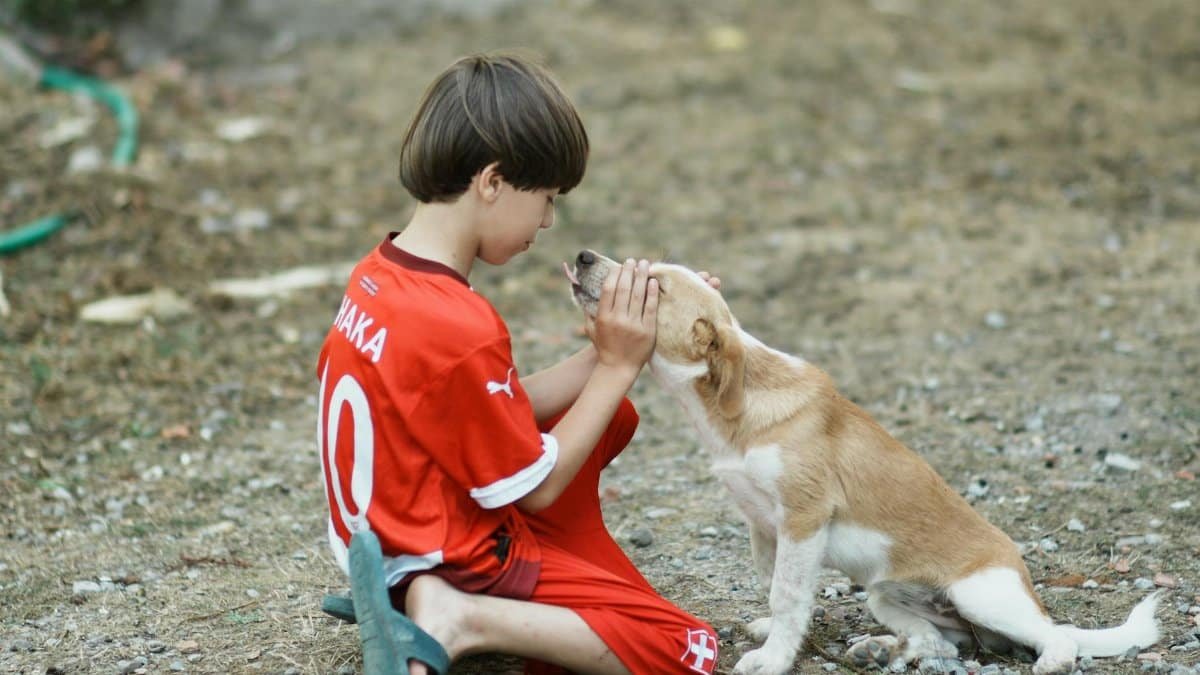
At its core, pets offer presence without the complexities of human interaction—an instinct for quiet coexistence. In Virginia’s diverse settings, from urban lofts to rural retreats, this undemanding support is a mental balm. No small talk, just shared silence.
As we navigate 2025’s uncertainties, these instincts remind us of simple paths to ease. They weave into daily life, supporting mental well-being in profound, understated ways.