

A recent study from the American Psychological Association revealed that nearly 80% of Americans report experiencing stress symptoms that mirror behaviors seen in the animal kingdom, a jump from just a decade ago. This isn’t mere coincidence. In our fast-paced lives, we often overlook how animal patterns reflect our own emotional turmoil. Think of the way a cornered animal paces or freezes, much like humans under pressure. Researchers at institutions like the Smithsonian have long noted these parallels, suggesting that observing wildlife can offer clues to managing human stress. As we navigate 2025’s uncertainties, from economic shifts to personal demands, these natural echoes might guide us toward calmer emotional balance. It’s a reminder that nature’s rhythms aren’t so distant from our own.
1. The Restless Pacing of Caged Tigers
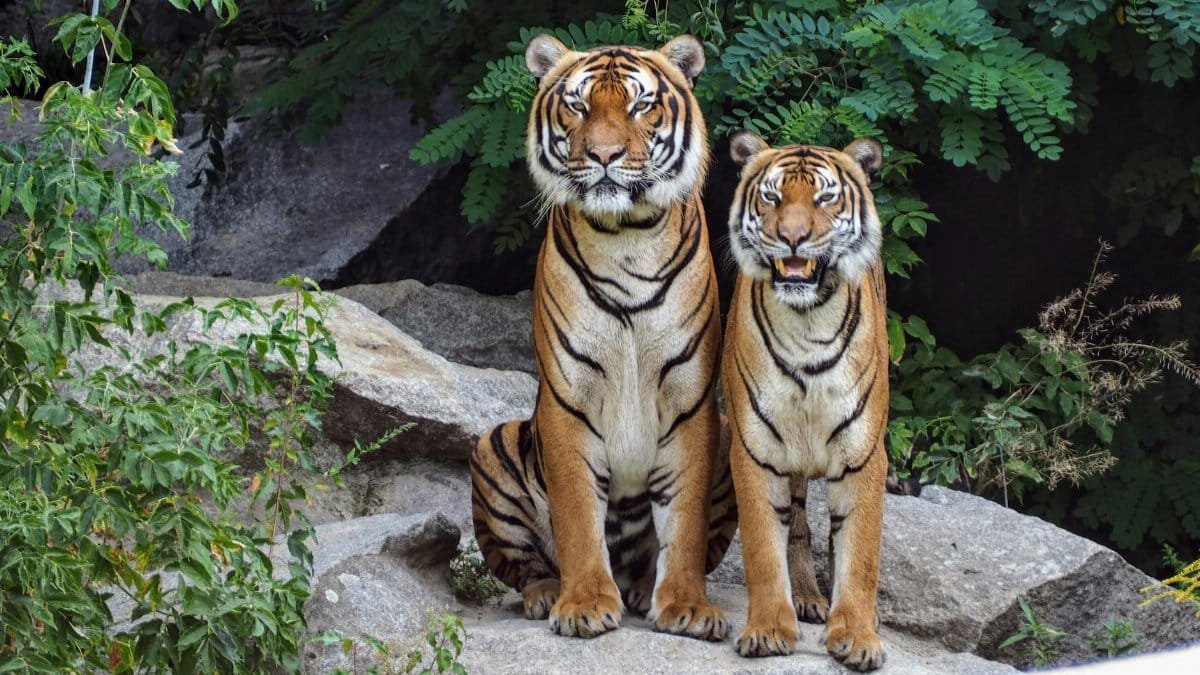
Tigers in captivity often pace back and forth along the edges of their enclosures, a repetitive motion that signals deep frustration and confinement. This behavior echoes the way many people fidget or wander aimlessly during high-stress periods, like looming deadlines or family conflicts. A colleague once described watching a tiger at the San Diego Zoo, its muscles taut, eyes distant, as if trapped in an invisible loop. “It hit me,” she said, “that’s exactly how I feel stuck in traffic during rush hour.” Such patterns aren’t just visual; they stem from the brain’s response to limited options. Studies show that both tigers and humans release similar stress hormones in these scenarios, leading to exhaustion if unchecked. By recognizing this, we might pause and seek open spaces, literal or mental, to break the cycle. One public account shared anonymously online captured a similar sentiment: feeling like that pacing tiger during a relentless workweek, only finding relief through evening walks.
This connection highlights a broader truth. Animals like tigers don’t choose their cages, but humans often build their own through habits. Breaking free starts with awareness. Research from the American Psychological Association’s stress resources underscores how mindfulness techniques, inspired by observing such animal behaviors, can reduce cortisol levels by up to 20%. It’s not about imitating the tiger but learning from its silent protest against restriction.
2. Birds Flocking in Erratic Formations
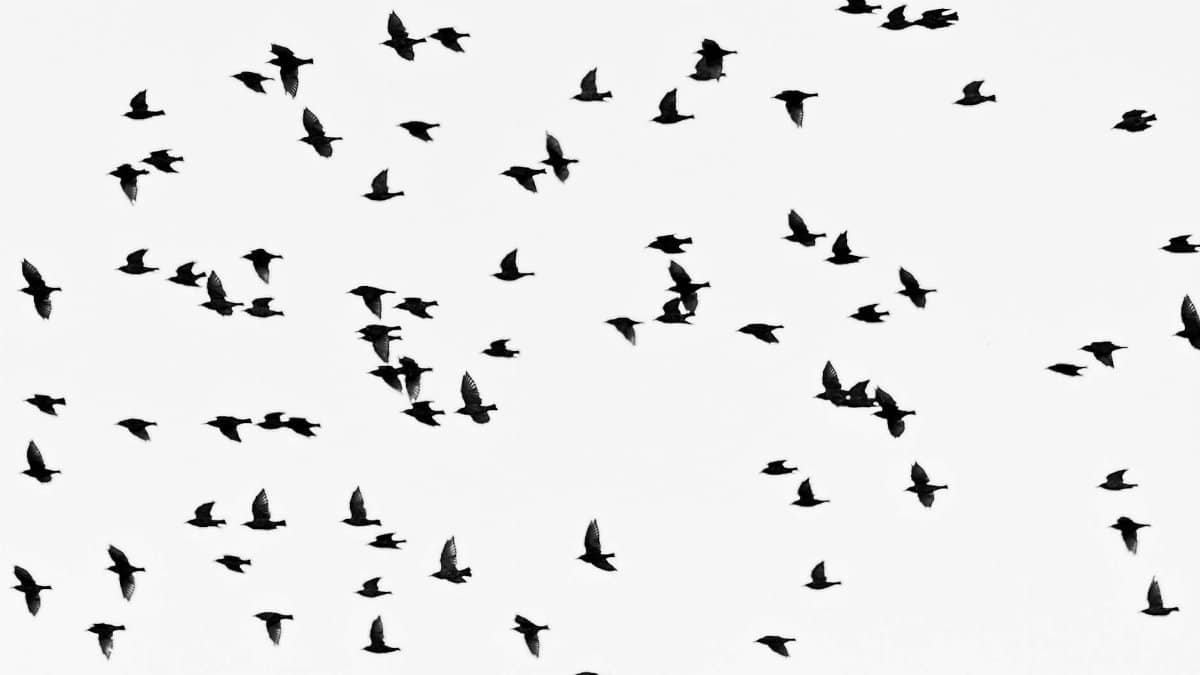
Watch a flock of starlings twist and turn in the sky, and you might see beauty. But under threat, their formations become chaotic, a direct reflection of panic. This mirrors how human groups scatter during crises, like in crowded evacuations or heated arguments. Imagine a family dinner escalating into shouts, everyone talking over each other, much like birds veering off course. It’s a survival instinct gone awry.
Experts point out that this flocking disarray stems from heightened vigilance, where one member’s alarm ripples through the group. In people, it’s akin to social contagion of stress, where one anxious colleague can unsettle an entire office. A study published in the journal Animal Behaviour explored this in pigeons, finding that stress disrupts coordinated movement, leading to inefficiency. Humans experience something similar; think of team meetings derailed by underlying tensions.
Yet, there’s healing potential here. By studying these patterns, therapists encourage “flock-like” synchronization exercises, fostering unity. In 2025, with remote work still prevalent, virtual teams report better cohesion when they mimic calm bird formations through structured check-ins. The takeaway? Chaos in flight often signals a need for clearer leadership or space to regroup.
3. Elephants’ Prolonged Mourning Rituals

Elephants are known for their elaborate grieving, touching bones of the deceased with trunks and lingering at sites for days. This profound sorrow reflects the drawn-out emotional weight humans carry after loss, amplifying stress that lingers like a shadow. One observer in Kenya recounted seeing a herd circle a fallen matriarch, their low rumbles filling the air, a scene that evoked personal memories of funerals stretched by unresolved grief.
Such behaviors reveal a shared capacity for attachment. Neuroscientists note that elephants’ large brains process emotions deeply, much like our own hippocampus stores traumatic memories. When stress from bereavement builds, it can manifest as isolation or irritability, patterns seen in both species.
Drawing from this, modern counseling draws parallels to promote rituals for closure. A report from the National Institutes of Health on animal social behaviors suggests that observing elephants can inspire human therapies, reducing chronic stress through communal remembrance. It’s a gentle nudge: honoring loss actively might lighten the load we all bear.
4. Squirrels’ Frantic Food Hoarding
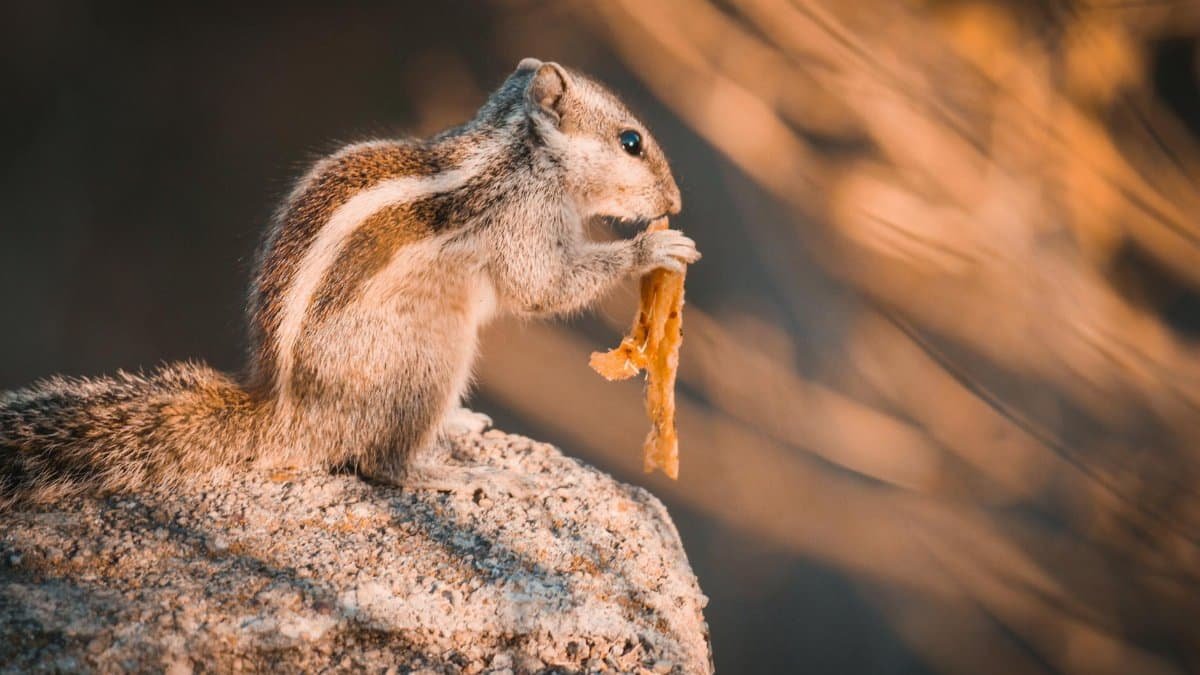
In autumn, squirrels dart about, burying nuts with frantic energy, often forgetting locations amid the rush. This hoarding mirrors human tendencies to overprepare under stress, like stockpiling during uncertain times, only to feel more anxious about potential scarcity. Picture a suburban backyard alive with scurrying figures, each burial a bid for security that’s never quite enough.
This pattern ties to evolutionary drives. Both squirrels and people activate the amygdala in response to perceived threats, leading to compulsive actions. A brief chat with a park ranger highlighted how squirrels’ forgetfulness wastes energy, much like our own overthinking drains mental resources.
Insights from behavioral ecology offer balance. By pacing preparations, we avoid burnout. Research at Cornell University’s Lab of Ornithology, which studies small mammals, shows that moderated hoarding reduces stress indicators in animals. For humans in 2025’s volatile economy, this could mean budgeting mindfully rather than panic-buying, fostering a sense of control without excess.
5. Wolves’ Howling in Isolation
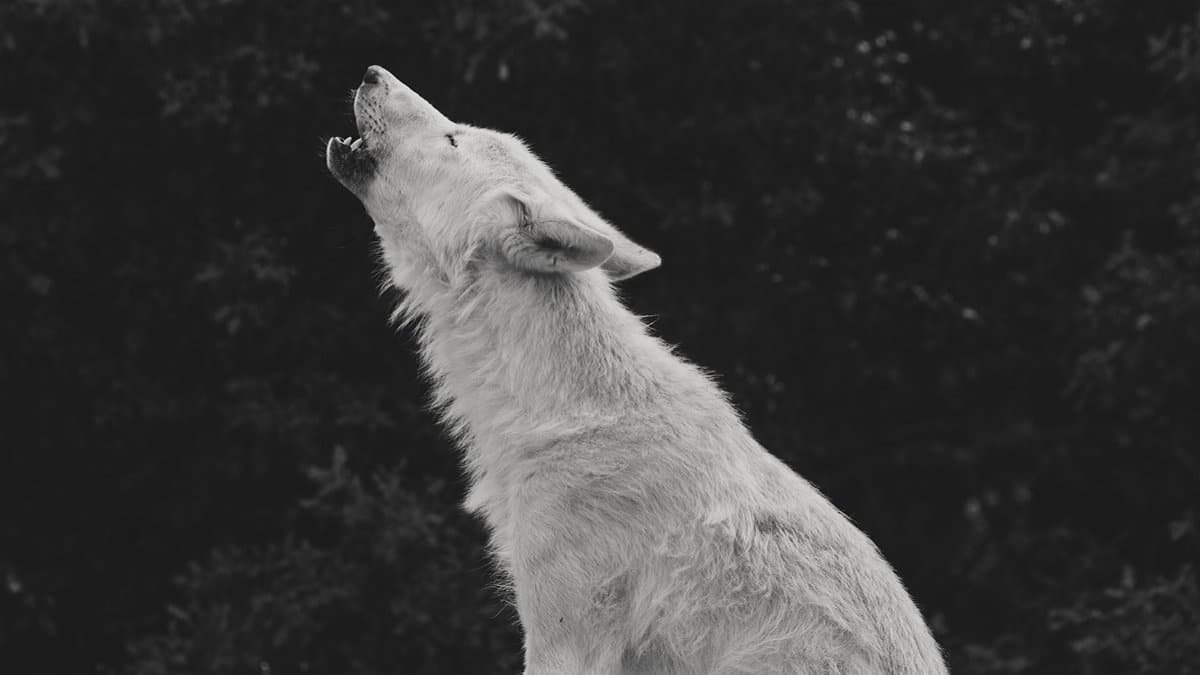
A lone wolf’s howl cuts through the night, often a cry for connection amid separation from the pack. This vocalization reflects the isolation stress many humans feel, amplified by modern life’s disconnections, leading to echoes of loneliness in empty apartments or silent phones. One hiker recalled hearing that plaintive call in Yellowstone, a sound that stirred thoughts of distant friends during a tough year.
Biologically, it’s about social bonds. Wolves use howls to rally, but isolation heightens stress hormones, weakening health. Similarly, humans in prolonged solitude report higher anxiety, as per data from the Centers for Disease Control and Prevention on loneliness.
Healing comes through reconnection. Programs inspired by pack dynamics encourage community building, turning solitary howls into harmonious choruses. It’s a reminder that reaching out, even in vulnerability, can mend the fractures stress creates.
6. Fish Schooling in Tight, Anxious Clusters
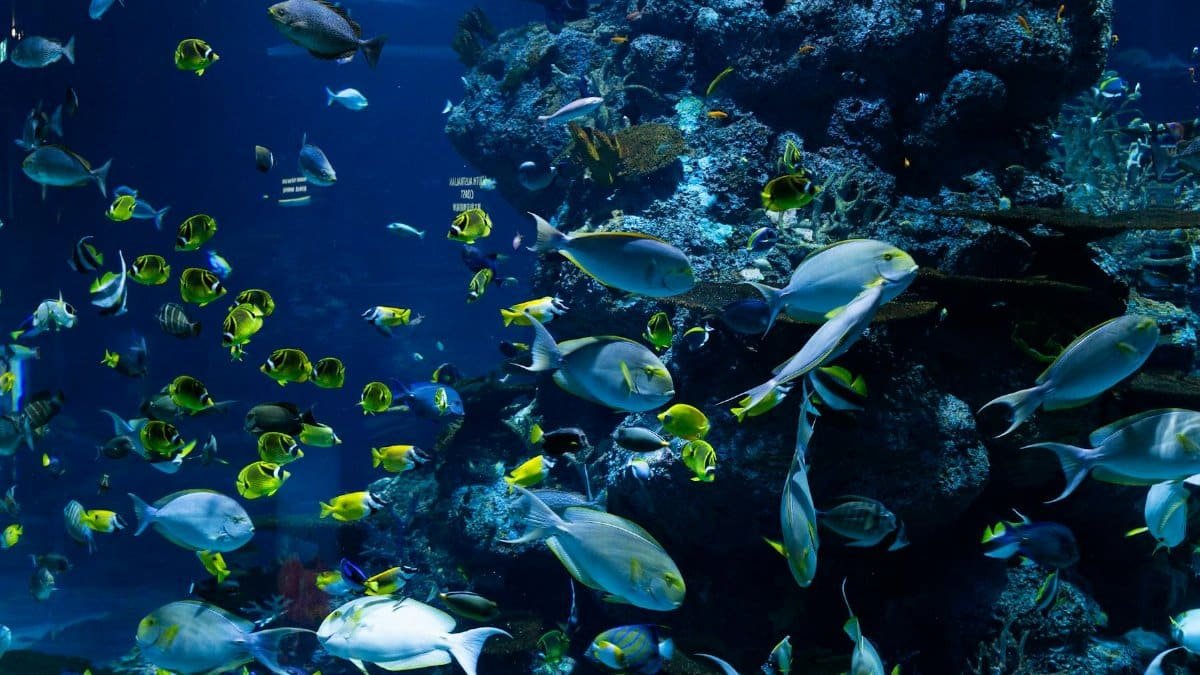
Under predator threat, fish bunch into dense schools, swimming erratically to confuse attackers. This clustering parallels how humans huddle in crowds during alarms, like in packed subways during delays, where collective tension builds. Visualize an aquarium where colorful schools tighten suddenly, a ripple of fear turning grace into frenzy.
This response is instinctual, driven by the need for safety in numbers. Yet, it can heighten stress through overcrowding. Marine biologists note that prolonged clustering leads to oxygen depletion in fish, akin to burnout in overpacked human environments.
Applying this, urban planners in cities like New York draw from aquatic patterns to design spaces that allow flow, reducing commuter stress. A study from the Pew Research Center on environmental behaviors links such observations to better public health strategies, promoting breathing room for emotional equilibrium.
7. Bears’ Hibernation Withdrawal
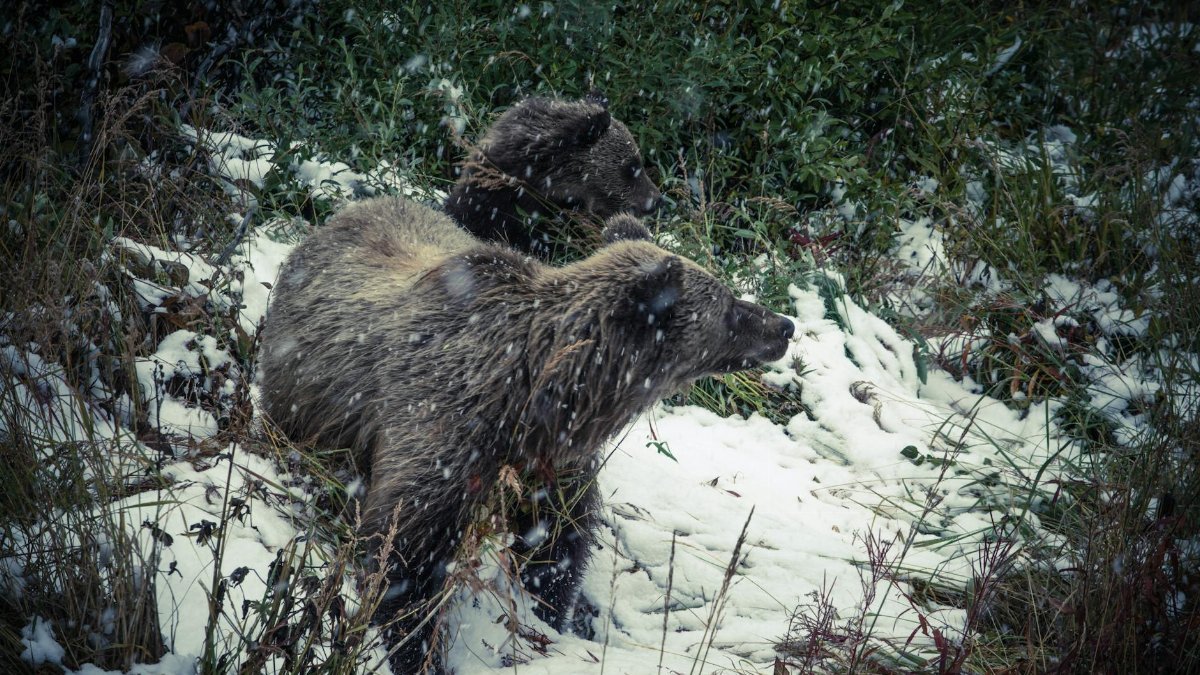
Bears emerging from hibernation often appear disoriented, foraging aggressively to rebuild strength after months of dormancy. This mirrors human “cabin fever” after prolonged isolation or stress-induced shutdowns, where reentry feels overwhelming. Think of a bear shambling through spring woods, hungry and irritable, much like someone returning to work post-burnout.
The pattern involves metabolic shifts; bears’ slowed systems ramp up, causing temporary imbalance. Humans experience analogous cortisol spikes after rest periods, leading to irritability.
Therapeutic approaches borrow from this, advocating gradual reengagement. Wildlife research from the U.S. Geological Survey emphasizes how bears adapt slowly, a model for human recovery. In 2025, with mental health awareness rising, this insight encourages phased returns, easing the stress of abrupt changes.
8. Primates’ Grooming Under Duress

Monkeys and apes groom each other more intensely during group conflicts, a soothing ritual that diffuses tension. This reflects how humans turn to comforting touches or conversations amid stress, like hugs during arguments or venting sessions. Observing a troop in a zoo, one visitor noted the deliberate strokes calming a squabble, evoking office coffee breaks that mend rifts.
Grooming releases endorphins in primates, lowering stress. Human parallels are evident in social support networks. A landmark study from Harvard University tracked these behaviors, finding that affiliative actions strengthen resilience.
Embracing this, wellness programs incorporate touch-based therapies. The Harvard Health Publishing on stress management supports how such patterns, when reflected in daily life, foster healing and balance. Ultimately, these animal echoes remind us that connection is a timeless antidote to turmoil.