
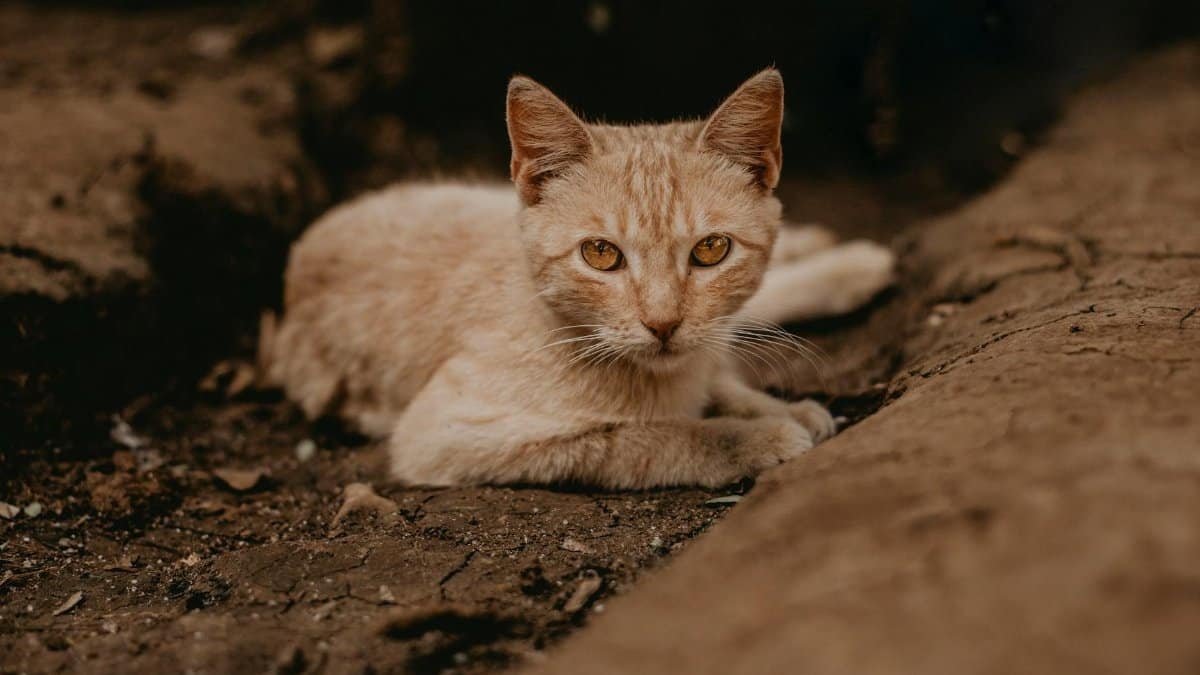
A recent study from the American Psychological Association revealed that 68% of Americans report feeling overwhelmed by stress, a figure that’s climbed steadily since the pandemic years, prompting many to seek unconventional paths to tranquility. Amid this surge, an unlikely source of inspiration has emerged: our feline companions. Cats, with their effortless poise and unhurried rhythms, embody a masterclass in serenity that humans are increasingly turning to. What if observing these creatures could unlock simple yet profound ways to cultivate calm in our hectic lives? This isn’t about becoming more cat-like in a whimsical sense, but rather drawing from their innate behaviors to foster inner peace. As we navigate the demands of 2025, exploring cat habits that improve calm offers a gentle reminder that sometimes, the best lessons come from the quiet observers in our homes. From stretching rituals to mindful gazing, these habits, improve everyday well-being by modeling relaxation in action.
1. The Art of Strategic Napping
Cats are notorious for their ability to doze off anywhere, anytime, often curling up in sunlit spots for brief respites. This isn’t laziness; it’s a smart energy management strategy that humans could adapt to combat burnout. In a world where hustle culture dominates, incorporating short naps can reset the mind. Consider how a quick 20-minute siesta, much like a cat’s power nap, boosts cognitive function and reduces stress hormones. Research from the National Sleep Foundation supports this, showing that daytime naps improve alertness and mood. One anonymous account shared publicly described feeling rejuvenated after mimicking this habit during lunch breaks, noting how it transformed afternoons from foggy to focused. By prioritizing rest without guilt, we invite a calmer state into daily routines.
Yet, it’s not just about sleeping more; it’s the intentionality. Cats don’t force naps, they seize moments when energy dips. For middle-aged professionals juggling careers and family, this could mean slipping in a rest during commutes or after intense meetings. The shift fosters resilience, turning potential overwhelm into manageable calm.
2. Mindful Stretching for Tension Release

Watch a cat arch its back or extend its limbs after waking, and you’ll see a natural ritual for loosening up. This instinctive stretching eases muscle tension and promotes flexibility, a practice that echoes yoga principles. In 2025, with remote work still prevalent, many Americans suffer from sedentary strain, making this habit particularly relevant. A study published in the Journal of Physiology highlights how regular stretching lowers cortisol levels, directly contributing to reduced anxiety. Imagine starting your day with a few cat-inspired stretches, feeling the tightness melt away as you breathe deeply.
One person’s experience, drawn from online reflections, involved adopting this after noticing their pet’s routine; they reported fewer headaches and a greater sense of bodily ease. It’s a subtle way to weave calm into mornings, transforming rigid postures into fluid grace without needing a gym membership.
3. Observant Window Watching

Cats often perch by windows, gazing intently at the world outside, embodying a form of passive observation that sharpens focus without effort. This habit encourages mindfulness, pulling us away from digital distractions toward present-moment awareness. In an era of constant notifications, emulating this can quiet mental chatter. According to findings from American Psychological Association’s mindfulness resources, such practices enhance emotional regulation. Picture a cat fixated on fluttering leaves; it’s not bored, it’s engaged in serene contemplation.
For humans, this might translate to pausing at a window during work breaks, letting thoughts drift like passing clouds. The result? A refreshed perspective that habits, improve by fostering patience and reducing reactivity in stressful situations.
4. Playful Bursts of Energy

Despite their calm demeanor, cats indulge in sudden, joyful chases or pounces, releasing pent-up energy in short bursts. This playful intermittence prevents stagnation and injects fun into routines, a contrast to our often monotonous schedules. Play therapy, as explored in child and adult psychology, shows similar benefits for stress relief. A report from National Institutes of Health links recreational activities to lower depression rates. One illustrative snapshot: a cat batting at a toy, fully immersed, then returning to rest.
Adapting this, adults might incorporate quick games or hobbies, like a five-minute dance session, to break tension. It’s a reminder that calm isn’t always stillness; sometimes, it’s the balance after exuberance.
5. Grooming Rituals for Self-Care

Cats dedicate time to meticulous grooming, a self-soothing act that maintains hygiene and comfort. This mirrors human self-care routines, emphasizing the importance of personal maintenance for mental well-being. In today’s fast-paced U.S. landscape, where self-neglect is common, this habit underscores nurturing oneself. Data from Centers for Disease Control and Prevention’s mental health page indicates that routine self-care correlates with better stress management. Envision the rhythmic licking, a meditative process that habits, improve through consistency.
A brief anecdote: someone observed their cat’s routine and began evening skincare rituals, finding it a peaceful wind-down that eased insomnia. Such habits build a foundation of calm by affirming self-worth.
6. Setting Boundaries with Grace

Cats are masters at asserting space, retreating to quiet corners when overstimulated, teaching us about healthy boundaries. This prevents emotional drain in social interactions, a vital skill amid rising burnout reports. Psychological insights from Pew Research Center’s burnout studies reveal that boundary-setting reduces workplace stress. A cat’s subtle withdrawal isn’t rude; it’s self-preservation.
For readers navigating midlife demands, this could mean politely declining extra commitments, creating pockets of solitude. The outcome is a more centered existence, where calm stems from protected personal energy.
7. Curious Exploration of Surroundings
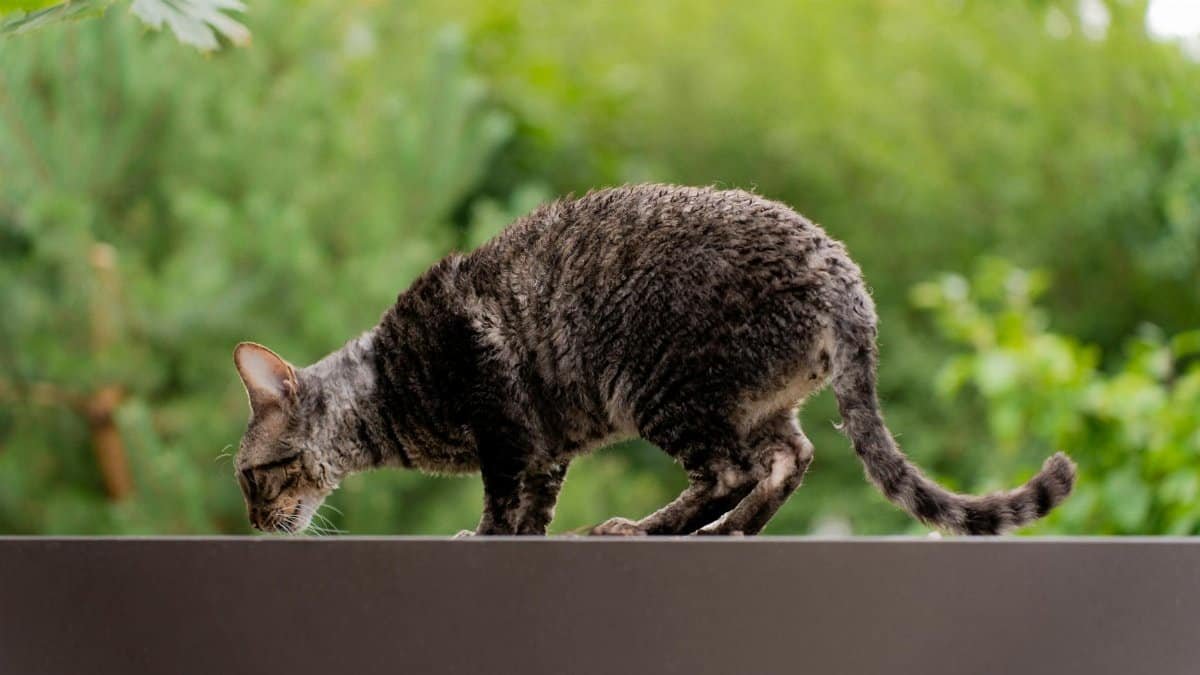
With whiskers twitching, cats investigate nooks and crannies, satisfying curiosity that keeps their minds agile. This exploratory spirit combats boredom and fosters adaptability, qualities that enhance human resilience. In 2025, as economic uncertainties linger, such openness can alleviate anxiety. Studies on curiosity from the University of California suggest it boosts dopamine, promoting positive moods. Think of a cat sniffing a new object, fully present in discovery.
Humans might apply this by exploring local trails or trying new recipes, turning routine days into adventures. Online discussions often highlight how this shift habits, improve outlook, making stressors feel less daunting.
8. Affection on Their Terms

Cats seek connection selectively, offering purrs and rubs when ready, which models authentic relationships. This approach avoids forced interactions that breed resentment, leading to deeper bonds. Relationship research emphasizes mutual consent for emotional health. A glance at feline affection shows vulnerability without demand, a lesson in balanced giving.
In family dynamics, this might encourage expressing needs clearly, reducing conflicts. The calm that follows stems from genuine, unpressured connections, enriching daily life.
9. Embracing Quiet Independence

Finally, cats thrive in solitude, content with their own company, a trait that builds inner strength. This independence counters the isolation paradox in connected times, where true alone time rejuvenates. Mental health experts note solitude’s role in self-reflection. A cat lounging alone, undisturbed, exemplifies peaceful autonomy.
For those feeling societal pressure, carving out solo moments can restore equilibrium. It’s a profound way these habits, improve calm, reminding us that serenity often lies within.