

In a world where stress often hides in plain sight, a surprising statistic from the American Society for the Prevention of Cruelty to Animals (ASPCA) catches the eye: over 60% of pet owners report noticing behavioral changes in their animals during high-tension periods in the household, yet many miss the subtler cues. This insight, drawn from a 2023 survey, underscores how animal signals reveal hidden tensions not just in pets but potentially in our own lives. As urban dwellers increasingly turn to nature for solace amid rising stress levels—think the boom in birdwatching or therapy animals—these signals offer a window into unspoken strains. Researchers at institutions like Cornell University’s Lab of Ornithology have long observed how creatures from dogs to wild birds telegraph unease through body language, vocalizations, and movements. This isn’t mere trivia; it’s a reminder that tuning into these signs can foster better harmony, whether in backyards or broader ecosystems. By examining six key signals, we uncover how they mirror and even alleviate human tensions, blending ancient instincts with modern healing practices.
1. The Flickering Tail
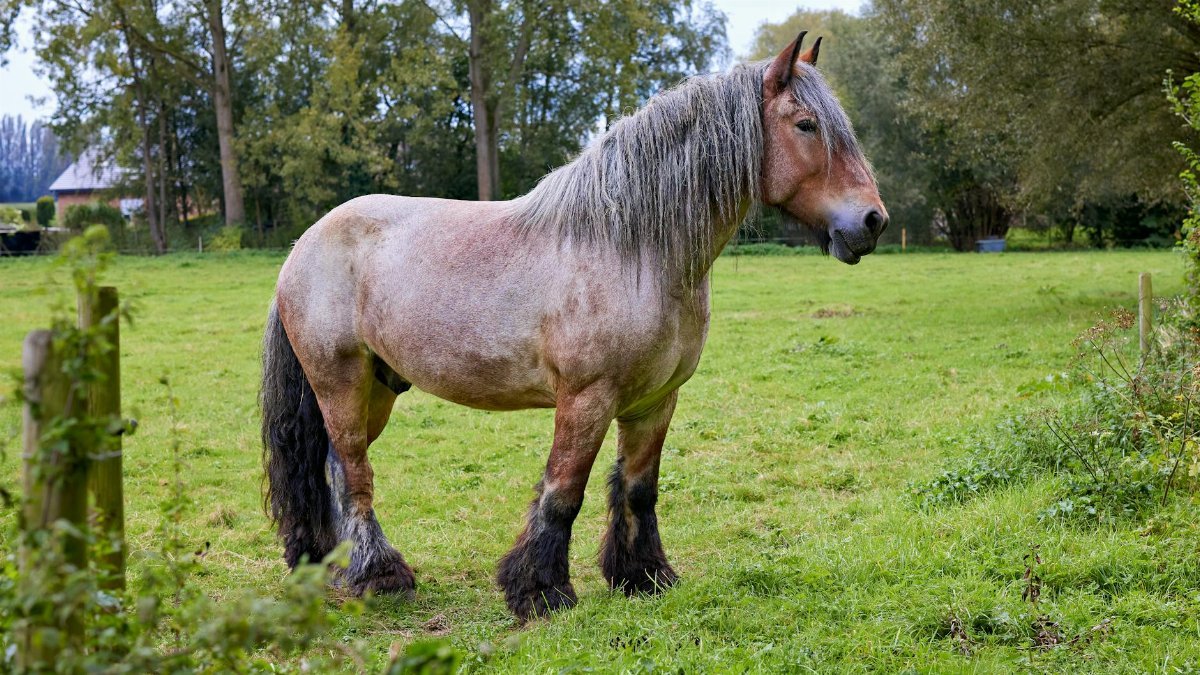
Dogs have a way of wearing their emotions on their tails, quite literally. When tension builds, that familiar wag can turn into a stiff, rapid flick, a far cry from the loose, joyful swing of contentment. Picture a rescue mutt in a bustling city apartment, its tail whipping side to side not in play but in quiet distress as sirens blare outside. This signal, often overlooked, points to environmental stressors that animals absorb like sponges. Experts from the ASPCA’s Behavioral Resources note that such movements spike in urban settings, where noise pollution affects nearly 70% of pets, per their data. It’s not just canines; cats exhibit similar tells, with tails puffing or lashing when boundaries feel invaded. Observing this can prompt owners to create calmer spaces, perhaps dimming lights or adding white noise. In one anonymized account shared publicly online, a woman described how her cat’s erratic tail helped her recognize her own work-induced anxiety, leading to shared downtime that eased both their strains. This interplay highlights how animal signals reveal deeper emotional undercurrents, encouraging proactive care.
Yet the story doesn’t end there. In wildlife, deer flick tails to alert herds of danger, a survival mechanism that echoes in domesticated animals. Veterinarians emphasize early intervention; ignoring these signs can lead to health issues like chronic stress. By contrast, responding thoughtfully—say, with enrichment toys—builds resilience. It’s a cycle where awareness breeds balance.
2. Ears Pinned Back
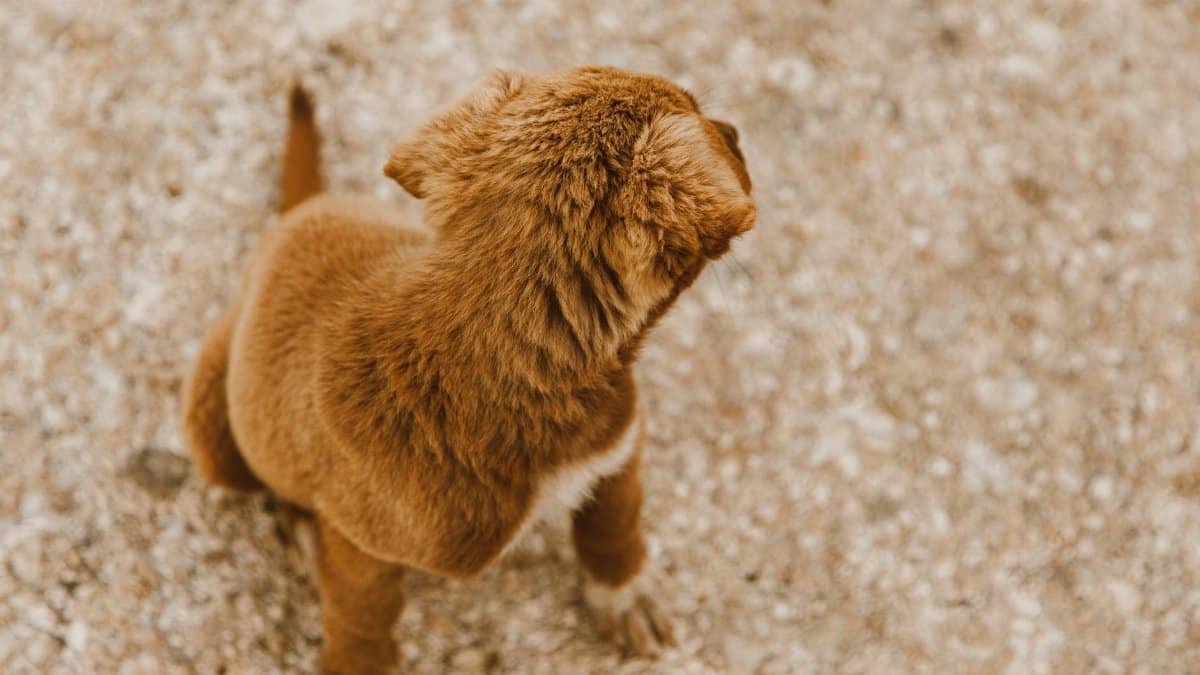
Consider the horse in a stable, its ears suddenly flattening against its head. This isn’t a quirk; it’s a clear broadcast of discomfort, often from overcrowding or unfamiliar scents. Such signals cut across species, from rabbits to elephants, where ear position telegraphs internal turmoil. A study from the PLoS ONE journal on animal welfare details how pinned ears correlate with elevated cortisol levels, the stress hormone, in over 80% of observed cases. In American farms and sanctuaries, where animal therapy programs are on the rise in 2025, trainers use this cue to adjust environments, preventing escalation. One trainer, speaking anonymously, recalled a session where a therapy dog’s pinned ears revealed a participant’s unspoken grief, shifting the dynamic toward gentle support.
This revelation extends to everyday pet owners. Imagine walking into a vet’s office and spotting your cat’s ears slicked back—not aggression, but fear. Responding with soft words or a familiar blanket can de-escalate. It’s these moments that weave animal signals into human healing, showing tension’s hidden threads.
Broader implications emerge in conservation. Wild animals displaying this signal often indicate habitat pressures, urging policy changes. It’s a reminder that what starts as a subtle ear twitch can ripple into larger narratives of balance.
3. Pacing Patterns

Restlessness takes a visible form in pacing, that repetitive back-and-forth many animals adopt under duress. Zoo visitors might see big cats tracing enclosure walls, a behavior linked to confinement stress in reports from the World Animal Protection organization. In homes, dogs circle rooms when left alone too long, their steps a silent plea for connection. This signal reveals confinement’s toll, with data showing it affects millions of U.S. pets annually amid longer work hours. One vivid snapshot: a bird in a cage, fluttering endlessly, mirroring its owner’s pandemic-era isolation. Such parallels invite reflection on shared vulnerabilities.
Diving deeper, pacing isn’t random; it’s a coping mechanism. Ethologists note it peaks in intelligent species like primates, where mental stimulation is key. Providing puzzles or outdoor time disrupts the cycle, fostering calm. Yet tensions arise when owners misread it as mere energy, delaying relief.
In healing contexts, programs pair stressed individuals with animals exhibiting controlled pacing, teaching empathy through observation. It’s a nuanced dance, where signals guide mutual recovery.
4. Vocal Shifts

A dog’s bark turning high-pitched and frantic, or a cat’s low growl emerging unexpectedly—these vocal changes cut through silence to expose underlying tension. Birds, too, alter calls; parrots might scream more shrilly in noisy homes. Insights from the Cornell Lab of Ornithology highlight how such shifts indicate distress, with urban noise pollution amplifying them in 40% of studied avian populations. For middle-aged Americans juggling careers and family, these sounds from pets can echo personal pressures, prompting lifestyle tweaks like quieter routines.
Storytelling brings this alive: envision a family where the dog’s persistent whining uncovered a child’s hidden bullying trauma, as the animal sensed the shift first. Vocal signals, then, act as bridges, revealing what words can’t.
Challenges persist; misinterpreting a whine as whining can strain bonds. Education, through apps or classes, empowers better listening. In 2025, with telehealth for pets rising, vocal analysis tools promise deeper insights, blending tech with instinct.
5. Posture and Stiffness
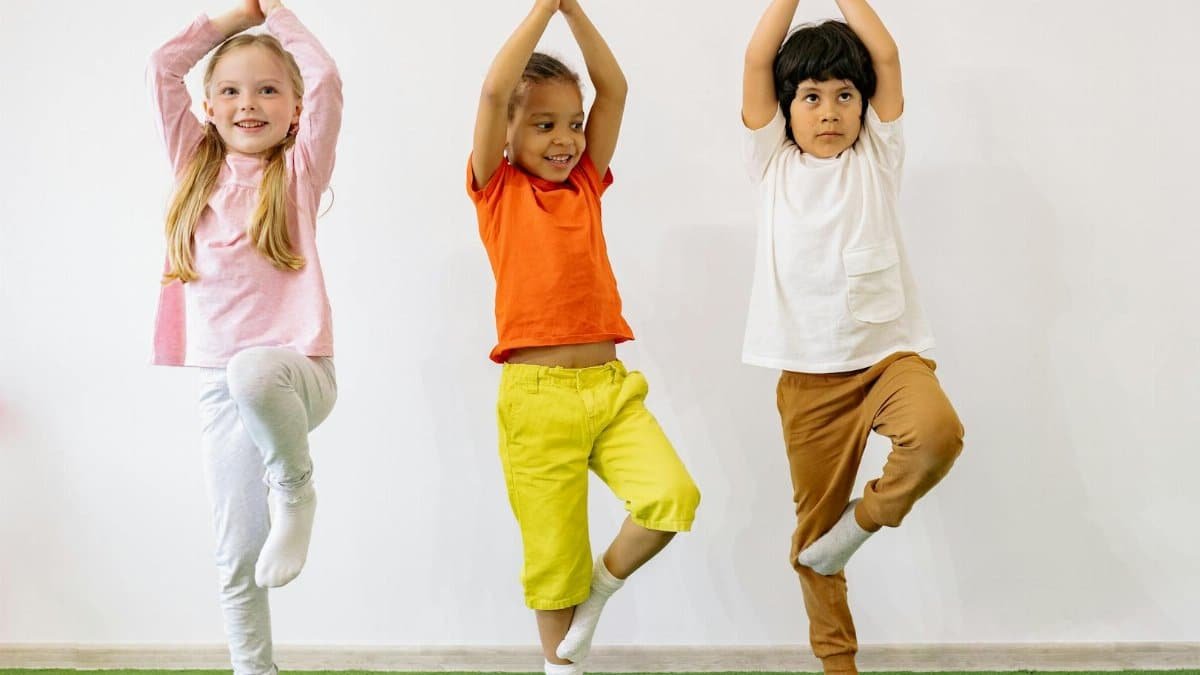
When an animal hunches or stiffens, it’s like a statue coming to life with unease. Cats arch backs not just in threat but in subtle tension from changes like new furniture. In herds, cows lower heads rigidly under social stress, per agricultural studies. The NIH’s research on animal behavior links this to physiological responses, noting stiffness in 65% of stressed livestock. Urban pet owners see it in rigid stances during thunderstorms, a cue to offer comfort zones.
This signal’s complexity unfolds in therapy settings. A horse’s tense posture might mirror a rider’s anxiety, creating a feedback loop for growth. One public reflection described how noticing a dog’s stiff gait led to discovering its arthritis, paralleling the owner’s joint issues and sparking joint walks for healing.
Yet posture reveals resilience too. Relaxed forms signal eased tension, a goal in mindfulness practices incorporating animal observation. It’s about reading the body’s silent language.
6. Avoidance Behaviors
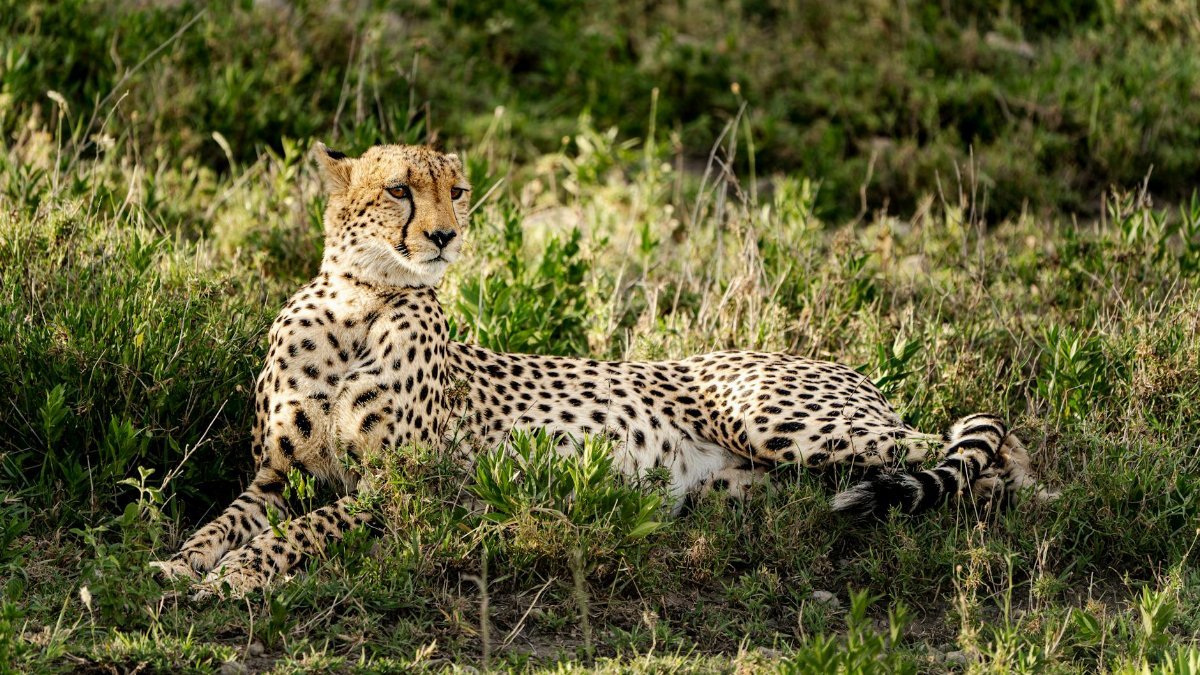
Eyes darting away, bodies turning sidelong—these avoidance tactics speak volumes about hidden discomfort. In wolves, averted gazes prevent conflict; in pets, they signal overwhelm from too much attention. Data from the Pew Research Center on pet trends shows 55% of owners note this in multi-pet households, amid rising adoptions. It invites gentle approaches, like giving space, to rebuild trust.
Anecdotes illuminate: a shelter cat hiding during visits, its avoidance revealing past trauma, much like human withdrawal. Recognizing this fosters patience, turning signals into pathways for connection.
In nature, avoidance aids survival, but in human-animal bonds, it highlights needs for balance. As 2025 sees more hybrid work, integrating these cues into daily life could enhance well-being for all.
These signals, woven into our interactions, remind us that tension hides but doesn’t disappear. By heeding them, we uncover paths to harmony.