

In a world spinning faster than ever, it’s no surprise that more Americans are turning to natural remedies for peace of mind. A recent survey from the National Institutes of Health revealed that nearly 20% of adults now incorporate herbal supplements into their daily routines for stress relief, up from just 12% a decade ago. This surge reflects a broader quest for inner calm amid relentless demands. But what if the key to tranquility lies not in high-tech apps or therapy sessions, but in age-old plants? Exploring herbs that support inner calm offers a gentle, accessible path. These botanicals, backed by both tradition and emerging science, can help soothe the mind without the side effects of pharmaceuticals. As we delve into ten standout options, remember that while promising, they’re best used alongside professional advice.
1. Chamomile
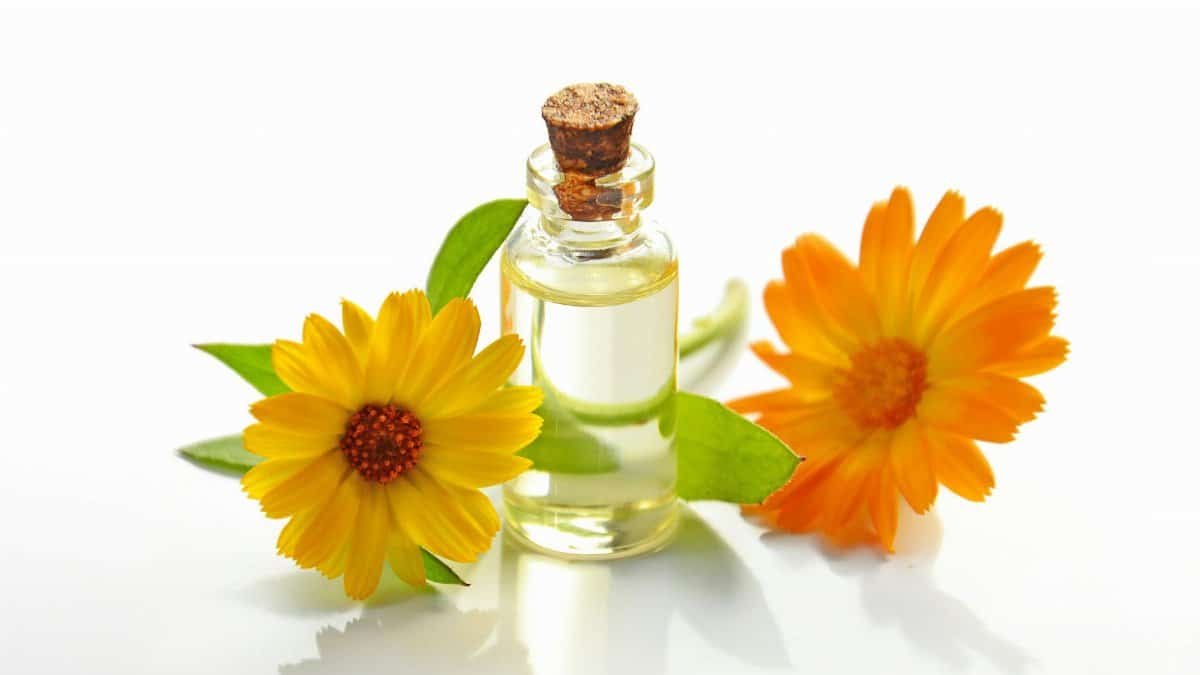
Chamomile has long been the go-to herb for winding down after a hectic day. Picture a busy parent in suburban Chicago, finally settling into a quiet evening with a steaming mug of chamomile tea. The floral scent alone seems to melt away the day’s tensions. This daisy-like plant contains apigenin, an antioxidant that binds to brain receptors, promoting relaxation much like a mild sedative. Studies suggest it can ease anxiety and improve sleep quality. For instance, one trial found participants who drank chamomile extract reported better rest. It’s versatile too, available as tea, capsules, or essential oil. Yet, its simplicity belies a deeper impact: in a culture obsessed with productivity, chamomile invites a pause, a moment to breathe. Just be mindful of allergies if you’re sensitive to ragweed.
Delving further, chamomile’s history stretches back to ancient Egypt, where it was revered for healing. Today, modern research supports those old practices. A review in the journal Molecular Medicine Reports highlights its anti-inflammatory properties, which may indirectly bolster mental calm by reducing bodily stress. One anonymous account from an online forum described it as “a soft blanket for the soul,” capturing how it eases racing thoughts. Integrating it might start small, like swapping evening coffee for tea. Over time, that ritual builds resilience against daily chaos.
2. Lavender
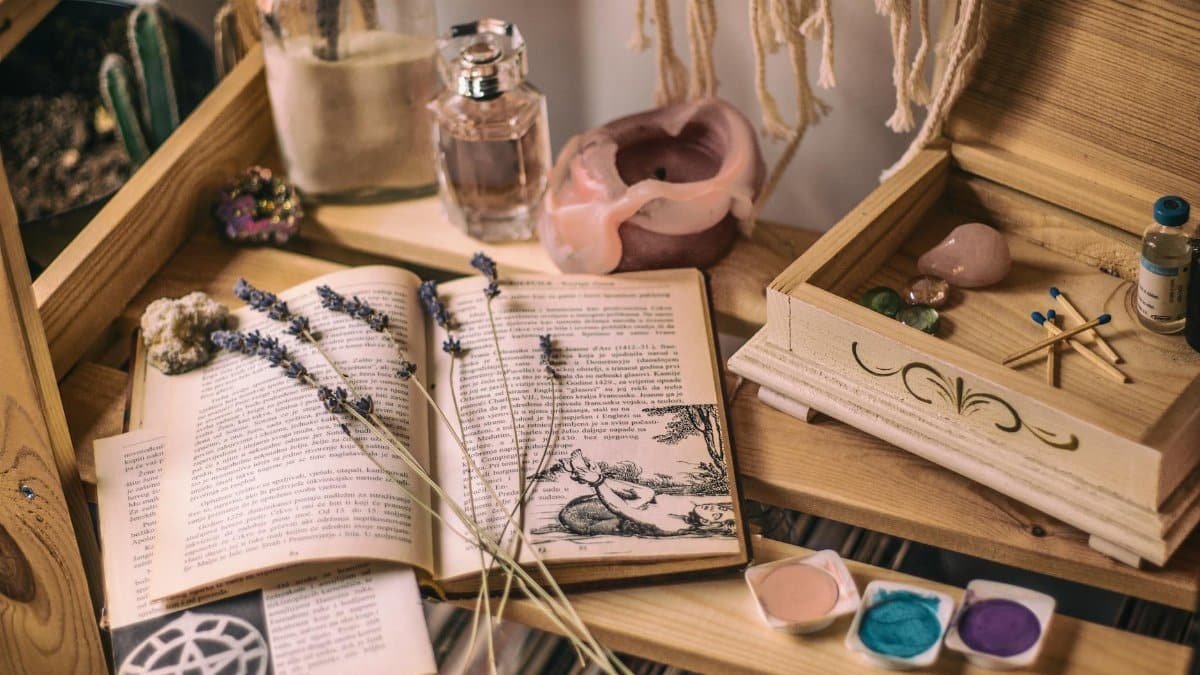
Have you ever caught a whiff of lavender and felt an instant wave of serenity? That’s no accident. This purple-flowered herb is renowned for its calming aroma, often used in aromatherapy to dial down stress. Essential oil from lavender can be diffused or applied topically, interacting with the nervous system to lower cortisol levels. Research backs this up: a study showed inhaling lavender reduced anxiety in dental patients. It’s not just about scent, though; teas and supplements offer similar benefits. In bustling cities like New York, where noise never sleeps, lavender provides a portable escape.
But let’s consider the broader picture. Lavender thrives in various forms, from sachets under pillows to bath salts. One narrative comes to mind of a middle-aged executive who started using lavender oil during commutes, transforming gridlock into a meditative interlude. According to the Evidence-Based Complementary and Alternative Medicine journal, its compounds like linalool modulate brain activity for better mood regulation. Still, potency varies by source, so opt for quality. This herb doesn’t promise miracles, but it nudges toward balance in an unbalanced world.
3. Valerian Root
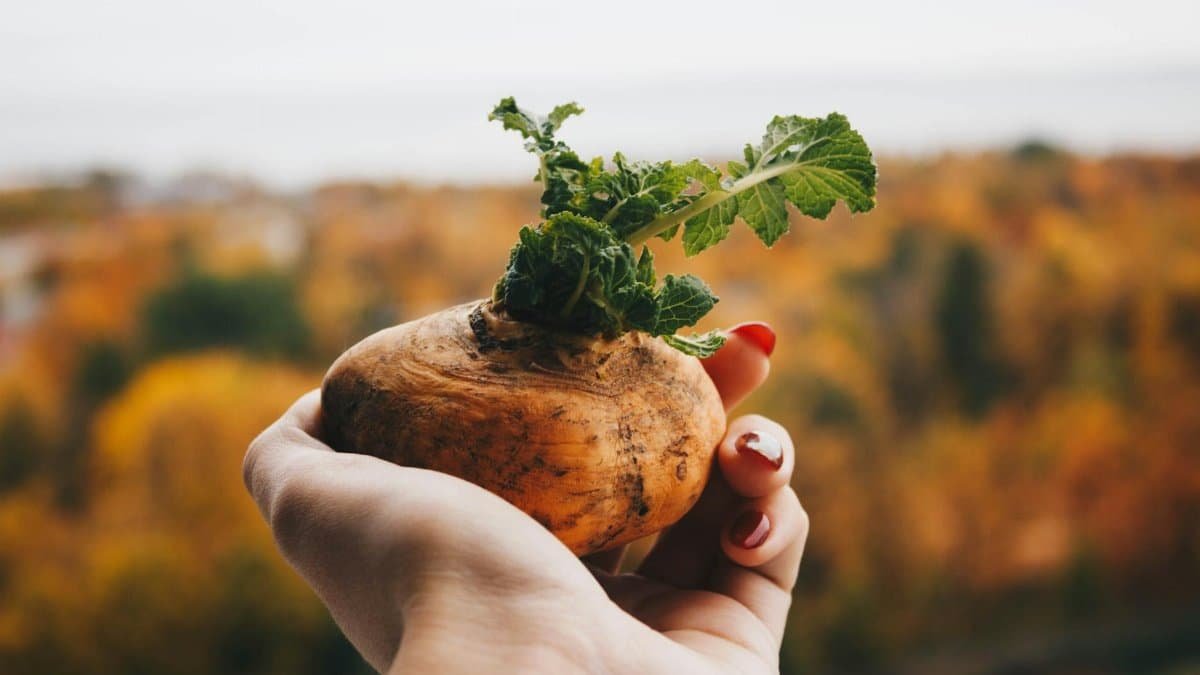
Valerian root stands out for those battling persistent insomnia, a common thief of inner peace. Derived from a perennial plant native to Europe and Asia, it’s been used for centuries to promote sleep. The root’s valerenic acid enhances GABA, a neurotransmitter that calms brain activity. Users often report falling asleep faster and staying asleep longer. Imagine a night shift worker in Detroit, relying on valerian to reset their rhythm after erratic hours. It’s available in teas or pills, though its earthy smell might take getting used to.
Shifting angles, valerian’s role extends beyond bedtime. Some find it eases daytime anxiety, creating a foundation for sustained calm. A meta-analysis in the American Journal of Medicine confirms its efficacy for sleep disorders, with minimal side effects compared to drugs. Yet, interactions with medications warrant caution. One shared experience online painted it as a “gentle lullaby,” helping quiet mental chatter. Incorporating it could involve evening routines, fostering habits that support long-term emotional stability.
4. Ashwagandha

Ashwagandha, an adaptogen from Ayurvedic tradition, helps the body adapt to stress. This shrub’s roots contain withanolides that regulate cortisol, the stress hormone. In our high-pressure society, it’s a ally for maintaining equilibrium. Clinical trials indicate it reduces anxiety scores significantly. Think of a teacher in Atlanta, juggling virtual classes and family, who credits ashwagandha for steady nerves. Taken as powder or capsules, it builds resilience over weeks.
Exploring tensions, ashwagandha isn’t instant; patience is key. But its holistic approach addresses root causes, not just symptoms. The Journal of Alternative and Complementary Medicine details a study where participants experienced lower stress and better sleep. Anecdotes abound of renewed energy, like one person noting it “lifted the fog” of chronic worry. For middle-aged readers facing midlife shifts, it offers a natural boost without overstimulation.
5. Passionflower
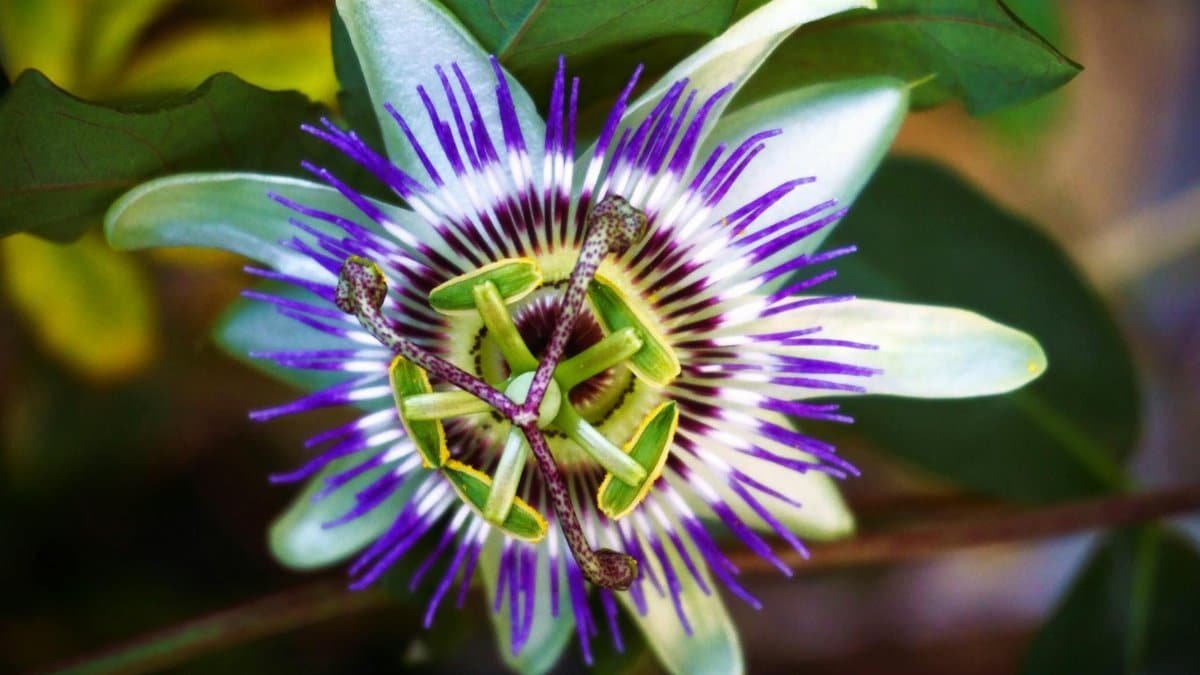
Passionflower vines produce striking blooms, but their real gift is tranquility. Native to the Americas, this herb boosts GABA levels, easing nervousness. It’s particularly helpful for those with racing minds before bed. A cup of passionflower tea might transform a restless evening into restful slumber. In rural Texas, where life moves slower yet stresses persist, locals swear by it for unwinding.
Let’s weave in a snapshot: a remote worker described brewing passionflower during Zoom marathons, finding it dulled the edge of digital fatigue. Research in Phytotherapy Research supports its anxiolytic effects, comparable to some prescriptions. However, combining with sedatives requires care. This herb embodies nature’s subtle power, reminding us that calm often blooms from unexpected places.
6. Lemon Balm
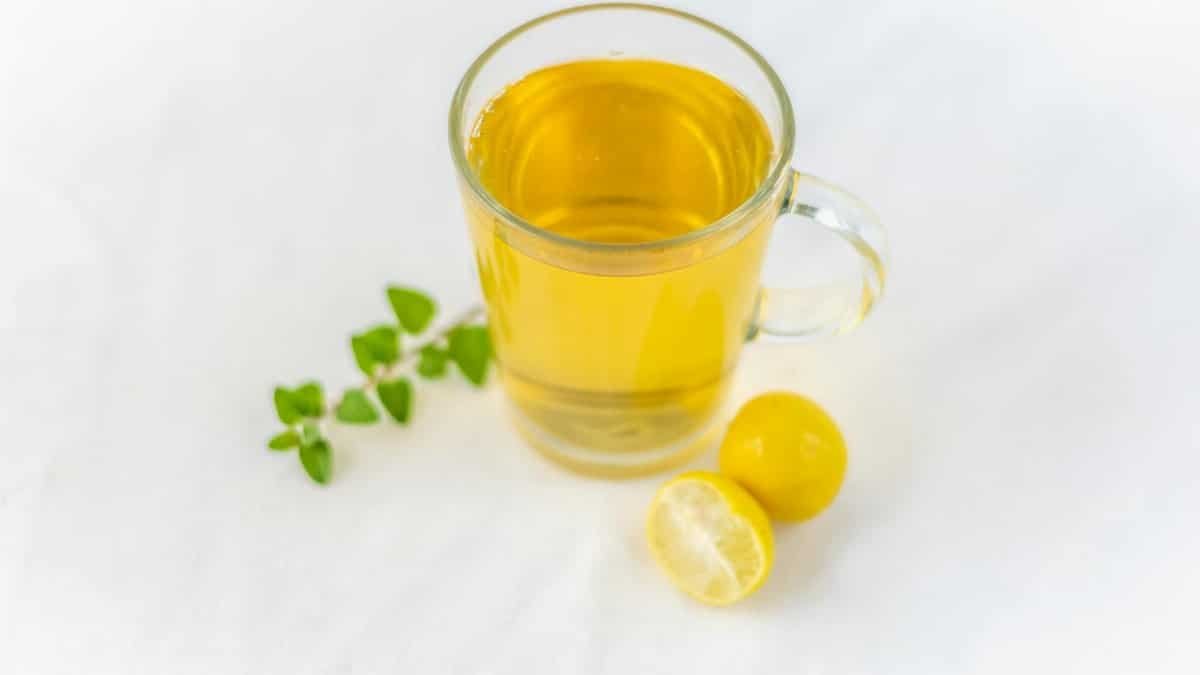
Lemon balm, with its citrusy leaves, uplifts while soothing. Part of the mint family, it calms the nervous system and improves mood. Studies show it reduces agitation in Alzheimer’s patients, hinting at broader applications. For everyday use, it tackles mild anxiety, perhaps aiding a student in Boston during exam season.
Diving straight into nuance, lemon balm pairs well with other herbs, amplifying effects. A trial from the Nutrients journal found it enhanced cognitive function under stress. One forum post anonymously shared how it “brightened gloomy days,” fostering optimism. Fresh or dried, it’s easy to grow, encouraging a hands-on approach to wellness.
7. Holy Basil

Holy basil, or tulsi, is sacred in India for its protective qualities. As an adaptogen, it balances stress responses and supports immunity. Sipping tulsi tea might steady someone amid California’s wildfire seasons, where anxiety spikes with the smoke.
Reflecting on its depth, holy basil also aids digestion, indirectly boosting mental clarity. Evidence from Journal of Ayurveda and Integrative Medicine shows reduced stress markers. Stories circulate of it providing “inner armor” against life’s blows. In 2025, with ongoing global uncertainties, such herbs gain renewed relevance.
8. Rhodiola

Rhodiola rosea thrives in cold climates, much like its ability to fortify against mental fatigue. It enhances serotonin and dopamine, combating burnout. Arctic explorers historically used it; now, office workers in Seattle do too.
Starting with a question: What if an herb could sharpen focus while easing worry? Rhodiola does just that, per studies in Phytomedicine. An online reflection described it as “fuel for the soul,” energizing without jitters. Ideal for demanding careers, it promotes sustained calm.
9. St. John’s Wort
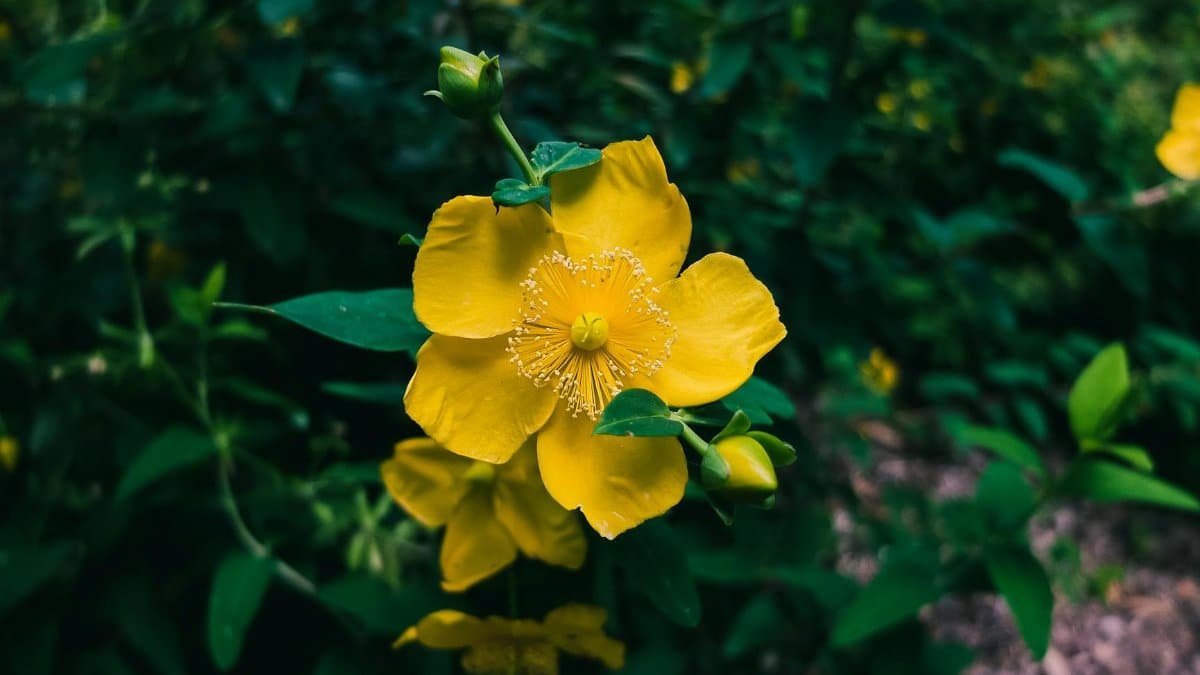
St. John’s wort brightens moods with its yellow flowers. Effective for mild depression, it inhibits neurotransmitter reuptake. Caution is key, as it interacts with many drugs.
Through a lens of caution and benefit, it’s like nature’s antidepressant. The Cochrane Database of Systematic Reviews affirms its efficacy. One account spoke of emerging from “emotional winter.” For inner support, it’s a thoughtful choice.
10. Kava
Kava, from Pacific islands, induces relaxation via kavalactones. It’s social yet solitary, often in ceremonies or solo drinks. In Hawaii, it’s a cultural staple for calm.
Balancing views, kava’s liver risks mean moderation. Research in Phytotherapy Research notes its anxiety relief. A shared story highlighted “waves of peace” washing over. As herbs that support inner calm evolve in popularity, kava rounds out options with exotic flair.