
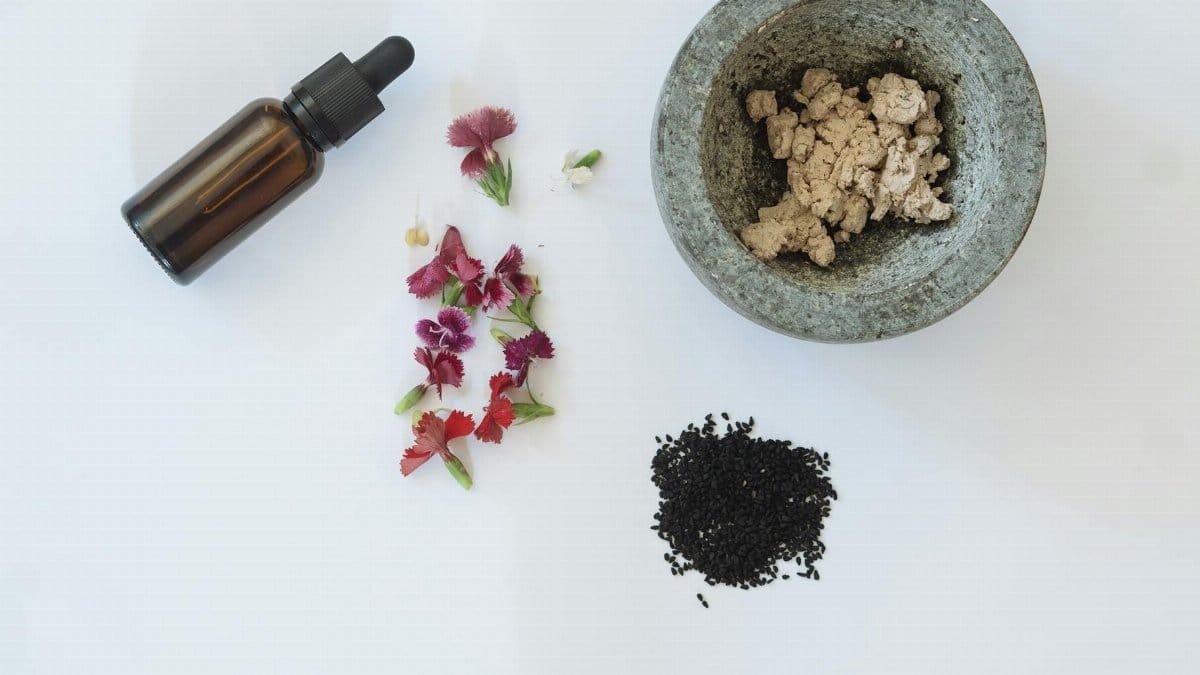
A recent study from the National Institutes of Health showed that nearly 40% of Americans turned to herbal remedies for stress relief in the past year, a sharp rise from a decade ago. This surge reflects a broader shift toward simpler, plant-based ways to unwind amid the relentless pace of modern life. In Virginia, where rolling hills and coastal breezes offer a natural backdrop for calm, residents are increasingly exploring local botanicals to ease tension. From the Shenandoah Valley’s wild herbs to urban gardens in Richmond, people seek out natural ingredients to improve their sense of peace. But what makes these elements so effective? They often work by gently supporting the body’s relaxation response, without the side effects of synthetic alternatives. As we delve into nine standout options, consider how incorporating them could transform everyday routines into moments of genuine respite.
1. Lavender

Lavender has long held a place in the toolkit of those chasing tranquility. Native to Mediterranean regions but thriving in Virginia’s temperate climate, this purple-flowered herb releases a soothing aroma that signals the brain to dial down anxiety. Researchers have noted its ability to lower heart rates during stressful situations. One study, published in the journal Phytotherapy Research, found that inhaling lavender essential oil reduced cortisol levels in participants facing mild stressors.
Picture a middle-aged accountant in Arlington, juggling deadlines and family demands. She adds a few drops of lavender oil to her evening bath, and suddenly the day’s chaos fades. It’s not magic; it’s the compound linalool at work, interacting with neurotransmitters to promote calm. Virginia farms like those in the Piedmont region grow varieties suited to local soil, making fresh bundles accessible at farmers’ markets. For best results, steep dried flowers in hot water for a bedtime tea. Just remember, quality matters—opt for organic sources to avoid pesticides that could undermine the benefits.
Integrating lavender isn’t about overhauling your life. Start small. A sachet under the pillow might be enough to invite deeper sleep. And in a state where history meets modernity, like colonial gardens in Williamsburg echoing with herbal traditions, lavender bridges past wisdom with present needs.
2. Chamomile

Step into any Virginia tea shop, and chamomile often steals the spotlight for its gentle, apple-like scent. This daisy-like flower, with roots in ancient Egyptian remedies, excels at easing digestive woes that fuel restlessness. A cup before bed can quiet the mind, thanks to apigenin, an antioxidant that binds to brain receptors promoting drowsiness.
Consider the story of a teacher from Norfolk who shared anonymously online about her nightly ritual. After long days managing classrooms, she brews chamomile from her backyard patch, feeling the warmth spread and worries dissolve. It’s a simple act, yet profound in its impact. The National Center for Biotechnology Information highlights studies where chamomile improved sleep quality in insomniacs, underscoring its role in natural relaxation strategies.
Virginia’s climate supports chamomile cultivation, especially in sunny spots along the Chesapeake Bay. Harvest the flowers fresh or dried; they’re versatile in teas, tinctures, or even baked goods. Avoid it if allergic to ragweed, but for most, it’s a safe entry point to exploring how natural ingredients improve daily calm.
3. Valerian Root
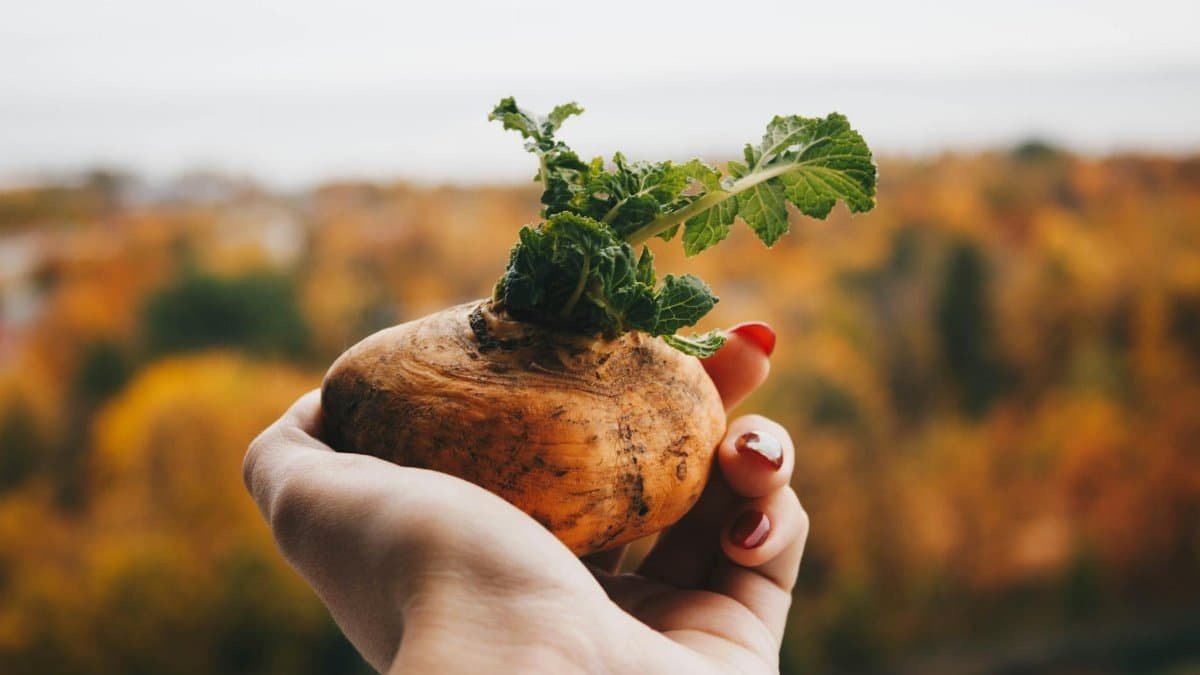
Valerian root digs deep into the earth of Virginia’s forests, offering a potent ally against insomnia. Unlike quick fixes, it builds relaxation over time by enhancing GABA levels in the brain, that neurotransmitter responsible for quieting neural chatter. Europeans have used it for centuries, and now it’s gaining traction stateside.
Imagine a retiree in Roanoke, tossing through sleepless nights. He tries valerian capsules, sourced from local herbalists, and notices dreams come easier. This isn’t hype; evidence from the Office of Dietary Supplements at NIH supports its efficacy for mild sleep disturbances, though it advises consulting doctors for ongoing issues.
The root’s earthy smell might not appeal to everyone, so pairing it with honey in tea helps. In Virginia, where Appalachian trails hide wild patches, foraging responsibly adds an adventurous twist. It’s about reconnecting with nature’s pace, letting the plant’s compounds guide you toward restorative rest.
4. Passionflower
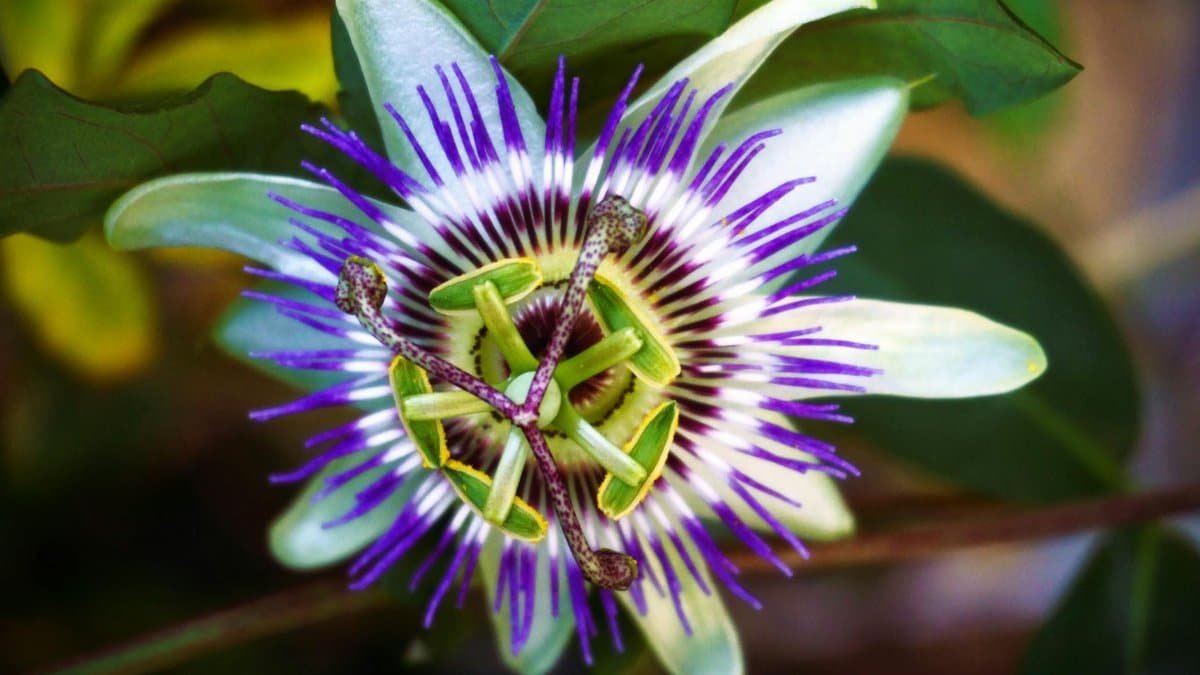
Passionflower vines climb fences across Virginia’s countryside, their intricate blooms hiding a secret for serenity. Native to the southeastern U.S., this plant boosts GABA activity, much like valerian, but with a milder profile suited for daytime use. It’s particularly helpful for those whose minds race with worries.
A brief anecdote from a Charlottesville artist illustrates: She incorporates passionflower tincture into her afternoon routine, finding it clears creative blocks without drowsiness. Such experiences echo findings in a review by the National Library of Medicine, which notes reduced anxiety in clinical trials.
Grow it in your garden for fresh leaves, or buy dried from co-ops in places like Blacksburg. Brew as tea or take in supplement form; either way, it exemplifies how natural ingredients improve emotional balance by harmonizing with the body’s rhythms.
5. Lemon Balm

Lemon balm sprigs brighten Virginia herb gardens with their citrusy freshness, acting as a natural mood lifter. Part of the mint family, it calms nerves by modulating stress hormones, making it ideal for mid-afternoon slumps.
One public forum post described a Richmond office worker’s transformation: “Sipping lemon balm tea turned my frantic days into manageable ones,” the anonymous user wrote. This aligns with research from the PubMed Central, showing improved cognitive function and reduced agitation.
Easy to cultivate in pots or plots, it thrives in the state’s varied weather. Crush leaves for immediate aroma therapy, or infuse in oils. It’s a reminder that relaxation often stems from familiar, accessible plants.
6. Ashwagandha

Ashwagandha, an adaptogenic herb from Ayurvedic traditions, adapts well to Virginia’s wellness scene. It combats chronic stress by balancing cortisol, helping users feel more grounded amid life’s demands.
Think of a Fredericksburg parent navigating work-life balance. Incorporating ashwagandha powder into smoothies, she reports steadier energy. Studies, like those summarized by the NIH, confirm its stress-reducing effects over weeks of use.
While not native, it’s grown in controlled environments here. Mix with milk for a traditional tonic, embracing how such natural ingredients improve resilience in unpredictable times.
7. Holy Basil

Holy basil, or tulsi, brings an exotic yet adaptable edge to Virginia’s herbal repertoire. Revered in India for its sacred status, it lowers inflammation linked to stress, fostering mental clarity.
A yoga instructor in Alexandria might steep it daily, feeling its warming effects chase away fog. Research supports this, with trials indicating enhanced mood regulation.
Plant it in sunny Virginia spots; its peppery leaves make invigorating teas. It highlights the global fusion enriching local paths to calm.
8. Rhodiola

Rhodiola rosea, hardy like Virginia’s mountain folk, boosts endurance against fatigue. It enhances serotonin and dopamine, key players in mood stability.
An outdoor enthusiast from the Blue Ridge shares how rhodiola supplements sustain his hikes, mentally and physically. Evidence points to its fatigue-fighting prowess in demanding scenarios.
Though arctic in origin, extracts are widely available. It’s a testament to nature’s arsenal for sustained relaxation.
9. American Ginseng

American ginseng roots deep in Virginia’s Appalachian soil, a native treasure for vitality and calm. It modulates stress responses, preventing burnout.
Harvesters in the southwest respect its slow growth, using it to unwind after laborious days. Studies affirm its adaptogenic qualities, aiding recovery.
Sustainable sourcing is key; brew roots for tea. In 2025, as interest grows, it embodies how local natural ingredients improve well-being rooted in place.