

Introduction

A recent study from the American Psychological Association revealed that nearly 40% of adults report heightened stress levels in the evening hours, up from 32% just a decade ago. This spike often stems from the day’s accumulated pressures, from work demands to family obligations, leaving many searching for simple ways to unwind. Amid this trend, certain foods have emerged as unexpected allies in calming the mind and body. These aren’t miracle cures, but everyday options that can help quiet evening stress through their natural properties. Think of foods, quiet, evening routines as a gentle nudge toward relaxation, backed by science on nutrition and mood. As evenings grow longer in 2025’s busy landscape, incorporating these into dinner or snacks might just shift the balance toward peace.
1. Chamomile-Infused Options

Chamomile has long held a spot in herbal remedies, but its role in evening routines goes beyond tea. Consider how a simple cup, or even chamomile-laced baked goods, can signal the body to slow down. One woman in her forties, juggling a corporate job and two kids, shared anonymously in an online forum how swapping her post-dinner coffee for chamomile muffins changed her nights. “It was like flipping a switch,” she described, noting fewer racing thoughts before bed. Research supports this; a study published in the journal Molecular Medicine Reports found chamomile’s apigenin compound binds to brain receptors, promoting mild sedation. Molecular Medicine Reports Study on Chamomile.
This isn’t about forcing relaxation. Instead, it builds gradually. Picture crumbling a chamomile cookie while reading, the subtle floral notes easing tension. Yet, not everyone responds the same; some find it too subtle. That’s the nuance: chamomile works best paired with consistency, perhaps as part of a winding-down ritual. In urban areas like New York, where stress runs high, cafes now stock chamomile-infused treats, reflecting a broader shift toward mindful eating.
Experts from the National Institutes of Health emphasize moderation, warning against over-reliance on any single herb. Still, for those evenings when anxiety creeps in, chamomile offers a low-key entry point. It invites experimentation, maybe stirring it into yogurt or oatmeal, turning a snack into a soothing practice.
2. Fatty Fish Like Salmon

Start with the science: omega-3 fatty acids in salmon can lower cortisol levels, the hormone tied to stress. A report from Harvard Medical School highlights how regular consumption supports brain health, potentially easing evening worries. Harvard Medical School on Omega-3s. But let’s make this tangible. Imagine grilling a salmon fillet as the sun sets, the sizzle mixing with kitchen aromas, creating a moment of focus amid chaos.
It’s not always straightforward. Some avoid fish due to taste or sustainability concerns, yet alternatives like canned versions keep it accessible. In the Midwest, where fresh seafood isn’t abundant, families turn to simple recipes, baking salmon with herbs for a quick meal. This approach fosters calm without overwhelming prep time. Tensions arise when dietary restrictions clash, but plant-based omega sources, like algae supplements, bridge the gap for vegetarians.
Beyond facts, there’s a story in how salmon fits into American dinners. One trend in 2025 sees meal kits emphasizing these stress-busters, helping busy professionals reclaim their evenings. The key lies in variety; don’t repeat the same dish nightly. Mix it with vegetables for a balanced plate that nourishes both body and mind.
3. Nuts and Seeds Assortment
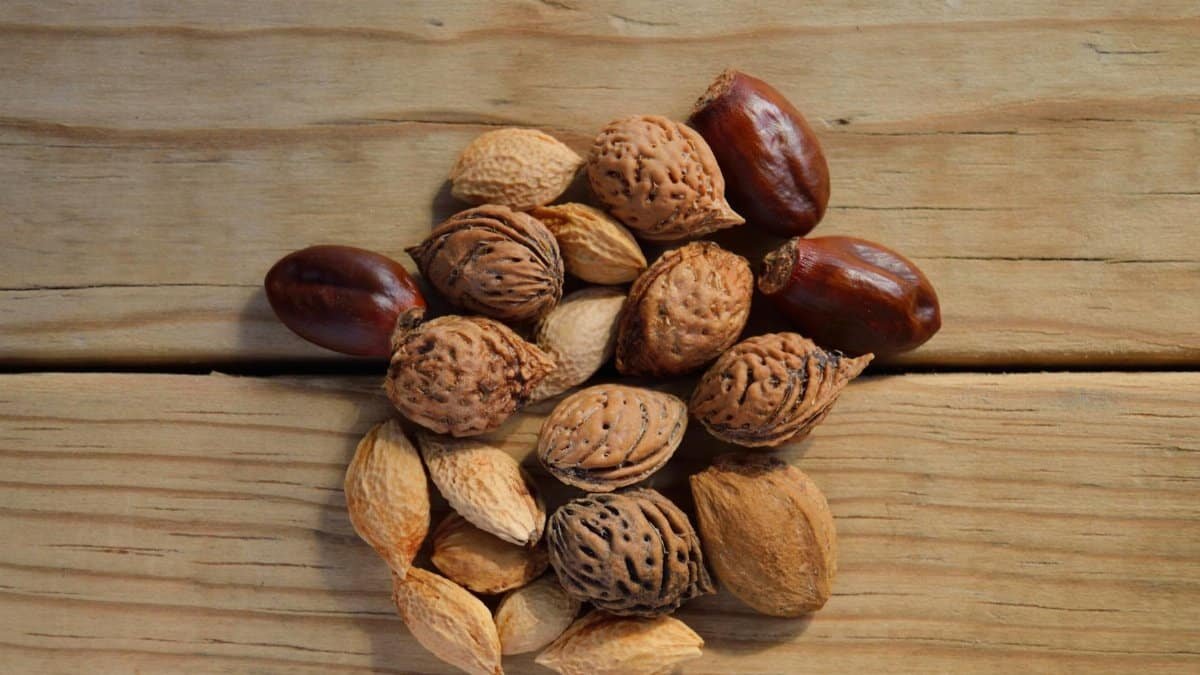
What draws people to nuts like almonds or seeds such as pumpkin? Magnesium, for one, which relaxes muscles and nerves. The Mayo Clinic notes that deficiencies in this mineral can amplify stress responses. Mayo Clinic on Stress and Nutrition. Dive into a scenario: a quiet trail mix scattered on a coffee table, picked at during a family movie night, subtly dialing down the day’s residue.
Variety keeps it engaging. Walnuts bring omega-3s, while sunflower seeds add vitamin E, an antioxidant fighting oxidative stress. Challenges emerge with allergies, a growing issue, prompting swaps to safe alternatives. Reflect on broader patterns; in coastal California, health trends amplify these snacks, but inland regions adapt with local twists, like spiced pecans.
Nuance comes in portions. Overdoing it leads to calorie overload, so mindfulness matters. Yet, the ritual of cracking open a pistachio shell can itself be meditative, turning snacking into a pause. As evenings in 2025 demand more from us, these small handfuls provide a practical anchor.
4. Dark Chocolate Bites
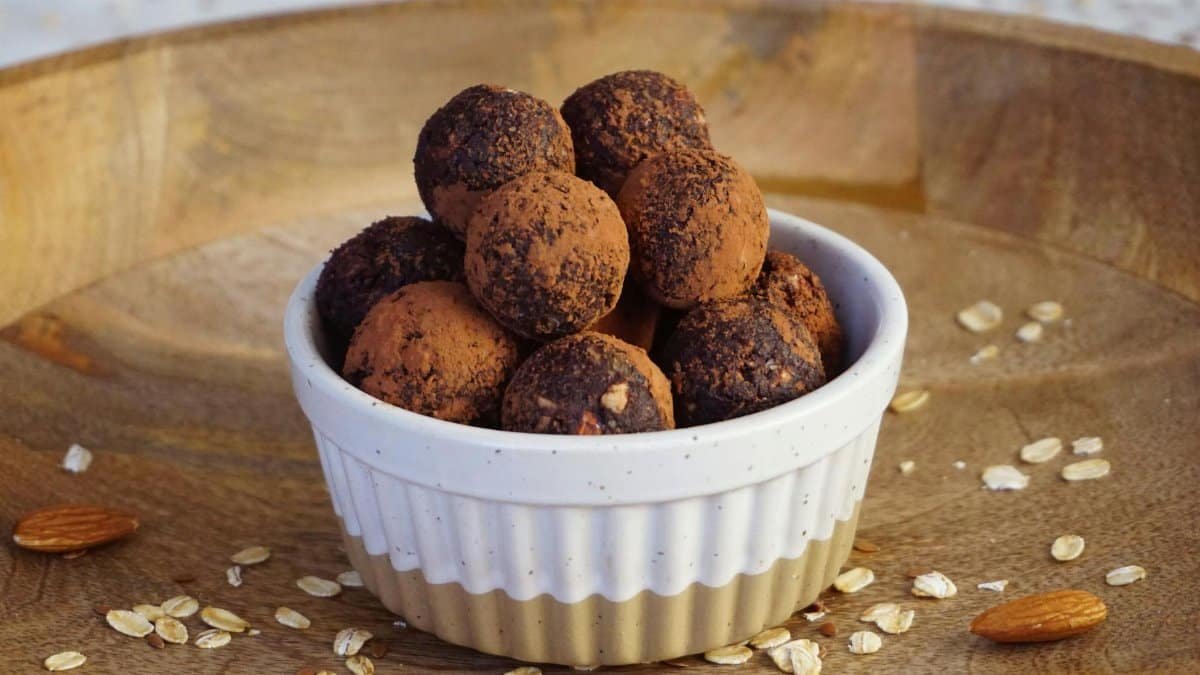
A rhetorical question: Could something indulgent actually ease stress? Dark chocolate, with its flavonoids, boosts endorphins and serotonin. A study in the Journal of Psychopharmacology backs this, showing mood improvements after consumption. Journal of Psychopharmacology Study on Chocolate. Envision savoring a square slowly, the bitterness melting into comfort, perhaps while journaling thoughts from the day.
It’s not without caveats. Sugar content varies, and too much caffeine can counteract benefits. Balance is crucial, opting for 70% cocoa or higher. In bustling cities like Chicago, chocolate bars infused with calming herbs gain popularity, blending tradition with innovation. One anonymous account online detailed how a nightly ritual of dark chocolate helped manage work-induced anxiety, describing it as “a small luxury that resets my mind.”
Explore the complexity: cultural views on chocolate shift, from guilty pleasure to wellness tool. This evolution mirrors how foods, quiet, evening stress in subtle ways, encouraging intentional choices over impulse.
5. Warm Dairy or Alternatives

Observe a classic: a glass of warm milk before bed. Tryptophan in dairy aids serotonin production, linked to better sleep. The Cleveland Clinic discusses how this amino acid influences relaxation. Cleveland Clinic on Sleep-Promoting Foods. But expand the view; non-dairy options like almond milk work similarly when fortified.
Storytelling fits here. Picture a suburban parent heating oat milk with a dash of cinnamon, sharing it with a restless child, fostering a shared calm. Tensions? Lactose intolerance affects many, pushing toward plant-based innovations that maintain the warmth’s comfort. In 2025, with rising vegan trends, these alternatives dominate shelves, making relaxation inclusive.
The flow varies: sometimes it’s about the temperature, creating a sensory hug. Other times, adding honey or vanilla layers flavor and benefit. This adaptability underscores how simple adjustments can quiet evening unrest.
6. Herbal Teas Beyond Chamomile
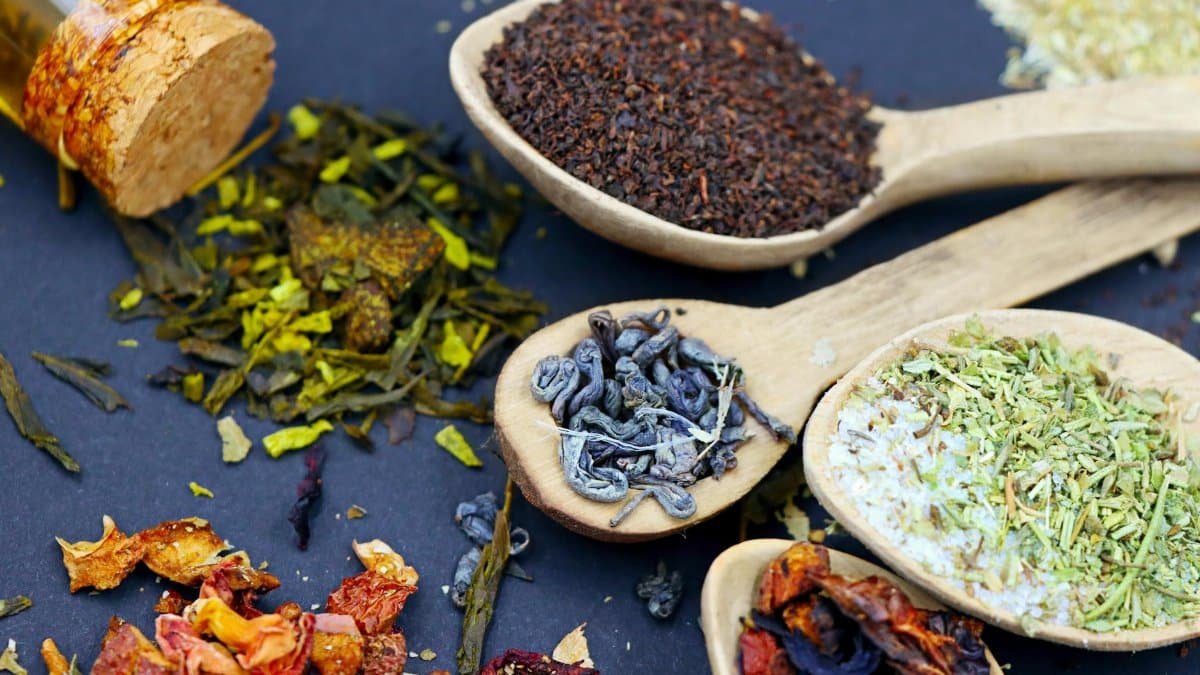
Building on earlier ideas, explore valerian or lavender teas. These herbs target GABA receptors, enhancing calm. Research from the National Center for Complementary and Integrative Health supports their use for mild anxiety. NCCIH on Valerian. Straight into analysis: steeping a bag as twilight fades offers a ritualistic break, steam rising like a signal to unwind.
Different facets emerge. Lavender’s aroma therapy aspect doubles the effect, while passionflower adds variety for those seeking alternatives. Challenges include taste preferences; not all enjoy the earthiness. In the South, sweetening with local honey adapts it regionally.
Reflect on impacts: as stress patterns evolve in 2025, these teas integrate into wellness routines, often paired with meditation apps. The narrative weaves through personal adaptation, turning a cup into a bridge to quieter nights. Foods, quiet, evening like this remind us of nature’s understated power.