

In a fast-paced world where stress seems baked into daily life, a surprising statistic catches the eye: according to a 2023 survey by the American Psychological Association, nearly 77 percent of adults report experiencing stress that impacts their physical health. This figure underscores a growing quest for natural remedies. Enter the realm of herbs that support inner calm, offering subtle yet potent ways to ease the nervous system. These plants, long revered in traditional practices, are gaining traction among middle-aged Americans seeking balance without relying solely on pharmaceuticals. From bustling offices to quiet home routines, people are turning to these botanicals for a gentler approach to tranquility. As we navigate 2025’s uncertainties, understanding how such herbs work could redefine personal wellness strategies.
1. Chamomile: The Gentle Soother
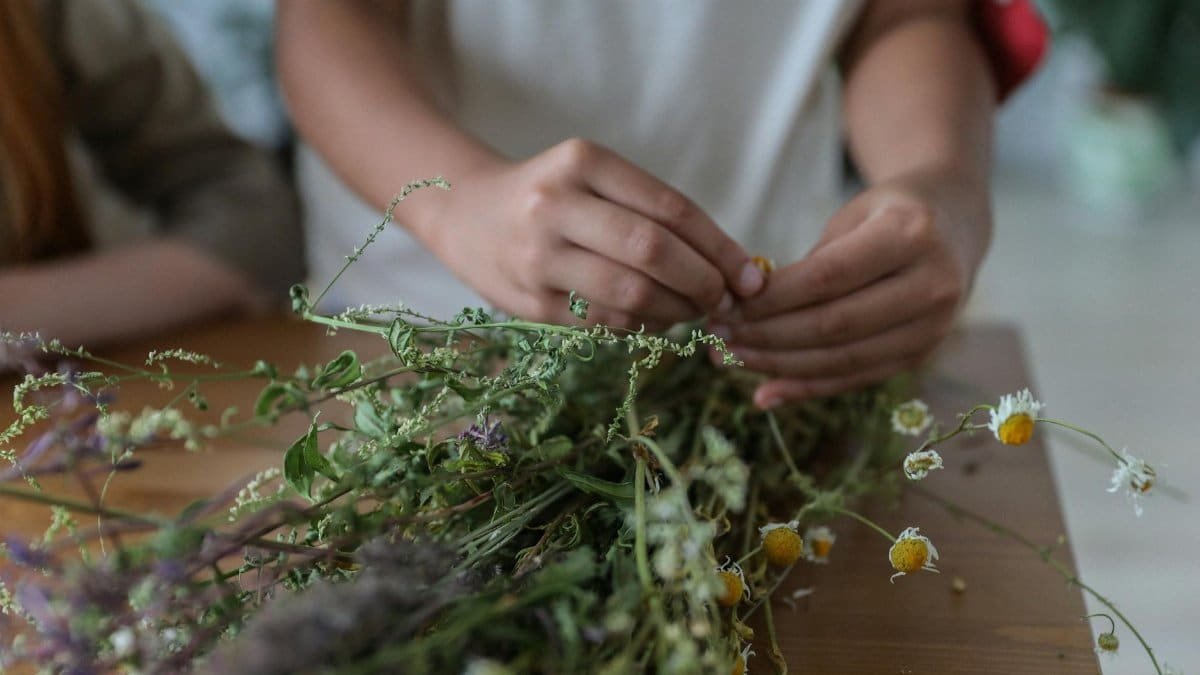
Chamomile has long held a place in evening rituals, its delicate flowers steeping into teas that promise relaxation. This herb acts on the brain much like certain anti-anxiety medications, binding to receptors that promote calm without the grogginess. Picture a harried parent in suburban Chicago, winding down after a long day by sipping a warm cup, the floral aroma filling the kitchen. It’s not just folklore; research backs it up. A study published in the journal Phytotherapy Research found that chamomile extract significantly reduced symptoms of generalized anxiety disorder in participants over eight weeks.
Yet, chamomile’s appeal extends beyond science. In conversations with herbalists, one described how clients report a sense of emotional release, as if the herb whispers permission to let go. This ties into broader trends where Americans, facing midlife pressures like career shifts or family demands, seek accessible tools for inner support. Integrating chamomile isn’t complicated. Start with a simple infusion before bed, perhaps paired with a quiet moment of reflection. But variety matters; some prefer it in capsule form for on-the-go relief. While generally safe, those with ragweed allergies should proceed cautiously, consulting a doctor to avoid reactions.
Exploring further, chamomile’s history reveals its timeless role. Ancient Egyptians dedicated it to their sun god, using it for everything from fevers to frayed nerves. Today, in 2025, it’s evolving. Wellness brands are infusing it into everything from gummies to bath salts, making inner calm more approachable. One anonymized account from an online discussion highlighted a user’s breakthrough: after months of insomnia, regular chamomile tea shifted their sleep patterns, fostering a deeper sense of peace. Such stories illustrate how this herb bridges tradition and modernity, supporting the inner self amid life’s chaos. For more on the evidence, check out the National Institutes of Health study on chamomile’s anxiolytic effects.
2. Lavender: A Scented Path to Serenity
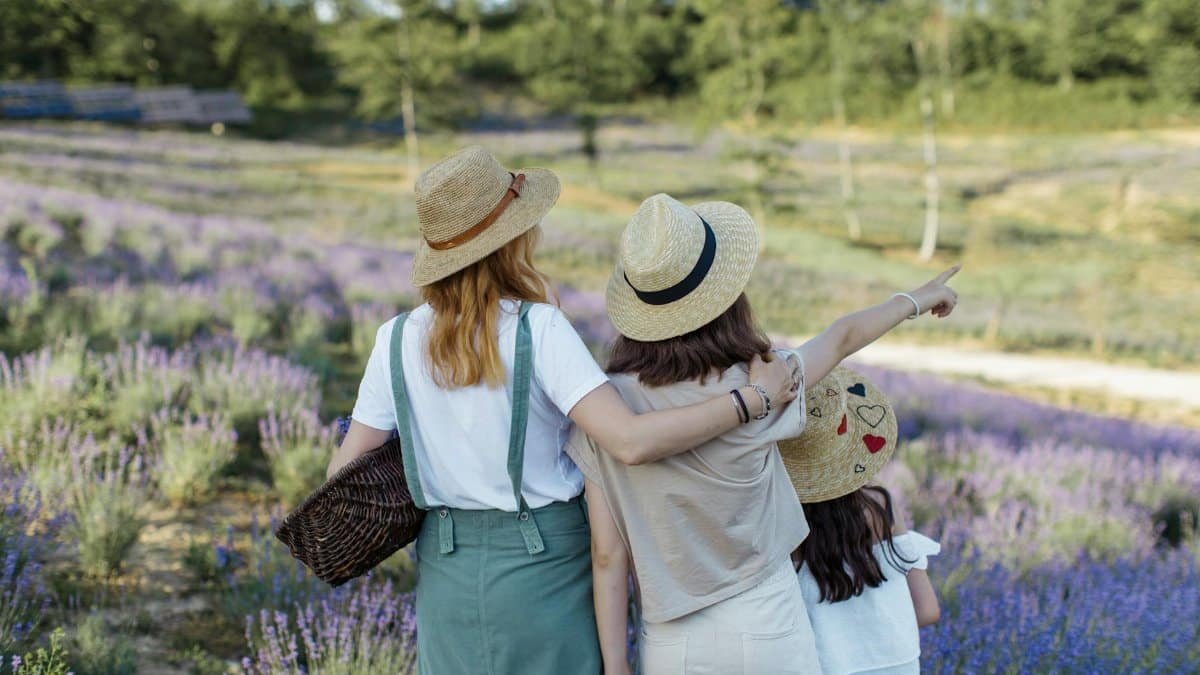
Imagine walking through a sun-drenched field in Provence, the air thick with lavender’s soothing perfume. This vivid scene captures why lavender tops lists for promoting inner calm. Its essential oil influences the limbic system, the brain’s emotional center, reducing stress hormones like cortisol. Users often describe an immediate wave of relaxation upon inhaling it, a simple act that can transform a tense afternoon.
Diving into applications, lavender shines in aromatherapy. Diffusers in home offices have become common, especially among remote workers juggling deadlines. A brief anecdote: a middle-aged accountant in Seattle shared how lavender oil applied to her wrists during tax season helped maintain focus without overwhelm. This isn’t isolated; clinical trials support it. Research from the University of Maryland Medical Center indicates lavender can alleviate mild anxiety, with participants showing improved mood scores after exposure.
But lavender’s story has layers. It’s not always about instant relief; sometimes, it’s the ritual that builds resilience. In 2025, with mental health conversations amplifying, more are experimenting with lavender in teas or tinctures. Challenges arise, though, like skin sensitivity for topical use. Experts recommend patch tests. Broadening the view, lavender intersects with mindfulness practices, enhancing meditation sessions. For deeper insights, refer to the Mayo Clinic’s overview of lavender’s benefits. Through these facets, lavender emerges as a versatile ally in nurturing inner support.
3. Valerian Root: Nature’s Sleep Aid

What keeps you up at night? For many, it’s racing thoughts that valerian root addresses head-on. This herb boosts GABA levels, a neurotransmitter that quiets brain activity, paving the way for restful sleep and, by extension, daytime calm. Unlike synthetic sedatives, it offers a natural unwind, often without morning haze.
Consider a truck driver from Texas, battling shift work’s toll on his rest. He turned to valerian capsules, finding they eased his transition to sleep, restoring a sense of inner equilibrium. Such real-life shifts highlight valerian’s potential. A meta-analysis in the American Journal of Medicine reviewed multiple studies, concluding valerian improves sleep quality for those with insomnia.
Yet, integration requires nuance. Start low, as effects build over time, and pair with consistent bedtime routines. In 2025’s wellness landscape, valerian is popping up in supplements blended with other herbs for amplified support. Side effects are rare but can include headaches, so monitoring is key. Reflecting on trends, online forums buzz with shared experiences; one user noted how valerian helped during a stressful divorce, providing subtle inner support without dependency. This herb’s earthy profile reminds us that calm often roots in patience. Explore the evidence via the NIH Office of Dietary Supplements page on valerian.
4. Lemon Balm: Uplifting Yet Calming
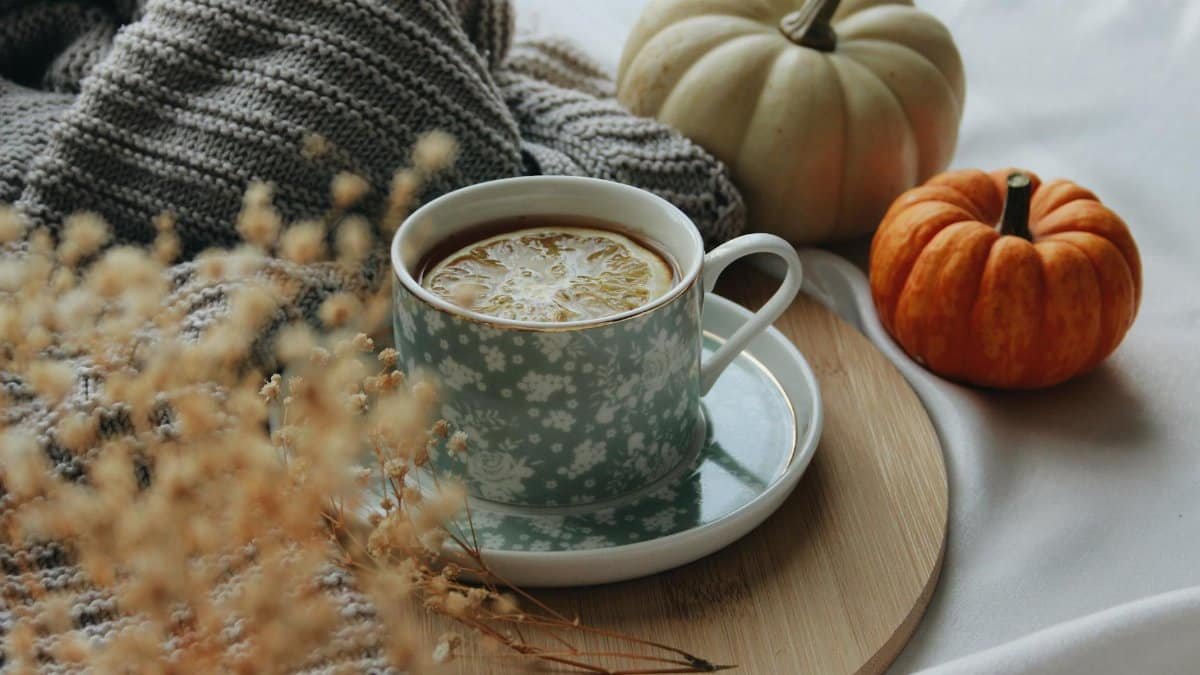
Lemon balm bursts with a citrusy freshness that belies its profound calming effects. It modulates mood by influencing serotonin pathways, helping to alleviate mild depression and anxiety. This makes it a favorite for those seeking herbs that support inner harmony without overpowering sedation.
A narrative twist: in a New York community garden, volunteers harvest lemon balm, sharing how brewing it into tea fosters communal bonds and personal peace. One participant recalled feeling lighter after a cup, as if worries dissolved in the steam. Studies affirm this; research from the journal Nutrients showed lemon balm reduced stress in healthy adults during cognitive tasks.
Expanding, lemon balm thrives in gardens, encouraging hands-on engagement with nature. In 2025, as urban farming rises, it’s empowering individuals to cultivate their own calm. Challenges include its rapid growth, but that’s a small price for the benefits. For variety, try it in salads or as a fresh garnish. This herb embodies balance, blending uplift with tranquility. Delve into the science at the PubMed abstract on lemon balm’s calming properties.
5. Ashwagandha: The Stress Adaptogen

Ashwagandha, an ancient Ayurvedic staple, adapts to the body’s needs, lowering cortisol and bolstering resilience. It’s particularly suited for chronic stress, helping maintain inner calm amid ongoing pressures.
Think of a corporate executive in Atlanta, incorporating ashwagandha into her morning smoothie. Over weeks, she noticed sharper focus and reduced irritability, crediting it for steadying her inner world. Evidence from a 2019 study in the Journal of Alternative and Complementary Medicine supports this, with participants experiencing significant anxiety reduction.
However, ashwagandha isn’t one-size-fits-all; cycling use prevents tolerance. In 2025, its popularity surges in adaptogenic blends, reflecting a shift toward holistic stress management. Potential interactions with thyroid medications warrant caution. This herb invites reflection on adaptability, teaching that inner support often comes from within, amplified by nature. For details, visit the NIH study on ashwagandha’s effects.
6. Passionflower: Easing Restless Minds

Passionflower vines its way into calm with compounds that enhance GABA activity, quieting mental chatter. It’s ideal for those whose anxiety manifests as overthinking, offering a pathway to inner stillness.
In a quiet moment, a teacher from California steeps passionflower tea during grading marathons, finding it softens the edges of her worries. This echoes findings from a review in Phytotherapy Research, where passionflower matched benzodiazepines in reducing anxiety, minus the side effects.
Beyond that, passionflower’s exotic blooms symbolize the beauty in surrender. In 2025, it’s gaining ground in sleep aids, aligning with trends toward natural alternatives. Start with low doses to gauge response. Online sentiments often praise its gentle action; one shared account described it as a “mental hush,” vital during life’s transitions. This herb underscores the interplay of flora and psyche, fostering deeper inner support. Learn more from the Memorial Sloan Kettering Cancer Center’s herb guide.
As these herbs illustrate, supporting inner calm through natural means is both accessible and profound. They invite a reevaluation of how we nurture well-being, blending science with timeless wisdom. Whether steeping a tea or diffusing an oil, the journey toward balance begins with small, intentional steps.