
A recent study from the National Institutes of Health found that nearly 40 percent of adults in the United States turn to natural remedies for stress relief, a number that’s climbed steadily over the past decade amid rising anxiety levels. In Virginia, where rolling hills and coastal breezes offer a natural backdrop for unwinding, this trend feels particularly resonant. Residents from Richmond to the Shenandoah Valley are increasingly exploring herbs and plants that promote calm without the side effects of pharmaceuticals. But what drives this shift? As work pressures mount and digital distractions never cease, many seek simple, earth-sourced ways to ease into rest. This article delves into 10 natural ingredients that improve relaxation, drawing from botanical traditions and modern research. Each one holds potential for those looking to incorporate gentle, effective aids into daily routines, often harvested or inspired by Virginia’s diverse landscapes. From lavender fields in the Piedmont to wild herbs along Appalachian trails, these elements highlight how nature can foster tranquility in everyday life.
1. Lavender
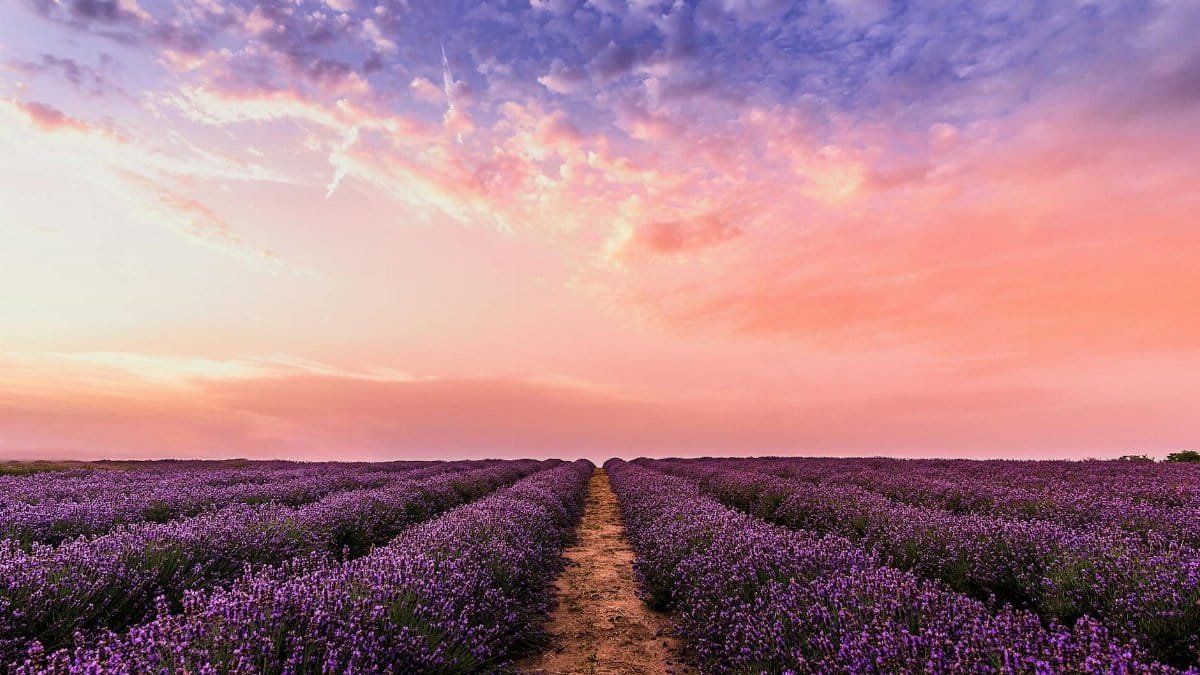
Lavender has long stood as a cornerstone for those chasing calm, its purple blooms dotting Virginia farms like those in the Loudoun Valley. Picture a late afternoon stroll through rows of these fragrant plants, where the air carries a soothing scent that seems to melt away the day’s tensions. Research backs this up; a study published in the journal Phytomedicine showed that lavender oil inhalation reduced anxiety in participants facing stressful situations. In Virginia, local distilleries craft essential oils from homegrown varieties, making it easy for residents to integrate into baths or diffusers.
One anonymous account shared publicly described brewing lavender tea after a hectic commute from Arlington to D.C., noting how the ritual alone shifted their mindset from frazzled to focused. It’s not just folklore. The plant’s compounds, like linalool, interact with brain receptors to promote relaxation without drowsiness. Virginians might forage wild lavender or visit markets in Charlottesville for fresh bundles, turning a simple herb into a bedtime staple.
2. Chamomile
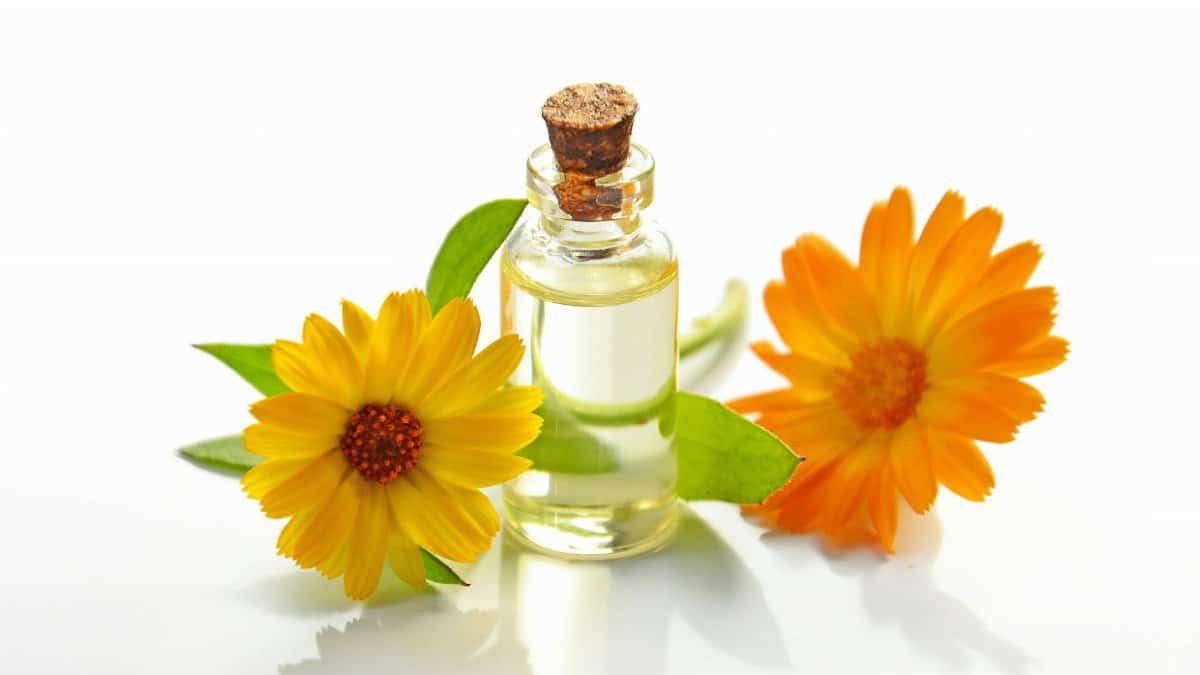
Start with a warm cup on a chilly Virginia evening, and chamomile reveals its gentle power. This daisy-like flower, often found in backyard gardens across the state, has been a go-to for centuries. A review from the National Center for Biotechnology Information highlights its mild sedative effects, attributing them to apigenin, which binds to benzodiazepine receptors in the brain.
Imagine a family in Norfolk gathering around the kitchen table, steeping chamomile flowers picked from nearby fields. The steam rises, carrying a subtle apple-like aroma that invites conversation and eases into sleep. Unlike stronger sedatives, chamomile offers a subtle nudge toward rest, ideal for those winding down after exploring Virginia Beach’s boardwalks. Local herbalists recommend it for insomnia, blending it with honey for a ritual that feels both timeless and accessible.
Yet, not everyone responds the same. Some find it too mild, prompting blends with other herbs for amplified effects. This variability underscores chamomile’s role in personalized relaxation strategies, rooted in Virginia’s agricultural heritage.
3. Valerian Root
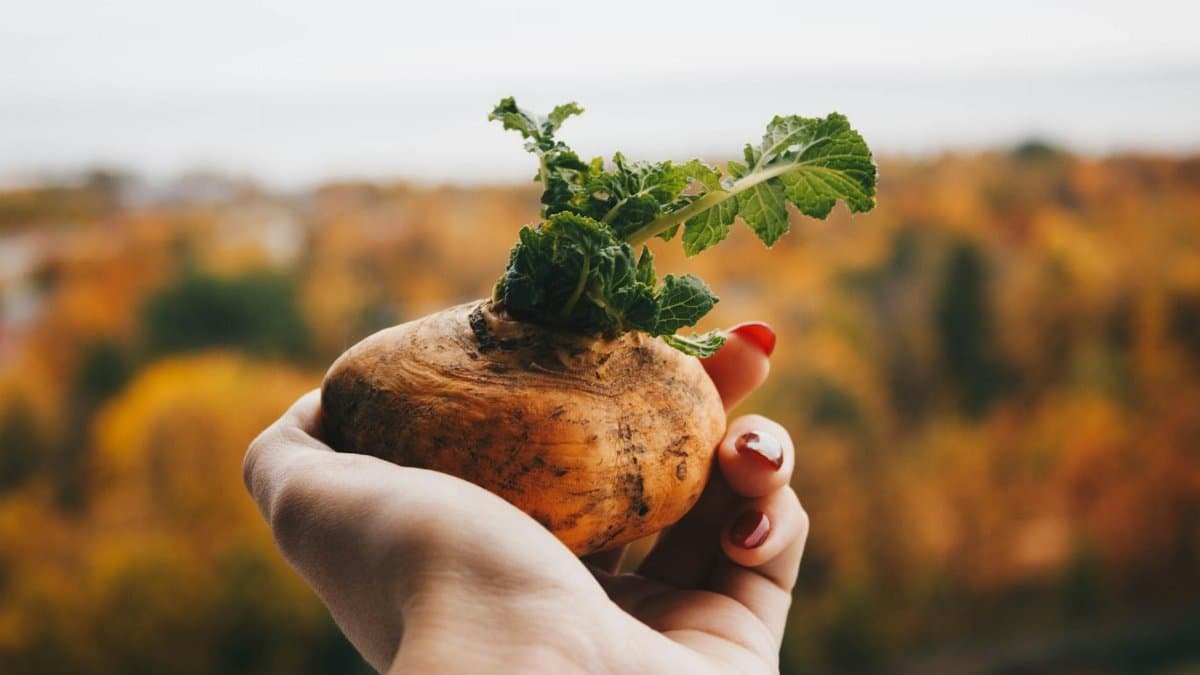
Digging deeper into earth’s offerings, valerian root emerges as a potent ally for restless nights. Native to parts of Europe but cultivated in Virginia’s fertile soils, this herb’s earthy scent might not win beauty contests, but its impact on sleep is profound. Clinical trials, including one from the NIH’s PubMed Central, suggest it improves sleep quality by increasing GABA levels, a neurotransmitter that calms neural activity.
Consider a hiker returning from Shenandoah National Park, muscles sore and mind racing. A capsule of valerian root, sourced from local apothecaries in Harrisonburg, could quiet those thoughts, leading to deeper rest. It’s a bridge between nature’s raw power and modern wellness, though some note its strong odor requires masking in teas.
The herb’s history ties to ancient remedies, yet today it fits seamlessly into Virginia routines, perhaps paired with evening reads by the fireside. Caution is key; starting low avoids grogginess, allowing users to tailor its benefits.
4. Passionflower
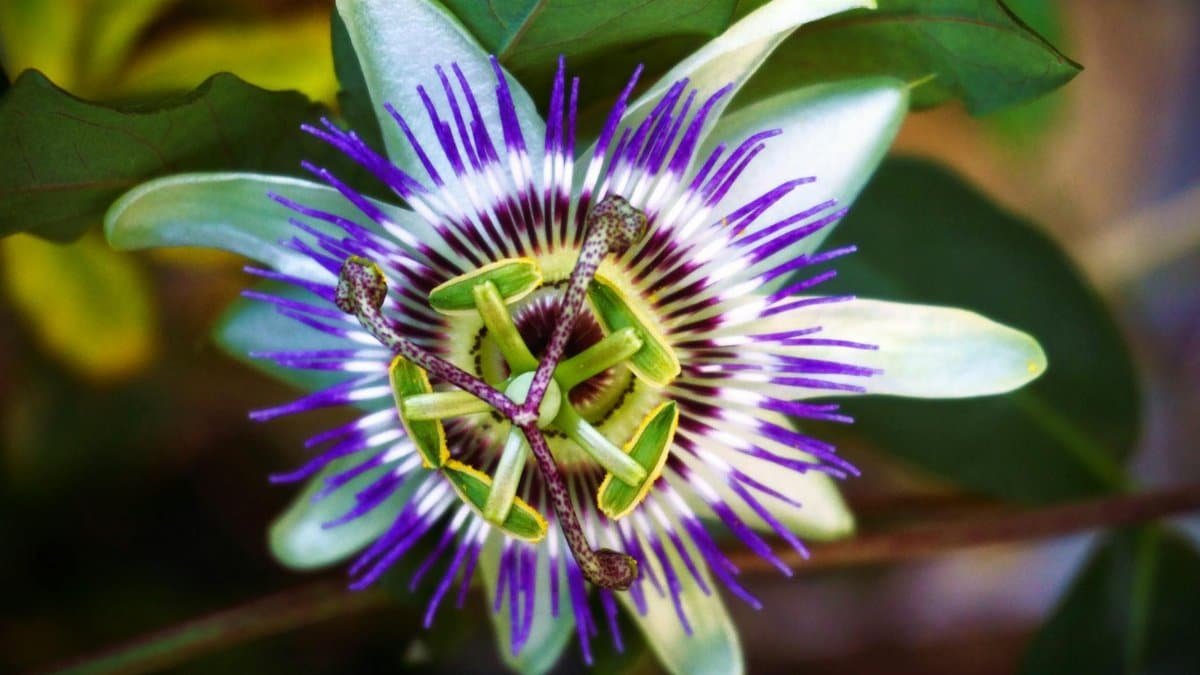
What if a vine climbing Virginia fences held the key to inner peace? Passionflower, with its intricate blooms, thrives in the state’s warmer regions and has drawn attention for its anxiety-reducing properties. A study in the Journal of Clinical Pharmacy and Therapeutics found it comparable to oxazepam in treating generalized anxiety disorder, minus the impairment.
Envision a teacher in Alexandria, overwhelmed by lesson plans, turning to passionflower tinctures from nearby herbal shops. The subtle floral notes in a evening infusion help unravel the day’s knots, fostering a sense of ease. This plant’s alkaloids work synergistically to modulate brain chemistry, offering relief without habit formation.
In online discussions, frustrations surface when expectations clash with reality; some seek instant calm, but passionflower’s effects build over time. Still, for Virginians embracing slow living, it represents a natural step toward balanced days.
5. Lemon Balm

Lemon balm brings a citrusy brightness to relaxation efforts, its leaves rustling in Virginia herb gardens from Fairfax to Roanoke. This member of the mint family calms without sedating, as evidenced by research from the Nutrients journal, which linked it to reduced stress in healthy adults.
A quick rub of its leaves releases a lemon scent that lifts spirits, much like a walk through Monticello’s gardens where similar herbs grow. For someone juggling remote work and family in Virginia Beach, a fresh tea might punctuate the afternoon, easing into evening without caffeine’s edge.
Its versatility shines in combinations, perhaps with honey for a soothing syrup. While effects vary, lemon balm’s gentle profile makes it a favorite for daily use, weaving nature’s touch into urban lives.
6. Ashwagandha
Ashwagandha, an adaptogen from Ayurvedic traditions, has taken root in Virginia’s wellness scene, available at co-ops in places like Charlottesville. It helps the body adapt to stress, with a meta-analysis in the Journal of Alternative and Complementary Medicine confirming its role in lowering cortisol levels.
Think of a entrepreneur in Richmond, battling startup pressures, incorporating ashwagandha powder into smoothies. The earthy taste grounds them, promoting sustained calm amid chaos. This root’s withanolides target stress pathways, offering resilience over quick fixes.
Debates arise on dosage, but consistent use often yields noticeable shifts, aligning with Virginia’s growing interest in holistic health.
7. Hops

Beyond beer, hops offer sedative qualities, flourishing in Virginia’s craft brewing regions like the Blue Ridge. Studies from the PubMed Central indicate their compounds enhance GABA activity, aiding sleep.
A brewer in Asheville might share how non-alcoholic hops tea unwinds after long days, its bitter notes signaling rest. For Virginians, this ties local agriculture to personal calm, perhaps in pillows stuffed with dried cones.
Its synergy with other herbs amplifies benefits, making hops a versatile player in relaxation arsenals.
8. Magnolia Bark
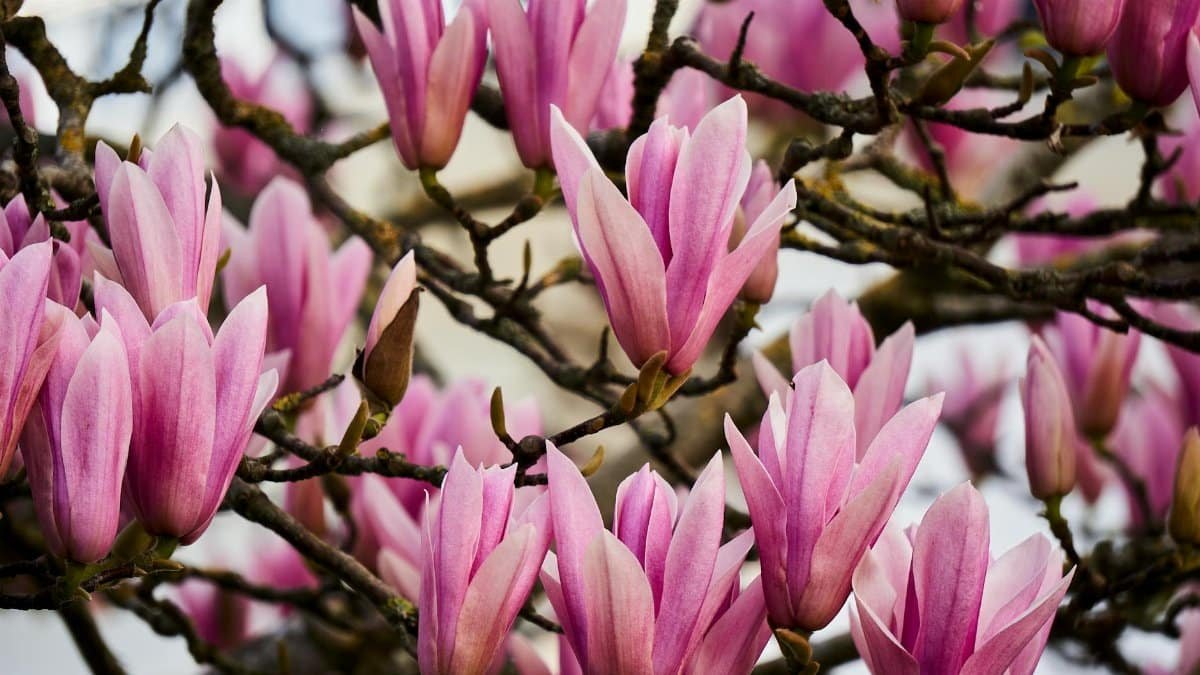
Magnolia bark, from trees dotting Virginia landscapes, harbors honokiol, a compound that eases anxiety. Research in Pharmacology Biochemistry and Behavior supports its neuroprotective effects.
Imagine harvesting bark ethically in a backyard, brewing it into a decoction that soothes pre-bed jitters. This ancient remedy fits modern needs, offering calm without dependency.
While less known, its potential grows in herbal communities, blending tradition with science.
9. Kava

Kava, though Pacific in origin, finds fans in Virginia’s alternative wellness circles for its muscle-relaxing kavalactones. A review by the Cochrane Library notes its efficacy for short-term anxiety relief.
A yoga instructor in Virginia Beach might sip kava before class, feeling tensions dissolve. It’s a social relaxant too, fostering connections in group settings.
Safety concerns limit use, but moderated intake highlights its value.
10. Hemp-Derived CBD
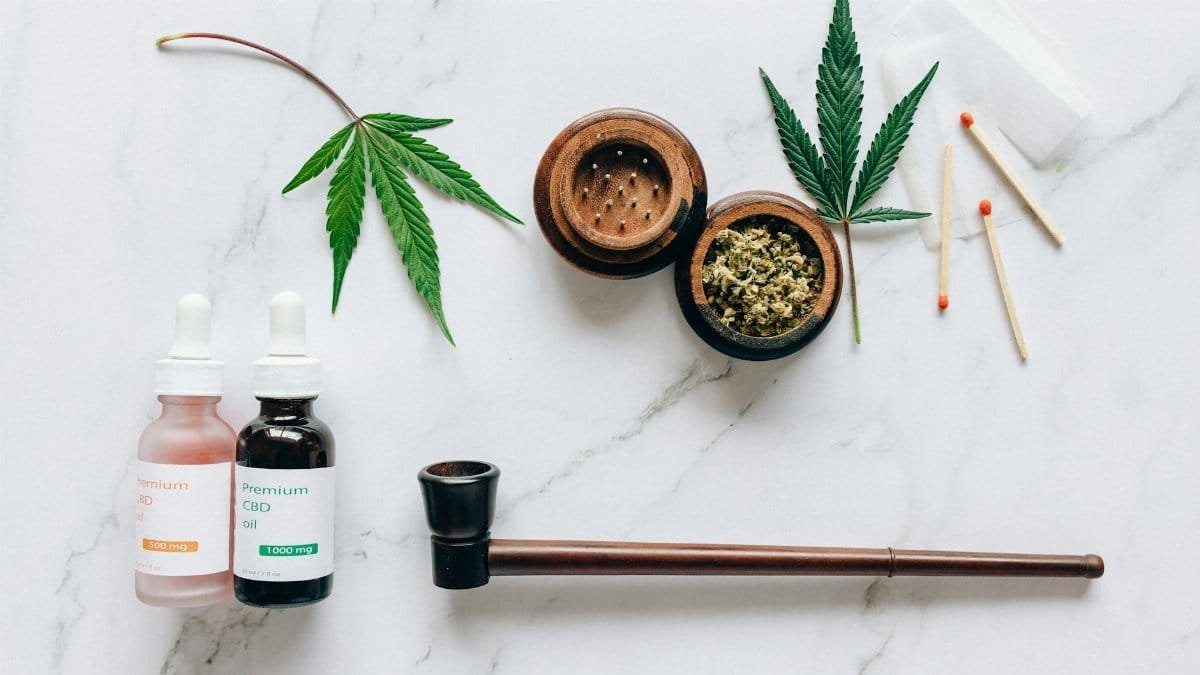
Rounding out the list, hemp-derived CBD, legal and grown in Virginia fields, modulates the endocannabinoid system for relaxation. The World Health Organization reports it’s well-tolerated, with studies showing reduced anxiety.
A veteran in Norfolk using CBD oil describes waves of calm replacing insomnia. Farms in the state supply pure extracts, integrating into lotions or edibles.
As research evolves, CBD exemplifies how natural ingredients improve relaxation, rooted in Virginia’s innovative agriculture.